Your Quick Guide
- What Exactly Does "Brushing with Coconut Oil" Mean?
- The Potential Benefits: Why People Are Even Considering This
- The Risks and Downsides: The Stuff the Enthusiasts Don't Always Mention
- The Science vs. The Hype: What Do the Authorities Say?
- How to Actually Brush Your Teeth with Coconut Oil (Safely)
- Coconut Oil vs. Traditional Toothpaste: A Side-by-Side Look
- Answering Your Burning Questions (FAQs)
- The Final Verdict: Should You Do It Everyday?
So you've heard about this coconut oil thing. Maybe a friend swears by it, or you saw a glowing post online about a dazzling white smile. The idea of swapping out your minty toothpaste for something natural, straight from a jar, is pretty appealing. I get it. Who doesn't love a simple, back-to-basics solution? But before you dive headfirst into swishing oil around your mouth every morning, you need to ask the real question: Can I brush my teeth with coconut oil everyday without messing up my dental health?
The short, messy answer is: maybe, but it's complicated. It's not a simple yes or no. Honestly, the internet is full of people shouting about miracle cures, and it's hard to know what's legit. I've looked into the science, talked to dental professionals, and yes, I've even tried it myself for a few weeks. My gums felt pretty good, but the texture? Not my favorite. We'll get to that.
This guide isn't here to sell you on a trend. It's here to walk you through everything—the potential perks, the very real drawbacks, the proper way to do it if you choose to, and the big stuff you should never, ever skip. Because at the end of the day, your tooth enamel doesn't grow back. We need to be smart about this.
Bottom Line Up Front: Using coconut oil as a supplement to your oral care routine might offer some benefits. Using it as a complete replacement for your fluoride toothpaste is a risky move that most dentists would strongly advise against. Think of it as a possible add-on, not a substitute.
What Exactly Does "Brushing with Coconut Oil" Mean?
First, let's clear up the confusion. When people talk about this, they're usually referring to one of two things, and mixing them up is where problems start.
Oil Pulling: This is the ancient practice (it comes from Ayurvedic medicine) of swishing a tablespoon of oil (like coconut, sesame, or sunflower) around in your mouth for 10-20 minutes. The idea is that the oil “pulls” bacteria and toxins from your mouth. You then spit it out—never swallow it—and rinse. This is not brushing. It's a separate, pre-brushing ritual.
Actual Brushing: This means dipping a damp toothbrush into solid or melted coconut oil and using it to physically scrub your teeth, just like you would with toothpaste. Sometimes people mix it with baking soda or a drop of peppermint oil for flavor and abrasion.
The question "can I brush my teeth with coconut oil everyday" typically points to the second method—making it your primary cleaning agent. But a lot of the research and benefits people talk about actually come from studies on oil pulling. See the mix-up? We need to separate the two.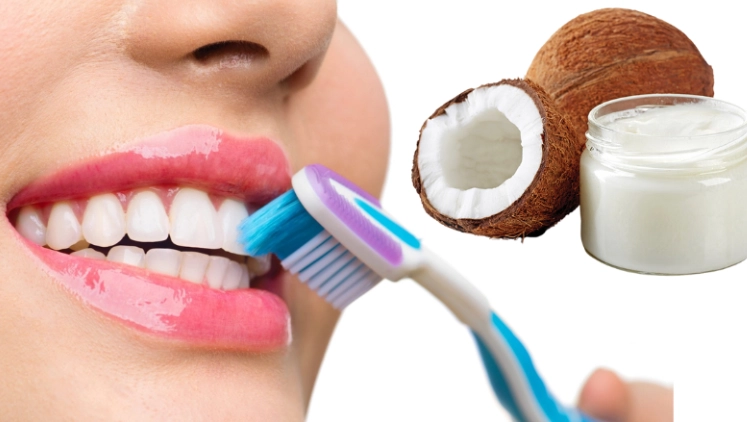
The Potential Benefits: Why People Are Even Considering This
Let's give credit where it's due. Coconut oil isn't just kitchen hype. It has some properties that make dental professionals raise an eyebrow in cautious interest.
The star of the show is lauric acid. This is a fatty acid that makes up about 50% of coconut oil, and it's known for being antimicrobial. It can break down the cell walls of certain bacteria. In the mouth, the main villain is Streptococcus mutans, a primary bacteria responsible for plaque and tooth decay. Some lab studies, like one published in the National Institutes of Health library, have shown that coconut oil can inhibit the growth of this bacteria. That's promising.
So, what might you potentially gain from incorporating coconut oil?
- Reduced Harmful Bacteria: The antimicrobial action could lead to less plaque buildup over time. Less plaque means a lower risk for cavities and gum inflammation (gingivitis). Some small-scale human studies on oil pulling have shown a reduction in plaque and gingivitis scores, comparable to chlorhexidine mouthwash in a few cases, though more robust research is needed.
- Whiter Teeth (Maybe): This is the big draw for many. By potentially reducing plaque and staining bacteria, your teeth might appear cleaner and slightly brighter. It might also help remove some surface stains. But don't expect Hollywood-level bleaching. It's more of a gentle, natural brightening effect, if anything.
- Fresher Breath: Bad breath is often caused by bacteria on the tongue and in the mouth. By tackling some of those bacteria, coconut oil could lead to fresher breath. The effect is usually temporary, though.
- Soothing Effect on Gums: Some people with sensitive or inflamed gums report a soothing, less irritated feeling after using coconut oil. This could be due to its anti-inflammatory properties. It feels gentle, unlike some harsh alcohol-based mouthwashes.
Sounds pretty good, right? It does. But here's my personal take: the benefits feel subtle. When I tried it, my mouth felt clean in a different way—not the "/scrubbed clean" feel of toothpaste, but a smoother, coated feeling. My breath seemed okay, but it wasn't the powerful minty freshness I was used to. It was... fine.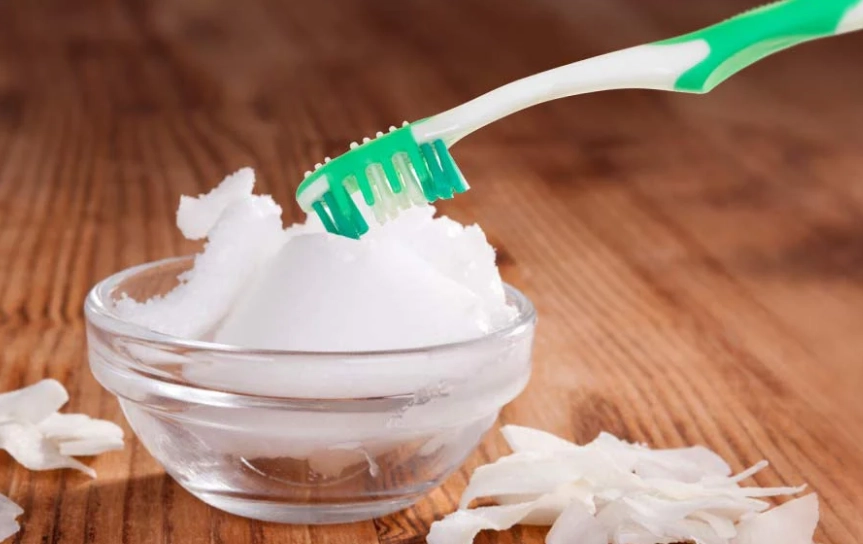
The Risks and Downsides: The Stuff the Enthusiasts Don't Always Mention
This is the critical part. Ignoring these points is how people get into trouble. If you're thinking, "can I brush my teeth with coconut oil everyday," you must weigh these cons just as heavily as the pros.
The Biggest Risk: No Fluoride
This is the deal-breaker for daily replacement use. Fluoride is the single most effective, scientifically proven ingredient for preventing tooth decay. It strengthens enamel (through remineralization) and makes teeth more resistant to acid attacks from bacteria. The American Dental Association (ADA) firmly states that fluoride is essential for good oral health.
Coconut oil contains zero fluoride. If you replace your fluoride toothpaste with coconut oil every day, you are removing your primary defense system against cavities. Full stop. For someone with a high risk of cavities, this could be a disastrous choice.
Other practical drawbacks include:
- Limited Abrasive/Cleaning Power: Toothpaste contains mild abrasives (like hydrated silica or calcium carbonate) that help physically scrub away plaque and stains. Coconut oil is slick. It might not provide the same mechanical cleaning action, potentially leaving a film or not fully removing plaque. You might need to brush longer and more carefully.
- The "Fatberg" Problem: Coconut oil is fat. It solidifies below about 76°F (24°C). Spitting it into your sink regularly can lead to serious plumbing issues over time, as it coats pipes and combines with other gunk. Always spit it into the trash, not the drain.
- The Texture and Taste: Let's be honest. The oily, greasy sensation in your mouth isn't for everyone. It can feel weird. While some love the mild coconut flavor, others find it bland or unpleasant without added flavoring.
- Lack of Regulation and Standardization: Unlike fluoride toothpaste, which is regulated as a drug/cosmetic, there's no standard for how much lauric acid is in any given jar of coconut oil, or how effective it will be. You're experimenting on yourself.
- Potential for an Upset Stomach: If you accidentally swallow a significant amount (more likely with oil pulling), it can cause stomach discomfort or diarrhea due to its high-fat content.
See what I mean? It's not all coconut-scented sunshine.
The Science vs. The Hype: What Do the Authorities Say?
It's important to know where the solid ground is. Major dental organizations are cautiously curious but firmly grounded in evidence-based practice.
The American Dental Association (ADA) does not currently have an official Seal of Acceptance for any coconut oil product for brushing or oil pulling. Their position, as echoed by many dentists, is that while initial studies on oil pulling are interesting, more rigorous, large-scale, long-term research is needed. They emphasize that it should not replace conventional oral care.
A review in the Journal of Dental Research concluded that while oil pulling can reduce plaque, the evidence for its effectiveness against gingivitis is limited and inconsistent. They noted it could be a "supplementary oral hygiene practice."
So the scientific community is saying, "Hey, this might help a bit as an extra step, but we're not sure yet, and it's definitely not a magic bullet." That's a far cry from the "ditch your toothpaste!" headlines you sometimes see.
Think of the science like this: promising clues, but not a complete case file.
How to Actually Brush Your Teeth with Coconut Oil (Safely)
If you've read the risks and still want to give it a try—maybe as an occasional supplement or a pre-brush rinse—here's how to do it with the least chance of messing up.
Step-by-Step Guide
- Choose Your Oil: Go for organic, virgin (unrefined) coconut oil. Refined oil has fewer beneficial compounds. The good stuff is solid at room temperature.
- Prep Your Brush: Wet your toothbrush with warm water. Scoop a small amount of solid oil (about the size of a pea) onto the bristles. You can also gently melt it first.
- Brush Normally: Brush for a full two minutes, covering all surfaces of your teeth—front, back, chewing surfaces. Pay extra attention to your gum line. The oil will melt and become liquid in your mouth.
- Spit Carefully: Spit the oil out into a trash can or tissue. Do NOT spit it into the sink or toilet.
- The Non-Negotiable Follow-Up: Rinse your mouth thoroughly with water. Then, brush your teeth again with a fluoride toothpaste. This is crucial. The fluoride toothpaste will clean away any oily residue and deliver the protective fluoride to your enamel.
- Clean Up: Rinse your brush with very hot water and soap to remove all oil residue.
This method integrates coconut oil while safeguarding the essential step of fluoride application. It answers "can I brush my teeth with coconut oil everyday?" with a "Yes, but only if you follow it with your regular toothpaste."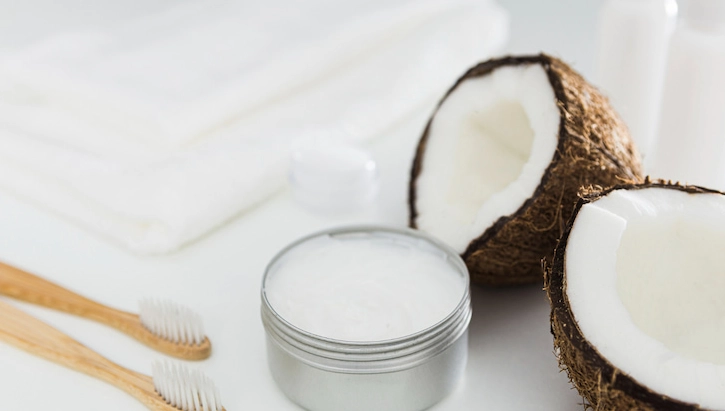
Coconut Oil vs. Traditional Toothpaste: A Side-by-Side Look
Sometimes a visual comparison helps. Let's break down the key differences.
| Feature | Coconut Oil (as a standalone) | Fluoride Toothpaste (ADA-Accepted) |
|---|---|---|
| Primary Function | Antimicrobial action, possible plaque reduction. | Cleans plaque, delivers fluoride to strengthen enamel, prevents cavities. |
| Fluoride Content | None. | Yes (Sodium fluoride, Stannous fluoride, etc.). |
| Abrasive Action | Very low. May not fully remove plaque film. | Precisely calibrated mild abrasives for effective cleaning. |
| Scientific Backing | Promising preliminary studies, limited human trials. | Decades of extensive, robust clinical research. |
| Regulatory Status | Not regulated for therapeutic dental use. | Regulated as an Over-The-Counter drug/cosmetic. |
| Best For... | A supplementary oral rinse (oil pulling) or pre-cleaner. | The essential, non-negotiable foundation of daily cavity prevention. |
Looking at this, the role of each becomes clear. They are not direct competitors; they are different tools.
Answering Your Burning Questions (FAQs)
Can coconut oil brushing reverse cavities?
No. Once a cavity (a physical hole in the tooth) has formed, it cannot be reversed by any brushing method, oil or otherwise. Only a dentist can treat a cavity with a filling. Coconut oil's potential benefit is in preventing the conditions that lead to cavities, not curing them.
Will it help with gum disease?
For early-stage gum inflammation (gingivitis), its antimicrobial properties might offer some help in reducing bacteria and soothing gums as part of a comprehensive care plan. For serious, established gum disease (periodontitis), it is not a treatment. You need professional dental care.
Can children brush with coconut oil?
Extreme caution here. Children are especially prone to cavities, and fluoride is critical for their developing teeth. The risk of swallowing the oil is also higher. It's best to stick with an ADA-accepted fluoride toothpaste formulated for kids. Consult your pediatric dentist before trying anything else.
Is it better than other oils for oil pulling?
Coconut oil is popular because of its lauric acid content and pleasant taste. Sesame oil is traditional. Some studies suggest coconut oil might have a slight edge in antimicrobial activity, but the core mechanism of oil pulling is similar across oils.
How soon will I see results like whiter teeth?
Don't expect overnight miracles. If you notice any difference in brightness, it would likely be gradual over several weeks, and it would be minor—more of a "cleaner" look than a dramatic whitening. For significant whitening, professional or approved OTC treatments are more effective.
My Two Cents: I experimented with the full "brush only with coconut oil" method for two weeks. My teeth never felt "/dirty," but they didn't have that squeaky-clean feel I like. The biggest issue was psychological—I missed the minty freshness. And I was constantly paranoid about skipping fluoride. I eventually settled on using it for oil pulling a few mornings a week before my normal brush, which feels like a good compromise. It's relaxing. But I'd never give up my fluoride toothpaste.
The Final Verdict: Should You Do It Everyday?
So, circling back to the core question: Can I brush my teeth with coconut oil everyday?
Here's my final, nuanced take.
If "everyday" means as your sole brushing agent, replacing fluoride toothpaste, the answer is a resounding no. The risk of losing fluoride's protection is too great for the potential, unproven benefits. Most dentists would (and should) advise strongly against this.
If "everyday" means as a supplementary step in addition to your regular brushing and flossing, then the answer is a cautious maybe, if you do it safely. You could use it for oil pulling for 10-15 minutes a few times a week, then brush normally with fluoride toothpaste. Or, you could use the brushing method I outlined above, where you use the oil first and always follow with fluoride toothpaste.
The safest, most evidence-based path is to keep your routine centered on the proven pillars: brushing twice daily with fluoride toothpaste, flossing daily, regular dental check-ups, and a healthy diet low in sugary acids.
Within that solid framework, if you want to add a spoonful of coconut oil as an experimental, natural adjunct, go for it. Just don't let it knock the pillars down. Your teeth have to last you a lifetime. It's worth being careful.
Hope this honest breakdown helped you sort through the noise. It's a personal choice, but now it can be an informed one.