Let's be honest, most of us think of bacteria as the enemy. We scrub, rinse, and sanitize them away. But after a decade of focusing on oral health, I've seen a quiet revolution. The real game-changer isn't killing all bacteria—it's cultivating the right ones. That's where dental probiotics come in. They're specific, beneficial bacteria strains designed to support your oral microbiome, the complex community of microbes in your mouth. Getting this balance right can influence everything from fresh breath and gum health to your body's overall inflammatory response.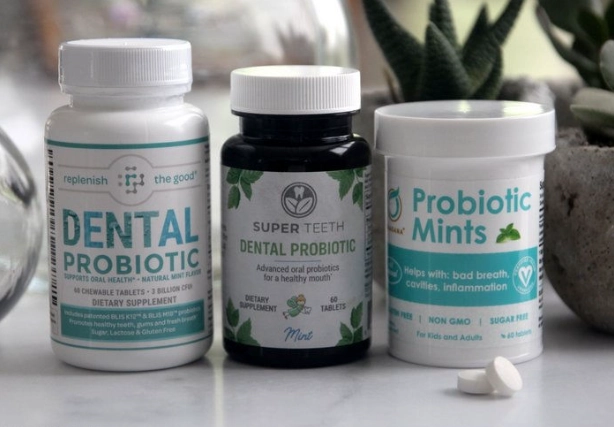
What You'll Find Inside
What Are Dental Probiotics (And What They're Not)
Dental probiotics are live microorganisms that, when administered in adequate amounts, confer a health benefit on the oral cavity. That's the textbook definition. In plain English? They're good bacteria you introduce to your mouth to help the good guys already there outcompete the bad guys.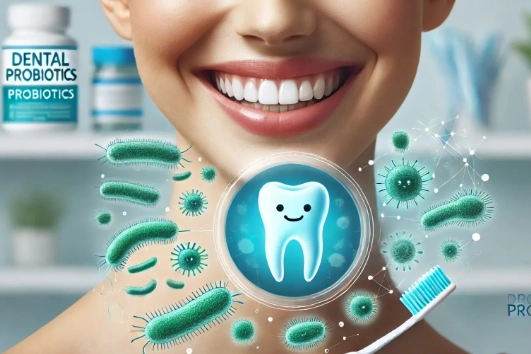
Here's the crucial distinction everyone misses: dental probiotics are not the same as gut probiotics. Swallowing a capsule of Lactobacillus acidophilus meant for your intestines does virtually nothing for your gums or teeth. The strains used for oral health are specifically researched to adhere to oral tissues, integrate into dental plaque biofilm, and produce substances that inhibit pathogens like Streptococcus mutans (the main cavity culprit) and Porphyromonas gingivalis (linked to gum disease).
The Oral Microbiome 101: Think of your mouth as a bustling city. You have "good citizen" bacteria that help with digestion and defense, and "troublemaker" bacteria that cause plaque and inflammation. Factors like sugar, acidic foods, smoking, and even some harsh mouthwashes can evict the good citizens, letting the troublemakers take over. Dental probiotics are like sending in a targeted wave of reinforcements for the good citizens.
The Key Strains That Actually Do Something
Forget the big, bold "10 Billion CFU!" number on the label for a second. It's not about quantity; it's about specificity. A product with 50 billion of the wrong strain is useless. Based on clinical research (like studies indexed by the National Center for Biotechnology Information), here are the workhorse strains with real evidence behind them.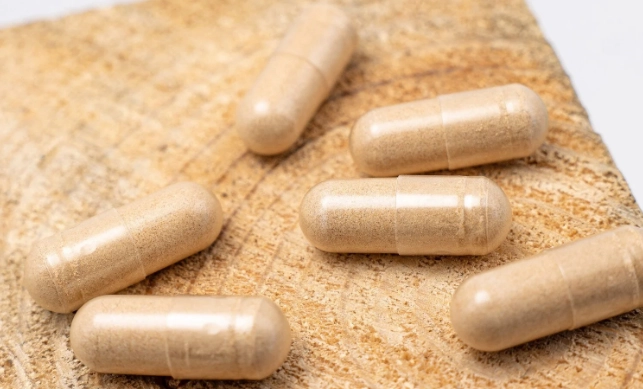
| Probiotic Strain | Primary Research-Backed Benefit | How It's Thought to Work |
|---|---|---|
| Lactobacillus reuteri | Reducing gum inflammation (gingivitis), fighting harmful oral bacteria. | Produces antimicrobial substances called reuterin that suppress pathogens. Studies, including one published in the Journal of Clinical Periodontology, have shown it can significantly reduce plaque and gingivitis. |
| Lactobacillus salivarius | Combating bad breath (halitosis), supporting overall oral ecology. | Competes with odor-causing bacteria for resources and space. It's a common resident in a healthy mouth, so supplementing can help restore balance. |
| Streptococcus salivarius K12 | Targeting throat and tonsil health, reducing strep throat recurrence. | Produces bacteriocin-like inhibitory substances (BLIS) that specifically inhibit Streptococcus pyogenes, the bacteria behind strep throat. This is a great example of a highly specific action. |
| Streptococcus salivarius M18 | Supporting tooth health, inhibiting cavity-causing bacteria. | Produces enzymes (dextranase and urease) that may help break down plaque and neutralize acid in the mouth, creating a less cavity-friendly environment. |
See that? You want a product that lists these strains by name, not just "proprietary blend." A friend of mine, a periodontist, always says: "If you're buying a probiotic for your mouth and it doesn't have L. reuteri or a specific S. salivarius strain, you're probably just buying expensive chalk." Harsh, but it makes the point.
The CFU Count Debate
Colony Forming Units (CFUs) matter, but only after you've confirmed the right strains are present. For oral application, a range of 1-5 billion CFU per dose is often sufficient. Why? The mouth is a smaller environment than the gut. Mega-doses aren't necessary and may not even be helpful, as excess bacteria will simply be swallowed. Look for a guaranteed CFU count at the time of expiration, not just at manufacturing.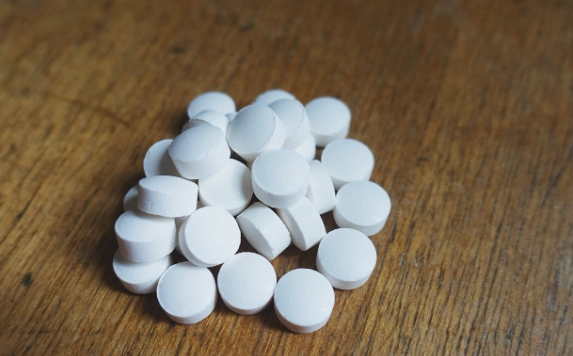
How to Choose a Product That Isn't a Waste of Money
The market is flooded with options. Walking down the supplement aisle is overwhelming. Let's break down the real-world choices you have, based on delivery and your specific goal.
Delivery Method Matters More Than You Think:
- Lozenges/Melt-away Tablets: My personal favorite for most people. You let them dissolve slowly in your mouth, usually over 5-10 minutes. This maximizes contact time with teeth, gums, and tongue, allowing the bacteria to adhere. This is ideal for general gum and breath support.
- Sprays: Excellent for targeting the throat (great for S. salivarius K12) or for kids or people who can't have lozenges. A few quick sprays can coat the oral mucosa efficiently.
- Powders: Can be mixed with a small sip of water and swished. Offers good dispersion but contact time is shorter unless you hold it.
- Capsules (for swallowing): Generally not effective for dental purposes. Avoid these unless the product specifically says to open the capsule and pour the powder into your mouth.
Watch Out For: Sugars or acidic flavorings in the ingredient list. You're trying to support a healthy environment, not feed the bad bacteria with sucrose or erode enamel with citric acid. Look for sugar-free options sweetened with xylitol or stevia, which are actually beneficial or neutral for teeth.
A Simple Decision Framework
Ask yourself:
1. Main Goal? Gum health = prioritize L. reuteri. Bad breath = L. salivarius. Sore throats = S. salivarius K12.
2. Preferred Routine? Do you want a quick spray in the morning or a relaxing lozenge at night?
3. Sensitivity? Check for major allergens like dairy if the strain is cultured in a milk medium.
Fitting Probiotics Into Your Existing Routine
This is where people mess up. They add a probiotic but don't change anything else, undermining its effects.
Timing is Everything: The single best piece of advice I give patients is to take their dental probiotic at night, just before bed. Why? Saliva flow decreases during sleep, which normally allows bad bacteria to proliferate. Delivering a battalion of good bacteria right as you turn out the lights gives them a fighting chance to establish themselves without being immediately washed away by food, drink, or daytime saliva.
The Mouthwash Conundrum: If you use an antibacterial (alcohol or cetylpyridinium chloride) mouthwash, you are nuking your oral microbiome—good and bad. Using a probiotic right after is like planting seeds on scorched earth. Space them out. Use mouthwash in the morning and your probiotic at night. Or, better yet, consider switching to a non-antibacterial, fluoride-based rinse recommended by organizations like the American Dental Association for cavity prevention, which is less disruptive.
Your routine should look something like this:
Morning: Brush, floss, (optional non-antibacterial mouthwash).
Evening: Brush, floss, water floss if you have one, then let your dental probiotic lozenge dissolve. Don't eat or drink anything after.
It's not complicated. It's about sequence.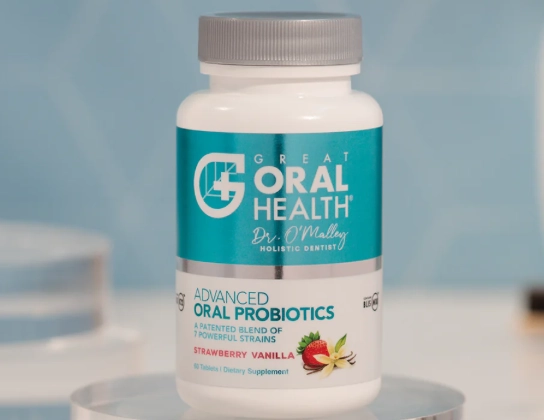
Your Questions, Answered
Dental probiotics represent a shift from a purely defensive oral care strategy to a more balanced, ecological one. They're not a silver bullet, and they absolutely don't replace brushing and flossing. But as part of a thoughtful routine, they can be the missing piece that helps you maintain a genuinely resilient and healthy mouth. Start by identifying your goal, pick a product with the right strain and delivery method, and be patient. Your microbiome didn't get out of balance overnight, and it won't fix itself overnight either.