Quick Guide
- Why Do People Think Lemon Whitens Teeth?
- The Real Risks: More Than Just Yellow Teeth
- How Lemon Stacks Up Against Other Home Whitening Methods
- What Actually Works: Safe Paths to a Whiter Smile
- Your Action Plan: If You've Already Used Lemon
- Answers to Your Burning Questions (FAQ)
- The Final Verdict: A Clear No
You've probably seen it all over social media and DIY blogs: rub lemon juice on your teeth, or mix it with baking soda, for a brighter smile. It sounds natural, cheap, and effective. But is lemon good for teeth whitening, or is this one of those too-good-to-be-true internet hacks that could actually ruin your smile? I dug into the science and talked to a few dentist friends to get the real story, and honestly, the answer isn't as simple as a yes or no. It's more of a "yes, but at what cost?" kind of situation.
Let's cut through the noise. The short answer is that lemon can *appear* to whiten teeth initially, but it does so in a way that's incredibly damaging and counterproductive in the long run. It's like using sandpaper to clean a delicate piece of glass—you might remove the surface grime, but you're scratching the heck out of it. If you're searching for "is lemon good for teeth whitening," you're likely looking for a safe, affordable solution. I get it. Professional whitening is expensive, and store-bought strips can be hit or miss. But trust me, lemon juice is a shortcut that leads to a dead end filled with sensitive teeth and dental bills.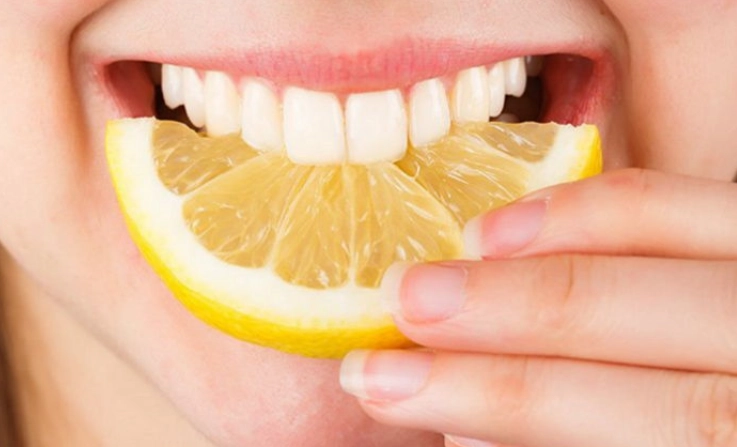
Why Do People Think Lemon Whitens Teeth?
It's not a completely random idea. There's a logical, albeit flawed, thought process behind it. Lemon juice contains citric acid, a powerful bleaching and cleaning agent. You know how a lemon wedge can brighten up a stained coffee mug? The same principle seems to apply. The acid can dissolve and break down some of the surface stains on your teeth—things like coffee, tea, or red wine residue. So, after you swish or rub it on, your teeth might look a shade or two lighter. I remember a friend in college swearing by this method before a big date. It worked for her... once.
But here's the thing everyone misses. Your teeth aren't ceramic mugs. That shiny, white outer layer? That's your enamel, and it's the hardest substance in your body, but it's no match for constant acid attacks. When you ask, "Is lemon good for teeth whitening?" you're really asking if it's good for your enamel. And the answer is a resounding no.
The Chemistry of Damage: What Lemon Acid Really Does
Let's get a bit science-y, but I'll keep it simple. Your tooth enamel is primarily made of minerals, mainly hydroxyapatite. Citric acid, the main acid in lemons (with a pH around 2-3, which is very acidic), reacts with these minerals in a process called demineralization. It literally dissolves the calcium and phosphate right out of your enamel. This weakens the structure, making it thinner and more porous.
Think of your enamel like the clear, protective coating on a shiny new car. Using lemon juice is like repeatedly spraying that coating with a mild acid. It gets cloudy, thin, and eventually wears away, revealing the less-perfect layer underneath. In teeth, that underlying layer is called dentin, which is naturally yellow. So, by eroding the translucent white enamel, you're actually making the yellow dentin more visible. The initial stain removal is a fleeting illusion, but the long-term yellowing is the harsh reality.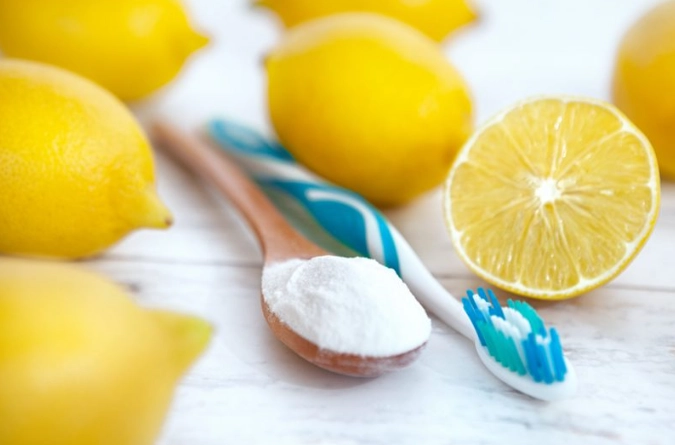
The Real Risks: More Than Just Yellow Teeth
Focusing only on color misses the bigger, scarier picture. If you're still wondering, "Is lemon good for teeth whitening?" consider these downstream effects that nobody talks about on those Pinterest posts.
- Tooth Sensitivity (Zingers!): This is often the first sign. As enamel thins, it exposes microscopic tubules that lead directly to your tooth's nerve. Hot coffee, ice cream, even cold air can trigger sharp, painful zings. My friend from college? She started wincing every time she drank something cold just a few weeks after her "lemon trick."
- Increased Cavity Risk: Weakened, porous enamel is a magnet for cavity-causing bacteria. It's easier for them to stick around and start digging. You're trading surface stains for actual holes in your teeth.
- Transparency and Chipping: Severely eroded enamel can make the edges of your front teeth look transparent, bluish, or grey. It also becomes more brittle and prone to chipping. Not exactly the aesthetic goal, right?
- Gum Irritation: The acid can also burn and irritate your soft gum tissue, leading to discomfort and recession over time.
So, is using lemon for teeth whitening worth these risks? I don't think so. Not even a little bit.
How Lemon Stacks Up Against Other Home Whitening Methods
Maybe you're thinking, "Okay, lemon is bad, but what about other natural stuff I see online?" It's a fair question. Let's compare a few popular home remedies head-to-head. This table lays it out clearly.
| Method | How It's Supposed to Work | The Reality & Risks | Verdict |
|---|---|---|---|
| Lemon Juice / Citric Acid | Acid dissolves surface stains. | Severe enamel erosion, sensitivity, long-term yellowing. | Avoid. Damaging and counterproductive. |
| Baking Soda (Sodium Bicarbonate) | Mild abrasion scrubs away stains. | Low abrasivity, generally safe if used infrequently. Can be harsh on gums and enamel if scrubbed too hard. Doesn't change intrinsic color. | Use with caution. Okay for occasional surface cleaning, not a true whitener. |
| Activated Charcoal | Adsorption binds to stains. | Extremely abrasive. Can scratch enamel and worsen stains over time. The American Dental Association (ADA) does not recommend it due to a lack of evidence for safety and efficacy. | Not recommended. Potentially more damaging than helpful. |
| Coconut Oil Pulling | Swishing oil to reduce plaque/bacteria. | May improve oral hygiene, leading to a cleaner, brighter appearance. No evidence it bleaches teeth. Safe but mild. | Safe for hygiene. Not an effective whitening agent. |
| Hydrogen Peroxide (Diluted) | Oxidation breaks down stain molecules. | This is the active ingredient in most safe whitening products. Effective when formulated correctly. Home-made solutions can be unpredictable and irritate gums. | Use proven products. Opt for ADA-Accepted whitening toothpaste or strips. |
Looking at this, you see a pattern. The most aggressive DIY methods (lemon, charcoal) are the most dangerous. The safer ones (baking soda, oil pulling) are less effective at actual whitening. It creates a frustrating gap, which is why so many people turn to professionally formulated products.
What Actually Works: Safe Paths to a Whiter Smile
Okay, so if lemon is off the table, what should you do? The good news is there are effective and safer options at every price point. The key is to look for methods that protect your enamel while lifting stains.
Over-the-Counter Champions (The Drugstore Route)
These are your first line of defense and have come a long way.
- ADA-Accepted Whitening Toothpastes: This seal is gold. It means the product is both safe and effective at removing surface stains. They contain gentle abrasives and often low levels of peroxide or other agents like sodium hexametaphosphate. They won't dramatically change your tooth's base color but are excellent for maintenance. The American Dental Association's guide to toothpastes is a great resource to understand active ingredients.
- Whitening Strips and Gels: These contain a regulated, safe dose of hydrogen peroxide or carbamide peroxide. They work well for mild to moderate intrinsic staining. Consistency is key. Follow the instructions to the letter—more time or more frequent use won't make them work better and might irritate your gums.
Professional Treatments (The Dentist's Office)
If you want significant, fast, and supervised results, this is the way to go.
- In-Office Whitening: High-concentration peroxide gel activated by a special light or laser. You can see results in one 60-90 minute session. The big advantage? Your gums are protected with a barrier, and a professional is controlling the process.
- Take-Home Custom Trays: Your dentist makes molds of your teeth and provides professional-grade gel and custom-fitted trays. It's more effective and even than store-bought kits because the gel stays in contact with all tooth surfaces properly.
Your Action Plan: If You've Already Used Lemon
Feeling a bit of regret? Don't panic. The human body, and your teeth, have some capacity for repair if you stop the assault and support the process.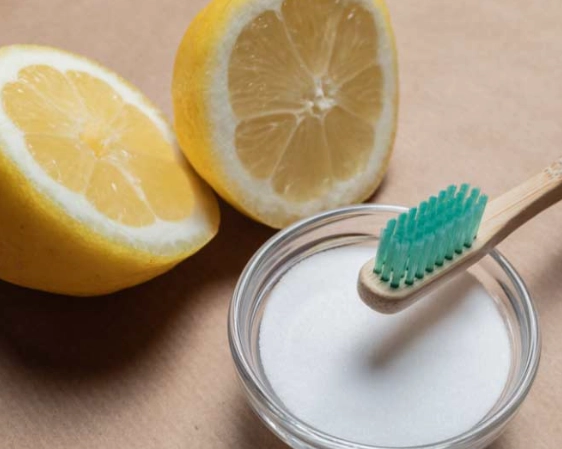
- Stop Immediately. No more lemon, no more acidic DIY concoctions.
- Switch to a Repair-Focused Routine. Use a fluoride toothpaste formulated for sensitive teeth or enamel repair. Fluoride helps remineralize enamel, strengthening it. Consider an over-the-counter fluoride mouthwash as well.
- Wait Before Brushing. If you drink anything acidic (soda, wine, fruit juice), wait at least 30 minutes before brushing. Your enamel is in a softened state after acid contact, and brushing can abrade it. Rinse with water instead.
- See Your Dentist. This is non-negotiable. They can assess any damage, provide professional fluoride treatments (like varnish), and discuss options like bonding or veneers if the erosion is significant. They can also give you a proper, safe whitening plan.
Answers to Your Burning Questions (FAQ)
This is a classic combo, and it's arguably worse. You're combining a potent acid (lemon) with an abrasive (baking soda). The acid softens the enamel, and the abrasive then scrubs it away more efficiently. It's a double-whammy of damage. So no, it's not safer; it accelerates the problem.
This is a huge source of hidden erosion. Sipping lemon water throughout the day constantly bathes your teeth in acid. If you must have it, drink it through a straw aimed toward the back of your mouth, and follow it with plain water. Don't sip it slowly for hours.
"Natural" doesn't equal safe, as we've seen. For stain prevention, a diet high in crunchy fruits and vegetables (like apples, carrots, celery) can provide a mild cleansing action as you chew. But for actual whitening, you need an oxidizing agent like peroxide, which is a chemical, whether derived naturally or synthesized. The safest "natural" approach is excellent oral hygiene: brushing, flossing, and regular cleanings to remove surface stains before they set.
Look for signs of sensitivity to temperature or sweets, discoloration (a more uniform yellowing), teeth that look rounded or shorter, or edges that appear see-through. Only a dentist can diagnose it definitively.
No. Enamel has no living cells, so it cannot regenerate. The remineralization process with fluoride can strengthen what's left and help repair early, microscopic damage, but it cannot rebuild lost structure. This is why prevention is absolutely critical. Once it's gone, it's gone.
 So, is lemon good for teeth whitening? Let's be final.
The Final Verdict: A Clear No
After all this, the answer to "Is lemon good for teeth whitening?" is a definitive and unambiguous no. It is a destructive method that trades short-term, superficial results for long-term dental health problems. The initial brightening is a trick, a side effect of enamel destruction that quickly backfires.
The quest for a whiter smile is understandable. But the foundation of a beautiful smile is healthy teeth. Compromising that health for a temporary color change is never a good trade. It's like selling your car's engine to buy a fancy new paint job.
Your best path forward is to abandon the risky DIY experiments and focus on evidence-based methods. Start with an ADA-Accepted whitening toothpaste. If you want more, use reputable over-the-counter strips or gels. For the best, safest, and most dramatic results, consult your dentist. They are the only ones who can assess your unique situation, protect your oral health, and deliver the bright smile you want without the hidden costs. Remember, in the case of lemon and teeth, what seems like a natural bright idea is really a recipe for erosion.