In This Guide
- First Things First: Why Are Your Teeth Not White?
- Your Whitening Toolkit: From the Pro Chair to Your Bathroom Sink
- Let's Compare: A Quick Look at Your Options
- The Part Everyone Skips: Keeping Your Teeth White Afterwards
- Honest Talk About Sensitivity and Safety
- Answers to Questions You're Probably Typing Into Google
- Wrapping This Up: A Realistic Path Forward
So you're looking in the mirror, maybe after a coffee or a glass of red wine, and you're thinking, "My smile could be brighter." I get it. We've all been there. That question pops into your head: how can i whiten my teeth without spending a fortune or wrecking my enamel? The internet is flooded with advice, some good, some downright scary. I've tried more than a few methods myself over the years—some were great, others were a complete waste of money and left my teeth feeling like they'd been sandpapered.
Let's cut through the noise. This isn't about pushing a miracle product. It's about giving you a clear, honest look at every option out there, from the dentist's chair to your kitchen cupboard. We'll talk about how they work, what they really cost (in money and potential sensitivity), and how to keep your results. Because let's be real, getting them white is one thing, keeping them that way is a whole other battle.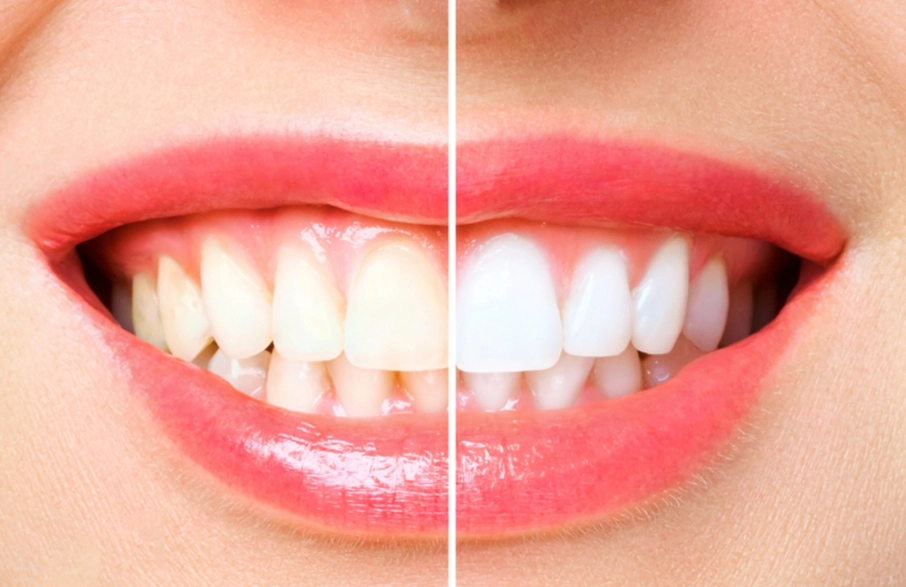
First Things First: Why Are Your Teeth Not White?
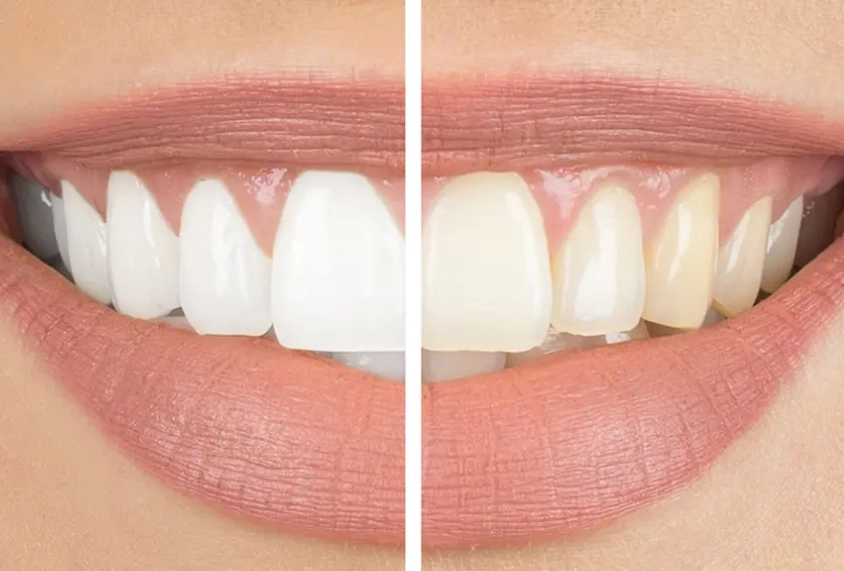
Before you jump into any method, it helps to know what you're fighting against. Teeth aren't naturally paper-white; they have a natural hue. The yellowing or staining you see comes from two main places.
Extrinsic Stains are the ones sitting on the surface. Think of them like spills on a countertop. Coffee, tea, red wine, soy sauce, berries, and of course, tobacco. These are the stains most whitening products are designed to tackle. They're usually easier to remove.
Then there are Intrinsic Stains. These are deeper, inside the tooth structure. They can be caused by things like certain antibiotics (tetracycline) taken as a child, too much fluoride, trauma to the tooth, or just the natural darkening that happens as we get older. These are tougher. Surface-level whitening might not touch them, which is why managing expectations is so important.
Honestly, most of us are dealing with a mix of both. A lifetime of eating and drinking adds up.
Your Whitening Toolkit: From the Pro Chair to Your Bathroom Sink
Alright, let's get to the main event. When you ask "how can i whiten my teeth," you've basically got three lanes to choose from: getting it done professionally, using store-bought kits at home, or trying DIY natural remedies. They're not created equal.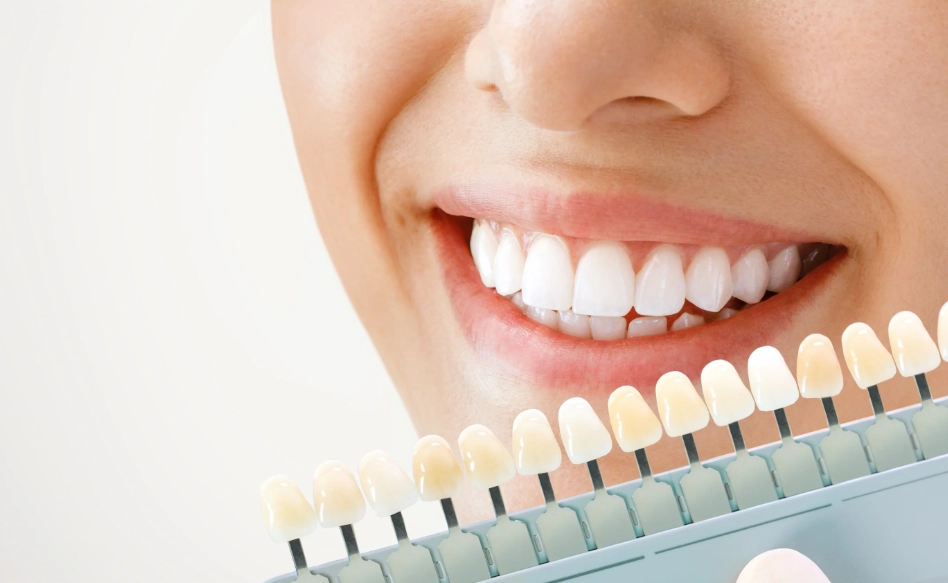
Professional In-Office Whitening
This is the heavy hitter. You go to the dentist, they protect your gums, and apply a high-concentration peroxide gel (usually between 25% to 40% hydrogen peroxide). Then they often use a special light or laser to activate it. The whole thing takes about an hour.
The big pros? It's fast. You can walk out several shades lighter in one visit. The dentist controls everything, which makes it safer for your gums. And the results are dramatic.
The cons? The cost is the biggest one. We're talking several hundred to over a thousand dollars. And oh boy, the sensitivity afterwards. For some people, it's intense for a day or two. It also doesn't last forever—those deep stains can slowly come back, and surface stains will accumulate again if you're not careful.
Is it worth it? If you need a big change for a wedding or event and money isn't the main concern, absolutely. It's the most predictable path to a significantly whiter smile. The American Dental Association (ADA) has a great resource on tooth whitening safety and effectiveness that confirms the efficacy of professionally applied products.
At-Home Whitening Kits (Dentist-Dispensed & Over-the-Counter)
This is where most people live, including me. My dentist made me custom trays a few years ago. You fill them with a lower-concentration gel (10-20% carbamide peroxide) and wear them for an hour or overnight for a couple of weeks.
It's more gradual than in-office, but way more affordable. The custom trays fit perfectly, so the gel doesn't leak onto your gums as much. Sensitivity is still a thing, but it's usually milder because the concentration is lower and you can control the frequency. If you're serious about whitening, this is what I usually recommend people look into first. It's a great balance.
Then you have the stuff you buy off the shelf.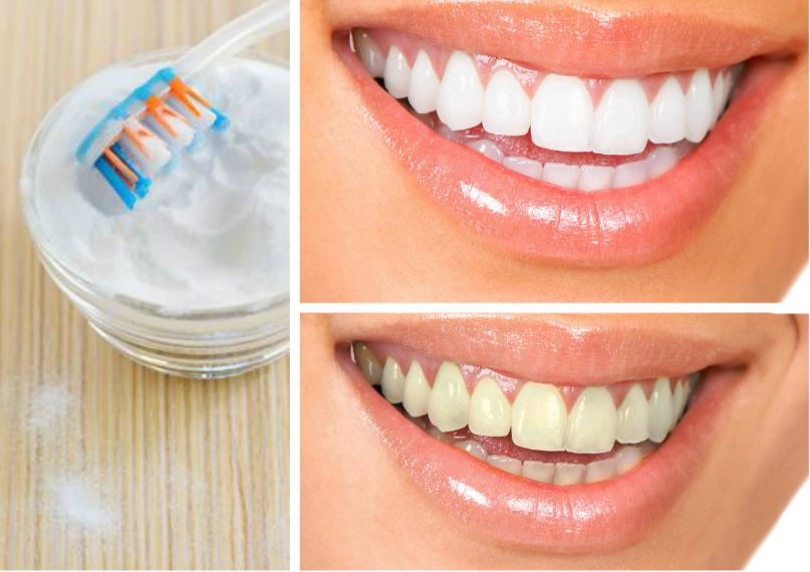
- Whitening Strips: These are probably the most popular. They're thin, flexible strips coated with a peroxide gel. You stick them on for 30 minutes a day. They're convenient and relatively cheap. The downside? They don't always fit every tooth shape perfectly, so you can get uneven results. The ones from reputable brands do work, though, especially for surface stains.
- Whitening Toothpastes & Rinses: Let's be clear. These are for maintenance, not for major change. They have mild abrasives and chemicals like hydrogen peroxide or blue covarine. They can help scrub off new surface stains and prevent yellowing, but they won't lighten your natural tooth color much. Using a good whitening toothpaste is a smart habit once you've achieved your desired shade.
- LED Whitening Kits: You see these all over social media. A mouthpiece with blue LED lights, often used with a gel. The science on the lights is iffy. The ADA says the light itself doesn't do much; the whitening comes from the peroxide gel. The light might provide a little heat to speed up the reaction, but don't buy it just for the gadget. The gel concentration in these kits is usually very low, so results are subtle.
So, how can i whiten my teeth at home effectively? My take? Whitening strips or dentist trays for the initial whitening push, then a good toothpaste to maintain it.
The DIY & "Natural" Route: Proceed with Caution
This is the section where I have to be the voice of reason. The internet is full of "natural" whitening hacks. Some are harmless but useless, others are actively harmful.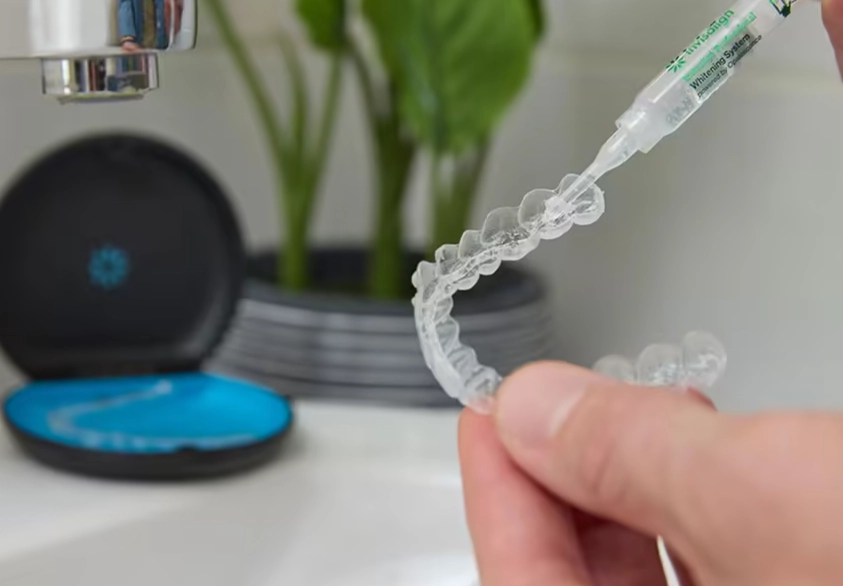
I tried the baking soda and lemon juice paste once in my early twenties. Big mistake. It made my teeth feel gritty and weird for days, and my dentist later scolded me for the potential damage. Acid + abrasion is a bad combo for enamel.
Baking Soda: Mildly abrasive. It can help remove surface stains, kind of like a gentle scrub. But it has no bleaching power. Using it sparingly in your toothpaste is probably okay, but don't go scrubbing hard with it.
Activated Charcoal: The trendy one. It's super abrasive. It might pull some surface stains off, but it's like using fine sandpaper on your teeth. Over time, you risk wearing down your precious enamel, which is the protective layer you do not want to lose. Once enamel is gone, it's gone for good, and your teeth will look more yellow (because the yellowish dentin underneath shows through). I'm not a fan.
Oil Pulling (Coconut Oil): This ancient practice involves swishing oil in your mouth. There's zero credible evidence it whitens teeth. It might improve overall oral health by reducing bacteria, which could indirectly help, but don't expect a shade change.
Fruit Peels (Banana, Orange, etc.): Rubbing fruit peels on your teeth? This is just exposing them to fruit acids, which can erode enamel. Please don't.
Let's Compare: A Quick Look at Your Options
Sometimes a side-by-side view helps. Here's a breakdown of the main paths you can take when figuring out how can i whiten my teeth.
| Method | How It Works | Approx. Cost | Time to See Results | Best For... | Biggest Downside |
|---|---|---|---|---|---|
| In-Office Professional | High-concentration peroxide gel activated by light/laser. | $500 - $1,500+ | Immediate (1 visit) | Major, fast change for events; deep intrinsic stains. | High cost; significant temporary sensitivity. |
| Dentist Take-Home Trays | Custom trays with mid-strength gel worn for hours. | $300 - $600 | 1-2 weeks | Significant whitening with more control and comfort. | Upfront cost; requires discipline to wear trays. |
| Over-the-Counter Strips | Pre-coated peroxide strips applied daily. | $20 - $60 | 1-2 weeks | Affordable, convenient removal of surface/extrinsic stains. | Can cause gum irritation; uneven coverage on some teeth. |
| Whitening Toothpaste | Abrasives & low-dose chemicals for surface cleaning. | $5 - $15 | 2-6 weeks (maintenance) | Maintaining whiteness; preventing new stains. | Very limited lightening power; some can be abrasive. |
| DIY Methods (e.g., Baking Soda) | Physical abrasion or chemical reactions. | Very low | Minimal to none | Minimal surface stain removal (with major risks). | High risk of enamel damage; unpredictable and unsafe. |
See what I mean? The trade-offs are real. You're balancing speed, cost, effectiveness, and safety.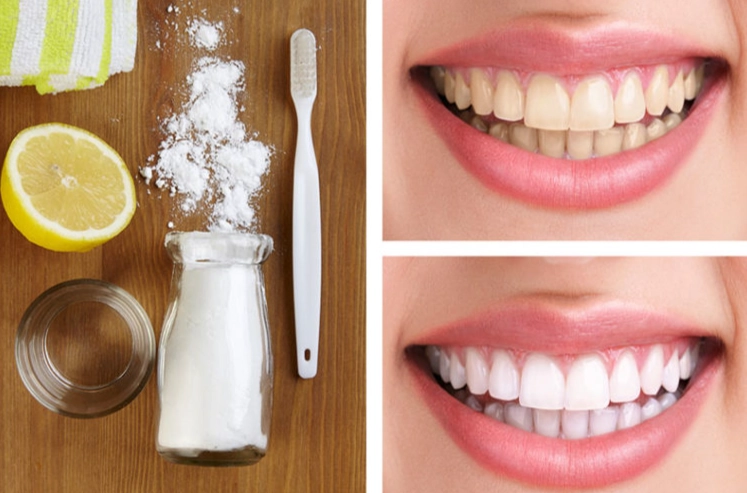
The Part Everyone Skips: Keeping Your Teeth White Afterwards
You did the work, you got the brighter smile. Now what? This is where the real game is. If you go back to drinking three cups of black coffee a day without a thought, you'll be back where you started in no time.
Think of whitening as opening a window. It lets the light in, but you have to be mindful about what you let fly back through.
Here's a solid maintenance plan:
- The "White Diet" for 48 Hours: After any whitening treatment, your teeth are more porous and susceptible to staining. Avoid dark liquids (coffee, tea, cola, red wine), dark sauces (soy, tomato), and colorful fruits (berries) for at least two days. Stick to water, milk, white rice, chicken, pasta with white sauce.
- Become a Straw Advocate: For cold drinks like iced coffee, soda, or juice, use a straw. It directs the liquid past your front teeth.
- Rinse and Run: Can't avoid that morning coffee? Swish with water immediately after finishing it. Don't brush right away, as the acid might have softened your enamel—just rinse.
- Stay on Top of Hygiene: Brush twice a day with a non-abrasive whitening toothpaste that has the ADA Seal of Acceptance. Floss daily. Plaque attracts stains.
- Touch-Ups: Depending on the method you used, you might need a touch-up every 6-12 months. A single whitening strip once every few months or using your take-home trays for a night can keep things fresh.
Honest Talk About Sensitivity and Safety
Let's not sugarcoat it. Sensitivity is the most common side effect of peroxide-based whitening. It happens because the peroxide can temporarily irritate the nerve inside your tooth. For most people, it's temporary and goes away a few days after you stop treatment.
What can you do?
- Use toothpaste for sensitive teeth for two weeks before and during whitening. Brands with potassium nitrate help calm the nerve.
- Don't overdo it. Follow the product instructions to the minute. More time does not mean better results, it means more pain.
- If using trays or strips, you can skip a day to give your teeth a break.
- Ask your dentist about high-fluoride gels or pastes that can be used in the trays to reduce sensitivity.
Who should be extra careful or maybe avoid whitening?
- People with untreated cavities or cracked teeth. The gel can get inside and cause severe pain.
- People with gum disease or recession. The exposed root surfaces are much more sensitive and can be damaged.
- People with allergies to peroxide.
- Pregnant or breastfeeding women (just to be super safe, as there's limited research).
- Anyone with crowns, veneers, or bonding on their front teeth. The peroxide only works on natural tooth enamel. You could end up with a patchy smile where your natural teeth whiten but your dental work stays the same color.
This is why a check-up with your dentist before starting is a brilliant idea. They can spot any potential issues.
Answers to Questions You're Probably Typing Into Google
I've been down the rabbit hole of whitening forums and Q&A sites. Here are the real questions people have.
How long does teeth whitening last?
It's not permanent. Think of it like tanning—it fades. With good maintenance (avoiding stain-causing foods/drinks, good hygiene), results from professional treatments or good at-home kits can last 6 months to 2 years. After that, you'll likely want a touch-up. If you go back to old habits, it'll fade much faster.
Can whitening damage your teeth?
When done correctly with approved products, the consensus from organizations like the ADA is that it's safe. The peroxide temporarily alters the tooth structure to lift stains but doesn't harm healthy enamel long-term. The real damage comes from misusing products (leaving them on too long, using them too often) or using harsh, unregulated DIY methods that erode enamel.
What's the fastest way to whiten teeth?
In-office professional treatment, hands down. One 60-90 minute appointment. Second fastest would be high-quality whitening strips used daily for a full week.
Does charcoal toothpaste whiten teeth?
It might remove some surface stains through abrasion, but it doesn't "bleach" or lighten the tooth color. And as I said, that abrasion is a major concern. The U.S. Food and Drug Administration (FDA) does not classify charcoal as a recognized whitening agent, and many dentists warn against it. I'd steer clear.
Is teeth whitening worth it?
That's a personal call. If discoloration affects your confidence and you've managed your expectations (it's not a magic wand, you have limits based on your natural color), then yes, it can be a great boost. Just go in with a realistic budget and plan for maintenance. Don't expect Hollywood white if your baseline is naturally darker yellow.
Can you whiten crowns or veneers?
No. This is crucial. The peroxide gel does not work on porcelain, composite, or any other dental material. If you have visible dental work on your front teeth, whitening can create a mismatch. The best course is to whiten your natural teeth first, then get your dentist to match new crowns or veneers to that brighter shade if needed.
Wrapping This Up: A Realistic Path Forward
Figuring out how can i whiten my teeth isn't about finding a secret trick. It's about choosing a safe, effective method that fits your life, your budget, and your goals.
If I had to give a step-by-step for someone starting from zero?
- See your dentist. Get a cleaning and a check-up. Talk about your goals. They'll tell you what's possible for your specific teeth and spot any problems first.
- Decide on your approach. Big change fast? Save for in-office. Gradual change on a budget? Quality OTC strips or invest in custom trays.
- Start slow. Follow instructions exactly. If sensitivity hits, take a break and use sensitivity toothpaste.
- Protect your investment. The maintenance habits are what make whitening "worth it" in the long run.
- Ignore the fads. If a method sounds too good to be true or involves rubbing something weird on your teeth, it probably is.
A whiter smile can feel great. Just get there smartly. Your future self (and your dentist) will thank you.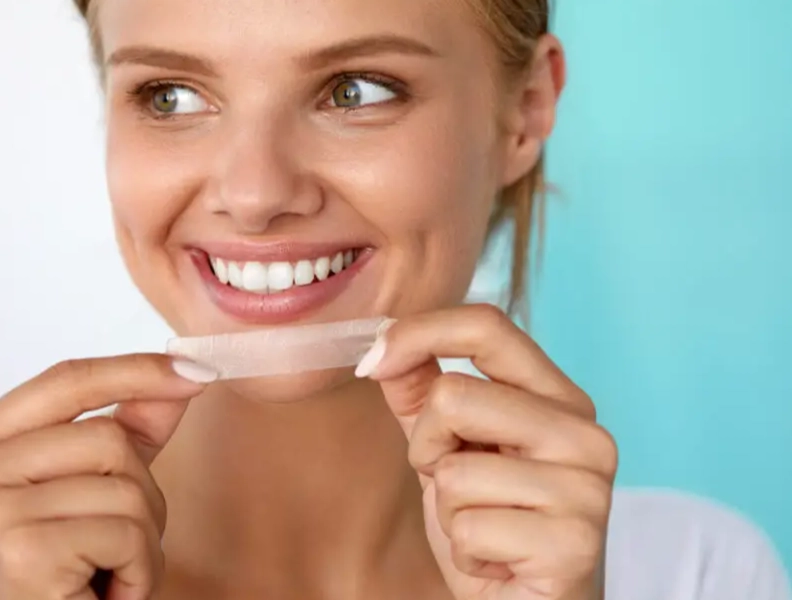
What's been your experience? Found a method that worked well for you without the crazy sensitivity? I'm always curious to hear what works for real people outside of all the ads and hype.