Quick Navigation
- Why Does a Salt Water Rinse Even Work for Tooth Pain?
- The Golden Rule: How Often to Use a Salt Water Rinse for Tooth Pain
- When to Adjust the Frequency: Your Personal Guide
- How to Make and Use the Rinse Correctly (Most People Get This Wrong)
- What a Salt Water Rinse Can and Cannot Do (Setting Realistic Expectations)
- Common Questions and Concerns (The Stuff You Actually Google)
- Putting It All Together: Your Action Plan
Let's talk about tooth pain. It's the worst, right? One minute you're fine, the next there's this throbbing, sharp sensation that makes it impossible to think about anything else. You're not about to run to the dentist for every little twinge (and let's be honest, sometimes you just can't get an appointment right away), so you reach for a home remedy. And the king of all home remedies for a sore mouth is the humble salt water rinse.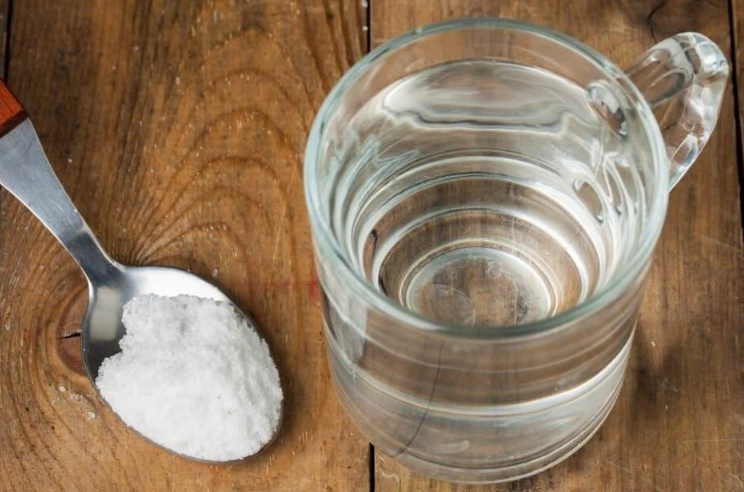
It's been recommended by grandmothers, dentists, and pretty much everyone in between. But here's the thing nobody really tells you clearly: how often should you actually do it? Is more always better? Can you overdo it? That's the real question behind searches like "salt water rinse for tooth pain how often," and it's a good one. Using it wrong might not help, and could even irritate things further.
I've been there. A stubborn wisdom tooth acting up on a weekend. The salt water rinse was my go-to, but I found myself swishing every hour, wondering if I was helping or just making my mouth taste like the ocean. It took some digging and talking to a dentist friend to get the straight story.
So let's break it down, without the fluff. This isn't just about repeating "rinse two to three times a day." We're going to look at why that's the magic number, what changes it, how to do it properly, and when you need to put the salt down and pick up the phone to call a professional.
Why Does a Salt Water Rinse Even Work for Tooth Pain?
Before we get to frequency, it helps to know what you're actually doing. It's not magic, it's simple science and it's surprisingly effective for a few key reasons.
First, it's an osmotic thing. A salt solution (saline) has a higher concentration of salt than the fluid in your swollen tissues. This creates a kind of suction that pulls excess fluid out of the gums, reducing that puffy, throbbing inflammation that's causing so much pain. Think of it like drawing out the swelling.
Second, it's a great cleanser. It can flush out bits of food stuck in a cavity or around irritated gums. That debris is a buffet for bacteria, and removing it helps calm things down. The rinse also temporarily creates a more alkaline environment in your mouth, which some of the bad bacteria don't like as much.
Third, it promotes healing. Gentle saline solutions are known to aid the healing of soft tissues. The American Dental Association notes that warm salt water can help soothe mouth injuries and irritations. It's not a cure for an infection, but it creates a cleaner, calmer environment for your body to do its repair work.
So it's a triple threat: reduces swelling, cleans debris, and aids healing. No wonder it's so popular.
The Golden Rule: How Often to Use a Salt Water Rinse for Tooth Pain
Alright, here's the core answer you came for. The standard, widely recommended frequency for a salt water rinse for tooth pain how often is 2 to 3 times per day.
This isn't a random number. It strikes a balance between providing consistent relief and giving your mouth tissues a break. Think of it like applying a warm compress to a sore muscle—you do it in sessions, not constantly.
Why 2-3 Times a Day is the Sweet Spot
Rinsing after meals (especially breakfast and dinner) is ideal. This timing serves a dual purpose: it directly addresses the pain and inflammation, and it cleanses the mouth of food particles that could exacerbate the problem. A third rinse might be at bedtime, which helps create a clean environment for overnight healing.
Rinsing more frequently than this—say, every hour—can start to backfire. The tissues in your mouth are delicate. Over-exposure to even a mild salt solution can have a drying effect and potentially disrupt the natural, healthy balance of your oral microbiome. You might end up with a dry, irritated feeling on your cheeks and gums, which adds a new problem on top of the old one.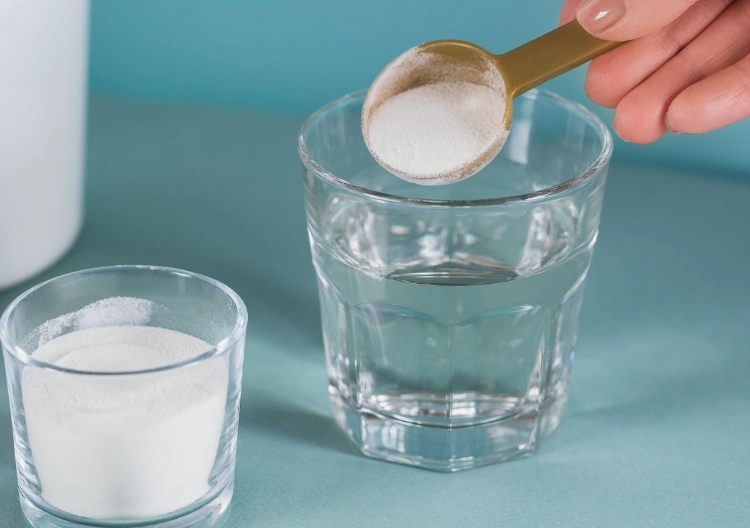
The goal is therapeutic, not constant immersion.
When to Adjust the Frequency: Your Personal Guide
"2 to 3 times a day" is the baseline, but your mouth isn't a machine. You need to listen to it. Here’s when you might tweak that salt water rinse frequency for tooth pain.
| Situation | Recommended Frequency | Reason & Notes |
|---|---|---|
| Right after a dental procedure (e.g., extraction, deep cleaning) | Start 24 hours after, then 3-4 times daily (especially after eating) for the first 3-5 days. | Your dentist will give specific instructions. The goal is to keep the surgical site clean without dislodging the blood clot. Gentle rinsing is key. |
| For a minor canker sore or gum irritation | 2-3 times daily is perfect. | This is the standard, effective protocol. Consistency is more important than frequency here. |
| During a mild gum flare-up (gingivitis) | 2 times daily, as an adjunct to perfect brushing and flossing. | The rinse helps reduce inflammation, but it's not a substitute for removing plaque. Don't let rinsing fool you into neglecting the real cleaning. |
| If the pain is severe and constant | Stick to 3 times daily. Do NOT increase. | Severe, constant pain is a major red flag for a serious infection (abscess). More rinsing won't fix it. This is your signal to see a dentist immediately. |
| If your mouth feels dry or more irritated after rinsing | Reduce to 1-2 times daily. Check your salt concentration. | You might be using too much salt or rinsing too vigorously. Scale back and ensure you're using the correct recipe below. |
See? It's not one-size-fits-all. The condition dictates the approach. The most common mistake I see is people thinking "if three times is good, six must be better" for severe pain. It's not. It's a sign you need professional help, not more salt water.
How to Make and Use the Rinse Correctly (Most People Get This Wrong)
Frequency is useless if your technique is off. Here’s the foolproof method.
The Perfect Salt Water Recipe
- What you need: Warm water (not hot!), table salt or sea salt, a clean cup.
- The Ratio: 1/2 teaspoon of salt to 1 cup (8 ounces) of warm water. This is non-negotiable. More salt does not mean more healing—it means a harsher solution that can burn and dehydrate your tissues.
- Mixing: Stir until the salt is completely dissolved. Undissolved salt crystals can be abrasive.
Why warm water? It helps dissolve the salt completely and is generally more soothing to sensitive tissues than cold water. Hot water is a no-go—it can scald and increase inflammation.
The Right Rinsing Technique
- Take a comfortable sip of the solution—don't fill your mouth to bursting.
- Swish gently. I can't stress this enough. Don't gargle violently or create a hurricane in your mouth. The goal is to bathe the sore area, not assault it. Think gentle agitation.
- Concentrate the flow around the painful tooth or area. Tilt your head slightly to let it pool there.
- Continue for 30 seconds. Time it. Under 15 seconds isn't enough contact time; over a minute is overkill and increases the drying effect.
- Spit it out into the sink. Do not swallow it. While a little won't hurt you, it's not pleasant and you're spitting out loosened debris and bacteria.
- Do not rinse with plain water afterward. You want the mild saline film to remain on your tissues for a while to continue its work.
It sounds simple, but the "gentle" and "30-second" parts are where most people drift. A vigorous 10-second swish is far less effective than a gentle 30-second bath.
What a Salt Water Rinse Can and Cannot Do (Setting Realistic Expectations)
This is crucial for managing your own expectations and knowing when to seek help.
What it CAN do (and does well):
- Provide temporary relief from pain and throbbing by reducing inflammation.
- Clean out food particles from a cavity or gum pocket.
- Soothe minor irritations from canker sores, braces, or ill-fitting dentures.
- Promote healing of minor soft tissue injuries or after dental work.
- Act as a helpful, temporary measure until you can see a dentist.
What it CANNOT do:
- Cure a tooth infection or abscess. This is the biggest misconception. If the pulp inside your tooth is infected or you have an abscess (a pocket of pus), the bacteria are inside the tooth or deep in the bone. No amount of surface rinsing can reach them. This requires antibiotics and dental treatment like a root canal or extraction.
- Heal a cavity. It can clean it and soothe the surrounding gum, but the hole in the tooth remains and will continue to decay.
- Replace professional dental care. It's a first-aid measure, not a treatment plan.
- Pain that is severe, throbbing, and keeps you awake.
- Swelling in your cheek, jaw, or under your eye.
- Fever, chills, or a general feeling of being unwell.
- A bad taste in your mouth that doesn't go away after rinsing.
- Pain that persists for more than 1-2 days despite regular rinsing.
Common Questions and Concerns (The Stuff You Actually Google)
You might also wonder about using it for a sore throat. It works on the same principle—reducing inflammation in the throat tissues. The frequency is similar: 2-3 times a day with a gentle gargle.
Putting It All Together: Your Action Plan
So let's synthesize everything. You wake up with a toothache. Here's your game plan, step-by-step.
- Assess the Pain. Is it a dull ache from a popcorn hull stuck in your gum? Or a severe, pounding pain with swelling? If it's the latter, skip the home remedy and call the dentist.
- Mix Correctly. 1/2 tsp salt in 1 cup of warm water. Stir well.
- Rinse Gently. After breakfast, take a sip, swish softly around the painful area for 30 seconds, and spit.
- Stick to the Schedule. Plan your next rinse for after dinner, and maybe a third one before bed. That's your 2-3 times daily.
- Monitor. Does the pain lessen over 24 hours? Great, continue for another day or two. Does it get worse, or swell, or cause a fever? Stop and call the dentist.
- Don't Neglect the Cause. Use the rinse for relief, but remember it's not fixing the underlying problem—a cavity, cracked tooth, or infection. Make that dental appointment to address the root cause.
The question of salt water rinse for tooth pain how often boils down to this: consistency over intensity. Regular, gentle sessions are far more powerful than frantic, frequent ones.
It's a fantastic tool. It's cheap, safe, and effective for what it's designed to do—provide temporary comfort and cleanliness. But it has limits. Knowing those limits, and respecting the simple guidelines on frequency and technique, turns it from a folk remedy into a genuinely useful part of managing dental discomfort.
Your mouth will thank you for the gentle care. And if the pain doesn't back down, your dentist will be ready to help with the bigger guns.