You brush, you floss, maybe you even use a fancy mouthwash. But if your diet is missing key minerals, you're fighting a losing battle for strong teeth. I've seen it in my practice—patients with impeccable hygiene still dealing with sensitivity and weak enamel. The secret isn't just in your bathroom cabinet; it's on your plate. Teeth are living, mineralized structures, and they need constant nutritional support to resist decay and stay resilient.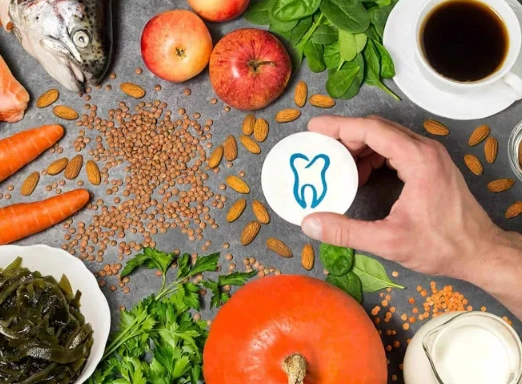
What’s Inside: Your Quick Guide
What Are Your Teeth Made Of? It’s Not Just Bone
Think of a tooth like a fortified castle. The outer wall, the enamel, is the hardest substance in your body. It's about 96% mineral—primarily a crystal called hydroxyapatite, which is made of calcium and phosphate. Underneath is the dentin, which is still about 70% mineral. This isn't static rock. It's a dynamic landscape where minerals are constantly lost (demineralization) from acid attacks (from plaque bacteria and acidic foods/drinks) and then redeposited (remineralization) from your saliva and, crucially, from what you eat and drink.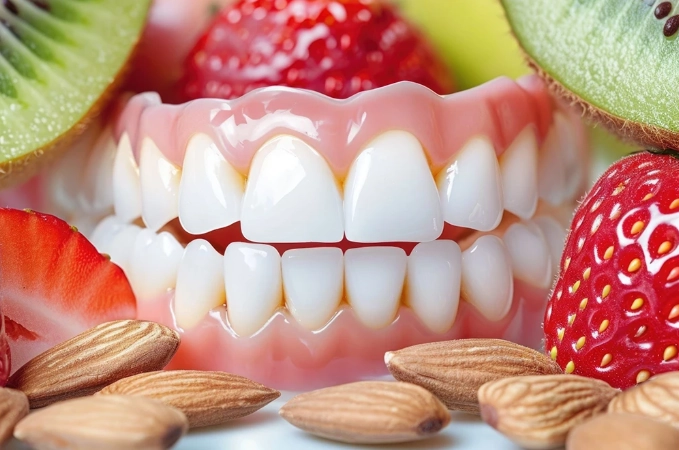
When demineralization outpaces remineralization, you get a cavity. The goal of dental nutrition is to tip the scales firmly in favor of rebuilding.
The Key Minerals Your Teeth Crave (And Why)
It's a team effort. No single mineral works in isolation. Here’s the lineup of essential players.
Calcium: The Foundation
The main building block. Without adequate calcium, your body can't maintain strong enamel or jawbone density. But here’s the nuance everyone misses: consuming calcium alone isn't enough. It needs partners to get where it needs to go.
Phosphorus: Calcium’s Essential Partner
Phosphorus combines with calcium to form hydroxyapatite crystals. It’s the other half of the equation. A diet low in phosphorus hampers your ability to use calcium effectively for tooth repair. Good news? It's abundant in protein-rich foods.
Magnesium: The Unsung Regulator
This is my favorite to talk about because it's so overlooked. Magnesium helps regulate how calcium is transported and used in the body. It also influences the formation of healthy enamel crystals. Without enough magnesium, calcium can deposit in soft tissues or form weaker, more acid-soluble crystals. A study in the Journal of the American College of Nutrition has suggested links between magnesium deficiency and higher rates of periodontal disease.
Vitamin D: The Director
Not a mineral, but absolutely critical. Vitamin D acts like a foreman on a construction site. It dramatically increases the absorption of calcium and phosphorus from your gut into your bloodstream. Without sufficient Vitamin D, much of the calcium you consume just passes through. Sun exposure is the primary source, but dietary sources are important, especially in winter.
Fluoride: The Reinforcer
Fluoride integrates into the hydroxyapatite crystal structure, forming fluorapatite. This new crystal is significantly more resistant to acid erosion. It's the ultimate topical defender. While systemic fluoride (from water or supplements during childhood development) is important, the daily topical application via toothpaste is non-negotiable for ongoing protection. The American Dental Association has extensive resources on its efficacy.
Trace Minerals: The Supporting Cast
Think of these as specialist workers. Zinc is vital for immune function in the gums and is a component of saliva. Iron deficiency can lead to mouth sores and inflammation. Potassium improves bone mineral density, supporting the jaw.
Beyond Supplements: Getting Minerals From Your Diet
Pills are a backup plan, not the primary strategy. Food provides minerals in their natural, bioavailable forms, packaged with other nutrients that aid absorption. Let's get specific.
| Mineral | Top Food Sources (Think: Real Food First) | Daily Goal (Adults, approx.) |
|---|---|---|
| Calcium | Plain yogurt, kefir, cheese (especially hard cheeses), sardines with bones, canned salmon, fortified plant milks, tofu (set with calcium), kale, bok choy, almonds. | 1000-1200 mg |
| Phosphorus | Found in most protein sources: poultry, pork, seafood, eggs, nuts, seeds, beans, lentils, whole grains. | 700 mg |
| Magnesium | Spinach, Swiss chard, pumpkin seeds, almonds, black beans, avocado, dark chocolate (70%+), bananas. | 310-420 mg |
| Vitamin D | Fatty fish (salmon, mackerel), egg yolks, liver, fortified milk or orange juice. Sunlight is #1. | 600-800 IU (15-20 mcg) |
See how many foods overlap? A meal of grilled salmon (Vitamin D, phosphorus) with a side of sautéed spinach (magnesium) and a yogurt sauce (calcium) is a powerhouse for your teeth.
What a "Tooth-Healthy Mineral Plate" Looks Like
Imagine your plate. Dedicate a quarter to a quality protein like chicken or lentils (phosphorus, zinc). Half the plate should be non-starchy vegetables—a mix of dark leafy greens (magnesium, calcium) and colorful options. Include a serving of a calcium-rich food like a slice of cheese or a small cup of kefir. Finish with a piece of fruit like a banana (magnesium, potassium). Drink water, preferably fluoridated.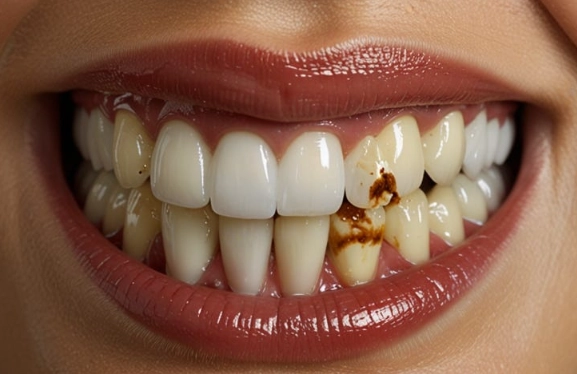
That simple framework does more for your long-term dental health than any magic pill.
The Synergy Principle & Common Mistakes to Avoid
Minerals interact. Consuming them in isolation through supplements can sometimes cause more harm than good. Here’s what you need to know to navigate effectively.
1. Don't Isolate Calcium. Taking high-dose calcium carbonate supplements without food (or without Vitamin D and K2) can lead to poor absorption and potential issues. Food sources are almost always better balanced.
2. The Phosphorus Trap. While phosphorus is essential, the modern diet is often flooded with it from processed foods and sodios (in the form of phosphoric acid). Excessive phosphorus, especially without adequate calcium, can actually leach calcium from bones and teeth. Another reason to ditch soda.
3. Magnesium Deficiency is Sneaky. Stress, certain medications, and poor soil quality can deplete magnesium. Symptoms include muscle cramps, anxiety, and trouble sleeping. If your diet is low in leafy greens, nuts, and seeds, you might be falling short, undermining all your other dental nutrition efforts.
4. Fluoride is Topical, Not Just Systemic. The benefit of fluoride for adults is overwhelmingly from direct contact with teeth. Don't skip fluoridated toothpaste thinking your water has enough. That topical application is irreplaceable for daily repair.
From Knowledge to Action: A Practical Approach
Let’s make this real. You don’t need a biochemistry degree, just a few tweaks.
Start with one meal. Tomorrow, add a handful of spinach to your eggs (magnesium). Swap your afternoon chips for a small handful of almonds (calcium, magnesium). Choose plain yogurt over a sugary snack.
Rethink your beverages. Swap one soda or juice for water or milk (or fortified plant milk). Herbal tea is another good option.
Get your levels checked. At your next physical, ask your doctor about checking Vitamin D, calcium, and magnesium levels. It’s data that can guide you far better than guesswork.
Don't forget the basics. All the minerals in the world won't save teeth constantly bathed in acid. Limit sugary and acidic food/drink frequency. If you have something acidic, rinse with water and wait 30 minutes before brushing.
It’s a lifestyle, not a quick fix. But the payoff—stronger teeth, fewer cavities, better overall health—is worth it.