Let's be honest. Most advice on keeping gums healthy sounds the same. "Brush twice a day, floss, see your dentist." It's not wrong, but it's not the whole story. I've been a dentist for over a decade, and the patients with the most stubborn gum problems are often the ones trying the hardest—but making a few critical, subtle mistakes. This isn't about adding more steps to your routine. It's about doing the right steps, the right way. Think of it as upgrading your technique from a blunt club to a precision scalpel.
Healthy gums are the foundation for everything. They're the cushion, the seal, the support system for your teeth. Ignore them, and you're building a house on sand, no matter how white your teeth are. So, let's move beyond the basics and into what actually works.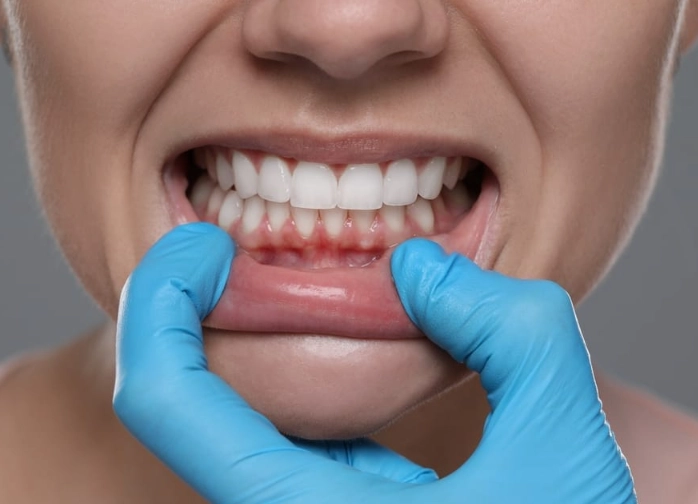
What You'll Find in This Guide
How to Brush Your Teeth Without Harming Your Gums
This is the most common error I see. People equate "clean" with "scrubbed." They use a hard-bristled brush and scrub sideways like they're cleaning grout. This is a disaster for gum tissue.
I had a patient, Mark, a dedicated runner with great discipline. He brushed vigorously three times a day with a firm brush. His teeth looked clean, but his gums were receding, causing sensitivity. He was literally brushing his gums away. We switched his technique, and the recession stopped.
The right way is the Bass Technique:
- Angle is everything: Tilt your brush at a 45-degree angle so the bristles point into the gumline, where plaque hides.
- Use gentle wiggles, not big sweeps: Make short, back-and-forth vibratory motions. You're trying to dislodge plaque, not scour enamel.
- Soft bristles only: A soft-bristled brush cleans effectively without causing abrasion. The American Dental Association recommends soft bristles.
- Let the tool do the work: If you use an electric brush, don't press and scrub. Hold it at the angle and guide it along, letting the oscillation or sonic movement do the cleaning.
My non-consensus take: Spend more time on fewer teeth. Don't mindlessly brush for two minutes. Focus on 30 seconds of perfect, angled technique on your lower front teeth and your upper molars—these are the most common plaque hideouts and recession zones. Quality over frantic quantity.
Flossing: The Make-or-Break Habit for Gum Health
Brushing cleans about 60% of your tooth surfaces. Flossing gets the other 40%—the sides where teeth touch and, crucially, just under the gumline. Skipping flossing is like washing only the front of a dish.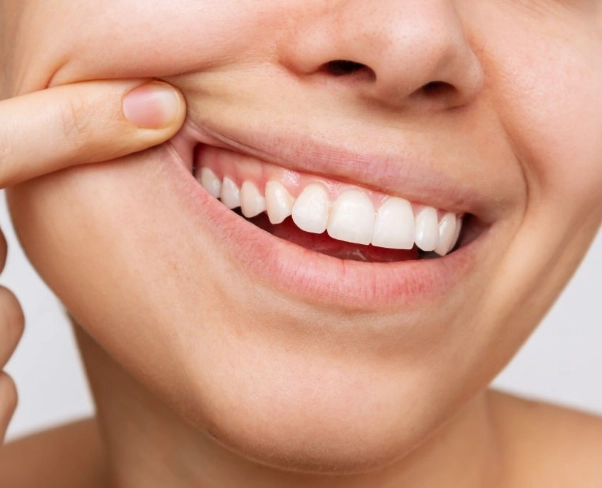
You're Probably Doing It Wrong
Snapping the floss down between teeth and yanking it back up? That traumatizes the delicate gum papilla (the triangle of gum between teeth).
Correct technique: Gently guide the floss down using a rocking motion. Once below the gum contact point, hug the side of one tooth in a C-shape and slide it up and down a few times. Then, hug the adjacent tooth and repeat. Use a fresh section of floss for each gap.
What if your gums bleed? This is critical. Bleeding is a sign of inflammation caused by bacteria. Stopping flossing because it bleeds is like not cleaning a wound because it hurts. Gentle, consistent flossing will usually make the bleeding stop within 1-2 weeks as the inflammation subsides. If it persists, that's your signal to see a dentist.
Floss Picks, Water Flossers, and Interdental Brushes
Let's get practical. Traditional floss is gold standard, but the best tool is the one you'll use.
- Floss Picks: Great for convenience and reaching back teeth. The downside? You're often just dragging bacteria from one space to the next if you don't rinse the pick.
- Water Flossers: Fantastic for people with braces, bridges, or deep pockets. Research in the Journal of Clinical Dentistry shows they're highly effective at reducing gingivitis. But they are an adjunct, not a replacement for mechanical cleaning (floss or brushes). Use them after brushing.
- Interdental Brushes: If you have larger spaces between teeth or gum recession, these tiny brushes are often more effective and easier to use than floss.
The Connection Between Your Diet and Your Gums
You can't out-brush a bad diet when it comes to gum health. The bacteria that cause gum disease are fueled by sugars and refined carbohydrates. But it's more nuanced than just avoiding candy.
Chronic inflammation is the enemy of healthy gums. A diet high in processed foods, seed oils, and sugar promotes systemic inflammation, making your gums more susceptible to infection and slower to heal. Conversely, anti-inflammatory foods help create a resilient oral environment.
The stealthy culprit: Acidic drinks—diet soda, sparkling water with citrus, sports drinks, lemon water. Acid softens enamel, but it also irritates gum tissue. Sipping them throughout the day creates a constant acidic bath. Have them with meals and rinse with water afterward.
Foods that actively support gum health:
- Vitamin C-rich foods: Bell peppers, broccoli, strawberries, kiwi. Vitamin C is essential for collagen production, which holds your gums tightly to your teeth. A deficiency (scurvy) famously causes gums to bleed and teeth to fall out.
- Omega-3 fatty acids: Found in fatty fish (salmon, mackerel), walnuts, flaxseeds. They have potent anti-inflammatory effects. Studies, like those referenced by the National Institutes of Health, link higher omega-3 intake with lower rates of periodontitis.
- Crunchy vegetables: Celery, carrots, apples. Their fibrous texture provides a gentle cleansing action and stimulates blood flow to the gums.
- Green tea: Contains catechins, antioxidants that have been shown to suppress the growth of bacteria associated with gum disease.
When Healthy Gums Tips Aren't Enough: Signs You Need a Dentist
Home care is 90% of the battle, but some problems require professional intervention. Ignoring these signs is like ignoring a check-engine light.
Persistent bleeding after 2 weeks of proper flossing isn't normal. Gums that are consistently red, swollen, or tender are shouting for help. Receding gums making your teeth look longer, or persistent bad breath that mouthwash can't mask, are major red flags.
The big one people miss: a tooth that feels slightly loose, or a change in how your teeth fit together when you bite. This can indicate bone loss from advanced gum disease (periodontitis). This is not a DIY situation. A dentist or periodontist needs to assess the damage below the gums, which involves measuring "pocket depths" around each tooth.
Professional cleanings (prophylaxis) are for maintenance. If you have active gum disease, you may need a deeper cleaning called scaling and root planing. This isn't a punishment; it's a medical procedure to clean the infected root surfaces under the gums so your body can heal.