You've seen the pictures. Perfectly aligned smiles, dramatic jawline changes, life-transforming confidence. The "after" shots are everywhere. But what about the "before"? And more importantly, what about the messy, sometimes uncomfortable, always detailed during? That's the part most guides gloss over. Having worked with hundreds of patients through their orthodontic journeys, I can tell you the middle part is where success is really built—or lost.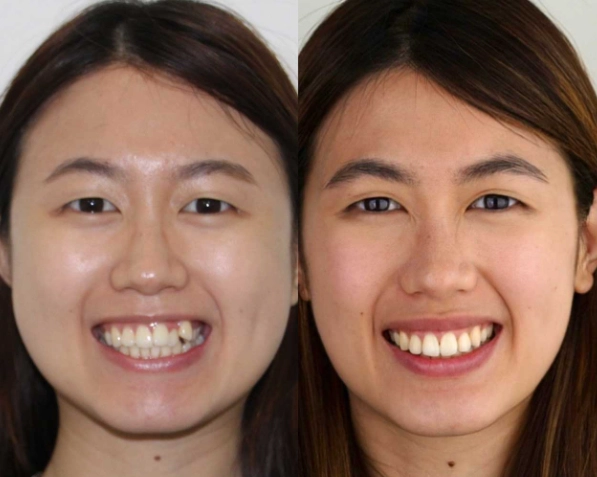
This isn't just about straight teeth. It's a multi-year project involving biology, mechanics, and a significant dose of personal commitment. Let's pull back the curtain on the entire process, from that first consultation to the day you finally get your retainers.
Your Journey at a Glance
Phase 1: The Consultation & Decision (Weeks 1-4)
This is where your journey solidifies. You're not just shopping for a product; you're choosing a clinical partner for the next few years.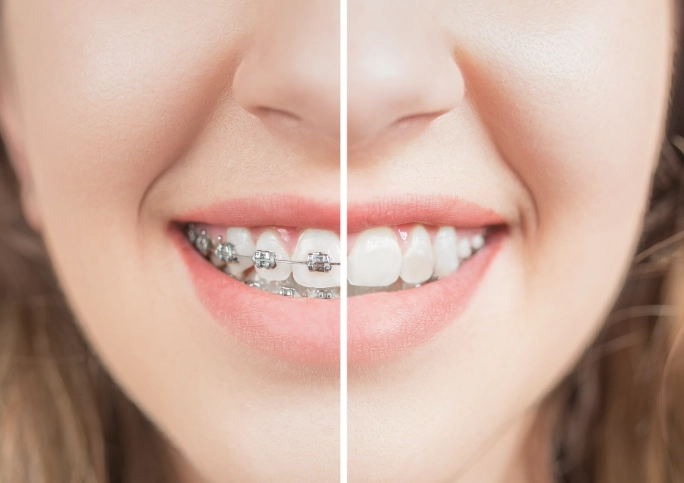
At a thorough consultation, expect more than a quick look in your mouth. A good orthodontist will take diagnostic records: photos of your face and teeth, X-rays (like a panoramic or cephalometric film), and likely a 3D digital scan or physical impressions of your teeth. These records allow them to analyze your bone structure, tooth roots, and jaw relationships—things you can't see just by looking at crooked teeth.
Here's what you should walk out with:
- A Clear Diagnosis: Not just "crowding," but something like "Class II malocclusion with moderate crowding and a deep overbite."
- Specific Treatment Options: For the diagnosis above, options might include traditional braces, clear aligners (like Invisalign), or perhaps a combination with other appliances. Each option should come with its own pros, cons, and estimated timeline.
- A Visual Preview: Many practices now use software to show a simulated "after" result. For clear aligners, this is a step-by-step ClinCheck video. For braces, it might be a digital projection. This is your roadmap.
- A Detailed Cost Breakdown: All fees, payment plan options, and what your insurance might cover. Get this in writing.
One tip most miss: Ask to see "before and after" cases similar to yours that the orthodontist has treated. A great result on a simple case doesn't guarantee expertise in handling your specific, more complex issue.
Phase 2: The Treatment Process (Months to Years)
This is the active phase. Mechanics are applied, and teeth start moving.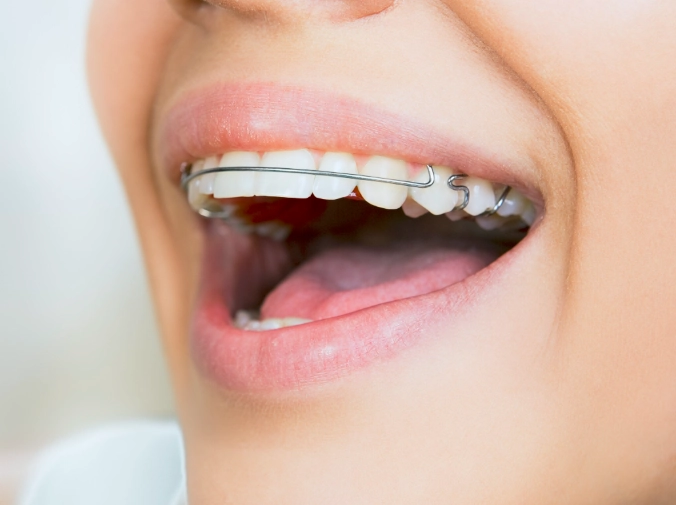
What Really Happens During Orthodontic Treatment?
Bone remodeling. That's the biological magic. When gentle, sustained pressure is applied to a tooth (via a bracket/wire or aligner), bone on the pressure side dissolves (resorption) and new bone forms on the tension side (deposition). The tooth moves. It's slow—about 1 mm per month is the safe max—which is why treatment takes time.
The method defines the experience. Let's compare the two main paths.
| Aspect | Traditional Braces (Metal/Ceramic) | Clear Aligners (e.g., Invisalign) |
|---|---|---|
| Appearance | Visible brackets and wires. Ceramic less noticeable. | Nearly invisible plastic trays. |
| Removability | Fixed. Only orthodontist can remove. | Removable for eating, drinking, cleaning. |
| Diet Restrictions | Significant. No hard, sticky, or crunchy foods. | None (when trays are out). |
| Oral Hygiene | More challenging. Requires special brushes. | Easy. Brush and floss normally. |
| Discomfort | General soreness after adjustments. | Tight pressure with each new set of trays. |
| Appointment Frequency | Every 4-8 weeks for wire tightening. | Every 6-12 weeks to pick up new trays. |
| Best For | Complex cases, precise root movement, younger patients. | Mild to moderate cases, disciplined adults. |
I've seen patients fail with aligners not because the technology was bad, but because they weren't honest with themselves about wearing them 22 hours a day. Braces, for all their annoyances, don't give you that choice.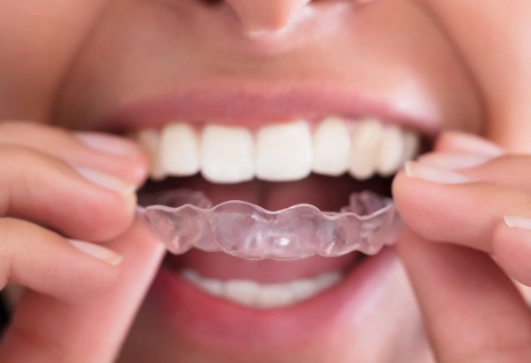
What Life is Really Like During Treatment
Let's get practical. The first week after getting braces or starting aligners is an adjustment period. Your mouth is sore, you're learning new cleaning routines, and speaking might feel odd.
For braces wearers: Stock up on soft foods (yogurt, mashed potatoes, smoothies), orthodontic wax (to cover pokey wires), and a water flosser. Your orthodontist isn't kidding about avoiding popcorn and whole apples—I've had to repair more brackets from "just one bite" than any other cause.
For aligner wearers: The discipline is real. You need a system. Always have your case. Set phone reminders. The biggest mistake? Leaving them in a napkin on a lunch table and throwing them away. It happens weekly in my practice.
Progress isn't always linear. Sometimes teeth move quickly, sometimes they stall. Mid-treatment, you might hit an "ugly duckling" phase where gaps appear or things look worse before they come together. This is normal, but it's a major psychological hurdle if you're not prepared for it.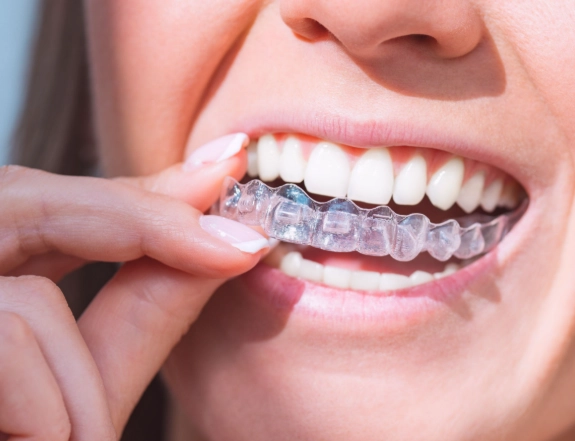
Phase 3: The "After" – Retention is Everything
Debond day! The braces come off, or you finish your last aligner. The smile looks incredible. This is the moment in all the photos.
And this is where the most critical, under-discussed part begins: retention.
Teeth have memory. They want to drift back toward their original positions (relapse). Your bone and gums need time to solidify around the new tooth positions. Retainers are not optional. They are a permanent part of your oral health routine, just like brushing.
Initially, you'll wear retainers full-time (just like braces) for about 6 months. Then, you transition to nightly wear... forever. Yes, forever. The American Association of Orthodontists (AAO) emphasizes that retention is a lifelong commitment. I've seen too many patients, years out, come back devastated because they stopped wearing their retainer and their teeth shifted.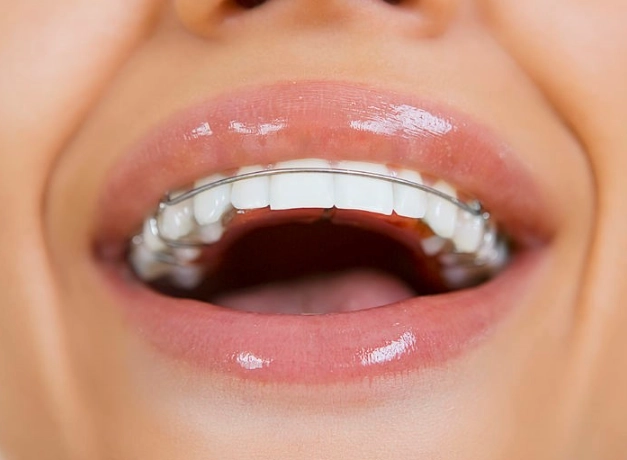
You'll typically get two types: a clear, removable Essix retainer (like a thin aligner) and a fixed, bonded wire retainer behind your front teeth. Use both as directed. The fixed wire protects against minor shifts 24/7, and the removable one ensures everything else stays put while you sleep.
Understanding the Investment: Cost & Value
Let's talk numbers, because it's a significant decision. In the U.S., comprehensive orthodontic treatment typically ranges from $3,000 to $8,000+. Factors include:
- Case Complexity: A simple spacing issue costs less than correcting a severe underbite.
- Treatment Type: Clear aligners and ceramic braces often cost more than traditional metal braces.
- Geographic Location: Costs are higher in major metropolitan areas.
- Orthodontist's Expertise: A specialist with extensive experience may charge more.
Most orthodontic offices offer flexible payment plans, often with low or no interest. Dental insurance may cover a portion (usually a lifetime maximum like $1,500-$2,000). Health Savings Accounts (HSAs) or Flexible Spending Accounts (FSAs) can also be used with pre-tax dollars.
View it as an investment in long-term oral health, not just cosmetics. Straight teeth are easier to clean, reducing lifelong risks of decay and gum disease. A proper bite reduces wear on tooth enamel and strain on jaw joints.
Your Top Questions Answered
The journey of orthodontics, from before to after, is a marathon, not a sprint. It requires a partnership between you and your orthodontist, patience, and a focus on the end goal. The dazzling "after" photos are real and achievable. But the true value is built in the daily details of the "during"—the careful brushing, the faithful retainer wear, the trust in the process. That's what gives you a smile that's not just straight, but truly healthy and built to last.