In This Guide
- Why Salt Water? It's Not Just Magic, It's Science
- The Perfect Salt Water Recipe: Getting the Details Right
- How to Use the Rinse for Maximum Effect
- What This Can and Cannot Do: Setting Realistic Expectations
- Comparing Your Options: Salt Water vs. Other Home Remedies
- The Big Picture: Salt Water as Part of Your Dental First Aid Kit
Let's be honest. A toothache has a special way of ruining everything. It's this deep, throbbing distraction that makes it impossible to think about anything else. You're searching for relief, and somewhere in your family's old home remedy playbook or a frantic online search, you've landed on the idea of a salt water rinse.
But then the questions start. How do you actually make it? Does it even do anything, or is it just an old wives' tale? What kind of salt? How much? Is hot water or cold water better?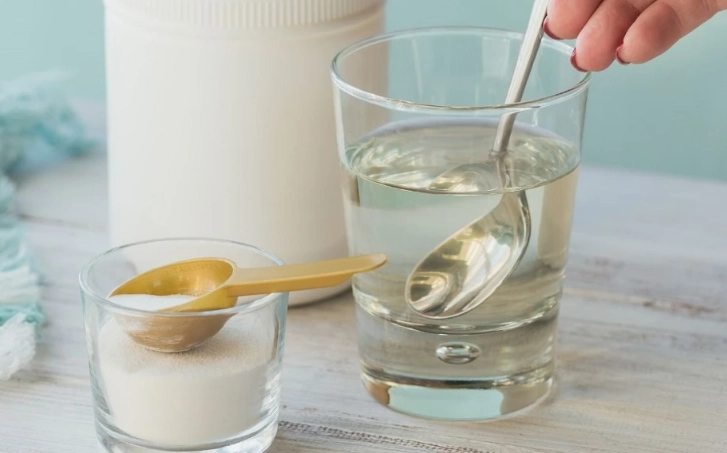
I've been there. Middle of the night, pain flaring up, and the pharmacy is closed. You're willing to try anything sensible. That's why I dug into this. Not just the "mix salt and water" part, but the *why* and the *how to do it right* part. Because doing it wrong is just a salty, useless mouthful.
This guide is for anyone who's typed "how to make salt water for toothache" into Google. We're going to break it down, step by step, and talk about what it can and absolutely cannot do for you.
Why Salt Water? It's Not Just Magic, It's Science
Before we get to the recipe, it helps to know why you're doing this. It feels less like a shot in the dark.
A salt water rinse works through a process called osmosis. In simple terms, a saline solution (that's just a fancy word for salt water) has a higher concentration of salt than the fluids inside your cells and the bacteria causing trouble in your mouth. This difference in concentration creates a sort of suction.
The Science in Plain English: The salty water draws fluid out of swollen tissues and bacteria. For your gums, this means reduced swelling and pressure on the nerve, which is a huge part of the pain. For bacteria, it dehydrates and disrupts them, helping to clean the area.
It's a mild antiseptic. It won't nuke an infection like a prescription antibiotic, but it creates an environment that's less friendly to the bugs making things worse. The American Dental Association (ADA) acknowledges salt water rinses as a gentle way to soothe minor mouth irritations. You can see their general advice on oral hygiene and soothing rinses on their public-facing MouthHealthy site, which is a fantastic resource I often check.
So, it's not a cure. If you have a cavity, an abscess, or a cracked tooth, the salt water isn't fixing that. But it can be a fantastic, simple, and cheap way to manage the symptoms—the swelling and the gunk around the problem area—until you can see a dentist.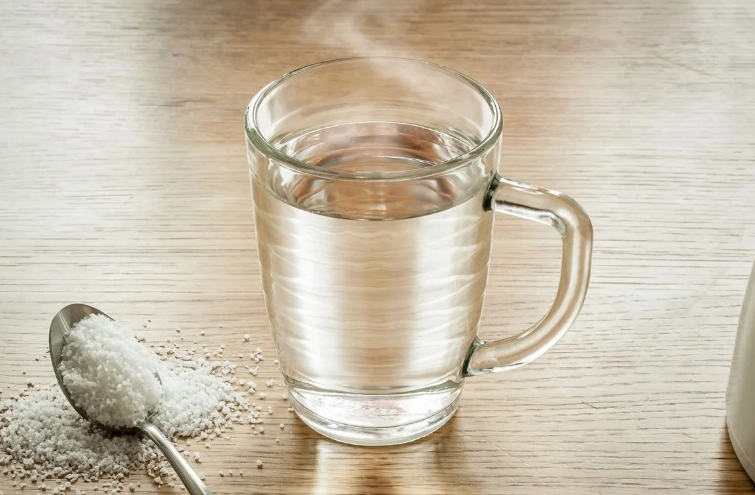
The Perfect Salt Water Recipe: Getting the Details Right
This is the core of it. Getting the ratio wrong means either no effect or a mouthful of ocean that makes you gag. Here’s the gold standard method for how to make salt water for toothache relief.
What You'll Need
- Warm Water: About 1 cup (8 ounces or 240 ml). The warmth is key—it helps the salt dissolve completely and is more soothing than cold water. Not hot enough to burn your mouth, though. Think "baby bottle warm."
- Salt: 1/2 to 1 teaspoon of non-iodized salt. Table salt is fine, but sea salt or kosher salt (without anti-caking agents if possible) can be less harsh. Iodized salt works in a pinch, but some people find it more irritating. The 1/2 teaspoon is a good start; you can go up to a full teaspoon if it feels comfortable.
- A clean glass for mixing.
Getting the temperature right is more important than you might think.
Step-by-Step Instructions
- Heat the Water: Gently warm your cup of water. You can use a kettle and let it cool, or use warm tap water if your tap gets sufficiently warm. Test it on your wrist like you would for a baby's milk. It should feel warm, not hot.
- Dissolve the Salt: Add your 1/2 teaspoon of salt to the warm water. Stir vigorously for 30 seconds or until you can't see any grains at the bottom. Undissolved salt crystals can be abrasive on sore gums.
- Let it Cool (if needed): If the water got a bit too hot, let it sit for a minute. The goal is a warm, comfortable temperature.
That's it. The basic mixture is dead simple. But the *application* is where people mess up.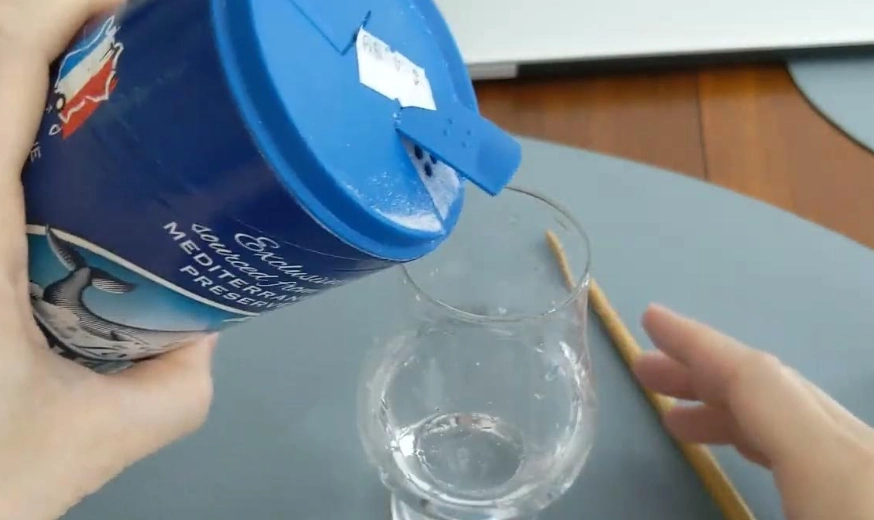
How to Use the Rinse for Maximum Effect
Swishing incorrectly is like taking medicine but spitting half of it out. Here’s how to do it right.
Take a comfortable mouthful of your prepared salt water. Don't overfill your mouth. Tilt your head slightly so the solution pools over the painful area. Now, swish gently. I mean gently. Aggressive swishing can sometimes aggravate the problem.
Think of it as bathing the area, not power-washing it.
Keep it going for 30 seconds. Time it. Most of us swish for about 5 seconds and think that's enough. Thirty seconds allows the osmosis process we talked about to actually work. After 30 seconds, spit the solution out into the sink. Do not swallow it.
Pro Tip: Try to avoid eating or drinking for 15-20 minutes after rinsing. This lets the soothing, anti-inflammatory effect linger on the tissue a bit longer.
You can repeat this process every 2-3 hours as needed, or after meals to help keep the area clean. For many people, understanding this precise method for how to make salt water for toothache management and applying it correctly is the difference between "meh" and noticeable relief.
What This Can and Cannot Do: Setting Realistic Expectations
This is the most important section. Misunderstanding this leads to disappointment and delayed treatment.
I made this mistake once. I had a dull ache, used salt water rinses diligently for two days, and felt better. I canceled my dental appointment. A week later, I was in agony with a full-blown abscess. The rinse had managed the symptoms beautifully, masking the underlying problem that was getting worse. Don't be like me.
What a Salt Water Rinse IS Good For (The Temporary Fixes):
- Reducing Gum Swelling: From food irritation, a minor injury, or the early stages of an infection.
- Soothing Mouth Ulcers or Canker Sores: It cleanses and can speed up healing.
- Loosening Food Debris: After a meal, it can help dislodge particles stuck near a cavity or in swollen gums, relieving pressure.
- Providing Temporary Pain Relief: By reducing swelling, it indirectly reduces pressure on the nerve.
- Cleaning After a Tooth Extraction: Dentists often recommend gentle salt water rinses 24 hours after an extraction to keep the socket clean. Always follow your dentist's specific post-op instructions over generic advice.
What a Salt Water Rinse CANNOT Do (The Permanent Solutions):
- Cure a Cavity: It cannot remineralize enamel or fill a hole. Once the tooth structure is compromised, you need a dentist.
- Cure an Abscess or Serious Infection: It cannot reach or kill a deep infection in the tooth's pulp or the surrounding bone. This requires antibiotics and root canal treatment or extraction.
- Fix a Cracked or Broken Tooth: It does nothing for the structural integrity of the tooth.
- Reverse Gum Disease (Periodontitis): While it can help with surface inflammation, it cannot remove tartar (calculus) below the gumline, which is the main culprit.
Red Flags - When to See a Dentist IMMEDIATELY: If your toothache is severe, lasts more than 1-2 days, is accompanied by fever, swelling in your face or cheek, trouble breathing/swallowing, or pus, a salt water rinse is not the answer. These are signs of a serious infection that can spread. You need professional dental care. The National Institute of Dental and Craniofacial Research (NIDCR) provides clear information on the signs of serious tooth decay and infection.
Common Questions & Troubleshooting
Comparing Your Options: Salt Water vs. Other Home Remedies
Salt water isn't the only player in the home remedy game. Here’s a quick, honest look at how it stacks up.
| Remedy | How It's Supposed to Work | Pros | Cons / My Take |
|---|---|---|---|
| Salt Water Rinse | Osmosis reduces swelling, cleanses area. | Extremely cheap, safe, ingredients always on hand, scientifically plausible, gentle. | Only temporary symptom relief. Doesn't address root cause. |
| Over-the-Counter Numbing Gel (e.g., Benzocaine) | Numbs the nerve endings directly. | Can provide stronger, faster numbness for severe pain. | Effect wears off quickly. Can cause allergic reactions in some. Not for young children. Just masks pain without any healing benefit. |
| Clove or Clove Oil | Eugenol in clove is a natural anesthetic/antiseptic. | Can be very effective for localized pain relief. | Very easy to misuse. Pure oil can burn gum tissue. Taste is overpowering for many. |
| Cold Compress (on cheek) | Constricts blood vessels, reduces swelling and inflammation. | Excellent for reducing external facial swelling from an abscess or injury. | Does nothing for the internal cause of the ache (like decay). |
| Garlic or Peppermint Tea Bag | Natural anti-inflammatory/antibacterial properties. | Some people swear by it. The warmth can be soothing. | Evidence is largely anecdotal. Can be messy. Effects are mild at best in my experience. |
See what I mean? The salt water rinse wins on safety, accessibility, and having a clear mechanism of action. It's my first-line go-to for *manageable* discomfort. For screaming pain, an OTC gel plus a cold compress might be needed to get you through the night, but the plan still must be: dentist, ASAP.
The Big Picture: Salt Water as Part of Your Dental First Aid Kit
Learning how to make salt water for toothache relief is a life skill, like knowing how to put on a bandage. It's a first-aid measure, not a treatment plan.
Think of your dental health in layers. At the base is daily brushing and flossing—non-negotiable. Then regular check-ups. The salt water rinse sits in the layer above that: a tool for minor, temporary setbacks and irritations.
It should never replace professional care. The goal of using this rinse is to buy yourself time and comfort to schedule and attend that crucial dental appointment. It's about managing a crisis, not solving it.
I keep sea salt in my medicine cabinet just for this purpose. It's saved me a lot of minor misery over the years. But it has also taught me to listen to my body. If the salt water stops working, or the pain breaks through it, that's my body's way of shouting that the problem is bigger than a home remedy can handle.
Your mouth is telling you something. A salt water rinse can help you listen more comfortably, but you still have to hear the message.
So, mix your half-teaspoon of salt into a cup of warm water. Swish gently. Feel that slight relief. And then, please, pick up the phone. Your future self will thank you for handling both the immediate comfort and the long-term solution.