Jump Straight to What Matters
Let's get straight to it. If you're only brushing your teeth and skipping your tongue, you're missing a huge chunk of oral hygiene. I learned this the hard way years ago when my dentist pointed out a thick white coating on my tongue during a check-up. I brushed twice a day, flossed occasionally, but my breath still wasn't great. Turns out, tongue cleaning was the missing link.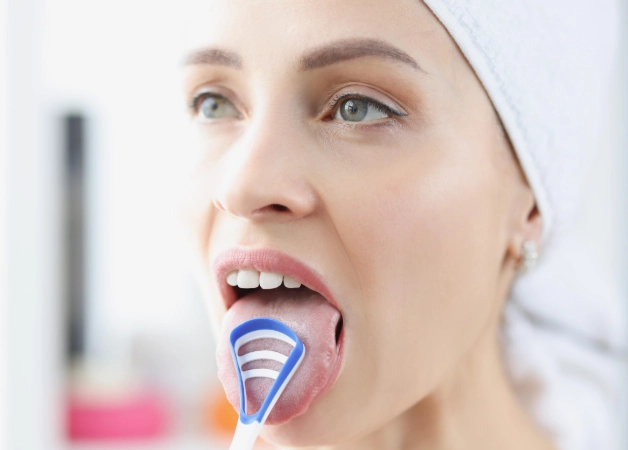
Tongue cleaning isn't just about scraping off gunk. It's about removing bacteria, dead cells, and food debris that build up on the tongue's surface. This buildup, often called tongue coating, can lead to bad breath, taste disturbances, and even contribute to gum disease. The American Dental Association notes that cleaning your tongue is a key part of oral care, yet many people overlook it or do it wrong.
Why Tongue Cleaning Matters More Than You Think
Your tongue is like a carpet for bacteria. It has tiny bumps called papillae that trap all sorts of stuff. When you don't clean it, that layer becomes a breeding ground for microbes. This isn't just about aesthetics; it's about health.
The Science Behind Tongue Coating
Research from the Journal of Periodontology shows that up to 50% of oral bacteria can reside on the tongue. These bacteria produce volatile sulfur compounds—that's what causes bad breath. I've seen patients who switched to tongue cleaning and within days noticed fresher breath. It's that direct.
Here's a quick breakdown of what's in tongue coating:
- Bacteria: Both good and bad types, but an overgrowth leads to issues.
- Dead cells: Your tongue sheds cells constantly.
- Food particles: Especially after meals with sugars or proteins.
- Fungi: Like Candida, which can thrive in neglected mouths.
Ignoring this is like mopping the floor but never cleaning the corners where dirt accumulates.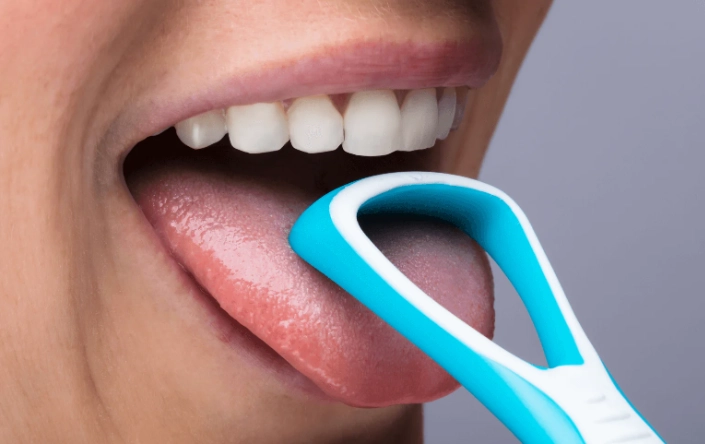
How to Clean Your Tongue Properly: A Step-by-Step Walkthrough
Most people rush through this or use too much force. Here's how I do it, refined over years of trial and error.
- Start with a clean mouth: Brush your teeth first to loosen debris.
- Stick out your tongue: Do it in front of a mirror so you can see what you're doing.
- Place the cleaner at the back: Gently position your tongue scraper or brush as far back as comfortable. Don't gag yourself—start slowly.
- Pull forward with light pressure: Use a steady motion from back to front. One pass per area is enough; no need to scrub repeatedly.
- Rinse the tool: After each pass, rinse it under water to remove the coating.
- Repeat 2-3 times: Until the tongue looks pinkish and clean.
- Rinse your mouth: Swish with water or mouthwash to flush out loosened particles.
Timing matters. I prefer doing it in the morning, as bacteria accumulate overnight. But if you have bad breath issues, evening cleaning can help too.
Pro tip from my experience: If you feel nausea when cleaning the back of your tongue, try exhaling slowly through your mouth as you scrape. It reduces the gag reflex. I learned this from an ENT specialist, and it's a game-changer.
Choosing the Right Tongue Cleaning Tool
Not all tools are created equal. I've tried dozens—some work great, others are just marketing gimmicks. Here's a quick comparison based on my testing.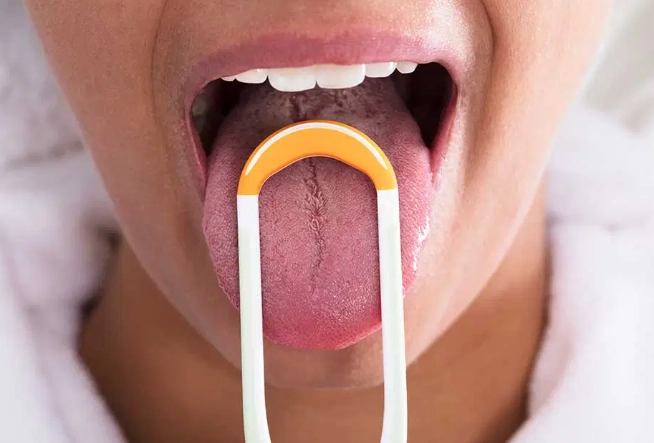
| Tool Type | Best For | My Rating (1-5) | Why It Works or Doesn't |
|---|---|---|---|
| Metal Tongue Scraper (e.g., copper or stainless steel) | Durability and effectiveness | 5 | Easy to clean, hygienic, and removes coating efficiently. Copper ones have antimicrobial properties, but they can be pricey. |
| Plastic Tongue Scraper | Beginners or budget options | 3 | Cheap and disposable, but less effective and can bend easily. I find they don't last long. |
| Toothbrush with Tongue Cleaner | Convenience | 4 | Good if you're short on time, but the bristles might not reach deep into tongue grooves. Some designs are better than others. |
| Silicone Tongue Brush | Sensitive tongues | 4 | Gentle and flexible, but may require more passes. I like it for kids or people with strong gag reflexes. |
My go-to is a stainless steel scraper. It's sturdy, easy to sanitize (just rinse with hot water), and lasts years. I bought one for $10 five years ago, and it's still going strong. Avoid fancy electric tongue cleaners—they're overkill and often break down.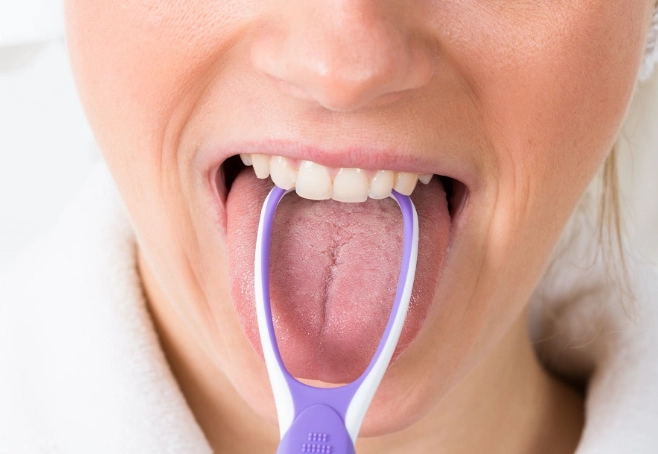
Common Tongue Cleaning Mistakes (And How to Avoid Them)
I've made these mistakes myself, and I see others do it too. Let's clear them up.
Mistake 1: Using too much pressure. Your tongue is delicate. Pressing hard can cause micro-cuts or irritation. I did this early on and ended up with a sore tongue for days. Light pressure is enough—think of it as gliding, not scraping.
Mistake 2: Cleaning only the front. The back of the tongue harbors more bacteria because it's harder to reach. Many people skip it due to gagging. But that's where the real problem lies. Start from the back and work forward.
Mistake 3: Not cleaning the tool properly. If you don't rinse the scraper between passes, you're just redistributing bacteria. Rinse under running water after each stroke.
Mistake 4: Doing it too infrequently. Once a day is minimum. For optimal results, especially if you have dry mouth or eat a lot of sugary foods, twice a day helps. I clean mine every morning after brushing.
Mistake 5: Ignoring other oral factors. Tongue cleaning alone won't fix everything. It works best with regular brushing, flossing, and hydration. I've seen people blame the tool when their diet is high in coffee or alcohol, which dries the mouth.
The Real Benefits of Regular Tongue Cleaning
Beyond fresh breath, the benefits stack up. Here's what I've observed in myself and others who stick with it.
- Improved breath: This is the most immediate effect. Studies in the International Journal of Dental Hygiene show tongue cleaning reduces volatile sulfur compounds by up to 75%. My partner noticed the difference within a week when I started.
- Enhanced taste: By removing coating, your taste buds can function better. Food tastes more vibrant. I remember eating a strawberry after thorough tongue cleaning—it was like tasting it for the first time.
- Reduced risk of cavities and gum disease: Bacteria on the tongue can migrate to teeth and gums. Cleaning it lowers the bacterial load, supporting overall oral health. The Mayo Clinic links poor tongue hygiene to plaque buildup.
- Better overall health: Oral health is connected to systemic issues like heart disease. While tongue cleaning isn't a cure-all, it's a preventive step. I think of it as a daily detox for my mouth.
- Confidence boost: Knowing your breath is fresh makes social interactions easier. It's a small habit with big psychological rewards.
I recommend tracking your progress. Take a before-and-after photo of your tongue (sounds weird, but it works). You'll see the coating reduce over time.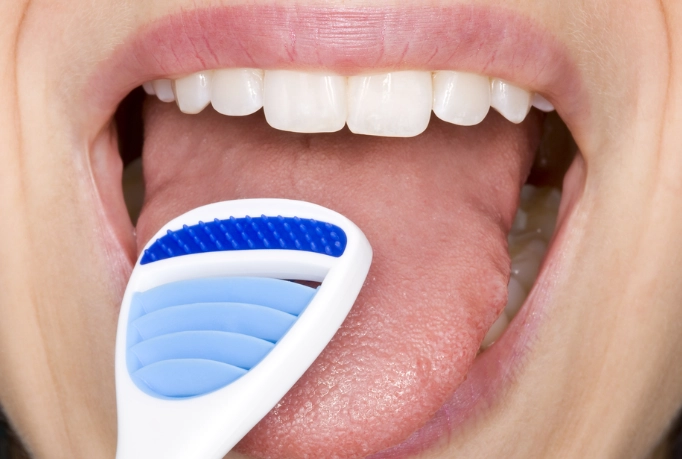
Your Tongue Cleaning Questions, Answered

Start today. Grab a simple tool, follow the steps, and give it a week. You'll likely notice a difference. Oral hygiene isn't just about teeth—your tongue deserves attention too. If you have specific health conditions, consult a dentist, but for most of us, this is a straightforward upgrade to our daily routine.