Your Quick Guide
- What Is a Deep Cleaning, Really?
- The Heart of the Matter: Analyzing Real Dental Deep Cleaning Reviews
- Your Decision Toolkit: How to Use Reviews to Choose the Right Provider
- The Nuts and Bolts: What to Actually Expect, Step-by-Step
- The Money Talk: Breaking Down the Cost of Deep Cleanings
- Long-Term: Life After a Deep Cleaning
- Frequently Asked Questions (The Stuff You're Secretly Searching)
- Final Thoughts: Navigating the World of Dental Deep Cleaning Reviews
So your dentist dropped the "D" word. Deep cleaning. Scaling and root planing. Periodontal therapy. It probably didn't sound like a fun time, and now you're here, scouring the internet for dental deep cleaning reviews to figure out what you're really in for. I get it. I was in your shoes a few years back.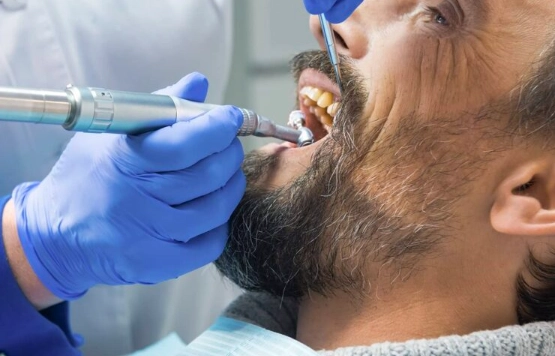
The thing is, reading those reviews can feel like a rollercoaster. One person says it was a breeze, barely felt a thing. The next describes it as a medieval torture session. Who do you believe? What's the actual truth about the pain, the cost, and the results?
Let's cut through the noise. This isn't a sales pitch from a dental office. We're going to dive deep into real patient experiences, unpack the good, the bad, and the ugly, and give you a honest, practical roadmap for everything from choosing a provider to recovering afterwards. Think of this as your one-stop guide, built from hundreds of deep teeth cleaning reviews and professional insights, to help you make a decision you feel good about.
The Bottom Line Up Front: For most people with gum disease, a deep cleaning is a necessary and effective procedure to save your teeth and health. It's often not as bad as the anxiety makes it out to be, but your experience heavily depends on your pain level, the skill of your hygienist, and proper numbing. The real value comes from stopping bone loss in its tracks.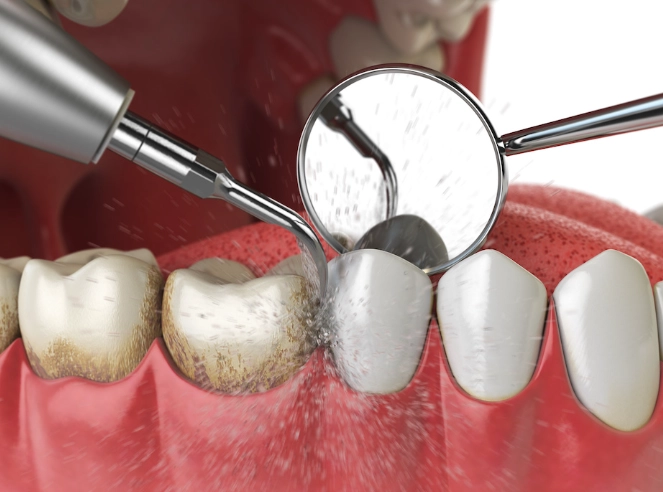
What Is a Deep Cleaning, Really? (It's Not Just a Fancy Polish)
First, let's clear up the biggest confusion. A regular cleaning (prophylaxis) is like cleaning the floor of your house. It's for maintenance when things are basically healthy. A dental deep cleaning, officially called scaling and root planing (SRP), is what you need when there's built-up grime and damage under the floorboards—specifically, tartar (calculus) and bacteria packed below your gumline, causing inflammation and bone loss. Your hygienist or dentist uses special tools to meticulously clean the roots of your teeth, smoothing them to help your gums reattach.
It's a therapeutic procedure, not preventive. If your dentist recommends it, they've likely measured "pockets" around your teeth that are deeper than 4mm, a sign of periodontitis. Ignoring it isn't an option unless you're okay with losing teeth down the line.
Why Your Regular Cleaning Won't Cut It
You can't brush or floss away tartar that's cemented below your gums. That bacteria factory keeps pumping out toxins, and your body's inflammatory response slowly eats away at the bone holding your teeth in. A regular cleaning simply can't reach it. The American Academy of Periodontology is pretty clear on this—active gum disease requires specific, deeper treatment.
Honestly, I was a bit offended when I was first told I needed one. I brushed! I thought. But genetics and missing a few flossing sessions (okay, more than a few) had caught up with me.
The Heart of the Matter: Analyzing Real Dental Deep Cleaning Reviews
This is what you came for. Let's break down the common themes from thousands of patient stories.
The Good: Positive Experiences and Outcomes
Many, many reviews are overwhelmingly positive after the fact. The relief often outweighs the discomfort. People report:
- Noticeable Health Improvement: Gums stop bleeding within weeks. That chronic, faint metallic taste disappears. Swelling and redness go down. This is the most consistent positive feedback across all scaling and root planing reviews.
- "It Saved My Teeth" Mentality: Once patients understand the alternative (tooth loss, complex surgery), they view the procedure as an investment. The phrase "I wish I'd done it sooner" is incredibly common.
- Minimal Discomfort with Good Numbing: Most say the worst part is the initial shots. After that, it's mostly pressure and scraping sounds. A skilled clinician makes all the difference.
- Long-Term Cost Savings: While not cheap upfront, it's far less expensive than implants, bridges, or bone grafts needed later.
My own hygienist put it bluntly: "We're not doing this to torture you. We're creating a clean slate so your body can actually heal." And she was right. The difference in how my gums felt a month later was night and day.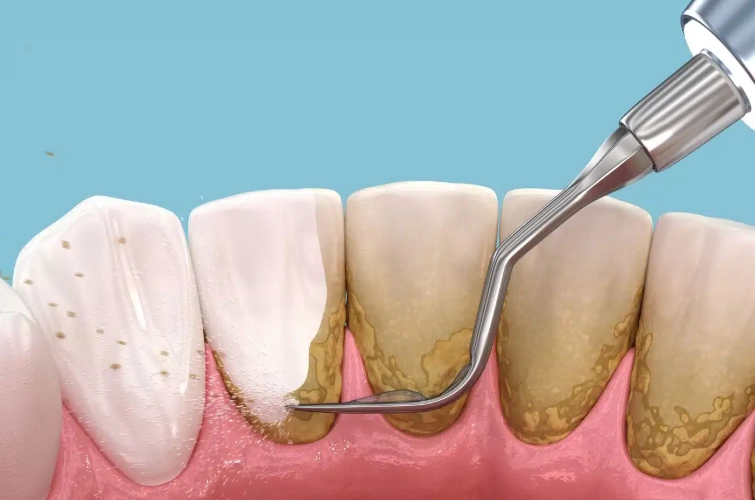
The Bad & The Ugly: Common Complaints in Negative Reviews
You can't ignore these. Negative dental deep cleaning reviews usually stem from a few key issues:
- Pain During the Procedure: This is almost always due to insufficient local anesthesia. Some practices try to do a whole quadrant with just a few shots, or the anesthetic doesn't have time to fully set in. A big red flag in reviews is "I felt everything." That shouldn't happen.
- Post-Procedure Pain and Sensitivity: This is normal, but its intensity varies. Some people just have sore gums for a day. Others have significant tooth sensitivity to hot and cold for several weeks as the roots, now exposed after gum inflammation goes down, adjust. Reviews that don't warn about this possibility set unrealistic expectations.
- Sticker Shock: The cost is a major pain point. Without insurance, SRP can cost $1000-$2000 or more for a full mouth. Many reviews express anger at the price, often because they weren't prepared for it.
- Feeling "Upsold": Some patients are skeptical, wondering if they truly need it or if the dentist is just chasing insurance money. This distrust poisons the whole experience.
- Multiple Long Appointments: It's typically split into two 90-minute sessions (one for each side of the mouth). That's a big time commitment, and sitting with your mouth open that long is genuinely uncomfortable for anyone.
A Critical Point: The worst reviews often come from people who had a bad provider, not necessarily a bad procedure. A rushed, insensitive, or unskilled hygienist can turn a manageable experience into a traumatic one. This is why researching your provider is half the battle.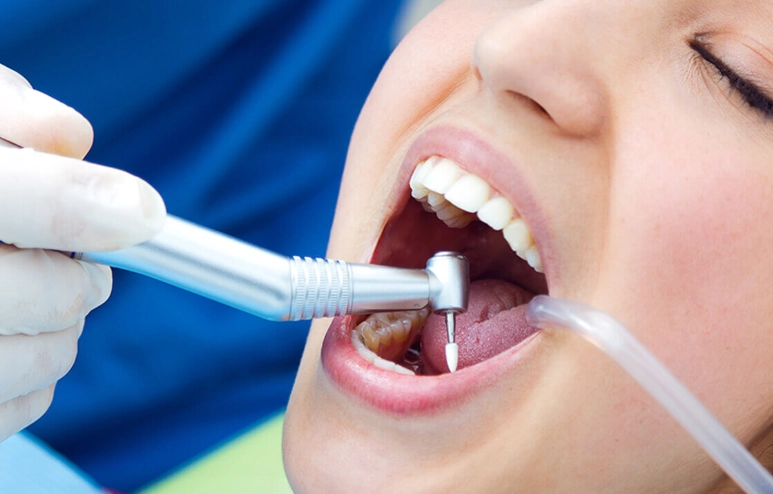
Your Decision Toolkit: How to Use Reviews to Choose the Right Provider
Reading deep teeth cleaning reviews isn't just about gauging pain. It's a detective game to find the right fit. Here’s what to look for.
| What to Look For in Reviews | What It Tells You | Red Flags |
|---|---|---|
| Mention of Numbing/Gentleness | The practice prioritizes comfort. They wait for anesthesia to work and check in during the procedure. | "They rushed the numbing," "I had to ask for more shots repeatedly." |
| Detailed Explanations | The dentist or hygienist takes time to educate, show X-rays, and explain why it's needed. | "They just said I needed it and handed me a bill." Lack of transparency. |
| Discussion of Sedation Options | The office offers solutions for high anxiety (nitrous oxide, oral sedation). They cater to fearful patients. | No mention of anxiety management; reviews that say "they dismissed my fears." |
| Post-Care Instructions & Follow-up | The office provides clear aftercare guides and schedules a follow-up (perio maintenance) to check healing. | Patients felt abandoned after the procedure with no guidance on sensitivity or healing. |
| Staff Attitude & Patience | Positive comments about the hygienist's or assistant's demeanor are huge. This is a long, intimate procedure. | Reviews describing staff as "cold," "impatient," or "judgmental." |
Don't just look at the star rating. Read the 3-star reviews—they're often the most balanced and detailed. Also, check the dentist's or periodontist's response to negative reviews. Do they get defensive, or do they respond professionally, offering to discuss concerns offline? That speaks volumes about the practice culture.
And here's a pro tip: when you call for a consultation, ask directly: "What is your protocol for ensuring patient comfort during a deep cleaning? How do you manage anesthesia?" Their answer will tell you everything.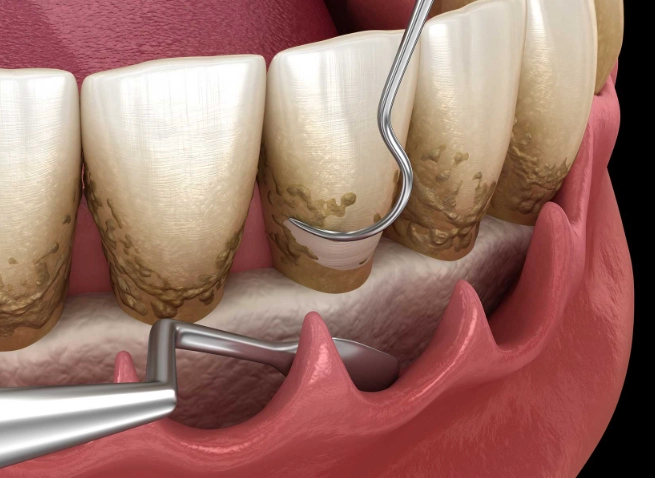
The Nuts and Bolts: What to Actually Expect, Step-by-Step
Based on the most consistent info from positive dental deep cleaning reviews, here's a realistic timeline.
Before the Appointment
You'll likely have a separate consultation. They should take full-mouth X-rays and "perio chart"—poke your gums with a tiny ruler at 6 points around each tooth to measure pocket depths. This chart is your baseline. Ask to see it! If they say you have 5mm and 6mm pockets, ask where. Seeing the numbers makes it real.
They'll go over costs and insurance. Get a pre-treatment estimate in writing. This is non-negotiable.
During the Procedure (The First Quadrant)
- Numbing: This is the pinch. They'll use a topical gel first, then the injections. The key is waiting 5-10 minutes for it to become fully effective. Your lip and cheek should feel fat and tingly.
- The Work: You'll hear scraping. You'll feel pressure and vibration. You should NOT feel sharp pain. If you do, raise your hand immediately for more anesthetic. They may use an ultrasonic scaler (a vibrating tip with water spray) to break up large deposits, then fine-tune with hand instruments.
- The Feel: It's weird, not usually horrific. The most unsettling part for many is the thought of what's happening, not the sensation itself.
A good hygienist will give you breaks to close your mouth and swallow.
Immediately After & The Next Few Days
Your mouth is numb for a few hours. Don't eat until it wears off to avoid biting yourself.
Then, the soreness sets in. It's like a bruise or a workout for your gums. Over-the-counter ibuprofen is your friend. Stick to soft foods (yogurt, mashed potatoes, soup) for a day or two. Your gums may bleed a bit when you brush gently—that's okay, just be soft.
Sensitivity can pop up. Using a toothpaste for sensitive teeth (like Sensodyne) before and after the procedure can help a ton. I didn't do this the first time and regretted it when I tried to drink room-temperature water.
The Money Talk: Breaking Down the Cost of Deep Cleanings
Let's be real, this is a major factor. Prices vary wildly by region and practice. Here's a rough breakdown.
- Without Insurance: $150 - $350 per quadrant. A full mouth (four quadrants) typically ranges from $800 to $2,200+. Periodontal specialists often charge more than general dentists.
- With Insurance: Most plans cover 50-80% of SRP after your deductible, as it's a medically necessary procedure for a disease (periodontitis). You might still owe $200-$600 out-of-pocket for a full mouth. Crucially: Many plans have a "missing tooth clause" or waiting periods. Verify your benefits.
Watch Out For: Some offices will recommend laser-assisted therapy or localized antibiotic chips (like Arestin). These can be effective adjuncts but add significant cost ($50-$300 per tooth). Ask if they are truly necessary for your case or optional upgrades. Get a clear, itemized breakdown.
Is it worth it? Financially, compared to the cost of a single dental implant ($3,000-$6,000), yes. But that doesn't make the bill easy to swallow. Look into payment plans or dental savings plans if needed.
Long-Term: Life After a Deep Cleaning
The procedure isn't a cure. It's the reset button. What you do next determines if the investment pays off.
You'll graduate to "perio maintenance" cleanings every 3-4 months, not every 6. These are shorter but crucial to monitor your pockets and prevent relapse. They're usually covered by insurance at a similar rate to regular cleanings after the initial SRP.
Your home care needs to be impeccable. The hygienist should train you on proper flossing technique (c-shaped, going below the gumline) and might recommend specific tools like a water flosser, interdental brushes, or an electric toothbrush. The CDC notes that nearly half of adults over 30 have some form of gum disease, so effective home care is the cornerstone of management.
I still go every four months. It's a commitment, but my perio chart numbers have improved dramatically, and that's the real metric of success.
Frequently Asked Questions (The Stuff You're Secretly Searching)
Final Thoughts: Navigating the World of Dental Deep Cleaning Reviews
Scrolling through dental deep cleaning reviews can be paralyzing. You'll see the horror stories and the easy-breezy accounts. The truth for you will be somewhere in the middle, heavily influenced by your own biology and, most importantly, the professional you choose.
Use the reviews as a tool to vet compassion and competency, not just to scare yourself. Look for patterns in feedback about communication, comfort measures, and follow-up care. The goal isn't to find a practice with zero negative reviews—that's impossible—but to find one that consistently demonstrates they care for anxious patients undergoing a serious procedure.
Was it fun? Absolutely not. Was it worth it? One hundred percent. My only regret is letting the fear of the procedure and the cost delay me for as long as it did. The peace of mind from knowing I'm actively managing my oral health, not just watching it slowly decline, is priceless.
Arm yourself with the questions from this guide, get clear financial estimates, and choose a provider you feel heard by. Then, take a deep breath and get it done. Your future self—with healthier gums and all your teeth—will thank you.