Let's be honest. You brush your teeth, maybe even twice a day. You feel that fresh, minty clean. But if you're like most people, you're probably ignoring about 40% of each tooth's surface. I'm talking about the sides, the spaces between your teeth where your toothbrush bristles simply can't reach. That's where interdental cleaning comes in. It's not an optional extra; it's the other half of a complete oral hygiene routine. Skipping it is like washing only the front of your car and calling it clean.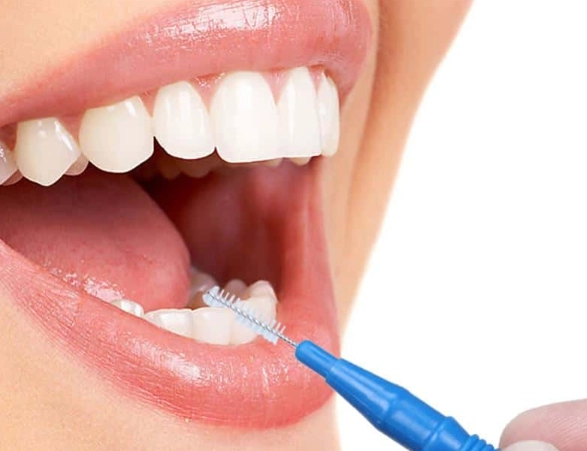
The consequences aren't just cosmetic. That hidden plaque between your teeth is the primary cause of gingivitis (bleeding gums), cavities that start between teeth, and eventually, periodontitis—the bone loss that leads to loose teeth. I've seen too many patients in my chair who are diligent brushers but are baffled by their bleeding gums or new cavities. The culprit is almost always the neglected interdental space.
What You'll Learn in This Guide
Why Interdental Cleaning is Non-Negotiable
Think of your mouth as an ecosystem. The spaces between your teeth are sheltered valleys where food particles and bacteria thrive, undisturbed by the wind of your toothbrush. Within 24 hours, this mix hardens into calculus (tartar), which you can't remove at home. The bacteria in plaque produce acids that eat away at enamel and toxins that inflame your gums.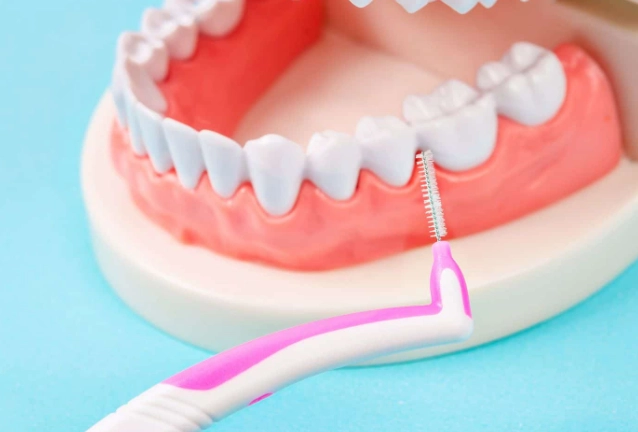
The American Dental Association states that cleaning between teeth can help prevent cavities and gum disease. But it's more than that. It removes the source of bad breath (halitosis) that originates between teeth. It helps maintain the tight, healthy pink appearance of your gums. When your hygienist asks if you floss, and you say "sometimes," they know. The evidence is right there in the inflammation.
Here's a perspective I don't hear often enough: interdental cleaning isn't just about removal, it's about disruption. You don't need to achieve surgical sterility every night. The goal is to regularly disrupt the plaque biofilm before it matures and becomes more harmful and adhesive. Doing it every other day is better than not doing it at all, but daily is the gold standard.
How to Choose the Right Interdental Cleaning Tool for You
This is where people get stuck. The dental aisle is overwhelming. The truth is, the best tool is the one you will use consistently and correctly. They are not all created equal, and your needs might change over time or even in different parts of your mouth.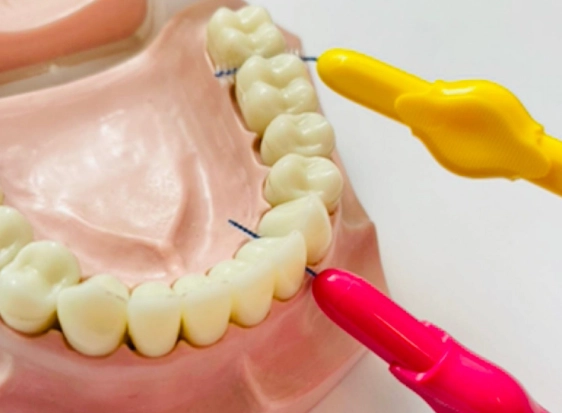
| Tool | Best For | Pros | Cons / Considerations |
|---|---|---|---|
| Dental Floss (String) | Tight contacts, standard tooth spacing, budget option. | Highly effective, contours to tooth shape, cheap, widely available. | Requires good dexterity. Can be difficult with braces or bridges. |
| Interdental Brushes (aka Proxy Brushes) | Larger spaces, gum recession, around implants/bridges, arthritis. | Easier to use, physically scrubs surfaces, comes in many sizes. | Must select correct size. Too small is ineffective; too large can harm gums. |
| Water Flosser (Oral Irrigator) | Braces, implants, bridges, deep pockets, people who hate floss. | Easy, massages gums, great for cleaning around hardware. | More expensive. Should complement, not replace, mechanical cleaning (floss/brush). |
| Floss Picks | Convenience, travel, beginners, kids. | Easy to hold, pre-threaded. | Can't contour as well as string floss. Risk of reusing same segment. |
| Wooden Toothpicks / Sticks | Emergency food removal. | Readily available. | Not for daily plaque removal. Can splinter, damage gums if used aggressively. |
My personal workflow? I use interdental brushes where they fit snugly (mostly my back molars where spaces are wider) and floss for my front teeth where contacts are tight. A water flosser is my go-to after a big meal when something feels stuck. It's about building a toolkit.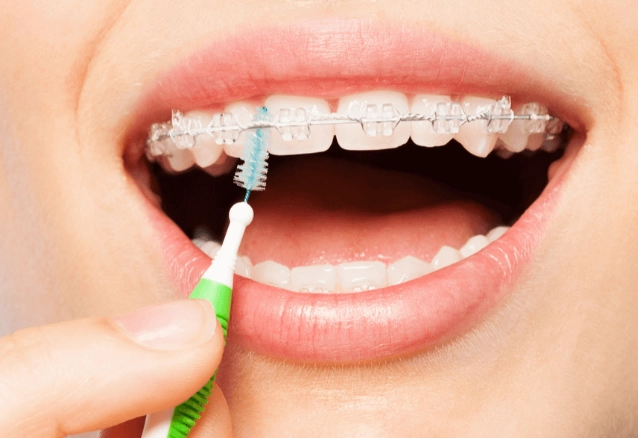
Using Each Tool Correctly (Step-by-Step)
Using the right tool wrong is almost as bad as not using one at all. Let's break it down.
How to Floss Properly (The C-Shape is Key)
Take about 18 inches of floss. Wind most around one middle finger, the rest around the other, leaving 1-2 inches to work with. Gently guide it between teeth using a sawing motion. Do not snap it down—you can cut your gums. Once through, curve the floss into a "C" shape against one tooth. Slide it up and down, going slightly under the gumline. Then, curve it around the adjacent tooth and repeat. Use a fresh section of floss for each space.
The common floss-and-dump? Where you just pull it straight up and down? That misses the concave sides of the teeth where plaque loves to hide.
How to Use an Interdental Brush
Choose your size. Insert the brush gently, horizontally for front teeth, from the cheek side for back teeth. Don't force it. Move it back and forth 2-3 times. That's it. No need to rotate or scrub violently. Rinse the brush after use. Replace it when the bristles look worn or bent—usually every few days to a week.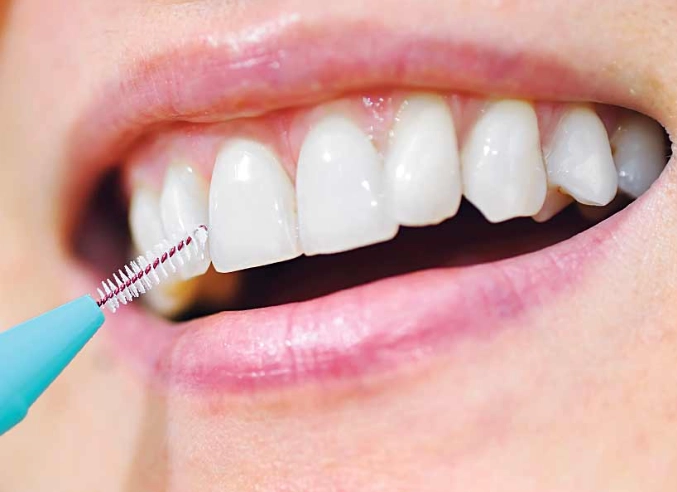
Getting the Most from a Water Flosser
Start on the lowest pressure setting. Lean over the sink. Place the tip in your mouth before turning it on. Trace along your gumline, pausing briefly between teeth. Aim the stream perpendicular to the gumline. It shouldn't hurt. If it does, turn it down. The goal is to flush out debris, not perform gum surgery.
Common Mistakes & Expert Tips You Won't Find Elsewhere
After years of talking to patients, I've noticed patterns. Here are the subtle errors that undermine good intentions.
Mistake 1: The "Bleeding Means Stop" Fallacy. Your gums bleed because they're inflamed from plaque. Stopping interdental cleaning because it bleeds is like not cleaning a wound because it hurts. Be gentle, but be consistent. The bleeding should reduce within 1-2 weeks of daily, proper cleaning. If it doesn't, see a dentist.
Mistake 2: Prioritizing the Evening Only. Yes, cleaning before bed is crucial to remove the day's buildup. But a quick interdental clean in the morning disrupts the bacteria that have multiplied overnight. It makes a tangible difference in all-day gum health and freshness.
Mistake 3: Ignoring the Backside of the Last Molar. That tooth has a side facing your cheek and a side facing your throat. The backside (distal surface) is a plaque magnet and often missed. With floss, you need to get behind that last tooth and hug it. With a brush, angle it from behind.
Mistake 4: Thinking a Water Flosser Does It All. Studies show water flossers are excellent for reducing gingivitis. But for mechanically disrupting the sticky plaque biofilm, a physical tool (floss or brush) is often more effective. Think of the water flosser as a powerful rinse aid, not a replacement for scrubbing.
Advice for Braces, Bridges, and Sensitive Gums
Standard advice doesn't always apply. Here's the tailored approach.
With Braces: Floss threaders or superfloss are your friends. A water flosser is a game-changer here—it can flush out food from under wires and around brackets with ease. Interdental brushes can be used carefully around brackets.
With Dental Bridges or Implants: You cannot floss between a crown on an implant and the adjacent tooth normally. You need superfloss (which has a stiff end to thread under the bridge), a floss threader, or specialized implant/interproximal brushes designed to clean around the abutment. This is non-negotiable to prevent peri-implantitis.
For Chronically Sensitive or Receding Gums: Be extra gentle. Use a soft, rubber-coated interdental brush or a water flosser on a low setting. The goal is to clean without causing trauma. Sometimes, a chlorhexidine-based interdental gel (prescribed by your dentist) used with a brush can help manage inflammation in sensitive areas.
Your Top Questions, Answered
My gums bleed every time I floss. Should I stop?
This is the most common concern. Bleeding is a sign of inflammation caused by existing plaque and bacteria. Stopping allows the inflammation to worsen. Instead, be more consistent and more gentle. Use a soft tool and clean daily. The bleeding should significantly decrease within 7-14 days. If it persists or is heavy, schedule a dental checkup to rule out other issues.
Is it better to clean between teeth before or after brushing?
The evidence is mixed, but a growing body of research, including a study published in the Journal of Periodontology, suggests doing it before brushing has an edge. The logic is solid: interdental cleaning dislodges plaque and debris from between teeth, and then brushing sweeps it all away and applies fluoride to those now-clean surfaces. Try it for a week—your mouth might feel cleaner.
I have very tight teeth and floss always shreds or gets stuck. What should I use?
Shredding can indicate a rough filling or cavity edge—get that checked. For tight contacts, try a PTFE or Glide floss. It's thinner and slicker than standard nylon floss. Waxed floss can also help. Avoid cheap, thick, or woven flosses. If floss is consistently impossible, an ultra-fine interdental brush (size 0 or 1) might fit where floss struggles.
How often should I replace my interdental brushes?
Much more often than people think. Once the bristles are bent, frayed, or don't spring back, they lose effectiveness. For a daily user, this can be every 3-7 days. It depends on the space tightness and technique. Don't try to stretch a single brush for a month; you're just moving bacteria around inefficiently.
Can interdental cleaning reverse gum disease?
In its early stage (gingivitis), absolutely. Consistent, proper interdental cleaning, combined with good brushing, can eliminate the plaque causing inflammation, allowing gums to heal, become pink and firm again, and stop bleeding. Once it progresses to periodontitis (bone loss), professional treatment is needed to clean deep pockets, but interdental cleaning becomes even more critical for long-term management to prevent further damage.