Brushing and flossing are only half the battle for healthy teeth. If you're skipping nutrition, you're leaving your enamel vulnerable. I've worked in dental nutrition for over a decade, and the most common mistake I see is people focusing on external care while ignoring the vitamins that build teeth from within. Let's fix that.
What You'll Learn in This Guide
The 5 Key Vitamins Your Teeth Crave
Teeth aren't static—they're living tissues that constantly remodel. Vitamins act as building blocks. Forget the generic lists online; here are the five that matter most, based on clinical evidence and my patient observations.
Vitamin D: The Enamel Protector
Vitamin D isn't just for bones. It regulates calcium absorption, and without it, calcium from your diet might as well be useless for your teeth. A study in the Journal of the American Dental Association linked low vitamin D levels to higher cavity rates. I recall a patient, Sarah, who had perfect hygiene but kept getting cavities. Her blood test showed severe vitamin D deficiency. After supplementation and sun exposure, her dental check-ups improved within six months.
The catch: Most adults are deficient, especially in cloudy climates. Aim for 600-800 IU daily, but get your levels checked—overdoing supplements can cause toxicity.
Calcium: The Structural Foundation
Calcium makes up most of your enamel and dentin. But here's the twist: taking calcium pills alone won't strengthen teeth if vitamin D is low. It's like having bricks without mortar. Food sources are better absorbed. Think dairy, sardines with bones, or fortified plant milks.
Adults need about 1,000 mg daily. Spread it out—your body can't absorb more than 500 mg at once.
Vitamin C: The Gum Guardian
Vitamin C produces collagen, which holds your gums tight around teeth. Scurvy is the extreme, but mild deficiency leads to bleeding gums and loose teeth. I've seen vegans struggle with this if they skip citrus or bell peppers.
Don't megadose. High doses from supplements can cause diarrhea and don't boost gum health extra. 75-90 mg daily from foods like kiwi or broccoli works best.
Vitamin K2: The Traffic Director
This is the unsung hero. Vitamin K2 directs calcium to your teeth and bones, preventing it from depositing in arteries. Modern diets lack it—found in fermented foods like natto or aged gouda. A Japanese study showed fewer cavities in populations eating natto regularly.
Most multivitamins omit K2. Look for MK-7 form supplements if you don't eat fermented foods.
Phosphorus and Magnesium: The Support Crew
Phosphorus works with calcium to harden enamel, while magnesium aids vitamin D metabolism. Nuts, seeds, and whole grains are rich sources. Ignoring them can make other vitamins less effective.
Quick Tip: A balanced diet beats isolated supplements. For example, cheese provides calcium, phosphorus, and vitamin K2—a triple win for teeth.
How to Get These Vitamins from Food (No Supplements Needed)
Supplements are a backup, not a replacement. Here's a practical day of eating for optimal tooth nutrition.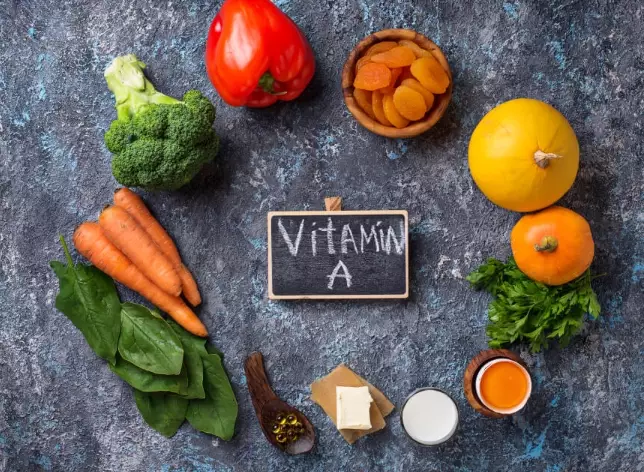
| Meal | Food Example | Key Vitamins Provided |
|---|---|---|
| Breakfast | Greek yogurt with almonds and berries | Calcium, Vitamin D (if fortified), Phosphorus |
| Lunch | Spinach salad with salmon and avocado | Vitamin K2, Vitamin D, Magnesium |
| Snack | Orange slices and cheese cubes | Vitamin C, Calcium, K2 |
| Dinner | Chicken stir-fry with broccoli and mushrooms | Vitamin D (mushrooms), Phosphorus, Vitamin C |
Notice the variety? You don't need exotic foods. Canned salmon with bones is cheap and packed with vitamin D and calcium. I recommend clients keep a stash for quick meals.
If you're plant-based, focus on fortified foods and combine sources—like tofu with sun exposure for vitamin D.
Choosing Supplements: A Dentist's Warning
The supplement aisle is a minefield. Many products promise "dental health" but are poorly formulated. Here's how to navigate.
First, avoid gummy vitamins. They stick to teeth and contain sugars or acids that erode enamel. I've had patients show up with cavities traced to daily gummy vitamins. It's ironic.
Look for third-party testing seals like USP or NSF. These ensure purity and accuracy. A good multivitamin should include vitamin D3, calcium, and vitamin K2, but check doses—calcium above 500 mg per serving is wasteful.
Timing matters. Take calcium with meals to boost absorption and reduce stomach upset. Vitamin D is fat-soluble, so pair it with a fatty meal like avocado.
Don't fall for "miracle" blends. No supplement can reverse advanced decay or gum disease. They're for prevention and support.
Common Mistakes and How to Avoid Them
After years in clinics, I've spotted patterns that undermine tooth health.
Mistake 1: Over-relying on supplements while eating a sugary diet. Vitamins can't counteract constant acid attacks from soda or candy. Reduce sugar first, then add nutrients.
Mistake 2: Ignoring vitamin K2. Most people take calcium and vitamin D but miss K2, so calcium might not reach teeth efficiently. Include fermented foods or a supplement.
Mistake 3: Assuming more is better. High-dose vitamin C or D supplements can cause kidney stones or toxicity. Stick to recommended daily allowances unless a doctor advises otherwise.
Mistake 4: Neglecting overall health. Conditions like diabetes or gut issues affect nutrient absorption. Manage systemic health for better oral outcomes.
I once advised a client with celiac disease—she wasn't absorbing vitamins despite a good diet. Addressing her gut health improved her tooth sensitivity dramatically.
Your Questions Answered
Nutrition isn't a quick fix, but it's the foundation of lasting dental health. Start with food, supplement wisely, and keep up with your dental visits. Your teeth will thank you.