Let's be real. We've all been there. You have a photo coming up, a date, or just looked in the mirror and thought, "My teeth could be brighter." The desire for a quick fix is powerful. The internet is flooded with promises of instant transformation, and right at the top is that magic search: how to make your teeth white in just 5 minutes? I've been down that rabbit hole myself, trying everything from bizarre fruit peels to questionable powders. Some things worked a little, some did nothing, and a couple I genuinely regret. So, I decided to cut through the noise and figure out what's actually possible in five short minutes. This isn't about magic wands; it's about understanding the science of surface stains and using safe, effective strategies to lift them—fast.
Quick Navigation
- What Actually Works in 5 Minutes? The Realistic Toolkit
- The Methods to Steer Clear Of (Seriously, Don't Do These)
- The Ultimate "5-Minute" Prep: Make Your Next Whitening Treatment More Effective
- Beyond the 5 Minutes: How to Keep Them White
- Answering Your Burning Questions (FAQ)
- Putting It All Together: A Sample 5-Minute Action Plan
First, a crucial reality check. If your teeth are discolored from within (what dentists call intrinsic staining, from things like medication or trauma), a five-minute surface treatment won't change that. It's like trying to paint over a water stain without fixing the leak. But for the vast majority of us dealing with everyday surface stains from coffee, tea, red wine, or smoking, there are legitimate ways to see a noticeable difference in minutes. The key is managing expectations and, more importantly, not damaging your enamel in the process.
Quick Insight: Think of your enamel like glass. Stains from food and drink sit on top of it. The goal of quick whitening is to gently polish or lift those stains off the surface without scratching the glass itself. Anything too abrasive does permanent damage for a temporary gain.
What Actually Works in 5 Minutes? The Realistic Toolkit
Forget the extreme, potentially harmful hacks. Let's focus on methods that have some basis in science or are endorsed by dental professionals for occasional, careful use. The effectiveness varies based on the type and age of the stain, but these are your best bets.
The Baking Soda & Hydrogen Peroxide Paste (The Classic)
This is the granddaddy of DIY whitening. Baking soda (sodium bicarbonate) is a mild abrasive that can help scrub away surface stains. Hydrogen peroxide is a mild bleaching agent. Combined, they can be effective. But the "mild" part is critical.
Here's my go-to, safer method: Mix a tiny amount of baking soda with a few drops of 3% hydrogen peroxide (the standard brown bottle from the pharmacy, not a higher concentration!) to form a thin paste. Use your finger or a very soft toothbrush to apply it. Gently brush your teeth with it for no more than one minute. Yes, just one minute. Then rinse thoroughly. The remaining four minutes? Use them to brush normally with a fluoride toothpaste to remineralize your enamel.
I find this gives a quick brightness boost. But I only do it once a week, max. Overdoing it will wear down enamel. The American Dental Association (ADA) notes that baking soda is safe for cleaning but cautions against excessive abrasion. You can read more about their stance on oral care ingredients on the ADA's Toothpaste information page.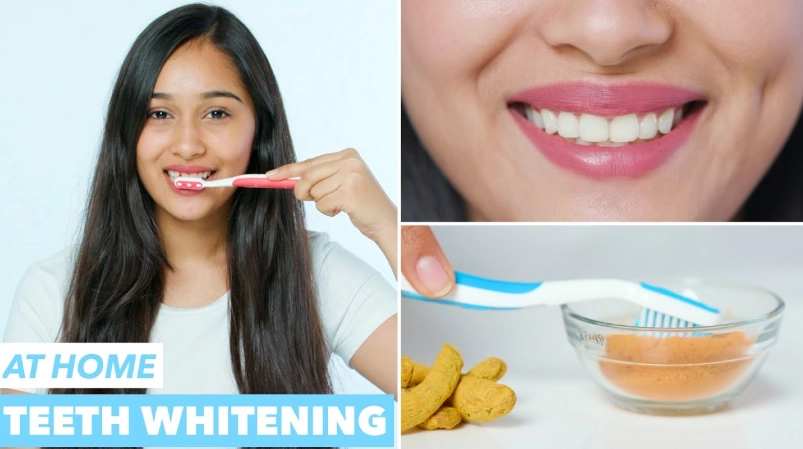
Caution: Do NOT use this if you have sensitive teeth, receding gums, or any open sores in your mouth. Hydrogen peroxide can cause irritation. If it stings, stop immediately.
Whitening Toothpaste with Silica or Mild Abrasives
This is the simplest answer to how to make your teeth white in just 5 minutes?—use a toothpaste designed for it. But not all are equal. Look for an ADA-Accepted whitening toothpaste. These contain gentle polishing agents like hydrated silica or alumina that are effective at stain removal without being overly harsh.
The trick is in the technique. For a quick five-minute session, don't just brush haphazardly. Apply the paste, and brush systematically for a full two minutes, making sure to cover every surface. Then, instead of rinsing immediately, let the foam sit on your teeth for another two to three minutes before spitting and rinsing. This allows the mild active ingredients a bit more contact time. It's a small change that can enhance the effect of your regular brushing.
The Oil Pulling Short Session
Traditional oil pulling (swishing oil for 15-20 minutes) is a commitment. But a shortened five-minute version can still help. The theory is that lipids in the oil bind to the lipid-based outer layer of some stains and bacteria, helping to pull them off the teeth. Coconut oil is popular because of its pleasant taste and lauric acid content.
Take a tablespoon of solid coconut oil, let it melt in your mouth, and swish vigorously, pushing and pulling it through your teeth for a full five minutes. Spit it into the trash (not the sink, it can clog pipes!) and rinse well with water. Follow with normal brushing. I've noticed my mouth feels incredibly clean afterward, and my teeth look slightly smoother and brighter. It's more of a cleansing polish than a bleach, but it's zero-risk and feels good.
The Methods to Steer Clear Of (Seriously, Don't Do These)
In the rush for results, people try crazy things. I've made some of these mistakes so you don't have to. These methods promise a fast answer to how to make your teeth white in just 5 minutes but deliver potential long-term damage.
Lemon Juice or Apple Cider Vinegar: This is a terrible idea. Yes, the acid can briefly make teeth appear brighter by etching the surface and removing the top stained layer. But you're literally dissolving your enamel. Enamel doesn't grow back. This leads to permanent sensitivity, translucency, and makes teeth more prone to staining and decay. The U.S. Food and Drug Administration (FDA) regulates acids in food for a reason—they're corrosive. Damaging your enamel for a one-day glow is a terrible trade.
Activated Charcoal: This trendy powder is incredibly abrasive. It's like using fine-grit sandpaper on your teeth. It can remove stains initially but often leaves the enamel rough and microscopically scratched, which actually makes your teeth more likely to pick up stains faster and darker next time. It's a self-defeating cycle. The ADA has stated that there is insufficient evidence to support its safety and efficacy for whitening.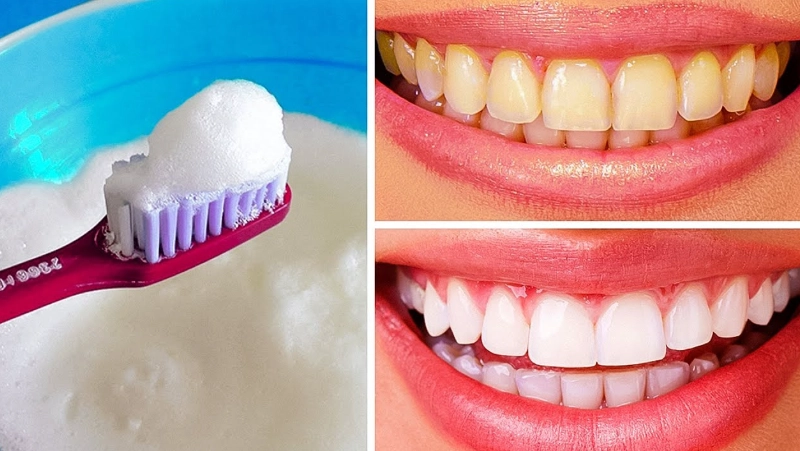
Strawberries & Baking Soda Mash: Similar to the lemon issue. Strawberries contain citric acid and ascorbic acid. Mashing them with an abrasive (baking soda) creates a paste that damages enamel while scrubbing it. The malic acid in strawberries does not effectively whiten teeth to justify the acid attack.
Here’s a quick comparison of the risky vs. the reasonable approaches:
| Method | Promised Action | Real Risk | Verdict |
|---|---|---|---|
| Lemon Juice Rub | Natural Acid Whitening | Permanent Enamel Erosion, Severe Sensitivity | AVOID |
| Activated Charcoal | Detox & Absorb Stains | Abrasive Damage, Roughened Enamel | AVOID |
| Baking Soda & Peroxide Paste (Gentle) | Mild Abrasion & Oxidation | Possible Sensitivity if Overused | USE SPARINGLY |
| ADA Whitening Toothpaste | Polishing Stain Removal | Minimal with Proper Use | SAFE & EFFECTIVE |
The Ultimate "5-Minute" Prep: Make Your Next Whitening Treatment More Effective
Sometimes, the best use of five minutes isn't a treatment itself, but preparing your teeth to respond better to a whitening treatment you'll do later (like an ADA-approved whitening strip or tray). Think of it as priming a wall before you paint it.
Stains sit on top of plaque and biofilm. If you remove that layer first, the whitening agent contacts the stain more directly. So, your five-minute mission is a super-thorough cleaning.
- Floss Meticulously (2 minutes): Get every contact point between your teeth. This removes the stained plaque that brushing misses.
- Brush with a Plaque-Removing Toothpaste (2 minutes): Use a non-whitening, fluoride paste. Focus on the gumline and all surfaces. The goal is a clean canvas.
- Rinse with Water (1 minute): Swish thoroughly to clear away all debris and paste residue.
Now your teeth are prepped. If you apply a whitening product after this, it will likely work more evenly and effectively. This is a pro-tip many people skip, wondering why their strips seem patchy.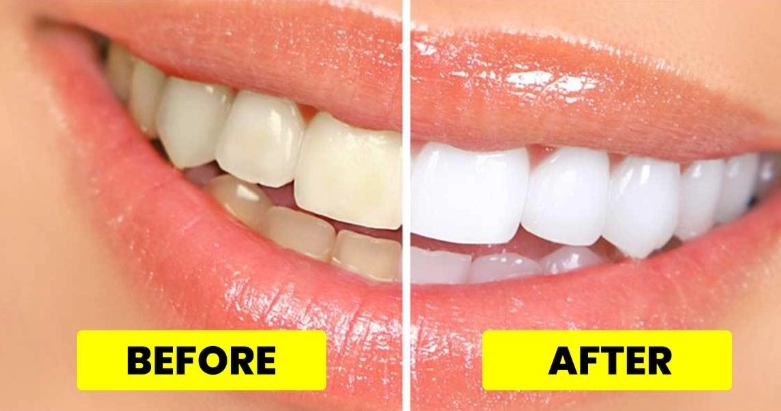
Beyond the 5 Minutes: How to Keep Them White
A quick win is great, but it's meaningless if your teeth are back to yellow in two days. The real secret isn't just knowing how to make your teeth white in just 5 minutes, but how to keep them that way with tiny habit shifts.
The Rinse Habit: After drinking coffee, tea, or red wine, swish vigorously with plain water. It dilutes the staining compounds and washes them off before they set. I keep a water bottle at my desk just for this.
Use a Straw: It feels silly sometimes, but for iced coffee or tea, a straw bypasses your front teeth significantly. Less contact, less stain.
Chew "Nature's Toothbrush": Crunchy fruits and vegetables like apples, carrots, and celery can help scrub the surface of your teeth as you eat. They also stimulate saliva, your mouth's natural cleaner.
Your Toothbrush Matters: A worn-out brush doesn't clean well. Change it every 3-4 months, or sooner if the bristles are frayed. An electric toothbrush with a pressure sensor can be a game-changer for removing daily stain buildup without brushing too hard.
Long-Term Strategy: The most effective whitening regimen is a combination: daily thorough cleaning with a good toothpaste to prevent stains, occasional (weekly/monthly) use of a gentle active method for maintenance, and professional treatments for deeper changes. The quick five-minute tricks are for the occasional touch-up, not the foundation.
Answering Your Burning Questions (FAQ)
I get a lot of questions from friends about this stuff. Here are the most common ones, answered straight.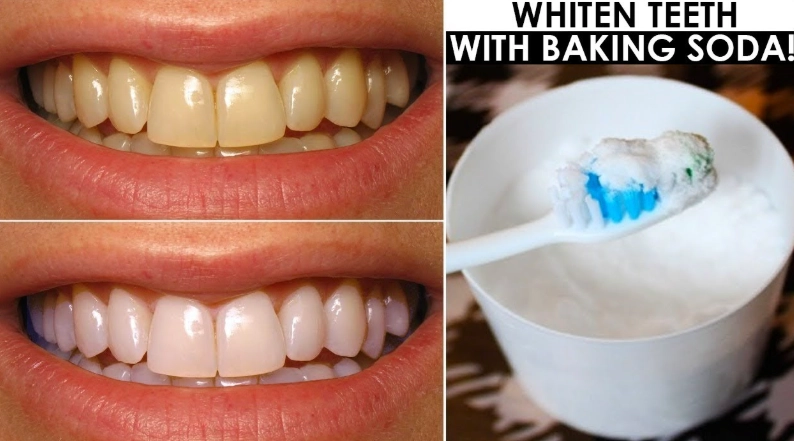
Can I really see a difference in just 5 minutes?
Yes, but it's subtle. If you have fresh, surface-level stains (like from this morning's coffee), removing them can restore your teeth to their natural baseline color, which looks and feels "whiter." You won't go five shades lighter, but you can go from dull and stained to clean and bright. It's the difference between a dirty window and a clean one—the glass itself isn't new, but a lot more light gets through.
Is a whitening mouthwash effective in 5 minutes?
Not really. Most whitening mouthwashes contain hydrogen peroxide at a very low concentration. They're designed for sustained use over weeks. Swishing for the recommended 60 seconds is good for oral hygiene and has a mild bleaching effect over time, but don't expect a visible transformation in one five-minute session. They're better as a maintenance tool.
What's the #1 safest quick method?
Hands down, using an ADA-Accepted whitening toothpaste with proper technique (brushing for two minutes, letting it sit for a few more). It's formulated to be safe for daily use, so a single, focused application is zero-risk and can provide a noticeable clean. For evidence-based information on what makes a product safe for your mouth, the FDA's page on teeth whitening provides a regulatory perspective.
My teeth are sensitive. Can I try any of this?
If you have sensitive teeth, you need to be extra cautious. Avoid any baking soda/peroxide mixes or whitening toothpastes labeled for sensitivity until you talk to your dentist. The five-minute oil pulling with coconut oil is likely your safest bet, as it's non-abrasive and non-bleaching. It cleans without irritating. Always consult a dental professional for personalized advice, as sensitivity can indicate underlying issues like worn enamel or recession.
How often can I do a "5-minute whitening" session?
For the gentle baking soda/peroxide paste or an intensive whitening toothpaste session? Once a week is a safe maximum for the former. For the latter, you could do the extended-contact brushing technique a few times a week if your teeth and gums tolerate it. Listen to your body. If you feel any tingling sensitivity, scale back. Daily maintenance with proper brushing and flossing is far more important than weekly intense sessions.
Putting It All Together: A Sample 5-Minute Action Plan
Okay, so it's Friday afternoon, and you have a video call or an evening out. You want your smile to pop. Here’s a safe, effective sequence you can do right now.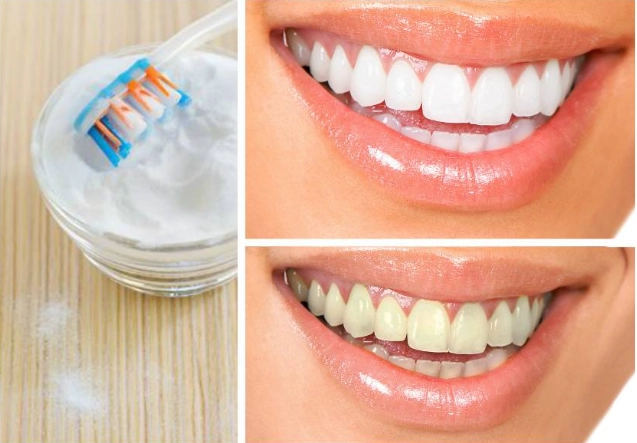
Minute 1-2: Floss thoroughly. Get between every tooth.
Minute 2-4: Brush meticulously with your regular fluoride toothpaste. Spit out the excess foam but don't rinse.
Minute 4-5: Let the toothpaste foam sit on your teeth. Swish it around gently a few times. Then rinse completely with water.
The Bonus Effect: Smile. Your teeth are as clean as they can be, free from surface plaque and debris. They will look their brightest natural shade. For an extra tiny boost, rub a tiny bit of coconut oil on the front surfaces with your finger and buff it off with a dry cloth. It can add a subtle, temporary shine.
That's it. No drama, no damage, just good, smart cleaning. That's the true essence of a quick teeth brightening fix.
The bottom line is this. The search for how to make your teeth white in just 5 minutes is valid. We all want quick solutions. But the winning strategy combines a safe, immediate action (like a super-cleaning or a gentle polish) with smart daily habits to maintain the results. Avoid the drastic, acidic, or overly abrasive internet "hacks" that sacrifice your long-term dental health for a short-term gleam. Your enamel is your best asset—protect it, clean it well, and your smile will thank you for years, not just for five minutes.