Let's be honest. Most of us treat daily dental care like a checkbox. Brush twice, maybe floss if we remember, rinse, and we're done. We've been doing it since we were kids, so how hard can it be? I spent a decade thinking my routine was solid, until a dentist pointed out the subtle recession starting on one side of my gums. It wasn't pain or cavities that gave me away—it was the technique I'd been using for years, slowly causing damage. That's the thing about daily dental care: it's not about effort, it's about precision. A great routine prevents problems you never even see coming, while a mediocre one just gives you a false sense of security while plaque builds up in hidden spots.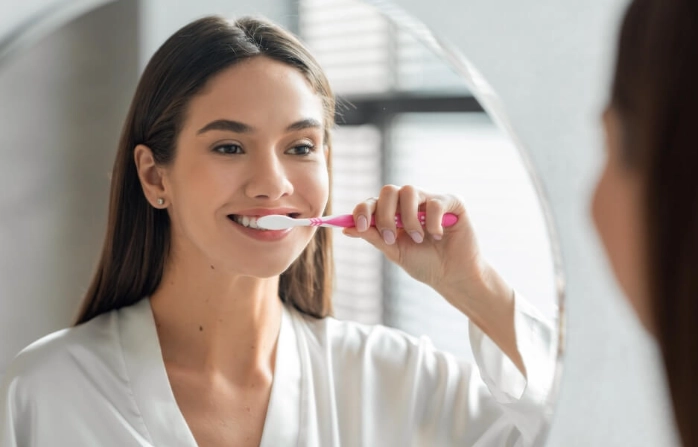
The goal isn't just a fresh mouth. It's preventing the expensive, painful stuff down the line—fillings, root canals, gum surgery. It's about keeping your own teeth for life. This guide strips away the generic advice and dives into the specifics of a daily dental care routine that actually works, based on what the science says and what experienced hygienists see people get wrong every single day.
Your Quick Navigation Guide
How to Master the Two-Minute Brush (It's Not What You Think)
Two minutes. That's the magic number from the American Dental Association (ADA). But timing yourself is the easy part. Where you place the brush and how you move it is everything.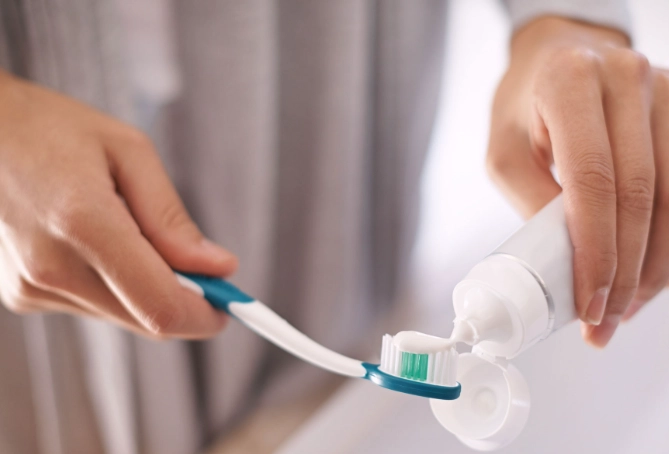
The Angle is Your Secret Weapon
Hold your brush at a 45-degree angle to your gums. This isn't a gentle suggestion—it's critical. Aim the bristles so they sweep under the gumline where plaque loves to hide. Think of it as "gum massage with purpose," not scrubbing the flat surface of your teeth. Scrubbing back and forth horizontally is like using sandpaper on wood; it can wear down enamel and hurt your gums.
Use short, gentle strokes. Cover one or two teeth at a time. A systematic approach works best: start in one corner of your mouth and work your way around, making sure you hit every surface—outer, inner, and chewing.
Don't Forget the Tongue and Cheeks
Bacteria doesn't just live on teeth. Gently brush your tongue from back to front to remove odor-causing bacteria. A quick pass over the inside of your cheeks can help too. It makes a noticeable difference in morning breath.
Pro Tip from the Chair: If you use an electric toothbrush, let it do the work. Don't scrub with it. Place the brush head on the tooth at the gumline, hold it there for a few seconds, then slowly move to the next tooth. The oscillation or sonic vibrations are designed to break up plaque mechanically; pressing hard just wears out the bristles and your gums.
The 3 Most Common Daily Dental Care Mistakes (I Made #2 for Years)
These are the subtle errors that undermine a good routine. They're so common that hygienists see them in most patients.
1. Rushing Right After Brushing. You finish brushing and immediately rinse your mouth with water or mouthwash. Stop. You're washing away the concentrated fluoride from your toothpaste just when it needs time to work. Spit out the excess paste, but don't rinse. Let that fluoride film sit on your teeth for at least 30 minutes. It continues to strengthen enamel and fight bacteria.
2. Using Floss Like a Saw. You snap the floss down between your teeth, then yank it back up. This traumatizes the delicate gum papilla (the triangle of gum between teeth). The correct motion is a gentle "C-shape." Wrap the floss around the side of one tooth, slide it up and down slightly under the gumline, then wrap it around the neighboring tooth and repeat. You're cleaning the sides of the teeth, not just removing food.
3. Storing Your Brush in the Shower. The warm, moist, enclosed environment is a breeding ground for bacteria and mold. Keep your brush in an open-air holder on the counter, upright, so it can dry completely between uses. And please, keep it away from the toilet. Flushing aerosolizes particles—you don't want them landing on your brush.
Your Toolkit Breakdown: What to Buy and Why
Walking down the oral care aisle is overwhelming. Here’s a no-nonsense breakdown of what you actually need.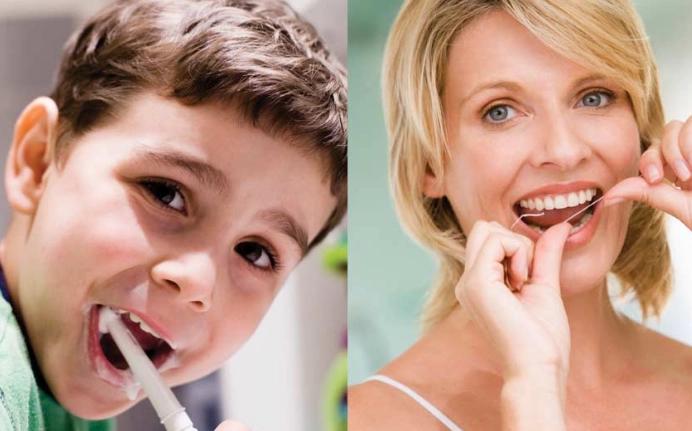
| Tool | Key Feature to Look For | Why It Matters | My Personal Take |
|---|---|---|---|
| Toothbrush (Manual) | Soft bristles, small head. | Hard bristles damage gums and enamel. A small head reaches back teeth easier. | The classic is fine if your technique is perfect. Most of us benefit from an electric boost. |
| Toothbrush (Electric) | Oscillating-rotating or sonic technology. | Studies, like those referenced by the ADA, consistently show they remove more plaque than manual brushing for most people. | A game-changer. It compensates for less-than-perfect technique. The timer ensures you brush long enough. |
| Toothpaste | Fluoride (at least 1000 ppm). | Fluoride remineralizes weakened enamel, reversing early decay. It's non-negotiable for cavity prevention. | Ignore "whitening" or "charcoal" marketing unless fluoride is the first active ingredient. Whitening pastes can be abrasive. |
| Floss | Waxed or unwaxed, tape or string—your preference. | The best floss is the one you'll use daily. If tight contacts shred floss, try a polytetrafluoroethylene (PTFE) floss. | I prefer a slightly thicker, woven floss. It "grips" the plaque better than the super-slippery kinds. |
| Interdental Brushes | Multiple sizes (e.g., Pikster TePe). | Far more effective than floss if you have gaps, bridges, or braces. They clean a wider surface area. | If you hate flossing, try these first. They feel more substantial and satisfying to use. |
| Mouthwash (Therapeutic) | ADA Seal, with fluoride or antibacterial agents like CPC. | An adjunct, not a replacement. Can deliver fluoride or help reduce gingivitis-causing bacteria. | Use it at a separate time from brushing (like after lunch) to extend fluoride coverage. Avoid alcohol-based ones if you have dry mouth. |
Beyond the Brush: The Daily Habits That Matter
What you do between brushings is just as important.
Water is Your Best Friend. Sipping water throughout the day, especially after meals or sugary drinks, helps rinse away food particles and acids. It also combats dry mouth, a major risk factor for decay.
The Snack Attack Problem. Every time you eat or drink something sugary or acidic, your mouth's pH drops and stays acidic for 20-30 minutes, attacking enamel. Grazing all day means your teeth are under constant attack. It's better to have your sweets with a meal than as separate, drawn-out snacks.
Chew Sugar-Free Gum (with Xylitol). After a meal when you can't brush, chew a piece of gum sweetened with xylitol. It stimulates saliva flow (nature's mouthwash) to neutralize acids, and xylitol actually inhibits the growth of cavity-causing bacteria. Don't overdo it—a couple of pieces a day is plenty.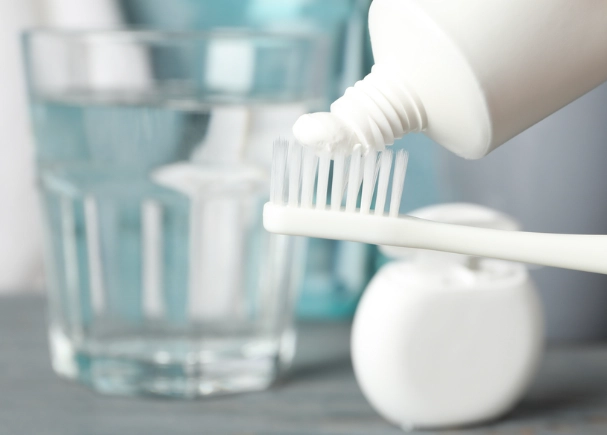
Your Questions, Answered (The Real Stuff)
I bleed when I floss. Should I stop?
Bleeding is a sign of inflammation, usually from gingivitis. It's not caused by flossing; it's revealed by it. Stopping flossing makes the inflammation worse. Be gentle, but be consistent. The bleeding should reduce or stop within 1-2 weeks of proper, daily flossing. If it persists, see your dentist—it could indicate a need for a professional cleaning.
Can mouthwash replace brushing or flossing?
Absolutely not. Mouthwash can't mechanically remove the sticky biofilm of plaque that adheres to teeth. Think of it like using a disinfectant spray on a dirty counter without wiping it off first. The gunk is still there. Mouthwash is a useful add-on for delivering fluoride or antibacterial agents to hard-to-reach areas, but it's a supplement, never a substitute.
How often should I really change my toothbrush?
Every 3-4 months, or sooner if the bristles look frayed and splayed. Frayed bristles are ineffective. Also, change it after you've been sick (like a cold or flu) to avoid re-introducing germs. For electric brush heads, follow the same rule or the manufacturer's indicator.
Is brushing before breakfast or after better?
This one sparks debate. Brushing before breakfast is generally better. Overnight, bacteria multiply, so brushing removes them and coats your teeth with protective fluoride before the acid attack of food and coffee. If you brush after, wait at least 30-60 minutes after eating, especially if you had something acidic (orange juice, fruit, coffee). Brushing while acid has softened the enamel can cause erosion.
My gums are receding. Did my daily dental care cause it?
It's a common cause, but not the only one. Aggressive brushing with a hard-bristled brush or improper technique (scrubbing horizontally) is a major culprit. Other causes include genetics, clenching/grinding, and periodontal disease. If you see recession, switch to a soft brush, check your angle, and use less pressure. A dentist can identify the cause and suggest specific interventions.
The biggest takeaway? Daily dental care is a skill. It requires the right tools, the right technique, and consistency. It's not glamorous, but it's one of the simplest, most powerful investments you can make in your long-term health. Start tonight. Check your brush angle. Go slow. And for goodness sake, don't rinse right away.