In This Guide
- The Healing Timeline: What to Expect Day by Day and Week by Week
- What Factors Can Speed Up or Slow Down Your Healing Time?
- The Non-Negotiables: Your Aftercare Checklist for Faster Healing
- Red Flags: When to Actually Call Your Dentist
- Your Burning Questions, Answered (The FAQ Section)
- The Long Game: What Happens After the Healing?
You just left the dentist's office after a scaling and root planing procedure – what most of us call a "deep clean." Your mouth feels... weird. Numb, a bit tender, maybe even a little sore. And now the big question hits you: how long until my gums feel normal again? How long does it take for gums to heal after a deep clean, really?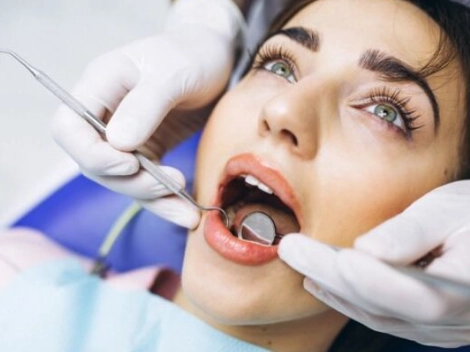
I get it. It's not the most fun experience, and the uncertainty afterwards can be worse than the procedure itself. You might be poking at your gums, wondering if that bit of bleeding is okay, or if the sensitivity when you sip water is a bad sign.
The short, honest answer? There's no single magic number. Asking how long does it take for gums to heal after a deep clean is like asking how long it takes a cut on your knee to heal. It depends on a bunch of stuff: how deep the cut was, how well you take care of it, your own body's healing speed.
But don't worry, we're not leaving it at that vague answer. We're going to break down the entire healing journey, from the first few hours to the point where your gums are truly stable and healthy. We'll talk timelines, what's normal, what's not, and most importantly, what you can do (and should avoid) to make sure your recovery is as smooth and quick as possible.
The Healing Timeline: What to Expect Day by Day and Week by Week
Healing isn't an on/off switch. It's a process with distinct stages. Understanding these stages takes the mystery out of it and helps you track your own progress. Think of it as a roadmap for your gums.
The First 48 Hours: The Initial Response Phase
Let's be real, the first 48 hours aren't exactly a picnic. Your gums have just had a significant cleaning where tartar (calculus) and bacteria were removed from deep under the gumline. They're reacting.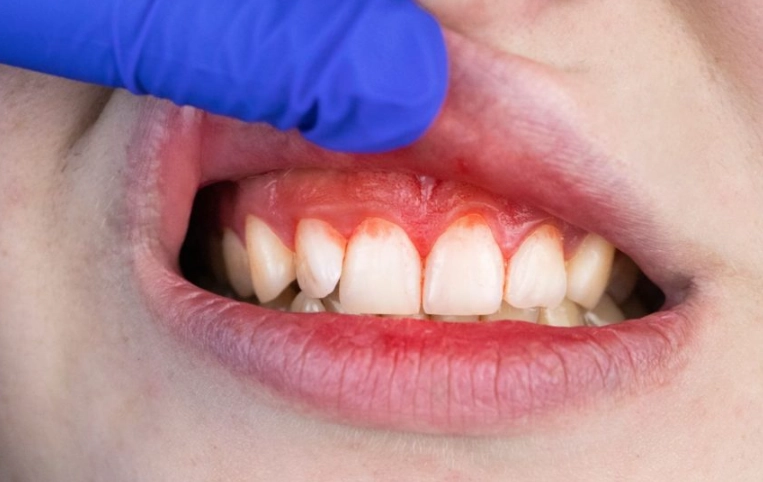
Here’s what's typically normal:
- Tenderness and Soreness: This is the most common feeling. It might feel like a generalized ache or specific tenderness when you press your tongue against your gums. It's often compared to a mild muscle soreness.
- Sensitivity: Temperature sensitivity, especially to cold, is very common. That sip of cold water or breath of cool air might give you a sharp, quick zing. This happens because the cleaning has exposed a tiny bit of root surface that was previously covered by tartar or inflamed gum tissue.
- Minor Bleeding: Some pink or light red tinge in your saliva when you rinse or brush very gently is expected. It shouldn't be active, heavy bleeding.
- Swelling: Your gums might look a bit puffy or feel fuller than usual. This is your body's inflammatory response kicking into gear—it's actually the start of the healing process.
Pro Tip for the First Two Days: Stick to soft, lukewarm or cool foods. Think yogurt, mashed potatoes, smoothies (not too cold!), scrambled eggs. Avoid anything crunchy, spicy, hot, or that requires serious chewing. Your goal is to give your gums a complete vacation from mechanical stress.
This initial phase is all about management. The acute symptoms should noticeably start to subside after the second or third day.
Week 1 to Week 4: The Active Healing and Tightening Phase
This is where the real magic happens, and it's the core period when people are actively wondering, "how long does it take for gums to heal after a deep clean?" The obvious soreness is gone, but subtle changes are ongoing.
By the end of the first week, tenderness should be mostly gone. Sensitivity may persist but often lessens. The most significant change you might notice—and one that sometimes worries people—is a change in how your gums fit around your teeth.
Don't Panic Moment: As the deep inflammation (gingivitis or periodontitis) that was causing your gums to be puffy and swollen goes down, the gum tissue shrinks back to a healthier, tighter position. This can make your teeth look slightly longer, and you might feel more space or slight gaps (called black triangles) between some teeth. This is not your gums receding due to damage from the cleaning. This is them healing and returning to their proper, non-swollen state. The deep clean didn't cause the gap; it revealed the space that was already there but hidden by puffy, diseased tissue. The American Academy of Periodontology has resources that explain this tissue response well.
During this month, the gum tissue is actively reattaching to the now-smooth and clean root surfaces in a healthier way. This is the "planing" part of scaling and root planing doing its job. It creates a clean slate for the gums to seal themselves tightly against the tooth.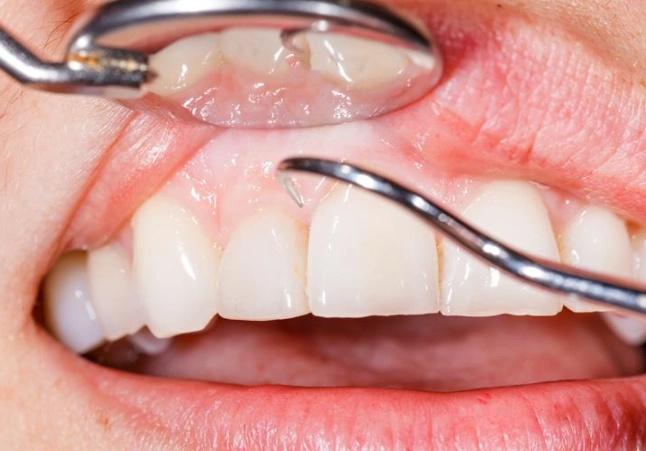
For many people, by the 4-week mark, the gums look pink, stippled (like an orange peel), and feel firm. They don't bleed with gentle brushing or flossing. The sensitivity often continues to improve dramatically.
Month 2 to Month 6: The Maturation and Stabilization Phase
Healing doesn't stop at one month. The deeper connective tissues and bone around your teeth continue to remodel and strengthen. This is a slower, behind-the-scenes process.
If you had significant bone loss due to periodontitis, this is the period where any potential for slight bone regeneration (in ideal conditions) might occur, although managing the disease and preventing further loss is the primary goal.
Your 4-6 week follow-up appointment with your dentist or hygienist is crucial here. They will check how the healing is progressing, measure your gum pockets again to see the reduction in depth (a key sign of successful healing), and reinforce your home care routine.
So, when someone asks how long does it take for gums to heal after a deep clean, a dentist might give the "4 to 6 weeks" answer for the initial, active tissue healing. But full stabilization and the completion of deeper tissue remodeling can easily take 3 to 6 months. Your commitment during this entire period is what locks in the success of the treatment.
Key Takeaway: The visible healing (pink, firm, non-bleeding gums) is mostly done in 4-6 weeks. The complete, biological healing and stabilization of the supporting structures take several months. Both timelines matter.
What Factors Can Speed Up or Slow Down Your Healing Time?
This is where your personal habits and health play a massive role. The timeline above is an average. Your own journey could be shorter or longer based on these factors.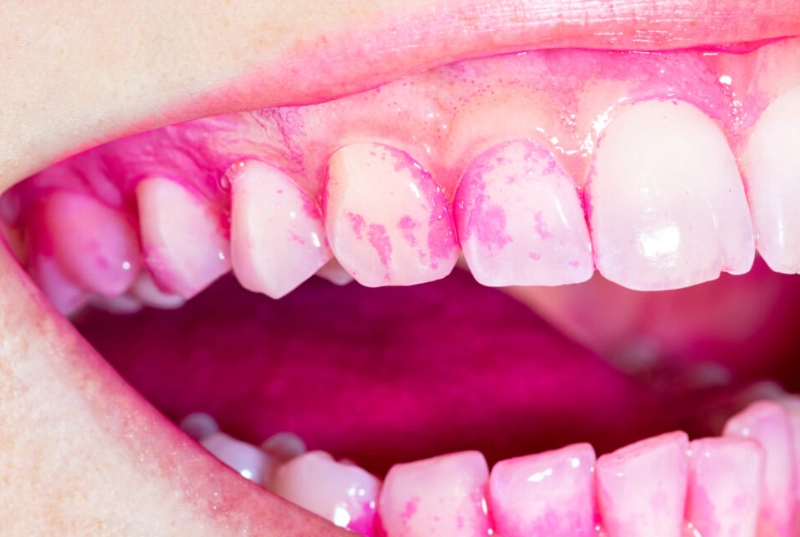
| Factor | Impact on Healing | Why It Matters |
|---|---|---|
| Your Oral Hygiene After the Procedure | HUGE Impact. This is the #1 controllable factor. | Gentle, thorough cleaning removes the daily plaque film that would re-infect the healing pockets. Skipping it is like picking at a scab. |
| Smoking or Tobacco Use | Significantly Slows Healing. One of the worst things for it. | Nicotine constricts blood vessels, drastically reducing blood flow (and thus oxygen/nutrients) to the gums. It also impairs immune response. The American Dental Association clearly links smoking to poor periodontal outcomes. |
| The Severity of Your Gum Disease | Major Impact. | A mild case (gingivitis) heals faster because only the gum tissue is involved. Moderate to severe periodontitis, with deeper pockets and possible bone loss, has more tissue to heal and stabilizes over a longer period. |
| Your Overall Health | Significant Impact. | Conditions like uncontrolled diabetes can severely impair healing and fighting infection. Other factors like stress, poor nutrition, and certain medications also play a role. |
| How Well You Follow Post-Op Instructions | Direct Impact. | Using prescribed mouthwash (like chlorhexidine), attending follow-ups, and avoiding certain foods/beverages directly support the healing environment. |
| Genetic Factors & Age | Some Impact. | Some people simply heal faster than others. Generally, healing can be slightly slower as we age, but good health and hygiene outweigh this factor. |
See that top factor? It's all on you after you walk out of the clinic. The procedure does the heavy lifting of removing the cause of the problem, but you maintain the clean slate. If you go back to old habits, the inflammation and infection will absolutely come back, and you'll feel like you never healed properly.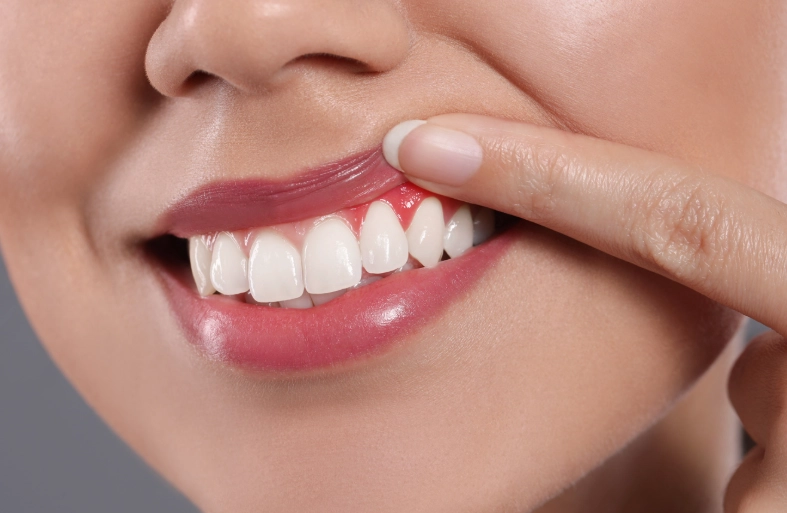
The Non-Negotiables: Your Aftercare Checklist for Faster Healing
Want to tip the scales towards a faster, smoother recovery? This isn't just a nice-to-have list; it's the protocol that gives you the best shot at a good outcome.
What You MUST Do
- Gentle But Meticulous Cleaning: The day after your procedure, you need to start brushing. Use an ultra-soft toothbrush and be gentle, especially along the gumline. Angle the bristles toward the gumline. The goal is to clean without trauma.
- Floss, But Do It Right: Yes, you need to floss. If your gums are too tender for traditional floss the first few days, try a water flosser on a low setting. When you use string floss, don't snap it down; gently guide it between teeth and curve it against one tooth, sliding it up and down just under the gumline, then repeat on the adjacent tooth. Bleeding a little at first is normal and should decrease within a week if you're consistent.
- Use Any Prescribed Rinses: If your dentist gave you a therapeutic mouthwash like chlorhexidine gluconate, use it exactly as directed. It helps control bacteria in areas that are too tender to brush effectively at first. Don't use it longer than recommended, as it can cause staining.
- Manage Discomfort Wisely: Over-the-counter pain relievers like ibuprofen can help with inflammation and pain. Always follow the label or your dentist's advice. A cold compress on the outside of your cheek for 15-minute intervals can reduce swelling in the first 24 hours.
- Stay Hydrated: Drink plenty of water. It helps your overall healing and keeps your mouth clean.
What You MUST Avoid
- Aggressive Brushing or Flossing: Do NOT scrub hard thinking it will get you "extra clean." You will damage the delicate healing tissue and set yourself back. This is a common mistake.
- Smoking and All Tobacco Products: I can't stress this enough. If there was ever a time to quit or at least pause, it's now. It directly sabotages the healing process.
- Hard, Crunchy, Sticky, or Spicy Foods: For at least the first week, give your gums a break. No chips, nuts, popcorn, caramel, or hot peppers. They can physically irritate or get lodged in healing areas.
- Very Hot Foods and Drinks: Stick to lukewarm or cool. Heat can increase blood flow and swelling in the initial phase.
- Using Straws (for the first few days): The suction action can put pressure on the healing sites and potentially dislodge the delicate blood clots that are forming, a condition called dry socket (which is more common with extractions but still a risk with deep cleaning in severe cases).
- Poking or Probing the Area: Resist the urge to constantly feel the area with your tongue or finger. Leave it alone.
Sticking to this list is how you actively answer the question for yourself: how long does it take for gums to heal after a deep clean? You have direct control to make that timeline as short as possible.
Red Flags: When to Actually Call Your Dentist
Most of what you feel is normal. But sometimes it's not. You need to know the difference so you don't ignore a real problem.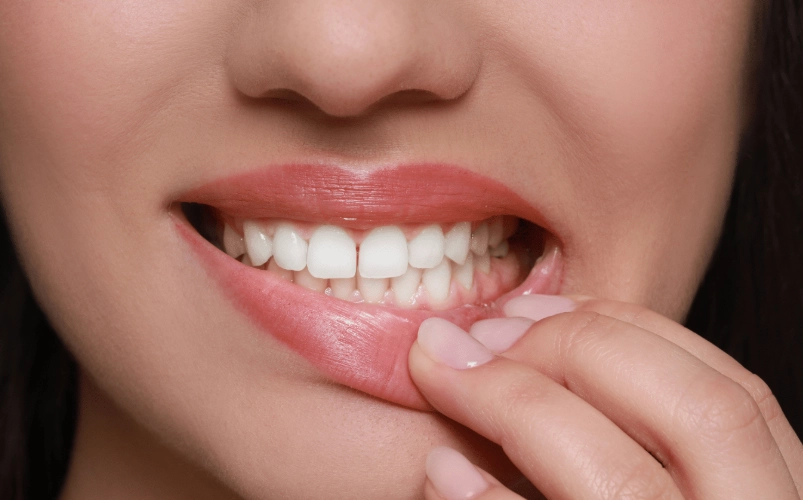
Call your dental office if you experience:
- Severe, Throbbing Pain that isn't relieved by over-the-counter medication and gets worse after 2-3 days (instead of better).
- Heavy, Uncontrolled Bleeding that doesn't slow down with gentle pressure (like biting on a clean gauze pad for 20 minutes).
- Signs of Infection: Increasing swelling after the first 48 hours, pus discharge from the gums, a foul taste in your mouth that won't go away, or fever.
- Numbness that persists long after the local anesthetic should have worn off.
- Allergic Reaction: Rash, itching, or significant swelling in areas beyond your gums/mouth (this could be a reaction to a material or medication used).
Your Burning Questions, Answered (The FAQ Section)
The Long Game: What Happens After the Healing?
Okay, your 4-6 weeks are up. Your gums look great, feel firm, don't bleed. You're done, right?
Not even close.
A deep cleaning is a treatment for an active disease (gum disease). It is not a cure. The disease is chronic and manageable, like high blood pressure. If you stop managing it, it comes back.
This is the most critical part of the answer to how long does it take for gums to heal after a deep clean—the healing is just the beginning of a new routine. The "long game" is maintenance.
You will likely be placed on a periodontal maintenance schedule. This means professional cleanings every 3-4 months, instead of every 6 months. These maintenance visits are essential. Your hygienist will clean areas you can't reach, check your pocket depths, and catch any recurrence early. This is the standard of care endorsed by periodontal specialists to maintain the results of your initial therapy.
Your daily home care is now non-negotiable, forever. The deep clean gave you a fresh start, a reset button. What you do every day determines whether you stay in this healthy state or slide back into inflammation, deeper pockets, and potential bone loss.
So, the final, most complete answer? The initial healing of your gums after a deep clean takes about 4 to 6 weeks. But the journey to lasting oral health—the true "healing" from the disease process—is a lifelong partnership between you and your dental team. It's an investment of time and habit that pays off every time you smile, eat without pain, and keep your natural teeth for a lifetime.
Final Thought: The discomfort and the weeks of careful attention are a small price to pay for getting control of your gum health. Think of it not as a punishment, but as the most proactive thing you can do for your long-term health. The mouth-body connection is real—healthy gums contribute to a healthier you.