Quick Navigation
- Why Does Rinsing With Salt Water Even Work for a Toothache?
- The Right Way to Mix and Use a Salt Water Rinse
- So, How Long Does the Relief Actually Last?
- What Affects How Long the Salt Water Relief Lasts?
- When Salt Water Is NOT Enough: The Big Red Flags
- Frequently Asked Questions
- Beyond Salt Water: Other Temporary Measures
- The Final Word: It's a Timer, Not a Solution
You're scrolling online at 2 AM, your jaw throbbing, and the dentist's office is closed until morning. You remember your grandma's advice: "Rinse with warm salt water." You do it, and for a few blissful moments, the pain eases. But then it creeps back. And you're left wondering, how long does salt water help toothache anyway? Is it just a placebo, or is there real science here?
Let's cut through the noise. I've been there—leaning over the sink, hoping a simple mixture of salt and water will be my knight in shining armor. Sometimes it worked wonders; other times, it felt like spitting into the wind. The truth about how long salt water helps a toothache isn't a single number. It depends on a ton of factors: what's *causing* the pain, how bad it is, and even how you mix the darn rinse.
This guide isn't just about repeating old advice. We're going to dig into why it works (spoiler: it's mostly about osmosis and reducing inflammation), show you the absolute best way to do it for maximum relief, and crucially, talk about when this home remedy is just putting a tiny bandage on a gaping wound that needs a dentist. Because let's be real—no one wants to be rinsing every 20 minutes forever.
Why Does Rinsing With Salt Water Even Work for a Toothache?
Before we get into timing, it helps to know what you're actually doing. It's not magic; it's simple biology and chemistry.
Think of your painful gum or tooth socket as a swollen, irritated neighborhood. Bacteria and food particles are throwing a riot, and your body has sent in fluid (inflammatory fluid) to try and control the situation. This fluid buildup causes pressure, and pressure on nerves equals pain. Ouch.
Enter the salt water solution. When you swish it around, you're creating what's called a hypertonic environment. Fancy term, simple idea: the salt concentration outside the swollen tissues is higher than inside them. Through the process of osmosis, fluid is gently drawn out of the inflamed area and into the saltier mouth rinse. Less fluid means less swelling and less pressure on the nerves. It's like gently deflating a tiny, painful balloon.
On top of that, salt is mildly antiseptic. It doesn't kill all bacteria with the fury of a prescription mouthwash, but it can help disrupt the bacterial party happening in the crevices, making it harder for them to thrive and worsen the infection. The warm water also soothes the tissues and can help loosen any debris stuck near the gumline or in a cavity.
So, when you ask, "How long does salt water help toothache pain?" you're really asking how long this reduction in swelling and mild cleansing effect lasts before the inflammatory process cranks back up again.
The Right Way to Mix and Use a Salt Water Rinse (Most People Get This Wrong)
If you're just tossing a pinch of salt into a glass of tap water, you're not getting the full benefit. The concentration and temperature matter a lot for both effectiveness and comfort. A weak solution won't pull enough fluid out. A super strong one can irritate your tissues and make things worse—trust me, I've made that mistake. It feels like rinsing with seawater from the Dead Sea.
Here’s the gold-standard recipe I've settled on after trial and error (and confirming with dental hygiene resources):
- Ingredients: 1 cup (8 ounces) of warm water. Not hot. "Warm" like a nice bath. Hot water can scald and increase inflammation.
- Salt: 1/2 teaspoon of non-iodized salt (table salt is fine, but sea salt or kosher salt without additives is often gentler).
- Mixing: Stir until it's completely dissolved. Undissolved salt crystals can be abrasive.
Now, for the technique, which is just as important:
- Take a comfortable mouthful. Don't fill your cheeks like a chipmunk.
- Swish gently. We're not trying to power-wash your tonsils. Focus the rinse around the painful area. Tilt your head to let it pool there.
- Time it: Aim for 30 seconds to 1 full minute. Any less and the osmosis doesn't have time to work properly. Any longer and you're just getting bored and your jaw gets tired.
- Spit it out. Don't swallow it—it's not harmful in small amounts, but it's unpleasant and you're spitting out loosened debris.
- Do not rinse with plain water afterward. This is a common error. You want the slight residual salt film to continue working. Just spit and let it be.
Doing it right maximizes how long the salt water can help your toothache. A sloppy rinse might give you 20 minutes of relief; a proper one can stretch that to an hour or more.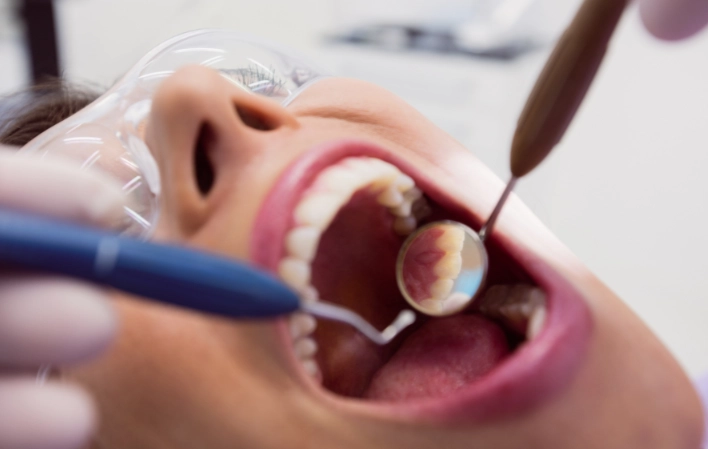
So, How Long Does the Relief Actually Last?
Here's the heart of the matter. Based on the mechanism and personal/anecdotal experience (and what dental professionals often say), here's a realistic timeline:
| Phase | What to Expect | Typical Duration | Why This Happens |
|---|---|---|---|
| Immediate Soothing | The warm water provides instant calming sensation as it contacts the area. | First 10-15 seconds | Warmth increases blood flow temporarily and feels comforting against throbbing pain. |
| Peak Relief | Noticeable reduction in throbbing, sharp pain. Area feels less "tight" and swollen. | 15 minutes to 1 hour after rinsing | Osmosis has drawn out inflammatory fluid, reducing pressure on nerves at its maximum effect. |
| Gradual Return | Pain begins to creep back, but often at a lower intensity than before the rinse. | Starts after 1-2 hours | The underlying cause (infection, cavity, abscess) continues to produce inflammation, refilling the area with fluid. |
| Diminishing Returns | Subsequent rinses might not last as long or be as effective if the problem is worsening. | Over the next 12-24 hours | The body's inflammatory response can overwhelm the temporary fix of the salt rinse. |
So, if someone asks you "how long does salt water help toothache?", you can say the core relief window is usually 1 to 2 hours, with the best part being in the first hour. But that's an average. A minor gum irritation from a popcorn hull might feel better for half a day. A deep pulp infection (an abscess) might only be quiet for 20 minutes before the throbbing returns with a vengeance.
What Affects How Long the Salt Water Relief Lasts?
Not all toothaches are created equal. Here’s what shortens or lengthens that relief window:
- The Root Cause: This is the biggest factor.
- Food Debris/Gingivitis: If the pain is from something stuck or mild gum inflammation, relief can last several hours or even resolve it.
- Cavity/Dentin Exposure: A shallow cavity might feel better for a good while as the salt cleans it. A deep one hitting the nerve? Short relief.
- Abscess/Infection: This is a serious bacterial infection at the root. Salt water is a tiny dam against a tidal wave of inflammation. Relief is very short-lived, maybe 15-30 minutes. This is a major red flag.
- Your Technique: As we covered, proper mix and swishing time matter.
- Your Own Biology: Some people's inflammatory responses are just more aggressive than others.
When Salt Water Is NOT Enough: The Big Red Flags
This is the most critical part of this whole discussion. Using a salt water rinse can buy you time, but it can also dangerously fool you into thinking you've fixed the problem. You haven't. It's a palliative care, not a treatment.
- The pain is severe, throbbing, and keeps you up at night.
- You have swelling in your cheek, jaw, or under your tongue.
- You have a fever.
- The pain lasts for more than 1-2 days, regardless of rinsing.
- You have trouble breathing or swallowing.
- You see a pimple-like bump on your gum near the painful tooth (this is a dental abscess draining).
I learned this the hard way once, trying to "rinse away" a wisdom tooth infection over a long weekend. The relief from how long the salt water helped the toothache got shorter and shorter until there was no relief at all—just constant, radiating pain. The dentist later told me the infection had started to spread into the jaw space. Not fun, not smart. Don't be me.
Frequently Asked Questions (What People Really Want to Know)

Beyond Salt Water: Other Temporary Measures While You Wait for the Dentist
Sometimes you need a multi-pronged approach to get through the night. Salt water is your first line of defense, but here are other tactics that can work in tandem:
- Cold Compress: Apply a cold pack or ice wrapped in a towel to the outside of your cheek for 15-minute intervals. This constricts blood vessels, reduces swelling and numbs the area. This is great for pain with visible swelling.
- Over-the-Counter Pain Relievers: Ibuprofen (Advil) or Naproxen (Aleve) are anti-inflammatory and can work synergistically with the salt rinse by reducing systemic inflammation. Acetaminophen (Tylenol) helps with pain but not swelling. Always follow label directions and check with your doctor if you have contraindications. This is often the most effective way to extend your comfort window.
- Clove Oil (Use with extreme caution): A tiny amount of clove oil (eugenol) on a cotton ball dabbed on the area can have a numbing effect. It's powerful but can burn gum tissue if used undiluted or too often. It's a last-resort, temporary numbing agent, not a treatment.
- Keep Your Head Elevated: When lying down, use an extra pillow. This reduces blood pressure to the head and can lessen the throbbing sensation.
The Final Word: It's a Timer, Not a Solution
So, let's circle back to the original, late-night search query: How long does salt water help toothache?
You now know it's a reliable, safe, and effective way to get 1 to 2 hours of meaningful relief by reducing inflammation and cleaning the area. Doing it right extends that window. But that relief is a gift of time—time you should use to call and schedule a dental appointment.
The duration of relief is the canary in the coal mine. If how long the salt water helps your toothache is steadily decreasing—from two hours, to one, to thirty minutes—the problem is getting worse, not better. Listen to that.
A salt water rinse is a testament to simple, ancient wisdom that has a solid scientific basis. It belongs in everyone's home remedy toolkit. But it's not a substitute for professional dental care. Use it to soothe, use it to cope, but don't use it to delay. Your future self, pain-free and with a healthy smile, will thank you for understanding the difference.
Now, go mix that rinse properly, get some rest, and make that call in the morning.