Let's be honest. The idea of teeth whitening when you have sensitive teeth feels like choosing between looking good and feeling okay. You see the ads for dazzling smiles, but you remember that zing from a cold drink or the twinge when you brush. The thought of applying bleach to those already-touchy teeth? No thanks.
I get it. I've sat across from enough patients who've given up on a brighter smile because they're convinced it's just not for them. But here's what most articles don't tell you: sensitivity isn't a stop sign. It's a detour sign. It means you need a different map, one that prioritizes gentleness over aggression. With the right approach, you can absolutely achieve a noticeable whitening effect without sending your nerves into a panic.
The secret isn't in powering through the pain with a "stronger" product. That's the fastest way to make things worse. The secret is in understanding why your teeth are sensitive, choosing mechanisms that work around that vulnerability, and managing the process with more care than a bomb disposal expert.
What's Inside This Guide?
- Why Sensitive Teeth React Badly to Standard Whitening
- Clinic Whitening vs. At-Home Kits: What's Actually Safer?
- A Closer Look at At-Home Products for Sensitivity
- Your Step-by-Step Plan for Safe, Pain-Free Whitening
- Keeping Your Teeth White (and Happy) Long-Term
- Your Top Whitening Questions, Answered Without the Fluff
Why Sensitive Teeth React Badly to Standard Whitening
Tooth sensitivity usually happens when the dentin—the layer under your hard enamel—gets exposed. Dentin is full of microscopic tubules that lead straight to the nerve. When heat, cold, acid, or pressure hits those tubules, you feel it. Sharp and fast.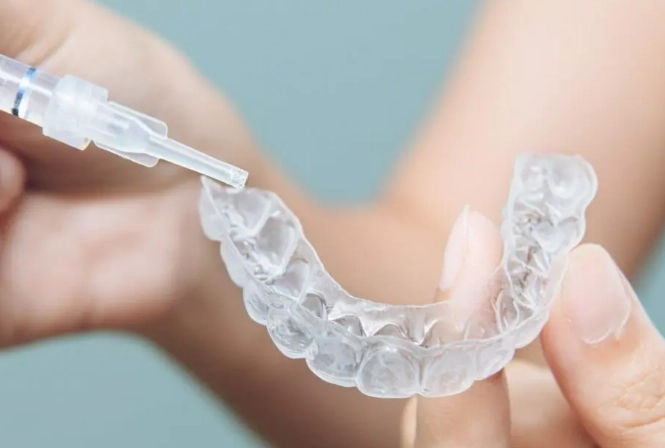
Most whitening gels use peroxide (hydrogen peroxide or carbamide peroxide). It works by breaking down stain molecules. But peroxide is also a mild irritant. It can temporarily increase tooth sensitivity and dehydrate the tooth slightly. For a healthy tooth with thick enamel, this is often a minor, passing sensation. For a tooth where the dentin is already whispering to the nerve, it's like pouring lemon juice on a paper cut.
Here’s a mistake I see constantly: people think a higher peroxide concentration equals better results. For sensitive teeth, it's the opposite. A 40% in-office gel might whiten in one hour, but it could cause days of misery. A 10% carbamide peroxide gel used for two weeks might get you to the same place with far less drama. It's about the total dose over time, not the shock and awe.
The non-consensus bit: The biggest trigger isn't always the peroxide itself. It's the acidity of many whitening formulas. Some gels have a low pH to increase stability and effectiveness, but that acid can temporarily open up those dentin tubules even more. Always check the pH if you can, or look for products specifically buffered for sensitivity.
Clinic Whitening vs. At-Home Kits: What's Actually Safer?
This is where people get it backwards. They assume professional means harsher. Not necessarily.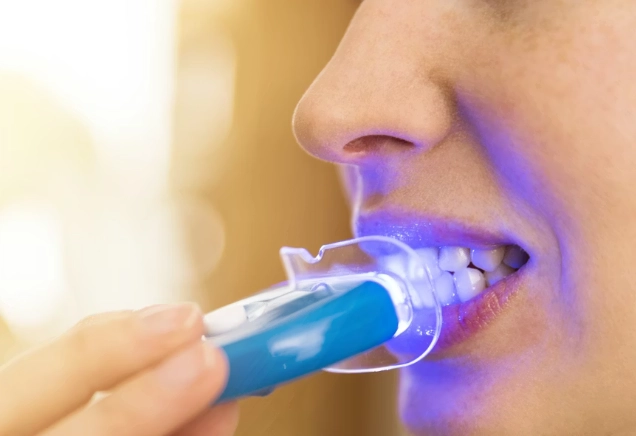
In a dental office, the key advantage is control. A dentist can apply protective barriers (like liquid dam or stronger desensitizers) directly to your gums and teeth before the gel goes on. They can use a light or laser, not to "activate" the gel (a common myth), but to accelerate the process, meaning the gel is on your teeth for a shorter period. Most importantly, they can assess the cause of your sensitivity. If it's due to gum recession or a cracked filling, whitening over that is a bad plan.
At-home kits offer gradual adjustment. You start with shorter applications. If something feels off, you stop immediately. You're in the driver's seat.
| Method | Best For Sensitivity Because... | The Potential Downside | Approx. Cost Range |
|---|---|---|---|
| In-Office Whitening | Supervised application, pre-treatment desensitizers, fastest treatment time. | Higher upfront cost; potential for immediate post-treatment sensitivity (though managed). | $500 - $1,000 |
| Dentist-Dispensed Take-Home Trays | Custom-fit trays prevent gel leakage onto gums, lower concentration gels. | Requires discipline; process takes 1-4 weeks. | $300 - $600 |
| Over-the-Counter (OTC) Sensitive Kits | Lowest peroxide percentages, often include desensitizing ingredients like potassium nitrate. | One-size-fits-all trays can irritate gums; slower, more subtle results. | $20 - $80 |
For someone with moderate to severe sensitivity, the dentist-dispensed take-home tray is often the sweet spot. You get the custom fit to protect your gums and can use a gentle, prescription-strength gel on your own schedule.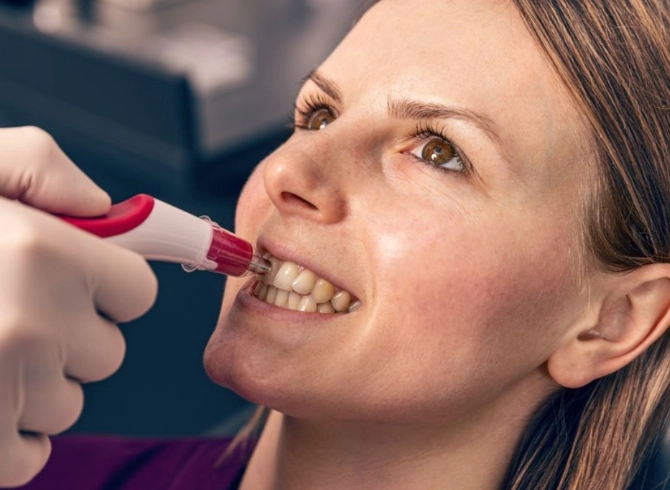
A Closer Look at At-Home Products for Sensitivity
Walking down the dental aisle is overwhelming. Strips, pens, trays, lights. Ignore the marketing hype about "blue light technology"—its contribution for OTC kits is minimal at best. Focus on the ingredient list and design.
Look for these two things in the formula:
1. Potassium Nitrate or Arginine. These are desensitizing agents. Potassium nitrate calms the nerve. Arginine, often combined with calcium carbonate, plugs up those open dentin tubules. Some products have them in the whitening gel itself. Others include a separate pre-or-post-treatment serum.
2. Fluoride. It helps remineralize enamel, acting as a temporary shield. A fluoride-containing whitening product is a smart choice.
Now, let's talk about a specific product type I'm cautiously optimistic about for sensitive teeth: whitening toothpastes with low-abrasion and hydrogen peroxide. Not all whitening toothpastes are equal. The ones that rely solely on harsh abrasives to scrub stains are terrible for sensitive teeth. But a paste with a small amount of hydrogen peroxide (1-2%) and a gentle abrasive like silica can provide a very gradual brightening effect with minimal risk. You're already brushing twice a day—it's a no-effort addition. Brands like Sensodyne Extra Whitening or Colgate Sensitive Whitening are built on this model. Don't expect dramatic changes, but for maintenance and mild staining, they work.
I tried one of the popular "LED light" kits at home out of curiosity. The gel was runny, the mouthpiece bulky, and my gums tingled unpleasantly within minutes. The result? Meh. It reinforced my belief: a simple, well-formulated gel in a proper tray (custom or a good boil-and-bite) beats gadgetry every time for sensitive users.
Your Step-by-Step Plan for Safe, Pain-Free Whitening
Okay, you've picked a gentle product. Here's how to use it without inviting pain.
Week Before: Start using a desensitizing toothpaste like Sensodyne or Colgate Sensitive. Brush with it twice a day, but don't rinse with water after—just spit out the excess. This lets the potassium nitrate or stannous fluoride sit on your teeth longer. This preps your teeth.
Day Of, First Application: Cut the recommended time in half. If the strip says 30 minutes, do 15. If the tray regimen says 1 hour, do 30. This is non-negotiable. You're testing the waters.
Dry your teeth lightly with a tissue before applying gel or strips. Saliva dilutes the gel. A drier surface means better adhesion and less runoff onto gums.
If You Feel Zinging: Stop. Rinse. It's not a sign of weakness; it's smart listening to your body. Skip a day, use your desensitizing toothpaste, and try again for an even shorter time next session.
The Rhythm: Think "every other day" rather than daily marathon sessions. This gives your teeth a recovery day. Whitening isn't a sprint.
Aftercare is Critical: For 1-2 hours after whitening, avoid all triggers. No coffee, red wine, soda, berries, or smoking. Your enamel is slightly more porous and will soak up new stains like a sponge. Drink water.
What If It Still Hurts? The Fallback Plan.
Even with all this, some sensitivity might creep in. Have a plan B.
Keep a tube of plain, non-whitening, desensitizing toothpaste on hand. When sensitivity flares, apply a pea-sized amount directly to the sensitive areas with your finger and leave it on for 5-10 minutes before bed. Don't rinse. It's a targeted treatment.
Consider switching to a "whitening serum" style product. These are often lower concentration and you paint them on precisely, avoiding gums entirely. Less product waste, more control.
Keeping Your Teeth White (and Happy) Long-Term
Whitening isn't permanent. Stains come back. But with sensitive teeth, you can't do a "touch-up" every month with a strong strip.
Your maintenance plan should be passive and protective.
Use a straw for coffee, tea, and dark sodas. It seems silly, but it bypasses your front teeth. Rinse with water after eating or drinking anything colorful. Wait at least 30 minutes after eating/drinking anything acidic (like orange juice) before brushing. Acid softens enamel, and brushing then can wear it away.
Your one active maintenance tool? That whitening desensitizing toothpaste you used to prep. Using it daily keeps both sensitivity at bay and prevents new stains from building up deeply.
I tell my patients to think of a "whitening booster" session maybe once every 3-6 months, using their gentle kit for just one or two short applications. It's enough to knock back surface stains without restarting the sensitivity cycle.
Your Top Whitening Questions, Answered Without the Fluff
The bottom line is this: whitening with sensitive teeth isn't about finding a magic bullet. It's about strategy, patience, and listening to your body. Ditch the "no pain, no gain" mindset. Embrace the "slow and steady wins the race" approach. Your smile—and your nerve endings—will thank you for it.