That weird, cottony feeling in your mouth. Those slightly painful white patches that won't rub off. If you're searching for how to cure oral thrush, you've likely just confirmed your suspicion: it's a Candida overgrowth. Here's the straight truth you need right now. Curing oral thrush isn't just about a pill or a rinse. It's a two-part battle: knocking out the current infection with the right antifungals, and changing the environment in your mouth so it can't come back. Most guides get the first part right but completely botch the second, which is why so many people deal with repeat episodes. Let's fix that.
What’s Inside This Guide
- Spotting Oral Thrush: More Than Just White Patches
- The Doctor's Arsenal: Prescription Antifungal Treatments
- Home Care & Supportive Remedies (What Actually Helps)
- The Prevention Playbook: How to Stop Oral Thrush from Returning
- Common Mistakes That Make Oral Thrush Worse
- Your Oral Thrush Questions, Answered
Spotting Oral Thrush: More Than Just White Patches
Before you treat it, be sure it's thrush. The classic sign is creamy white lesions on your tongue, inner cheeks, or the roof of your mouth. They look like cottage cheese and usually can't be scraped off easily. If you do manage to rub one off, the area underneath will be red and raw, and might bleed a little.
But it's not always so obvious.
Sometimes, especially in adults with dentures, it just causes generalized redness and soreness under the denture plate (called denture stomatitis). You might have a burning sensation, a loss of taste, or just feel like cotton is stuffed in your mouth. Cracked, red corners of the mouth (angular cheilitis) can also be a thrush-related issue.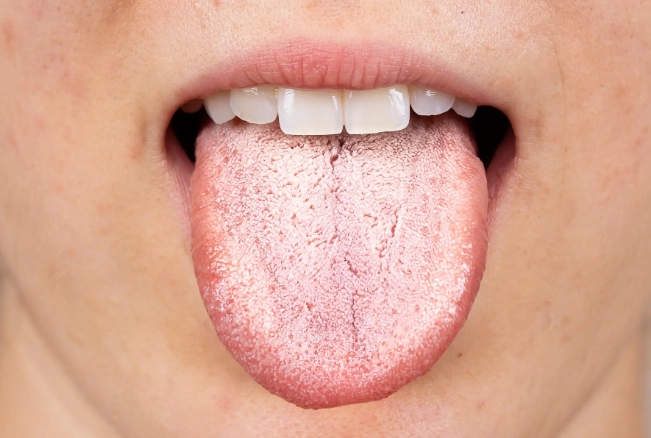
The Doctor's Arsenal: Prescription Antifungal Treatments
This is your primary weapon. Over-the-counter options for true oral thrush are limited. A proper diagnosis leads to the right prescription, which is typically one of these:
| Treatment | How It's Used | Typical Course | Key Point |
|---|---|---|---|
| Nystatin Suspension (Liquid) | Swish and swallow, or "paint" on patches with a swab. | 4-5 times daily for 7-14 days. | Must have prolonged contact with lesions. Don't eat/drink for 30 mins after. |
| Clotrimazole Lozenges | Dissolve slowly in the mouth. | 5 times daily for 7-14 days. | Don't chew or swallow whole. Let it coat the mouth. |
| Fluconazole (Diflucan) Tablet | Oral pill, swallowed. | Often a single dose or daily for 7-14 days. | Systemic treatment. Used for more severe or recurrent cases. |
Here’s the non-consensus part everyone misses: You must use the medication for the full prescribed length, even if symptoms disappear in 2-3 days. Stopping early is the #1 reason for recurrence. You've killed the easy-to-reach fungus, but the deeper biofilms linger and regroup.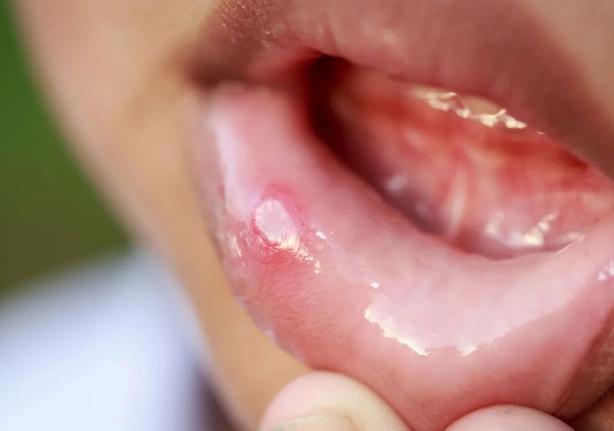
Let me tell you about Sarah, a patient story a dentist friend shared. Sarah had thrush, used nystatin for four days until the white patches were gone, and stopped. Two weeks later, it was back. Why? She treated the symptom, not the population. The second time, she completed the full 14-day course and replaced her toothbrush on day 1 and day 7. It never returned.
Home Care & Supportive Remedies (What Actually Helps)
Home remedies won't cure a moderate to severe infection on their own, but they can make you more comfortable and support medical treatment.
Rinses for Comfort and Environment
Saltwater Rinse: The simplest and most effective supportive measure. Mix 1/2 teaspoon of salt in a cup of warm water. Swish for 30 seconds and spit. Do this 2-3 times a day, especially after meals. It soothes inflamed tissue and creates a less friendly environment for Candida.
Diluted Baking Soda Rinse: Similar concept. 1/2 teaspoon baking soda in a cup of water. Some studies, like those cited by the Mayo Clinic, note it may help by altering pH levels.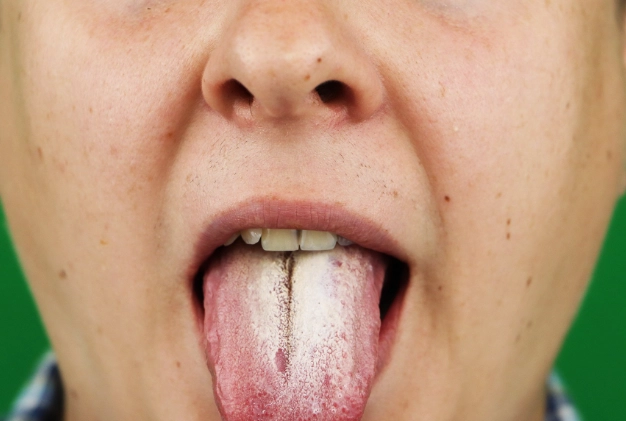
The Probiotic Question: Yogurt and Supplements
Eating plain, unsweetened yogurt with live cultures (like *Lactobacillus*) or taking probiotic supplements can help restore the balance of good bacteria in your body. Think of it as sending in reinforcements after the antifungal medication does the heavy fighting. It's a long-term strategy for balance, not an acute cure.
The Prevention Playbook: How to Stop Oral Thrush from Returning
This is where you win the war. Treating the current outbreak is just the first battle. If your mouth environment stays "Candida-friendly," it will be back.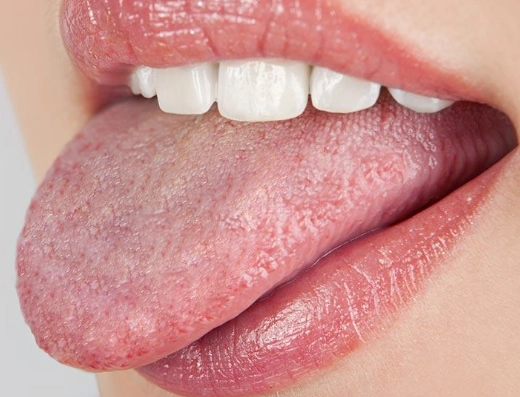
1. The Great Disinfection (Everyone Forgets This): Anything that goes in your mouth can harbor the fungus and re-infect you.
- Toothbrush: Replace it on the first day of treatment and again after you finish. Some recommend soaking it in antifungal mouthwash or hydrogen peroxide daily.
- Dentures/Retainers/Mouthguards: This is huge. Clean them meticulously. Soak dentures nightly in a proper denture cleanser and an antifungal solution if your dentist recommends it. Don't sleep in them unless absolutely instructed.
- Pacifiers & Bottle Nipples: For infants, boil these daily during treatment and for a week after.
2. Master Your Oral Hygiene: Brush twice daily, floss, and consider a tongue scraper. A clean mouth is a less inviting one for fungal overgrowth.
3. Address the Dry Mouth: Saliva is your body's natural defense. Medications, mouth breathing, or certain conditions cause dry mouth (xerostomia), a major thrush risk. Stay hydrated, chew sugar-free gum, and talk to your doctor about saliva substitutes if needed.
4. Look Under the Hood: Recurrent thrush can be a red flag. Are your blood sugar levels controlled if you're diabetic? Could you have a subtle immune issue? A nutritional deficiency (like iron, B12, folate)? Work with your doctor to check these boxes. The CDC notes that oral thrush can be an indicator of other health changes.
Common Mistakes That Make Oral Thrush Worse
I see these all the time in online forums.
Mistake 1: Using mouthwash with alcohol. It dries out your mouth, destroying your natural salivary defenses and making things worse in the long run.
Mistake 2: Scraping the patches aggressively. This damages the tissue, can cause bleeding, and may spread the infection.
Mistake 3: Only treating the person, not their environment. You took the fluconazole but are still using the same toothbrush and wearing your dentures 24/7. You're just cycling the infection.
Mistake 4: Ignoring diet. Sipping soda or sweet coffee all day while treating thrush is like pouring gasoline on a fire you're trying to put out.
Your Oral Thrush Questions, Answered
The bottom line for curing oral thrush is this: see a professional to get the right diagnosis and prescription. Use that medication exactly as directed, to completion. Then, do the unglamorous work of cleaning every object that touches your mouth and addressing the lifestyle factors that invited the overgrowth in the first place. It's not just about getting rid of the white patches today; it's about making sure they don't have a reason to come back tomorrow.