Quick Guide
- How Does a Fast Teeth Whitening Gel Actually Work?
- Safety First: Is a Fast Teeth Whitening Gel Safe for You?
- Choosing the Right Fast Whitening Gel: A Side-by-Side Look
- How to Use a Fast Teeth Whitening Gel for Best (and Safest) Results
- Your Fast Teeth Whitening Gel Questions, Answered
- The Final Verdict: Is a Fast Teeth Whitening Gel Worth It?
Let's be honest. We've all seen those ads. The ones with the impossibly white, glowing smiles achieved in what seems like minutes. The promise of a fast teeth whitening gel that transforms your teeth overnight is incredibly tempting, especially before a big event. I get it. I've been there, scrolling online at 2 AM, looking for a miracle in a tube.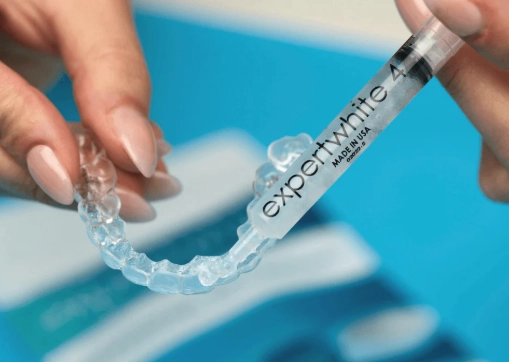
But here's the thing I learned the hard way: not all gels are created equal, and "fast" can mean a lot of different things. Some products deliver decent results, while others are a complete waste of money and can even leave your teeth feeling like they've been zapped by a tiny lightning bolt (hello, sensitivity!). This guide isn't about selling you a product. It's about giving you the straight facts so you can make a smart, safe decision. We're going to peel back the marketing layers and look at the science, the safety, and the realistic outcomes you can expect from a fast-acting teeth whitening gel.
How Does a Fast Teeth Whitening Gel Actually Work?
To understand what makes a gel "fast," you first need to know the basic mechanics. Tooth discoloration happens in two main ways. Surface stains (extrinsic stains) come from coffee, tea, red wine, and smoking. They sit on the outer enamel. Deeper stains (intrinsic stains) are within the tooth structure itself, sometimes caused by aging, trauma, or certain medications.
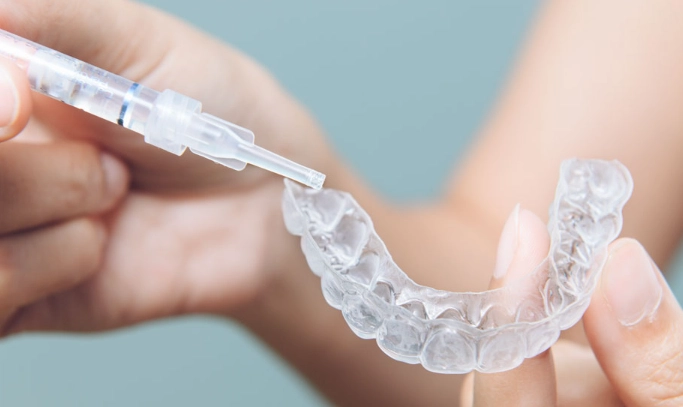
Most effective fast teeth whitening gels use peroxide as the active ingredient—either hydrogen peroxide or carbamide peroxide. Here’s the simple breakdown: the peroxide breaks down into oxygen molecules. These tiny molecules penetrate the enamel and dentin (the layer under the enamel) and react with the discolored molecules that are causing the yellow or brown color. This chemical reaction breaks the bonds of the stain compounds, effectively dissolving them and leaving your teeth lighter. The higher the peroxide concentration and the longer it's in contact with your teeth, the more dramatic the potential whitening effect. That's the core of the "fast" claim.
But speed isn't everything.
Key Ingredients to Look For (And Ones to Be Wary Of)
When you're scanning the ingredient list of a fast-acting teeth whitening gel, here’s your cheat sheet:
- Hydrogen Peroxide: The gold standard. It's the faster-acting peroxide because it breaks down and starts working immediately. Concentrations in over-the-counter (OTC) gels are regulated (usually 10% or less in the US, but rules vary). Professional treatments use higher concentrations under supervision.
- Carbamide Peroxide: A more stable compound that breaks down into hydrogen peroxide and urea. It releases peroxide more slowly, so it might take a bit longer but can be gentler. A 10% carbamide peroxide gel is roughly equivalent to about 3.5% hydrogen peroxide.
- Potassium Nitrate or Fluoride: These are your friends for sensitivity. Many of the better gels include them to help soothe nerve endings and remineralize enamel. If you have sensitive teeth, a gel with these is non-negotiable in my book.
Now, the less helpful stuff. Be skeptical of gels that rely heavily on vague terms like "natural whitening crystals" or "patented light technology" without disclosing the actual active whitening agent. Charcoal-based pastes or gels? The American Dental Association (ADA) has raised concerns about their abrasiveness. They might scrub off surface stains but can also wear down enamel over time, which is counterproductive and can make teeth look yellower. For a deep dive on the safety of whitening ingredients, the U.S. Food and Drug Administration (FDA) provides consumer guidelines on oral health products, which is a sobering, authoritative read.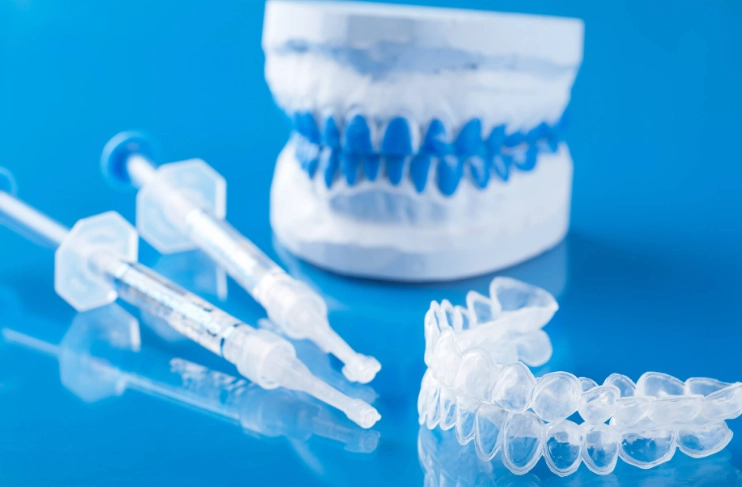
Safety First: Is a Fast Teeth Whitening Gel Safe for You?
This is the million-dollar question. Used correctly, OTC whitening gels with approved peroxide levels are generally considered safe for most people with healthy teeth and gums. The keyword is correctly.
The biggest risks aren't typically from the gel itself, but from misuse. Overusing the gel, leaving it on too long ("if 30 minutes is good, 2 hours must be better!" – a terrible idea), or using it on unhealthy teeth can lead to problems.
- Ignoring pre-existing dental issues: Using whitening gel on untreated cavities, cracked teeth, or severe gum disease is asking for trouble. The peroxide can irritate the pulp inside the tooth or inflamed gums, causing significant pain.
- Chasing an unrealistic shade of white: This leads to overuse. Your teeth can become dehydrated and temporarily look extremely white (a condition called "translucency"), but they will rehydrate and the color will rebound. More importantly, over-bleaching can lead to permanent sensitivity and damage.
- Using ill-fitting trays: If your kit includes trays, a poor fit means gel oozes onto your gums, causing irritation, bleaching, and even chemical burns. It's messy and painful.
I learned about the gum irritation one personally. I used a strip that slid around, and the gel touched my gumline. It wasn't a major burn, but it was a tender, white patch for a couple of days—a clear sign I wasn't being careful enough.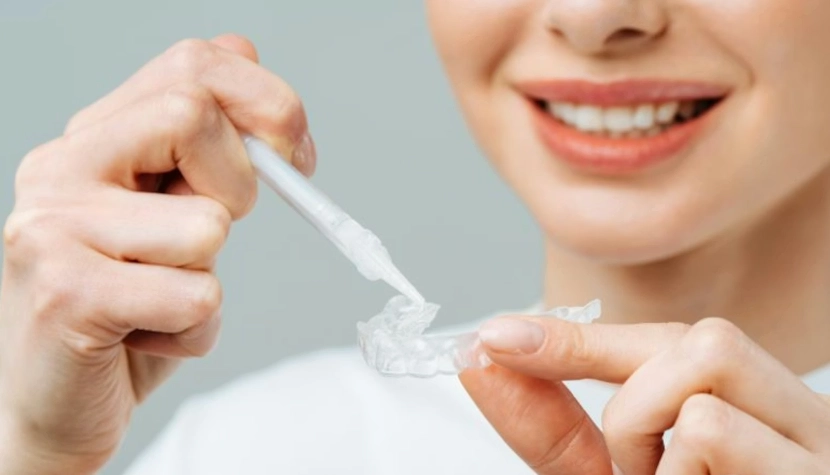
The American Dental Association's Seal of Acceptance is a good benchmark for safety and efficacy. If a product has it, it means it has met the ADA's standards. You can search for accepted products on their website. It's a resource I check regularly now.
Who Should Avoid or Consult a Dentist First?
You should probably hit pause and talk to a dentist before using any fast teeth whitening gel if:
- You have visible cavities, worn enamel, or exposed tooth roots.
- Your gums are receding or you have active gum disease.
- You have extremely sensitive teeth to hot and cold.
- You have many crowns, veneers, or fillings on your front teeth. The gel only works on natural tooth enamel. It won't change the color of these restorations, which could lead to a mismatched, patchy smile.
- You are pregnant or breastfeeding (there's limited research, so most advise caution).
Choosing the Right Fast Whitening Gel: A Side-by-Side Look
The market is flooded with options. To make sense of it, let's break down the main types. This table isn't about ranking brands, but about understanding the categories.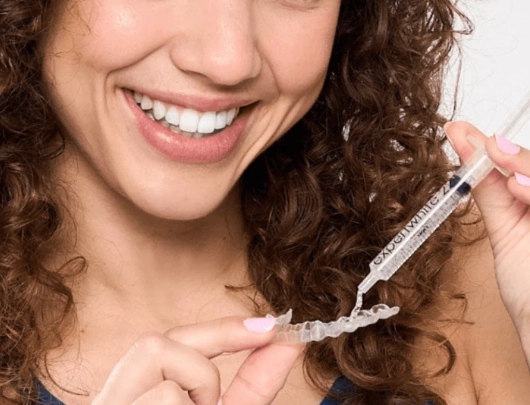
| Type of Product | How It Works / Key Feature | Realistic "Fast" Result Timeline | Best For... | Potential Downsides |
|---|---|---|---|---|
| Peroxide-Based Whitening Strips | Thin, flexible strips coated with a peroxide gel. Adhere to teeth for 30-60 min per session. | Visible change in 3-5 days. Full result in 1-2 weeks. | Convenience, targeting front teeth, controlled dosage. | Can be awkward to fit, may miss contours, gum irritation if gel leaks. |
| Whitening Gel with Custom/Semi-Custom Trays | Gel is applied into a tray that holds it against teeth. Some kits offer boil-and-bite trays for better fit. | Can see shifts in a few days. 1-2 weeks for noticeable lightening. | Better coverage than strips, especially for uneven teeth. | Poorly fitted trays cause gum issues. Saliva dilution can weaken gel. |
| "Non-Peroxide" or "Enamel Safe" Gels | Uses alternative agents like PAP (phthalimidoperoxycaproic acid) or low-dose peroxide. Often marketed as gentle. | Much slower. May take 2-4 weeks for subtle brightening. | Those with severe sensitivity or who want a very gradual approach. | The "fast" claim is highly relative. May not tackle deeper stains. |
| LED/Light-Accelerated Kits | Apply gel, then shine an LED light. Claims the light accelerates the peroxide reaction. | Marketing claims "1-hour whiten!" Reality is more like noticeable change after several sessions. | The tech-inclined user who likes the ritual. | Science is mixed on whether the light adds significant benefit for OTC kits. The ADA states that evidence for light-enhanced whitening is inconclusive and it may increase risk of sensitivity. |
My take? For most people seeking a balance of speed and results, a peroxide-based strip or a tray system from a reputable brand is the most reliable path. The LED lights? I've tried them. I didn't notice a dramatic difference in speed compared to the gel alone, but the gadget made me feel like I was doing something extra. Whether it was a placebo effect or not, the result was fine—but it wasn't magically faster.
How to Use a Fast Teeth Whitening Gel for Best (and Safest) Results
Okay, you've picked a gel. Now, let's maximize its effectiveness and minimize problems. This isn't just following the box instructions—it's about the prep and the follow-up that nobody talks about.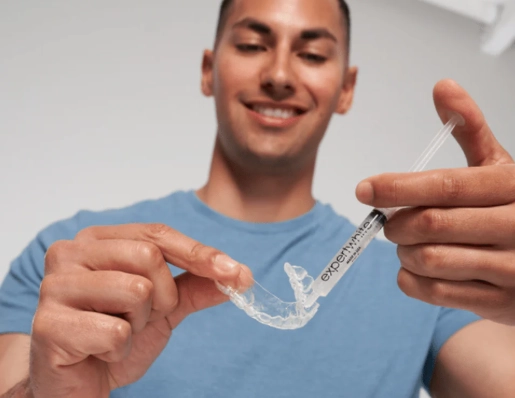
The Pre-Whitening Checklist
- Get a cleaning: Seriously. Having a professional dental cleaning removes plaque and tartar, allowing the gel to contact the enamel directly. It's like washing a car before you wax it. You'll get a better, more even result.
- Fix any dental problems: As mentioned, cavities or gum issues need to be addressed first.
- Stock up on toothpaste for sensitive teeth: Start using it a couple of weeks before you begin whitening. It helps build up protection.
- Manage expectations: Take a "before" photo in natural daylight. It's the only way to objectively judge your progress.
The Application Process: Step-by-Step
- Brush and floss gently. Don't brush aggressively right before, as this can temporarily roughen the enamel and increase sensitivity.
- Apply the gel exactly as directed. For trays, a pea-sized amount per tooth slot is plenty. More gel does not equal faster whitening—it equals more gum irritation. For strips, ensure they are firmly pressed onto the teeth, smoothing out bubbles.
- Set a timer. Never exceed the recommended time. If it says 30 minutes, do 30 minutes. Overexposure is a primary cause of sensitivity.
- Remove and rinse thoroughly. Rinse your mouth, rinse the trays, and gently brush away any residual gel from your teeth and gums.
- Care for your trays/strips. Store them clean and dry as instructed.
Avoid staining foods and drinks (coffee, tea, red wine, berries, soy sauce) for at least an hour after whitening. Your enamel is slightly more porous post-treatment and will absorb stains more easily. If you must drink coffee, use a straw. It sounds silly, but it works.
Dealing with Sensitivity – It's Common
Even with the best gel, some tingling or sensitivity to cold is normal. It usually subsides within a day or two of stopping treatment. What helps?
- Use a sensitivity toothpaste consistently.
- Space out your treatments. Instead of whitening daily, try every other day.
- Use a lower peroxide concentration or shorten the application time.
- If sensitivity is sharp and severe, stop immediately and give your teeth a break. It's your body's warning sign.
Your Fast Teeth Whitening Gel Questions, Answered
I've gathered the most common questions I had and ones I see pop up everywhere.
The Final Verdict: Is a Fast Teeth Whitening Gel Worth It?
After all this, my conclusion is a qualified yes. A quality fast teeth whitening gel can be a fantastic, cost-effective way to brighten your smile by several shades. The key is in the approach.
Don't fall for the most extreme "instant" marketing. See "fast" as meaning "days, not weeks." Prioritize safety features like fluoride or potassium nitrate, especially if you're prone to sensitivity. And for heaven's sake, follow the instructions—they're there for a reason.
The best gel is the one that works for your specific teeth, your sensitivity level, and your lifestyle. It might take a bit of experimentation to find your perfect match. Start with a well-reviewed product from a known brand, perhaps one with the ADA Seal, and see how your teeth respond.
Remember, the goal is a healthier, brighter smile, not a radioactive, paper-white grin. When used wisely, a fast teeth whitening gel can be a great tool in your self-care kit, giving you a genuine confidence boost. Just keep it real, keep it safe, and keep smiling.