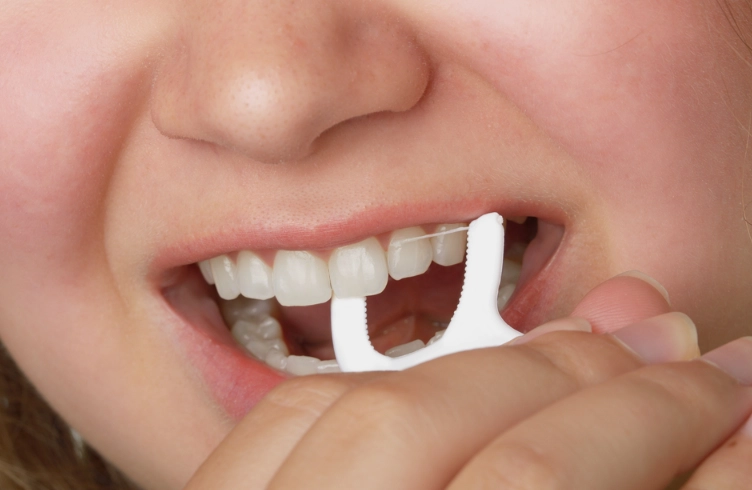
My dentist used to give me that look. You know the one. A slight sigh, a gentle shake of the head after poking around my gums. "You're flossing," she'd say, "but you're not really flossing." For years, I thought I had the routine down. Wrap, snap, pull. Done. It wasn't until a hygienist spent ten minutes showing me the microscopic dance I was missing that I realized my entire approach was a waste of good dental floss. If you've ever wondered if that quick swipe between your teeth is doing anything, you're not alone. Let's fix that.
What You'll Learn in This Guide
The Missing Piece: It's Not About Removing Food
Here's the non-consensus view that changed everything for me. Most people floss to remove a piece of spinach or popcorn. That's a nice bonus, but it's a side effect, not the goal. The primary purpose of flossing correctly is to disrupt and remove the plaque biofilm that forms on the sides of your teeth, below the gumline. Brushing can't get there.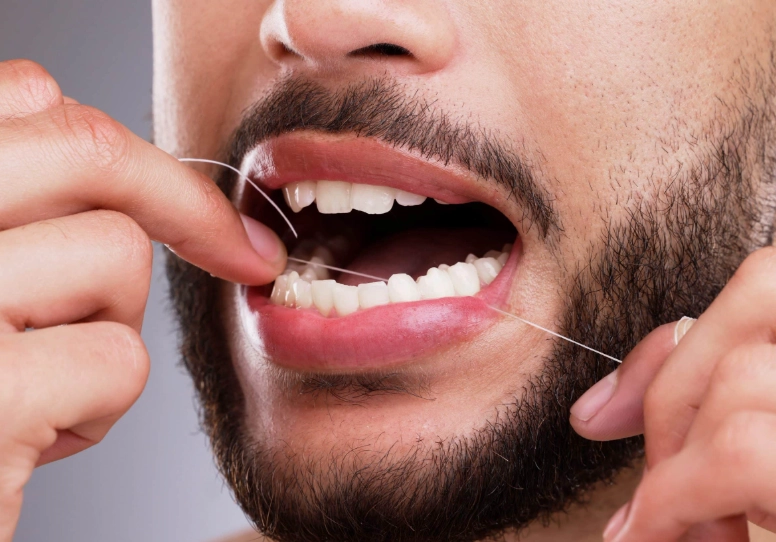
Plaque is a sticky, colorless film of bacteria. If it sits for 24-48 hours, it hardens into tartar (calculus), which you can't remove at home. This process at the gumline is what triggers gingivitis (red, swollen gums that bleed) and, eventually, periodontitis (bone loss). The American Dental Association states that interdental cleaners like floss are essential to removing plaque from areas your toothbrush can't reach.
The Core Concept
Think of it less like "cleaning a gap" and more like "scraping a wall." You're trying to scrape the bacterial film off the vertical wall of each tooth, right down to where the tooth meets the gum, and just under the gum's edge. The snapping motion is just to get the floss in position. The real work is the up-and-down scraping that follows.
The Step-by-Step Technique for Flossing Correctly
Forget the vague instructions. Let's get specific. This is for traditional string floss, which gives you the most control.
1. The Setup: How Much and How to Hold It
Break off about 18 inches (45 cm) of floss. Wind most of it around the middle finger of one hand. Wind the rest around the middle finger of the other hand. This gives you a fresh segment for each tooth. Use your thumbs and index fingers to guide a 1-2 inch section of taut floss between your fingers. Your fingers should be about an inch apart for control.
2. The Entry: Gentle Does It
Gently guide the floss between two teeth using a gentle back-and-forth sawing motion. Never snap the floss straight down onto your gums. If a contact is tight, use more sawing with gentle pressure. Forcing it can cause trauma.
3. The Critical Move: Forming the "C"
Once the floss passes through the contact point between teeth, curve it into a C-shape against one tooth. Imagine hugging the side of the tooth with the floss. This is the step most people skip. They just pull the floss straight back out.
4. The Scraping Action
With the floss curved around the tooth, slide it up and down against the tooth surface. Go down until you feel slight resistance from the gum tissue, just under the gumline. Then slide back up. Do this 2-3 times on that same tooth surface. You should hear a faint squeaking sound on clean enamel.
5. Switch and Repeat
Now, curve the floss into a C-shape around the neighboring tooth and repeat the up-and-down scraping. Only then do you gently remove the floss from between those teeth.
6. Move to a Clean Segment
Unwind a fresh segment of floss from one finger and take up the used segment on the other finger. Repeat the process for the next gap. Don't use the same dirty segment of floss for multiple teeth—you're just redistributing bacteria.
It should take about two minutes to do your whole mouth well. If you're done in 30 seconds, you're probably missing the scraping step.
3 Common Flossing Mistakes That Hurt More Than Help
Mistake #1: The "Sawing at the Gums" Method. Moving the floss back and forth directly on the gum papilla (the triangle of gum between teeth) is irritating and can cause recession. The sawing is only for getting between the teeth. Once through, the motion must switch to up-and-down against the tooth.
Mistake #2: Ignoring the Back of the Last Molar. That final tooth has a side that faces nothing but your cheek. Plaque builds there too. You need to floss behind it by wrapping the floss around the back of the tooth and scraping. It's awkward but non-negotiable.
Mistake #3: Stopping at the Bleed. If your gums bleed when you floss correctly, it's a sign of inflammation from existing plaque and gingivitis. This isn't a signal to stop. It's a signal you need to be more consistent and gentle. Healthy gums don't bleed with proper flossing. The bleeding should subside within a week or two of correct, daily flossing. If it persists, see a dentist.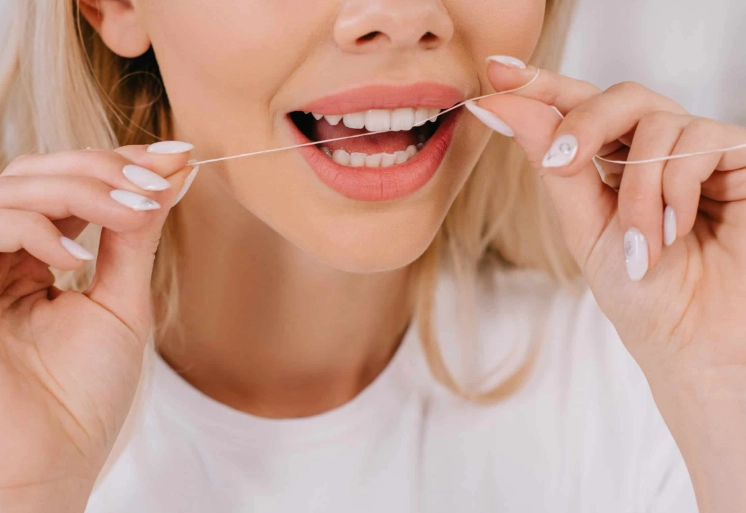
Waxed, Unwaxed, Picks, or Water? How to Choose Your Flossing Tool
The best tool is the one you'll use consistently and correctly. Here’s a blunt breakdown.
| Tool | Best For | The Downside | Expert Tip |
|---|---|---|---|
| Traditional String Floss (Waxed) | Most people; tight contacts; provides the best control for the "C-shape" technique. | Requires more dexterity. Can shred in very tight spaces. | Waxed floss glides easier. If it shreds constantly, you might have a rough filling or tartar—get it checked. |
| Traditional String Floss (Unwaxed) | People who prefer a grippier texture for scraping; wider spacing. | Can be harder to get through tight spots. | The unwaxed, woven kind often makes that satisfying "squeak" on clean teeth, which is a good audio cue. |
| Dental Floss Picks | Travel, beginners, or those with limited hand mobility. Better than nothing. | It's very hard to properly curve the floss into a "C" shape around each tooth. You often just pop it in and out, missing the plaque on the tooth walls. Also, you use the same segment of floss for your whole mouth. | If you use a pick, make a conscious effort to press the floss against one tooth and scrape before moving to the next. And please, don't reuse the same pick for days. |
| Water Flosser (Oral Irrigator) | People with braces, bridges, or implants; those with arthritis; a great adjunct to string floss. | Research, including a study published in the Journal of Clinical Periodontology, suggests it's excellent for reducing gingivitis but may not mechanically remove sticky plaque as effectively as string floss scraping can. It's a rinse/power wash, not a scraper. | Don't use it as a total replacement for string floss unless your dentist specifically advises it. Use it after string flossing to flush out debris and stimulate gums. |
| Interdental Brushes | Large, stable gaps between teeth (common with gum recession or after orthodontics). | Useless for tight contacts. Can't conform to the shape of the tooth like floss can. | Choose a size that fits snugly but doesn't force its way in. You should still use regular floss for the tight spots. |
My personal routine? Unwaxed string floss at night, followed by a quick water flosser rinse. The string does the heavy lifting, the water flosser feels great and gets anything I loosened.
When and How Often Should You Floss?
The official ADA stance is once a day. Timing is less critical than consistency. Nighttime is ideal because you remove the day's plaque buildup before your mouth goes into low-saliva mode during sleep, which lets bacteria thrive. Should you floss before or after brushing? A 2018 study in the Journal of Periodontology suggested flossing before brushing might be more effective at reducing plaque between teeth, as the fluoride from toothpaste can then reach those cleaned surfaces. Try it and see what feels more complete for you.
Your Flossing Questions, Answered
My gums bleed every single time I floss, even when I'm gentle. Does this mean I should stop?
Persistent bleeding despite gentle, correct technique is your body's red flag. It typically means the inflammation (gingivitis) is established enough that even minimal disruption causes bleeding. It doesn't mean you're hurting yourself by flossing. However, it does mean you should schedule a dental cleaning. You likely have tartar (hardened plaque) below the gumline that you cannot remove yourself. A professional cleaning will remove that irritant. After that, with consistent proper flossing, the bleeding should resolve within 1-2 weeks as your gums heal.
I have extremely tight teeth, and the floss always shreds or gets stuck. What's the solution?
Shredding usually points to one of three things: 1) A rough or broken edge on a tooth or filling (needs a dentist's evaluation), 2) Subgingival tartar (calculus) acting like a sharp ledge (needs a professional cleaning), or 3) Using a floss that's too thick or unwaxed for your contacts. First, try a PTFE (Glide-type) or waxed floss—it's much more shred-resistant. Use a very gentle see-saw motion to work it through. If it still shreds consistently in one specific spot, point it out to your dentist. It's a valuable clue they can investigate.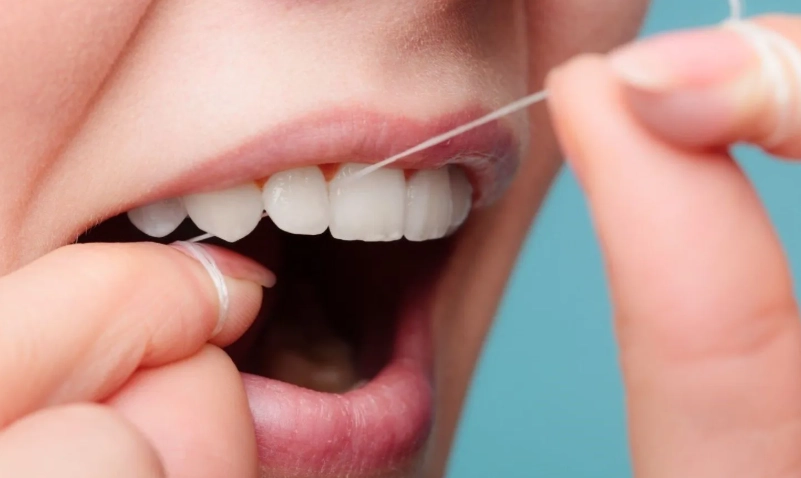
Is it okay to reuse a section of floss if I rinse it off?
No. This is a hygiene misstep. Once a segment of floss has been used, it's contaminated with bacteria, plaque, and food debris. Rinsing it doesn't sterilize it. Reusing it means you're effectively smearing the bacteria from one part of your mouth to another. The "fresh segment for each tooth" rule is there for a reason. It's the same logic as not using the same dirty cloth to wash your entire kitchen.
My dentist told me I have gum pockets. Does regular flossing technique still work?
If you have diagnosed periodontal pockets (spaces between the gum and tooth deeper than 3mm), standard flossing may not reach the base of the pocket. This is a clinical situation that requires specific guidance from your dentist or periodontist. They may recommend specialized tools like soft-picks, tufted brushes, or a water flosser on a specific setting to deliver antimicrobial rinses deeper. Do not stop cleaning between your teeth, but do follow their tailored instructions precisely.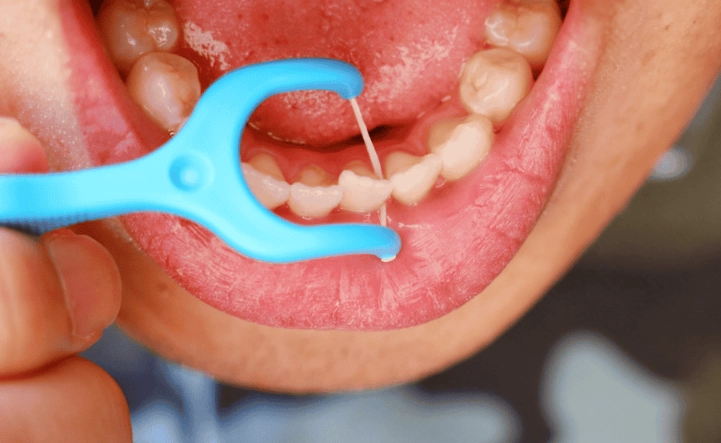
Can correct flossing actually reverse gum disease?
It can reverse gingivitis, the early, reversible stage of gum disease characterized by inflammation and bleeding. By consistently removing the plaque biofilm, you remove the cause of the irritation, and the gums can heal back to a firm, pink, non-bleeding state. However, once it progresses to periodontitis, where the bone supporting the teeth begins to dissolve, the damage is not reversible by home care alone. Flossing correctly becomes a critical part of managing the condition and preventing further bone loss, but the existing bone loss requires professional treatment.