What You'll Learn in This Guide
- Why Phosphorus is a Non-Negotiable for Your Teeth
- The Science Behind Phosphorus and Enamel Strength
- Top Food Sources of Phosphorus for Dental Health
- Common Myths About Phosphorus and Teeth Debunked
- A Practical Plan to Optimize Your Phosphorus Intake
- A Real-Life Case: How I Fixed My Dental Issues with Phosphorus
- Your Burning Questions Answered
Let's cut to the chase: phosphorus isn't just another mineral on a nutrition label. It's the unsung hero for your teeth, working behind the scenes to keep enamel tough and cavities at bay. I've spent years in dental nutrition, and time and again, I see people overlook phosphorus while obsessing over calcium or fluoride. That's a mistake. Here's why you need to pay attention.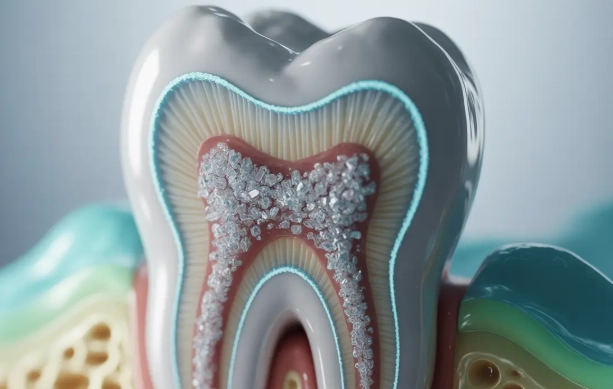
Why Phosphorus is a Non-Negotiable for Your Teeth
Your tooth enamel is about 96% mineral, and phosphorus makes up a significant chunk of that—alongside calcium and other elements. Without enough phosphorus, enamel becomes weaker, more prone to erosion and decay. Think of it like concrete: calcium is the aggregate, but phosphorus is the binder that holds it all together. Skip the binder, and the structure crumbles.
I recall a client, Sarah, who had persistent cavities despite brushing religiously. Turns out, she was on a low-phosphorus diet, heavy on processed carbs. Once we tweaked her intake, her dental check-ups improved within months. It's not magic; it's biochemistry.
The Science Behind Phosphorus and Enamel Strength
How does phosphorus actually work? It's involved in remineralization—the natural repair process where minerals redeposit onto enamel after acid attacks from bacteria or food. Here's a breakdown: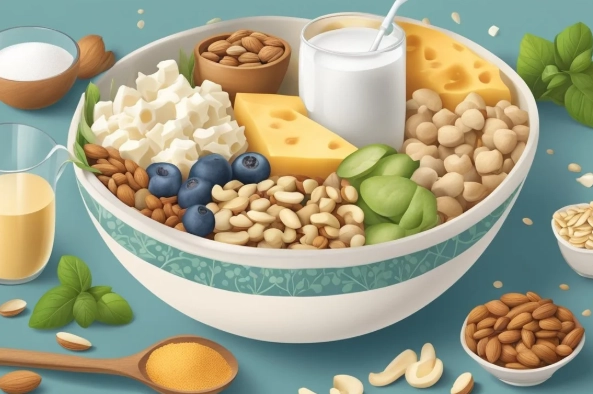
Remineralization in Action
When you eat or drink something acidic, enamel loses minerals (demineralization). Saliva helps restore them, but it needs raw materials: phosphorus and calcium. Phosphorus acts as a catalyst, helping calcium integrate into the enamel matrix. Without sufficient phosphorus, remineralization slows, leaving teeth vulnerable.
Studies from the National Institutes of Health highlight that phosphorus, in the form of phosphate ions, is essential for maintaining the hydroxyapatite crystals that form enamel. Disrupt this balance, and you're looking at softer teeth.
The Calcium-Phosphorus Ratio
This is where many go wrong. Aim for a calcium-to-phosphorus ratio close to 1:1. Modern diets, loaded with processed foods high in phosphorus additives (like sodas), often skew this to 1:2 or worse. That excess phosphorus can leach calcium from bones and teeth, ironically weakening them. It's a delicate dance.
Top Food Sources of Phosphorus for Dental Health
Forget supplements for a moment—whole foods are your best bet. Here's a table of phosphorus-rich foods that actually benefit teeth, based on data from the USDA Nutrient Database.
| Food Source | Phosphorus Content (per 100g) | Why It's Good for Teeth |
|---|---|---|
| Pumpkin seeds | 1230 mg | High in minerals, promotes saliva flow |
| Greek yogurt | 190 mg | Combines phosphorus with calcium and probiotics |
| Salmon | 260 mg | Rich in vitamin D, aids phosphorus absorption |
| Lentils | 180 mg | Plant-based source, fiber helps clean teeth |
| Cheese (cheddar) | 500 mg | Casein protein protects enamel, balances pH |
Notice something? These foods aren't just phosphorus bombs; they come with co-factors like calcium, vitamin D, or fiber that enhance dental benefits. Processed meats or sodas might have phosphorus, but their acidic or additive-laden nature can harm teeth. Stick to the wholesome stuff.
Common Myths About Phosphorus and Teeth Debunked
Let's clear up some confusion I see online.
Myth 1: "More phosphorus means stronger teeth." Not true. Excess phosphorus, especially from inorganic sources like soft drinks, can erode enamel due to phosphoric acid. Balance is key.
Myth 2: "Phosphorus supplements are a must for dental health." Most people get enough from diet. Supplements can cause imbalances unless prescribed for deficiency. I've seen cases where over-supplementation led to kidney stress and mineral depletion.
Myth 3: "Phosphorus only matters for kids' teeth." Enamel remodeling happens throughout life. Adults need phosphorus for maintenance and repair, especially with aging or conditions like dry mouth.
A Practical Plan to Optimize Your Phosphorus Intake
Here's a step-by-step approach I recommend to clients. No fluff, just actionable steps.
Step 1: Assess Your Current Diet
Track your food for three days. Look for phosphorus-rich whole foods versus processed ones. Apps like Cronometer can help, but even a simple list works. Are you heavy on bread and soda? Time to adjust.
Step 2: Incorporate Two Daily Servings
Aim for two servings from the table above. For example, a handful of pumpkin seeds as a snack and a serving of Greek yogurt with meals. This ensures steady phosphorus without overkill.
Step 3: Pair with Calcium and Vitamin D
Eat phosphorus sources with calcium-rich foods like leafy greens or dairy, and get some sun for vitamin D. This synergy boosts absorption and enamel repair. A salad with salmon and cheese? Perfect.
Step 4: Monitor Your Oral Response
After a month, note changes: less sensitivity, fewer cavities at check-ups. It's subtle but real. If no improvement, consult a dentist—there might be other factors like hygiene or genetics.
A Real-Life Case: How I Fixed My Dental Issues with Phosphorus
I'll share my own story. A few years back, I started noticing increased tooth sensitivity, especially to cold drinks. My dentist found early enamel erosion. I was eating "healthy" but heavy on citrus fruits and light on minerals. Blood tests showed borderline low phosphorus.
I revamped my diet: added more nuts, seeds, and dairy, cut back on acidic beverages. Within three months, sensitivity reduced dramatically. My dentist confirmed improved enamel density on follow-up X-rays. It wasn't a quick fix, but a sustained change. The lesson? Don't ignore the basics.
Your Burning Questions Answered
Phosphorus isn't a silver bullet, but it's a cornerstone of dental nutrition. Ignore it, and you're building your oral health on shaky ground. Start with whole foods, balance your minerals, and give your teeth the support they deserve. Your smile will thank you.