You wake up with a dull ache in your temples, a tight jaw that clicks when you yawn, and your dentist just pointed out flat spots on your molars. Sound familiar? You're not just a restless sleeper; you're likely dealing with bruxism, the medical term for grinding or clenching your teeth. It's incredibly common, often happening subconsciously during sleep (sleep bruxism) or even while you're awake and stressed (awake bruxism). The good news? You don't have to live with the headaches, worn-down teeth, and constant jaw fatigue. Treating bruxism is a multi-step process, and finding the right combination for you is key.
I've seen too many people jump straight to an expensive night guard without addressing the why behind the grind. That's like putting a bandage on a leaky pipe without turning off the water. Let's dig into what actually works.
What You'll Find in This Guide
What Exactly Is Bruxism?
Bruxism isn't just noisy chewing sounds at night. It's the involuntary, rhythmic, or sustained clenching and grinding of teeth. The force exerted during an episode can be up to six times greater than normal chewing force. Think about that pressure, hour after hour, on your teeth and jaw joints.
The damage isn't always immediate, which is why it's a silent destroyer. You might not notice until you get a cracked tooth, severe sensitivity from worn enamel, or your dentist asks if you've been having headaches. The temporomandibular joints (TMJs) that hinge your jaw can also become inflamed, leading to pain that radiates to your ears, neck, and shoulders.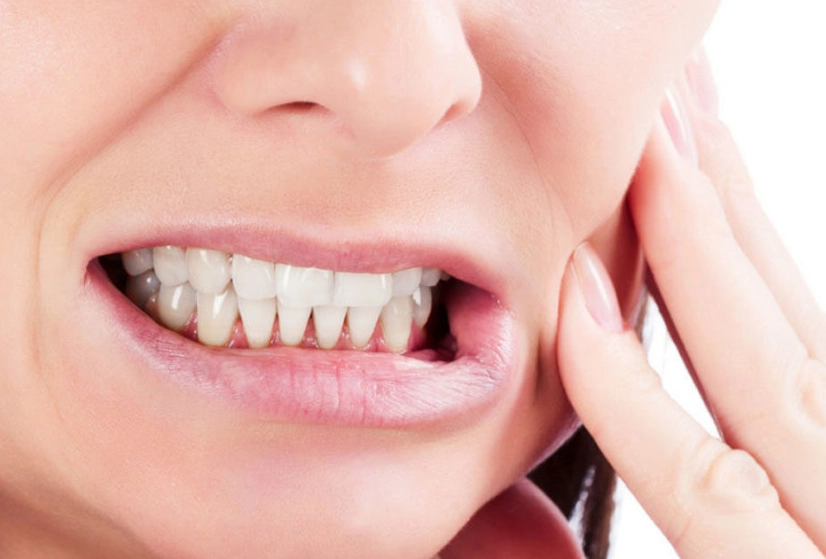
The Root Causes: Why Do We Grind Our Teeth?
Pinpointing the cause is your first step to effective treatment. It's rarely one single thing.
Sleep-Related Factors: This is a big one. Sleep bruxism is classified as a sleep-related movement disorder. It's frequently associated with micro-arousals during sleep—brief awakenings you're not aware of. This is why it's so common in people with sleep apnea, snoring, or other sleep disturbances. Your brain's sleep cycle gets disrupted, and grinding can be a physical response.
Stress and Anxiety: The classic link. Clenching your jaw is a physical manifestation of psychological tension. For awake bruxism, this is often a subconscious habit during concentration, driving, or working at a computer.
Lifestyle Triggers: Don't underestimate these. Heavy caffeine intake, alcohol consumption (especially before bed), recreational drug use (like MDMA), and smoking have all been linked to increased bruxism activity. Even certain medications, particularly some SSRIs (a class of antidepressants), list bruxism as a potential side effect.
Anatomical and Genetic Factors: Sometimes, it's in the wiring. Misaligned teeth or an abnormal bite can contribute. There also appears to be a genetic component—if your parents grind their teeth, you're more likely to as well.
Here's the thing most generic articles miss: treating bruxism effectively means layering solutions. You need a physical barrier to protect your teeth and strategies to reduce the underlying drive to grind.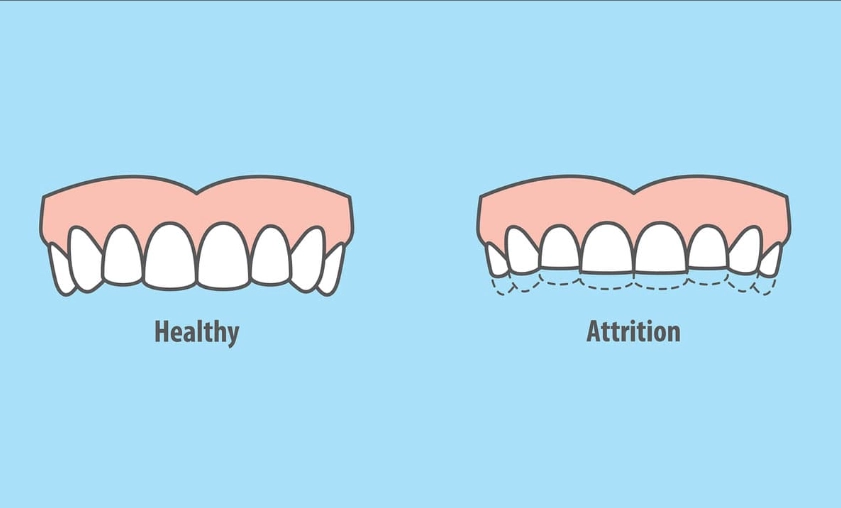
How to Treat Bruxism: A Comprehensive Guide
Think of treatment in three tiers: Protection, Reduction, and Management. You'll likely need elements from each.
1. Dental and Medical Interventions (The Protectors)
These are your first line of defense against physical damage.
Custom-Fitted Night Guards (Occlusal Splints): This is the gold standard for protection. Not the flimsy boil-and-bite kind from the pharmacy. A dentist-made guard is crafted from hard acrylic or a soft-hard laminate to fit your teeth precisely. Its primary job is to create a physical barrier between your upper and lower teeth, preventing wear and fracture. A good one also helps redistribute the crushing forces and can slightly reposition your jaw to relax the muscles.
Cost is a barrier—they can run from $300 to over $1,000. But consider the cost of a single crown or TMJ therapy down the line. Insurance may cover part of it if linked to a medical diagnosis.
Botox Injections (Botulinum Toxin): This isn't just for wrinkles. Small, precise injections into the masseter muscles (your main chewing muscles) can significantly weaken their force for 3-4 months. It doesn't stop the brain's signal to clench, but it makes the clench much weaker, reducing pain and wear. It's a fantastic option for people with severe, muscular bruxism who haven't found relief with guards alone. You need an experienced dentist or doctor for this.
Corrective Dental Work: If your grinding is exacerbated by a severely misaligned bite, orthodontics (braces/Invisalign) or selective reshaping of teeth (occlusal adjustment) might be recommended. This is a more permanent solution but is usually considered only if the bite issue is a clear, primary contributor.
2. Behavioral and Physical Therapies (The Reducers)
These aim to decrease the frequency and intensity of grinding.
Physical Therapy and Jaw Exercises: A physical therapist specializing in TMJ disorders can teach you manual therapy techniques, gentle stretching exercises, and postural corrections. Something as simple as learning proper tongue posture (resting on the roof of your mouth, teeth slightly apart, lips closed) can train your jaw to stay relaxed during the day.
Biofeedback and Habit Reversal Training: For awake bruxism, this is powerful. The goal is to become aware of the clenching habit the moment it happens. Set phone alarms every hour. Put sticky notes on your computer monitor that say "JAW RELAX." When you notice clenching, consciously drop your jaw, let your teeth part, and take a deep breath. It's tedious but rewires the habit.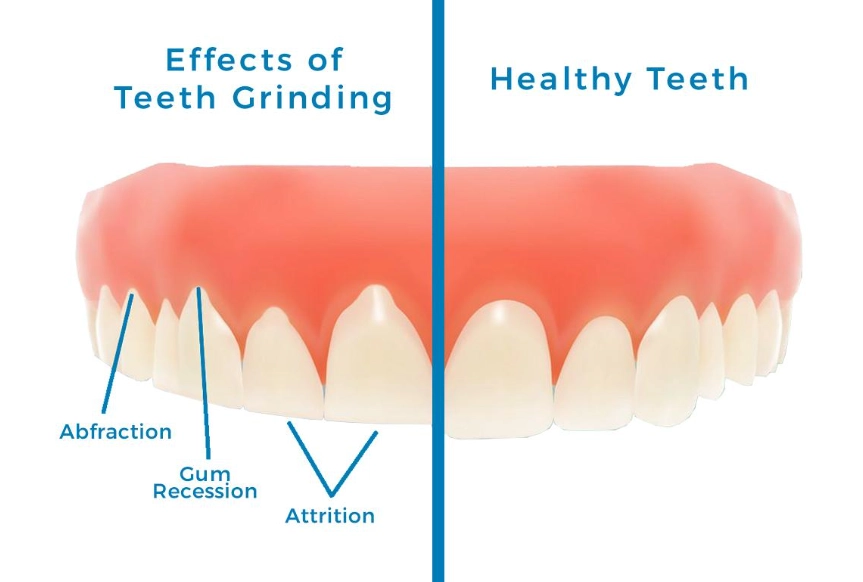
Stress Management That Actually Works: Don't just say "reduce stress." Be specific.
- Progressive Muscle Relaxation: Before bed, systematically tense and then relax each muscle group, starting with your feet and working up. Pay extra attention to your face, neck, and shoulders.
- Mindfulness or Meditation Apps: Even 10 minutes a day can lower overall physiological arousal. I've had patients who saw a noticeable difference in jaw tension after a consistent 2-week practice.
- Regular Aerobic Exercise: It's a natural stress reliever and can improve sleep quality, indirectly helping sleep bruxism.
3. Lifestyle and Sleep Hygiene Adjustments (The Managers)
These create an environment where bruxism is less likely to thrive.
Sleep Hygiene Overhaul: If your grinding is sleep-related, improving your sleep is non-negotiable.
- Establish a consistent sleep schedule, even on weekends.
- Make your bedroom cool, dark, and quiet.
- Avoid screens for at least an hour before bed.
- If you snore heavily or your partner notices you gasping for air at night, get evaluated for sleep apnea. Treating sleep apnea with a CPAP machine often dramatically reduces or eliminates associated bruxism.
Dietary Tweaks: Be brutally honest about your intake.
- Caffeine: Cut off all caffeine after 2 PM. Better yet, try a 2-week caffeine holiday to see if jaw tension eases.
- Alcohol: It may help you fall asleep, but it severely disrupts sleep architecture later in the night, potentially triggering more grinding episodes.
- Avoid Chewy, Tough Foods: Give your jaw muscles a break. Steak, bagels, gum—these can fatigue muscles and make them more prone to spasm.
| Treatment Type | What It Does | Best For | Considerations |
|---|---|---|---|
| Custom Night Guard | Protects teeth, redistributes force | Everyone with sleep bruxism to prevent damage | High upfront cost, needs maintenance |
| Botox Injections | Weakens chewing muscle force | Severe muscular clenching, pain relief | Temporary (3-4 months), requires injections |
| Stress Management | Reduces the psychological drive to clench | Awake bruxism & stress-related sleep grinding | Requires daily commitment, no direct tooth protection |
| Sleep Apnea Treatment | Addresses a primary sleep disruption cause | Bruxism linked to snoring/apnea | Requires sleep study, using a CPAP machine |
My personal, non-consensus take? Many dentists rush to make a hard guard. For some patients, especially those who clench more than grind, a hard guard can give the jaw something to push against, potentially increasing muscle activity. A soft-hard laminate or a specific type called an NTI-tss appliance (which only contacts the front teeth) can sometimes be more effective at reducing muscle activation. It's a conversation worth having with your provider.
Your Bruxism Questions, Answered
Can bruxism be cured completely?
How much does it cost to treat bruxism?
What should I do if my night guard feels uncomfortable?
Can you grind your teeth during the day, and how do you treat that?
 The journey to stop grinding your teeth isn't about finding a magic pill. It's a combination of armor for your teeth (the guard), dampening the signal (stress/sleep management), and sometimes weakening the muscles (Botox). Start with a visit to your dentist to assess the damage and get a proper guard. Then, take a hard look at your sleep and stress levels. Be patient. It took years to develop this habit; unwinding it takes consistent effort. But waking up without a sore jaw? That's a feeling worth grinding for—or rather, worth stopping for.