In This Guide
You feel that little rough spot on your tooth with your tongue. Or maybe you catch a glimpse of a tiny white spot in the mirror. The first thought that hits you is a sinking one: "Is that a cavity?" And then, almost immediately, the hopeful follow-up: Can cavities go away on their own if I just brush better? If I swish with some special mouthwash? Maybe if I ignore it, it'll just... disappear?
I get it. The thought of the dentist's chair, the sound of the drill, the bill afterward—it's enough to make anyone clutch at straws. We've all been there, hoping for a miracle cure we can do at home. So let's cut through the noise and the online myths. The answer isn't a simple yes or no. It's a fascinating "sometimes, but only under very specific conditions." And understanding those conditions is the difference between saving a tooth and needing a filling.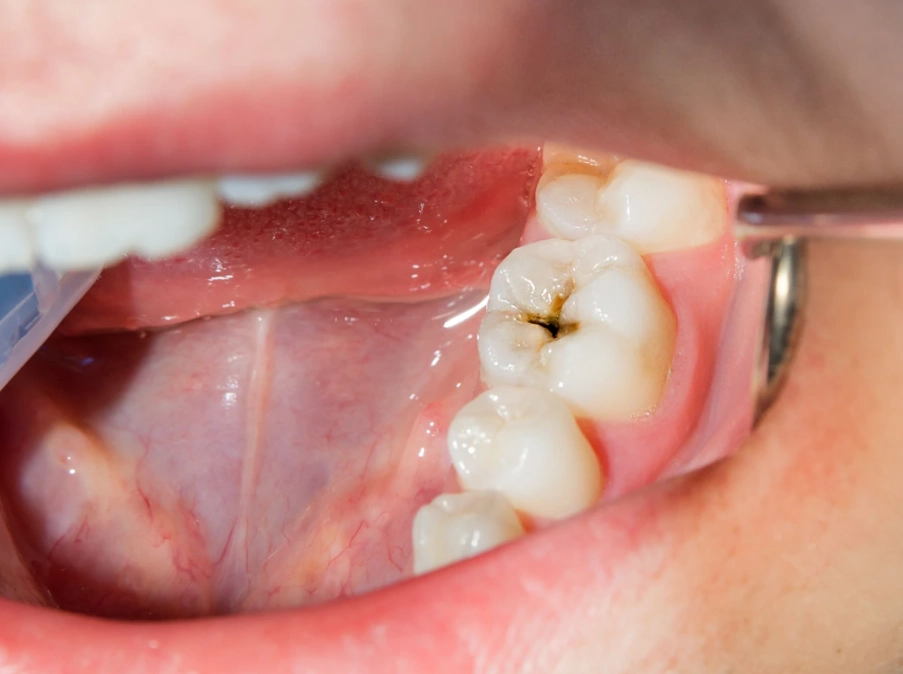
This isn't about scare tactics. It's about giving you the real, science-backed information so you can make smart choices for your smile. We'll dig into what a cavity actually is, the body's own repair system for teeth (it exists!), and the exact line between when damage can be reversed and when it's a one-way street.
Here's the core idea upfront: Think of your tooth enamel like a brick wall. Early decay is like the mortar between the bricks starting to weaken and lose minerals. At that stage, with the right care, your saliva can help redeposit minerals and "re-mortar" the wall. This is called remineralization. But once the wall collapses and there's an actual hole (a cavity), the structure is gone. You can't regrow bricks from thin air. You need a dentist to repair the hole.
What Exactly Is a Cavity? It's Not Just a "Hole"
Most people picture a cavity as a dark, obvious pit. But that's the end stage. The journey there is a silent battle happening in your mouth every day. It's a process called demineralization.
Here's how it works: Your mouth is full of bacteria—good and bad. The bad ones (like Streptococcus mutans) love sugar and carbs. When you eat, they feast on these leftovers and produce acid as a waste product. This acid attack, which can last for 20-30 minutes after eating, starts to dissolve the calcium and phosphate minerals that make your enamel the hardest substance in your body.
So, asking if cavities can go away on their own is really asking if this acid damage can be undone. And for a while, your body is fighting back.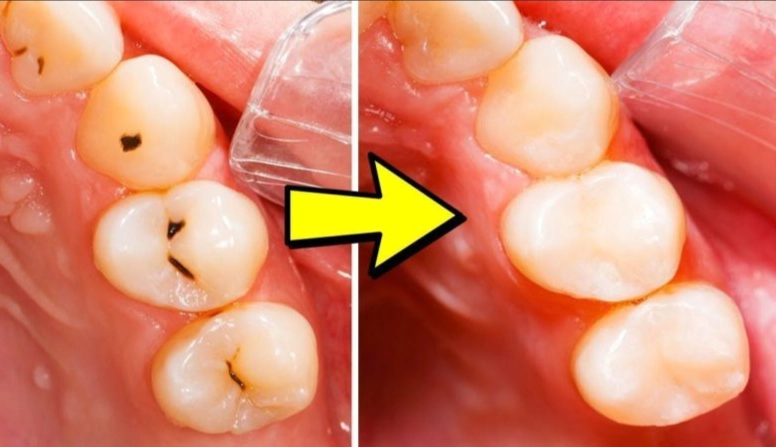
Your Mouth's Built-In Repair Kit: Saliva
This is the cool part. Your saliva isn't just water. It's a superfluid packed with minerals (calcium and phosphate) and buffers that neutralize acid. Between meals, when the acid attacks subside, your saliva goes to work, bathing your teeth and trying to redeposit those lost minerals. This is remineralization.
It's a constant tug-of-war: Acid attacks (demineralization) vs. Saliva repair (remineralization). When the scale tips too far toward acid for too long, you get a cavity. But if you tip it back in favor of repair, you can strengthen the enamel. This is the only scenario where the early signs of decay can be reversed.
I remember my dentist pointing out a chalky white spot on my back molar years ago. He called it an "incipient lesion." I was terrified it meant a filling. But he said, "Nope, that's the enamel losing minerals. We can stop this and harden it back up if we're careful." It was a lightbulb moment. Teeth aren't static; they're in a living, dynamic balance.
The Point of No Return: When a Cavity Can't Heal Itself
This is the most critical thing to understand. There is a cliff. Once you go over it, the idea of a cavity going away on its own is pure fantasy.
The earliest stage of decay is that white spot lesion. The enamel is porous and weakened, but its structure is mostly intact. No hole. This stage is 100% reversible through remineralization.
The moment the enamel surface breaks, creating a microscopic defect or a true hole, it's over. The inner structure of the tooth (the dentin) is much softer and decays much faster. Bacteria get inside the tiny hole, sheltered from your toothbrush and saliva. The decay process accelerates wildly. Your body has no way to rebuild the complex crystalline structure of enamel from the inside of a hole.
Let's break down the stages visually. This table shows why timing is everything when you're wondering, "can cavities go away on their own?"
| Stage of Decay | What It Looks/Feels Like | Can It Reverse On Its Own? | What You Need To Do |
|---|---|---|---|
| 1. Initial Demineralization | Chalky white spot on enamel. Smooth to the touch. No sensitivity. | YES. This is the prime window for remineralization. | Aggressive preventive care: high-fluoride toothpaste, dietary changes, excellent hygiene. |
| 2. Enamel Decay | The white spot may turn slightly brown. The enamel surface may feel slightly rough or sticky to a dental probe. Still no pain. | MAYBE, but unlikely without intervention. The structure is compromised. Professional fluoride treatments may help halt it. | See a dentist immediately. They can apply strong fluoride varnish or sealants to attempt to arrest the decay. |
| 3. Dentin Decay (Early Cavity) | The decay has broken through the enamel into the softer dentin. May appear as a light brown or yellow spot. You might feel mild sensitivity to sweet, cold, or hot. | NO. The structural integrity is gone. The cavity will progress. | A filling is almost certainly required to remove the decay and restore the tooth. |
| 4. Deep Dentin/Pulp Decay | Visible hole or dark staining. Pain when chewing, prolonged sensitivity, spontaneous toothache. | ABSOLUTELY NOT. The infection is deep and advancing rapidly. | Root canal treatment or possibly extraction is needed to stop infection and pain. |
See that shift between Stage 2 and Stage 3? That's the cliff. Once decay is in the dentin, the question of cavities going away on their own is settled. It's a hard no.
A crucial warning: You often cannot see or feel the transition from Stage 2 to Stage 3. A lesion that looks like a harmless white spot on the surface can have a much larger area of decay underneath the enamel shell. This is why regular dental check-ups with X-rays are non-negotiable. They see what you can't.
How to Actually Help a Cavity "Heal" (The Remineralization Game Plan)
So, if you've caught things early (white spot stage), how do you actively tip the scales toward repair? It's a multi-pronged strategy. You can't just do one thing.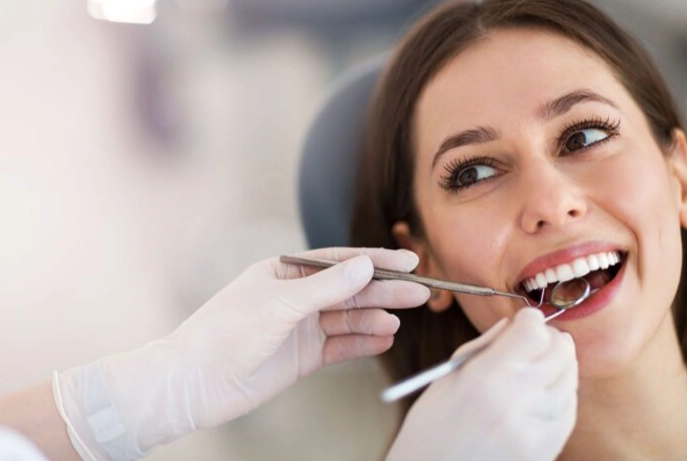
1. Fluoride: Your Enamel's Best Friend
Fluoride is a remineralization rockstar. It doesn't just replace lost minerals; it forms a new, harder, more acid-resistant mineral called fluorapatite. It's like upgrading your enamel's armor.
- Use a fluoride toothpaste. This is non-negotiable. Look for the ADA Seal of Acceptance, which means it's been proven safe and effective. The American Dental Association has a great resource on how fluoride works.
- Consider a prescription-strength fluoride toothpaste (like 5000 ppm fluoride) if your dentist recommends it for early decay.
- Don't rinse with water immediately after brushing. Spit out the excess toothpaste, but let the fluoride film stay on your teeth longer.
2. Diet: You Are What You Eat (And How Often You Eat)
This is where most people slip up. It's not just about how much sugar, but how often your teeth are under acid attack.
- Limit frequency of snacking/ sipping. Every time you eat or drink anything besides water, you start a 20-30 minute acid attack. Grazing all day means your teeth are constantly under siege, with no time for saliva to repair.
- Choose teeth-friendly snacks: cheese, nuts, plain yogurt, crunchy veggies. These can actually help neutralize acid or stimulate saliva.
- Avoid sticky, sugary foods (dried fruit, gummies, hard candies) that cling to teeth.
- Drink acidic beverages (soda, juice, sports drinks, lemon water) quickly—don't sip for hours. Use a straw to bypass teeth.
3. Saliva Flow: Get Those Juices Going
Dry mouth is a disaster for remineralization. If your mouth is dry (from medication, mouth breathing, certain conditions), you have no repair crew.
- Stay hydrated. Drink water throughout the day.
- Chew sugar-free gum (with xylitol). Xylitol is a sugar alcohol that the bad bacteria can't eat, so they starve. Chewing also boosts saliva flow. It's a double win.
- Talk to your doctor or dentist if you have chronic dry mouth. They might recommend saliva substitutes or other treatments.
4. The Plaque Problem: Disrupt the Bacteria
Plaque is a sticky biofilm where bacteria live and produce acid. You have to break up their neighborhood regularly.
- Brush twice a day for two minutes. Use a soft-bristled brush and gentle pressure. Scrubbing too hard can wear away enamel.
- Floss every day. Seriously. The sides of your teeth (where cavities often start) can't be reached by a brush. The Mayo Clinic confirms flossing is essential for removing plaque between teeth.
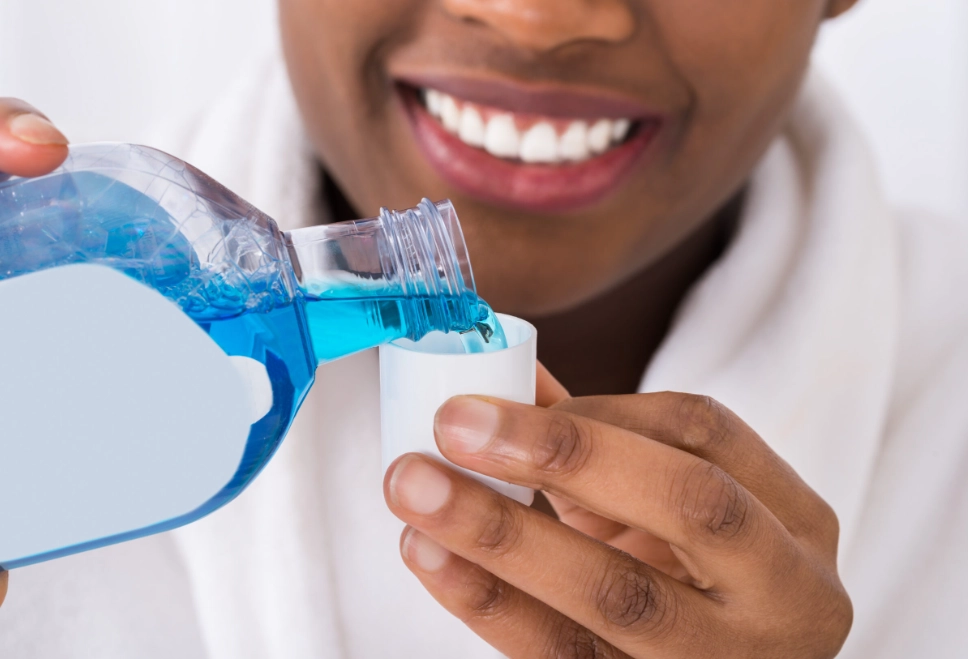
- Consider an antibacterial mouthwash as an adjunct, but not a replacement for brushing and flossing.
Putting it all together: If you have an early white spot, a rigorous routine combining high-fluoride toothpaste, cutting out between-meal snacks, chewing xylitol gum, and impeccable brushing/flossing can harden that spot. It may never fully disappear visually (the porosity can leave a scar), but it can become stable and not progress into a cavity. In this very real sense, you've stopped and reversed the decay process.
Common Myths & Questions (The Stuff You're Really Searching For)
Let's tackle some of the specific questions buzzing in your head right now.
 So, can a small cavity go away on its own if it doesn't hurt? No. It will just get bigger, silently.
- Silver Diamine Fluoride (SDF): A liquid brushed onto the decayed area. It kills bacteria and hardens the tooth, arresting the decay. A major downside: it permanently stains the decay black. It's often used on baby teeth or in adults who can't tolerate traditional treatment.
- Icon (Infiltration Concept): A resin that is wicked into the porous enamel of a white spot lesion. It fills the pores, stabilizes the area, and can make the white spot blend in aesthetically. It's a true micro-invasive treatment with no drilling.
The Bottom Line: What You Should Do Today
Stop wondering and hoping. Take action.
- Schedule a check-up. If you suspect anything, see a dentist. They will tell you if you're in the reversible white spot stage or if you have a cavity that needs intervention. Knowledge is power.
- Upgrade your home care. Get an ADA-accepted fluoride toothpaste, floss every night, and analyze your snacking habits.
- Shift your mindset. Don't think of cavities as static holes. Think of tooth decay as a dynamic process. Your goal is to keep the process in the "remineralization" zone for as long as possible.
The dream of cavities magically vanishing is just that—a dream. But the science-backed reality of stopping early decay in its tracks and strengthening your enamel? That's absolutely within your reach. You just have to know where the line is drawn, and have the honesty with yourself to act before you cross it.
Because once you're on the other side, asking can cavities go away on their own becomes a painful and expensive lesson in biology. Don't learn it the hard way.