You’re enjoying a sip of iced coffee, or maybe just breathing in cool morning air, and a sharp, zinging pain shoots through your tooth. It’s gone as fast as it came, but it leaves you wincing. This is sudden tooth sensitivity, and it’s your tooth’s way of sending an SOS. It’s not just annoying—it’s a signal that something has changed. The good news? It’s often manageable once you understand the cause. Let’s break down why this happens, what you can do right now for relief, and when it’s time to drop everything and call your dentist.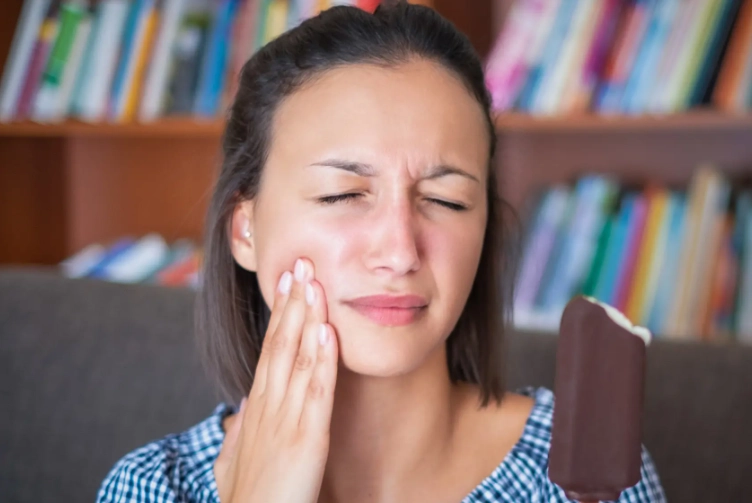
Quick Navigation: What's Inside
What Causes Sudden Tooth Sensitivity?
The pain happens when the inner, softer part of your tooth (dentin) gets exposed. Dentin is full of microscopic tunnels called dentinal tubules that lead straight to the nerve. When hot, cold, sweet, or acidic stimuli hit these open tunnels, the nerve fires, and you feel that jolt.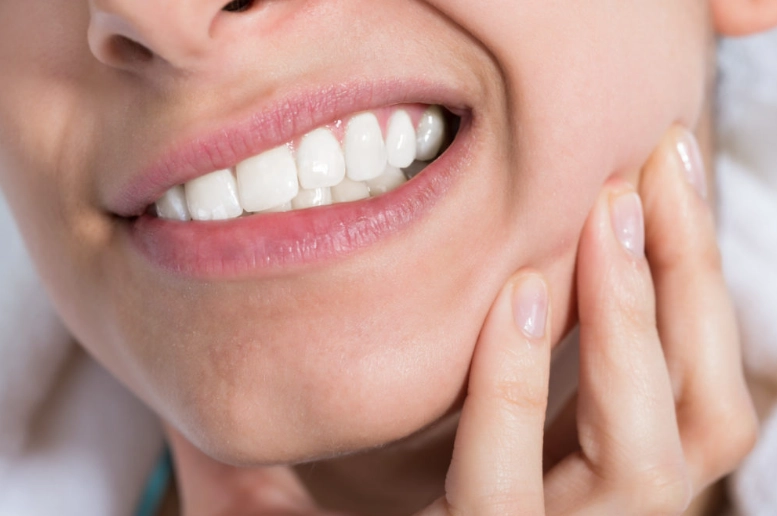
So, what suddenly opens these gates? It’s rarely one dramatic event. More often, it’s a combination of habits that finally cross a threshold.
The Usual Suspects: Enamel Erosion and Gum Recession
Think of your tooth enamel as a suit of armor. When it wears thin, the sensitive dentin underneath is vulnerable. This doesn’t happen overnight, but you might not notice until that first painful sip.
Abrasive Brushing: This is a huge one. Scrubbing your teeth sideways with a hard-bristled brush is like using sandpaper on that armor. Over weeks and months, you can literally brush your gums away (recession) and scrub enamel off at the gumline. The result? A sensitive notch in the tooth where the gum used to be.
Acidic Foods and Drinks: Your enamel’s kryptonite. Sipping lemon water all day, drinking soda, or even frequent snacking on citrus fruits creates an acidic environment that softens and dissolves enamel. It’s a chemical erosion, not a physical one.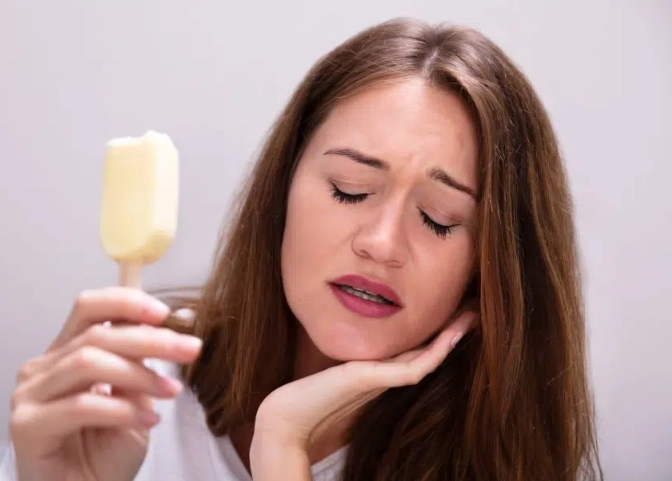
Here’s a table breaking down common culprits and how they work:
| Cause | How It Leads to Sensitivity | Often Overlooked Detail |
|---|---|---|
| Overzealous Brushing | Wears away enamel and gum tissue, exposing dentin. | People often brush harder when stressed or in a hurry, accelerating damage. |
| Acidic Diet (Soda, Wine, Fruit) | Chemically erodes enamel, thinning the protective layer. | Swishing drinks or holding them in your mouth before swallowing increases contact time and damage. |
| Recent Dental Work | Teeth can be temporarily inflamed after cleanings, fillings, or whitening. | Sensitivity after a filling might mean the bite needs a tiny adjustment—a quick fix at the dentist. |
| Teeth Grinding (Bruxism) | Puts massive force on teeth, cracking enamel or flexing teeth to irritate nerves. | Many people grind only at night and have no idea until a dentist spots worn-down teeth or they get morning jaw pain. |
| Gum Disease | Causes gums to recede, exposing tooth roots which have no enamel at all. | Early gum disease (gingivitis) is reversible, but the sensitivity it causes often prompts the first dental visit. |
The "Silent" Cause Most People Miss
Let me share something from the clinic. A patient came in complaining of sudden sensitivity in a lower tooth. She swore her brushing was gentle. We ruled out cavities. The clue? She’d recently started a high-intensity interval training (HIIT) class. She was clenching her jaw fiercely during workouts without realizing it. That constant, intense pressure was flexing the tooth just enough to aggravate the nerve. We fixed it with a custom night guard she wore during workouts. The point is, look for recent life changes—new job stress, a new exercise routine, even a new sleeping position.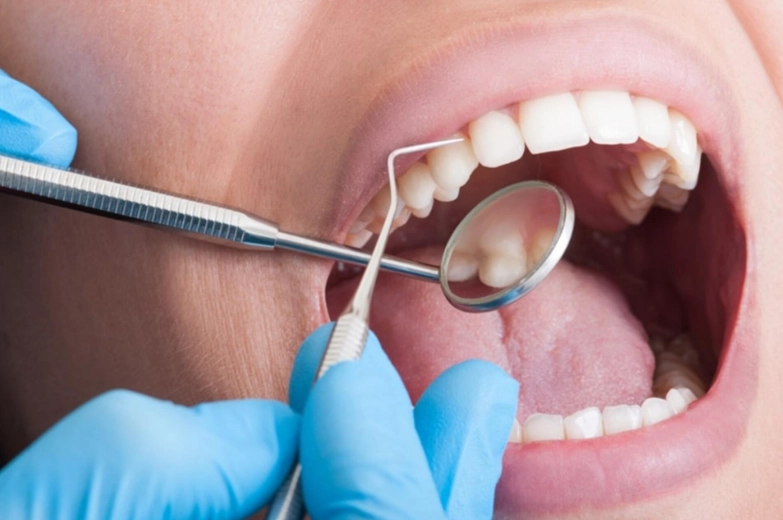
Red Flag: If the sensitivity is isolated to ONE specific tooth and feels more like a persistent, throbbing ache rather than a quick sharp pain, the cause is likely different. It could be a crack, a deep cavity, or an abscess. This needs a dentist’s diagnosis, fast. Don’t try to self-treat single-tooth pain.
How to Get Quick Relief from Tooth Sensitivity
Okay, it hurts. What can you do right now, tonight, before you can see a dentist?
Switch Your Toothpaste. This is step one. Get a toothpaste formulated for sensitive teeth, with ingredients like potassium nitrate or stannous fluoride. Potassium nitrate calms the nerve inside the tooth. Stannous fluoride helps block those open dentinal tubules. Don’t just rinse it off—after brushing, spit out the excess but don’t rinse with water. Let a thin film sit on your teeth to work longer.
Change Your Brushing Technique. Stop scrubbing. Use a soft-bristled brush and angle it at 45 degrees toward your gumline. Use gentle, circular motions the size of a pea. Think of it as massaging your gums, not scouring a pot.
Rinse with a Fluoride Mouthwash. Use an alcohol-free, sensitive-teeth formula. Alcohol can be drying and sometimes worsen sensitivity for some people.
Ditch the Whitening Products. If you’re using whitening strips, toothpaste, or trays, stop immediately. Sensitivity is a very common side effect. Give your teeth a break for a few weeks.
Watch Your Diet for 48 Hours. Avoid the extreme triggers. Skip the ice cream, hot soup, and acidic soda. Drink cool (not ice-cold) water with a straw to bypass your front teeth. This temporary avoidance can give irritated nerves a chance to settle down.
A Pro Tip: For immediate, acute pain from a cold trigger, try swishing with lukewarm salt water. It won’t fix the cause, but it can reduce inflammation in the gum tissue around the tooth, which sometimes provides secondary relief. Mix 1/2 teaspoon of salt in a cup of warm water.
When Sudden Sensitivity Means You Need a Dentist Now
Home care is great, but it’s a bandage, not a cure for underlying problems. Some signs mean you should schedule an appointment promptly.
Persistent, Localized Pain: If one tooth hurts constantly, or the pain lingers long after the trigger is gone (more than 30 seconds), it’s a sign of pulp damage or infection.
Pain When Biting Down: This often indicates a crack in the tooth. The crack flexes when you chew, pinching the nerve.
Visible Signs: See a dark spot (cavity), a chip, or a crack on the tooth? Notice your gums are pulling back from several teeth? These are visual confirmations you need professional help.
Sensitivity After Recent Dental Work: It’s normal for a day or two. If it’s severe or lasts more than two weeks, call your dentist. The filling might be high, causing traumatic pressure.
I’ve had patients wait months with a cracked tooth, thinking it’s “just sensitivity.” By the time they came in, the crack had propagated, and the tooth needed a crown instead of a simple filling. Early intervention is always simpler and cheaper.
Fixing Sensitivity for Good: Long-Term Strategies
To make the sensitivity go away and stay away, you need to address the root cause. Your dentist has tools you don’t.
Professional Fluoride Treatments: This is a high-concentration fluoride varnish painted onto your teeth. It strengthens enamel and helps plug tubules far more effectively than toothpaste.
Dental Sealants or Bonding: For exposed root surfaces or worn enamel at the gumline, your dentist can apply a thin layer of tooth-colored resin. It’s a physical barrier that seals the dentin.
Gum Grafting: In cases of significant gum recession, a periodontist can take a small amount of tissue from your palate and graft it over the exposed root. It protects the root and can look more natural.
Treatment for Grinding: If clenching or grinding is the culprit, a custom-fitted night guard is the gold standard. It prevents the teeth from making damaging contact, protecting enamel and relieving pressure on the nerves.
The goal is to move from managing pain to eliminating the reason for the pain. That’s a long-term win.
Your Tooth Sensitivity Questions, Answered
My tooth only hurts when I eat something sweet, not hot or cold. Is that still sensitivity?
Absolutely, and it’s a classic sign. Sweet sensitivity often points directly to exposed dentin or a microscopic leak around an old filling. The sugar molecules are small enough to seep into those open tubules and create an osmotic pressure change that triggers the nerve. It’s a different pathway than temperature, but the root cause is the same: something has accessed the nerve.
I started using sensitive toothpaste, but it’s not helping. What am I doing wrong?
The most common mistake is not giving it enough time. These toothpastes often take 2-4 weeks of consistent, twice-daily use to build up their full desensitizing effect. Also, check if you’re rinsing too vigorously after brushing—you’re washing the active ingredients away. Just spit. If you’ve used it faithfully for a month with no change, the cause (like a crack or deep decay) likely requires an in-office treatment that toothpaste can’t address.
Can a sinus infection cause tooth sensitivity?
Yes, and this confuses a lot of people. The roots of your upper back teeth (molars and premolars) sit very close to your maxillary sinuses. When sinuses are inflamed and pressurized from an infection or bad allergies, that pressure can be felt as a dull ache or heightened sensitivity in those teeth, often on both sides. A telltale sign is if multiple upper teeth hurt at once, especially when you bend over. The teeth themselves are usually healthy.
Is it safe to use sensitive toothpaste forever?
Generally, yes. They are formulated for daily long-term use. However, think of it as a maintenance tool, not a cure. If you’re dependent on it to be pain-free, you haven’t fixed the underlying issue—you’re just masking it. The ideal scenario is to use it to get comfortable while you and your dentist identify and treat the cause, with the goal of eventually returning to a regular maintenance toothpaste.
Could my new electric toothbrush be causing this sudden sensitivity?
It’s possible, but it’s usually user error, not the brush’s fault. Many people pair a powerful electric brush with the same aggressive scrubbing motion they used with a manual brush. The combination is overkill. An electric brush is designed to do the work—you just need to guide it gently from tooth to tooth, holding it at the correct angle. Let the vibrations do the cleaning. If you’re pressing hard enough to splay the bristles, you’re pressing too hard.
Sudden tooth sensitivity is a message. It’s frustrating, but it’s also useful—it alerts you to a problem before it becomes an emergency. Start with the gentle home-care adjustments. Pay attention to the warning signs that demand a professional opinion. Most causes are treatable, and you don’t have to live with that sharp, surprising pain.