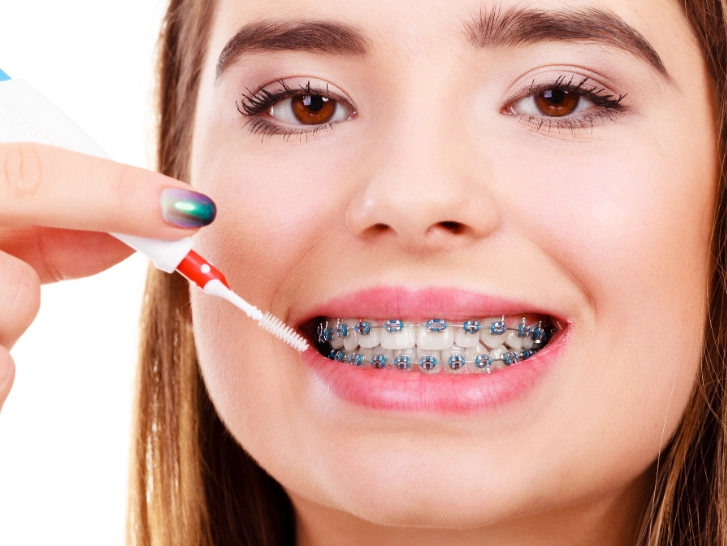
Let’s be real. Getting braces is a commitment. You’re investing in a future smile, but the present reality involves wires, brackets, and a whole new set of rules for your mouth. I remember when I first got mine, the orthodontist handed me a little care kit and a pamphlet. It felt overwhelming. The truth about caring for braces is that it’s a system—a daily routine that, when done right, becomes second nature and prevents a world of problems like cavities, gum disease, and prolonged treatment time.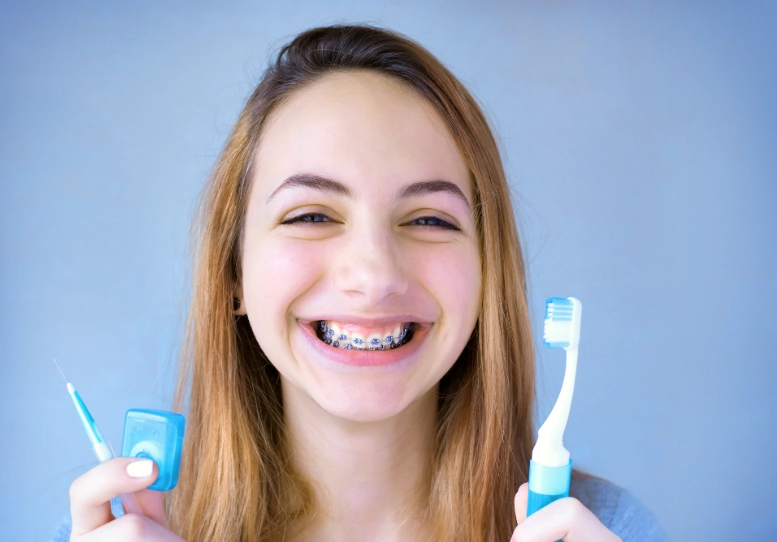
This guide isn’t just a rehash of that pamphlet. It’s the deep-dive manual I wish I’d had, pulling from experience and the latest advice from sources like the American Association of Orthodontists. We’ll move beyond the basics and tackle the real, nitty-gritty questions you have.
What’s Inside This Guide?
How to Clean Braces Properly: A Step-by-Step Routine
Brushing with braces isn’t harder, it’s just different. You’re cleaning around obstacles. The goal is to dislodge food and plaque from every angle of every bracket and under every wire. Here’s the exact sequence I found works best.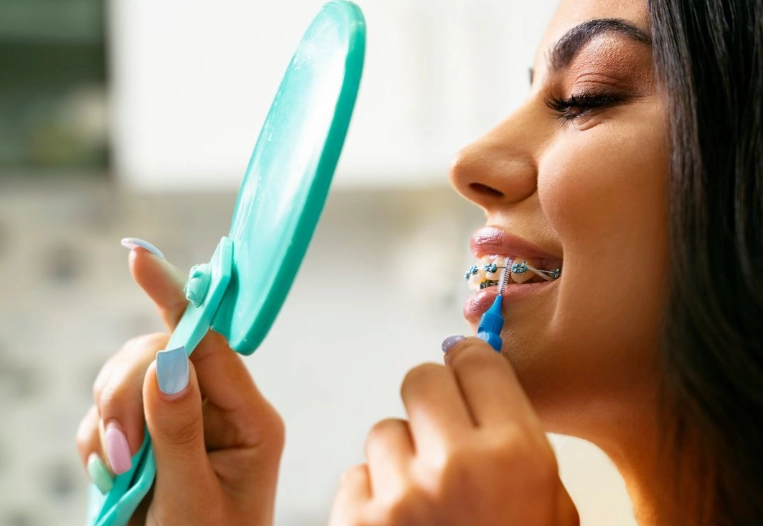
The Non-Negotiable Toolkit
First, gear up. A regular toothbrush can work, but you’re making your life difficult. Get an interproximal brush (those little pipe cleaners). This is your MVP for getting under wires. A soft-bristled orthodontic toothbrush with a V-shaped groove in the bristles helps hug the brackets. Floss threaders or orthodontic floss are essential. Water flossers are a fantastic adjunct, but they don’t replace physical flossing. Don’t skip the fluoride toothpaste.
Pro Tip Most People Miss: Start with the interproximal brush before you brush. Loosen the big stuff stuck under the wires first. Then, when you brush, your toothpaste can actually reach the enamel.
The 5-Minute Cleaning Sequence
Do this after every meal. Seriously. Food trapped in braces starts causing problems within hours.
- Rinse: Swish water vigorously to remove loose particles.
- Interproximal Brush Attack: Gently clean under each wire between every bracket. Go slow.
- Brush: Angle your brush at 45 degrees to clean above and below each bracket. Brush the brackets themselves, the gumline, and all tooth surfaces. Spend at least two minutes.
- Floss: Use the threader to guide floss under the wire. Don’t snap it. Gently curve the floss around each tooth in a C-shape.
- Final Rinse & Check: Use a fluoride mouthwash (alcohol-free is gentler) and do a mirror check. Shine a light. See any leftovers?
What Can You Eat with Braces? The Ultimate Food Guide
This is where most people slip up. It’s not just about avoiding pain; it’s about protecting your hardware. A broken bracket can set your treatment back weeks.
| Safe to Eat (Enjoy!) | Eat with Extreme Caution | Just Don't (The Forbidden List) |
|---|---|---|
| Soft fruits (bananas, berries, melon) | Pizza crust (cut off the crispy edge) | Hard candies (Jolly Ranchers, lollipops) |
| Yogurt, pudding, smoothies | Burgers (cut into small pieces) | Popcorn (husks are bracket-killers) |
| Mashed potatoes, pasta, soft-cooked rice | Soft breads (can stick, brush immediately) | Nuts and seeds |
| Scrambled eggs, soft cheeses | Chicken (shredded or off the bone) | Chewing gum (sugar-free is still sticky) |
| Soft steamed vegetables | Cooked, soft carrots (not raw) | Ice (chewing it is a major no-no) |
A personal struggle? Salads. Raw carrots and cucumbers were out. I started roasting my veggies until they were soft. It was a game-changer. The key is texture modification. Can it be cut small, cooked soft, or blended? If yes, you can probably manage it.
Managing Discomfort and Emergencies
Your mouth will ache after adjustments. It’s normal. But there’s a difference between manageable soreness and a real problem.
For General Soreness
Over-the-counter pain relievers like ibuprofen work. So does a saltwater rinse (1 tsp salt in warm water). It reduces inflammation and feels soothing. Eat soft, cold foods like yogurt or applesauce. The cold can numb the area a bit.
Real Talk on Wax: Orthodontic wax is your best friend for poking wires or rough brackets. Dry the bracket completely with a tissue first. Then roll a tiny ball of wax and press it firmly over the offending spot. It needs to stick to the dry bracket, not a wet one.
Handling Common Emergencies
- Poking Wire: Try to push it back gently with a clean pencil eraser. If that fails, use wax and call your orthodontist.
- Loose Bracket: If it’s still attached to the wire, leave it and wax around it. If it’s completely off, save it and call your ortho. Don’t panic, but don’t wait weeks.
- Loose Wire or Band: Wax is the temporary fix. Your orthodontist needs to re-secure it.
The 3 Most Common Braces Care Mistakes (And How to Avoid Them)
After talking to orthodontists, these are the slip-ups they see all the time that extend treatment.
1. Using Mouthwash as a Shortcut. Swishing with a minty rinse feels clean, but it doesn’t remove the physical plaque stuck to brackets. It’s a finisher, not a cleaner. Plaque left on teeth under brackets decalcifies the enamel, leaving permanent white spots when the braces come off.
2. Ignoring the Gums. People focus so much on the brackets they scrub their gums into inflammation (gingivitis). Brush your gums gently at a 45-degree angle. If they bleed, it means you need to clean there more consistently, not less.
3. The "I’ll Skip It Just This Once" Mentality. You’re out, you forget your kit, you think one missed cleaning won’t hurt. That’s when food gets cemented around a bracket. Establishing a portable kit (a small bag with a travel brush, paste, and interproximal brushes) is crucial. Make it non-negotiable.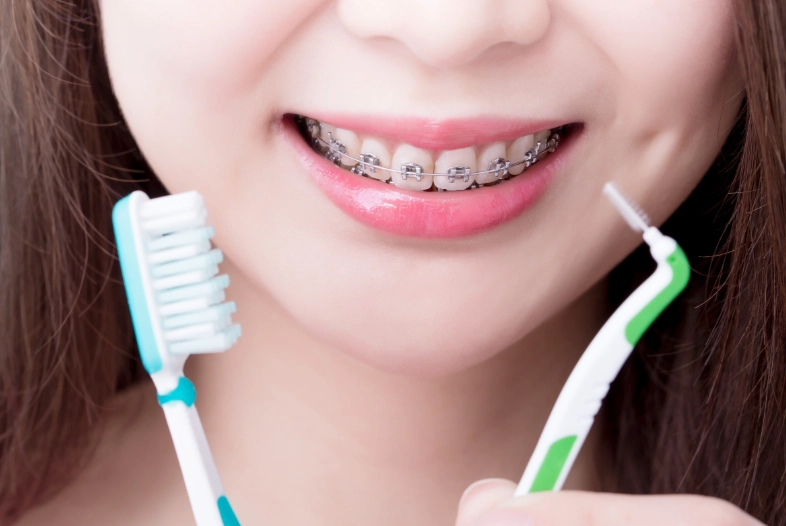
Your Braces Care Questions, Answered
Caring for braces is a active part of your treatment, not a passive side task. It’s the daily work that ensures the final result is a healthy, beautiful smile, not just a straight one. It feels like a lot at first, but stick with the system. Before you know it, it’s just part of your day, and you’re that much closer to the smile you’re working for.