You wake up. Your jaw feels tight, maybe even sore. There's a dull headache pressing behind your eyes. Or perhaps you don't feel a thing, but your dentist points out the flat, sanded-down edges of your molars during a routine checkup. Welcome to the world of sleep bruxism—the medical term for grinding or clenching your teeth while you're asleep. It's an involuntary habit that an estimated 8-10% of adults deal with, often without realizing the slow, steady damage it's causing.
I've seen it too many times in my own circle. A friend cracked a perfectly healthy tooth and needed a crown, all because of years of undiagnosed grinding. His only symptom? Waking up tired. That's the sneaky part. This isn't just about noise annoying your partner; it's a genuine health issue with consequences for your teeth, your sleep quality, and your wallet.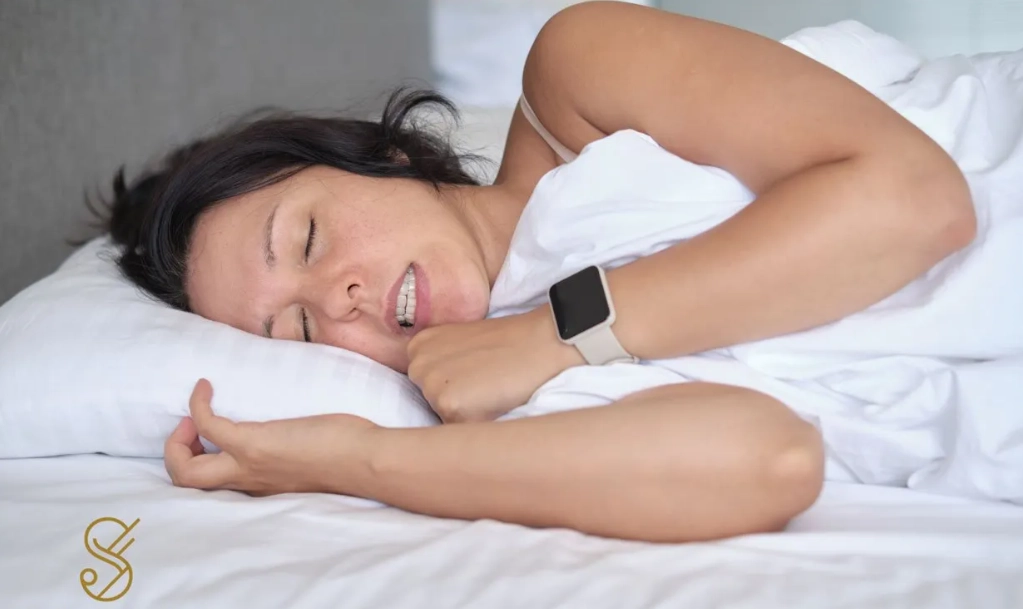
What You'll Find in This Guide
What Exactly Is Sleep Bruxism (And How It Differs From Daytime Clenching)
Let's clear this up first. Sleep bruxism is classified as a sleep-related movement disorder. Your brain, while cycling through sleep stages, sends signals that trigger the masseter muscles (your big jaw muscles) to contract rhythmically (grinding) or statically (clenching). You have zero conscious control over it.
This is fundamentally different from awake bruxism, which is a semi-conscious habit, often tied to concentration or stress. You can catch yourself doing it and stop. At night? No chance. The force is also dramatically higher during sleep—studies suggest you can exert up to 250 pounds of force on your teeth, compared to about 20-40 pounds during normal chewing.
Many people have both. They clench during a stressful workday, and the pattern continues into the night. But treating the sleep component is often the priority because that's where the most destructive force happens, completely unguarded.
The Hidden Causes: It's Not Just Stress
Sure, anxiety and stress are major players. But if you only focus on stress management, you might miss other critical triggers. The research, like that summarized by the American Academy of Sleep Medicine, points to a complex mix of factors.
Other key contributors include:
- Medications: Certain SSRIs (a common class of antidepressants) are notorious for causing or worsening bruxism as a side effect.
- Genetics: It often runs in families. If your parent grinds, your odds are higher.
- Lifestyle Triggers: Heavy alcohol consumption, recreational drug use, and even high caffeine intake can exacerbate it.
- Neurological Pathways: It's frequently associated with other sleep disorders (like sleep talking) and may be linked to irregularities in dopamine signaling in the brain.
The takeaway? Don't let a doctor or dentist brush it off as "just stress." A full picture looks at your sleep quality, medications, and family history.
The Slow Burn: Long-Term Damage You Can't Ignore
The damage from sleep bruxism accrues in pennies, but the bill comes due in thousands of dollars. It's a marathon of destruction, not a sprint.
Direct Dental Damage
Your enamel is the hardest substance in your body, but it's no match for years of nightly sanding. You'll see:
- Attrition: Flattened, shortened teeth. Canines and incisors lose their sharp, defined edges.
- Fractures: Chips in the edges of front teeth, or worse, vertical cracks in molars that can lead to root canals or extractions.
- Failed Restorations: Crowns, fillings, and veneers pop off or fracture under the pressure.
- Tooth Sensitivity: As enamel wears, the softer, sensitive dentin underneath is exposed.
Beyond the Teeth
The strain doesn't stop at your smile.
- Muscular Pain: Chronic soreness in the jaw, temples, and even neck and shoulders. This is often diagnosed as temporomandibular joint disorder (TMD).
- Headaches: Waking up with tension-type headaches is a classic sign.
- Sleep Disruption: Even if you don't wake up fully, the grinding episodes can fragment your sleep, leading to non-restorative sleep and daytime fatigue.
I recall a patient story a dentist shared. A woman in her 40s came in for cosmetic work to shorten her "long" front teeth. The dentist had to explain they weren't long; she had worn all her back teeth down so severely that her front teeth were over-erupting and colliding. The fix wasn't simple contouring; it was a full-mouth reconstruction. The cost? Astronomical. All from untreated grinding.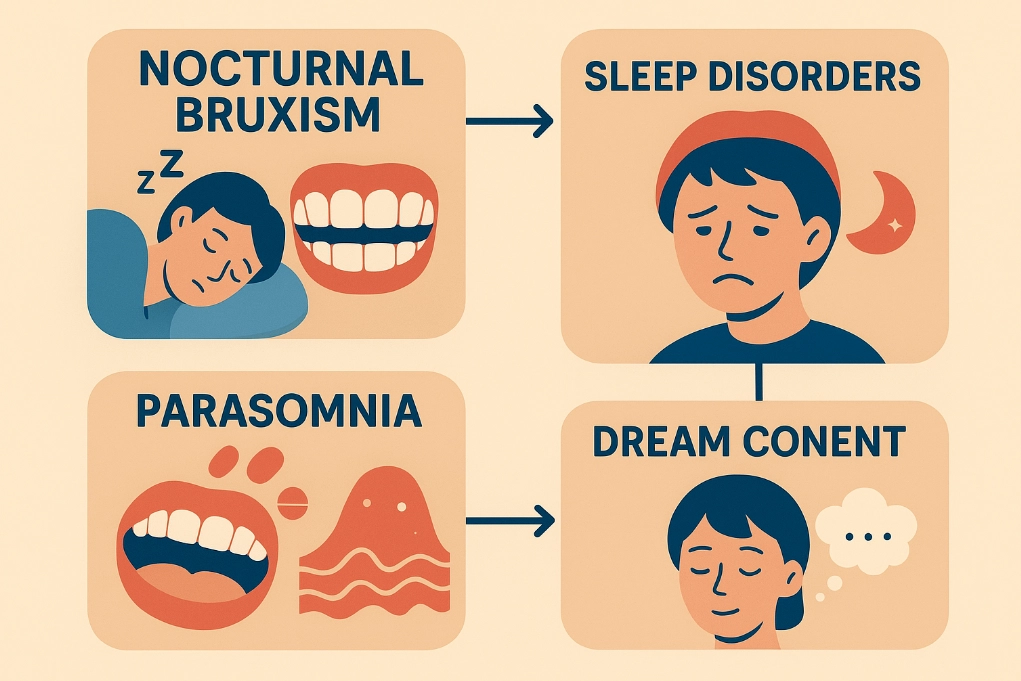
Your Action Plan: From Night Guards to Habit Reversal
Treatment isn't one-size-fits-all. It's a layered approach, starting with protection and moving toward management. Here’s a breakdown of the most common strategies.
| Treatment Option | What It Is | Best For | Considerations |
|---|---|---|---|
| Custom Night Guard (Occlusal Splint) | A hard or soft appliance made by a dentist from a mold of your teeth. Worn on upper or lower arch. | Everyone as a first step. The gold standard for immediate physical protection. | Cost ($300-$1000). Needs maintenance. Doesn't stop grinding, but protects teeth and may reduce muscle strain. |
| Botox Injections | Small doses of botulinum toxin injected into the masseter muscles to temporarily weaken them. | Severe cases with significant muscle hypertrophy (enlargement) and pain. | Temporary (3-6 months). Expensive. Must be done by a skilled professional. Addresses symptom, not cause. |
| Sleep Study & Apnea Treatment | Overnight study to diagnose sleep apnea, treated with CPAP or oral appliance therapy. | Grinders with signs of sleep apnea (snoring, gasping, daytime fatigue). | Can be a root-cause solution if apnea is the trigger. CPAP is the frontline treatment. |
| Behavioral & Lifestyle Changes | Jaw physio, stress reduction (CBT, meditation), caffeine/alcohol reduction, sleep hygiene. | Mild to moderate cases, and as adjunct therapy for everyone. | Low cost, high self-involvement. Requires consistency. The "tongue-up" posture drill is a great starter. |
A huge mistake I see? People buying cheap, boil-and-bite guards from the pharmacy and thinking they're set. Those one-size-fits-most guards can be worse than nothing. They're often bulky, can misalign your bite if not perfect, and can actually encourage your jaw to clamp down harder on the plastic. It becomes a chew toy. A custom guard is precisely engineered to fit your bite, distribute force evenly, and in some designs, even reposition your jaw slightly to discourage muscle activation.
The behavioral piece is where you take back control. Set phone reminders throughout the day to check your jaw posture: lips together, teeth apart. Practice this. Before sleep, do a gentle jaw stretch: open slowly, hold for 5 seconds, close slowly. It sounds simple, but this daytime awareness slowly rewires the neuromuscular pattern.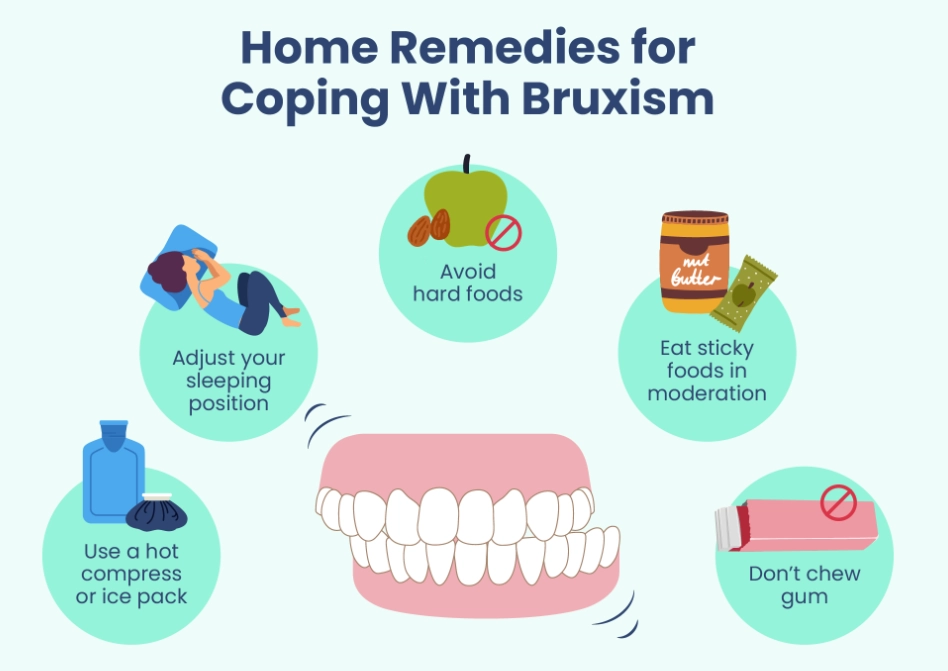
Real Questions From Grinders (Answered)
Can wearing a night guard make my sleep bruxism worse?
It's a common concern. A poorly fitted, over-the-counter guard can sometimes act as a chew toy, encouraging more clenching force. A custom-made appliance from a dentist is designed to reposition your jaw to minimize muscle activity, not just act as a barrier. The key is the fit and the design for your specific bite.
I only grind my teeth when I'm stressed. Do I still need treatment?
Intermittent grinding from acute stress might not cause immediate damage, but it's a warning sign. The habit can become neurologically ingrained over time, continuing even after the stressor is gone. Using a protective appliance during high-stress periods prevents wear and can stop the habit from becoming a permanent, unconscious nighttime routine.
My partner says I grind, but I feel fine. Should I be worried?
Absolutely. Sleep bruxism often has no immediate painful symptoms in its early stages. By the time you feel jaw pain or headaches, significant enamel wear or microfractures may have already occurred. Your partner's observation is a valuable early warning. A dental checkup can assess for silent damage like flattened cusps or worn fillings you can't see or feel.
Are there any quick exercises to stop clenching my jaw at night?
For immediate relief, try the 'tongue-up' technique: gently rest the tip of your tongue on the roof of your mouth, just behind your front teeth, and let your teeth part slightly. This naturally discourages clenching. For a longer-term fix, consistent daytime awareness is crucial. Set phone reminders to check your jaw posture—lips together, teeth apart—to retrain the muscle memory before sleep.
 Sleep bruxism is a manageable condition. The first step is recognizing it. If any of this sounds familiar—the sore jaw, the headaches, the dentist's comments—talk to your dentist. Get a proper assessment. Investing in a custom guard is cheaper than a single crown, and addressing sleep apnea is a life-improving move far beyond saving your teeth. Stop letting a nighttime habit you can't control dictate the health of your smile.