Let's get straight to the point. Your oral health isn't just about a bright smile or fresh breath—though those are nice perks. It's a critical window into your overall health. Gum disease links to heart problems, diabetes complications, and even respiratory issues. Ignoring the basics sets you up for pain, expensive dental bills, and systemic health risks. I've seen too many patients think they're doing enough, only to find out they've missed the mark on fundamental techniques for years.
What's Inside This Guide?
The 4 Pillars of Oral Health Basics
Forget complicated regimes. Everything boils down to four core actions. Miss one, and the whole structure gets shaky.
1. Mechanical Plaque Removal
Plaque is that sticky, invisible film of bacteria. It's the enemy. If you don't physically disrupt it every 12-24 hours, it hardens into tartar (calculus), which only a dental hygienist can remove. This is why brushing and flossing are non-negotiable—they're your daily demolition crew.
2. Fluoride Reinforcement
Fluoride isn't a conspiracy; it's a proven cavity fighter. It remineralizes weakened enamel, making teeth more resistant to acid attacks from plaque bacteria and food. Using a fluoride toothpaste is the easiest way to get this daily defense. The American Dental Association (ADA) has decades of research backing its safety and effectiveness.
3. Dietary Awareness
Your mouth is a battlefield, and sugar is the enemy's fuel. Every time you eat sugar or refined carbs, plaque bacteria produce acid that attacks enamel for 20-30 minutes. Frequent snacking creates constant acid baths. It's not just about the amount of sugar, but the frequency of exposure.
4. Professional Oversight
You can't see everything. A dentist or hygienist spots early decay, gum inflammation, and other issues you'd miss. Think of cleanings as a reset button and check-ups as a strategic review. Trying to manage your oral health without a professional is like trying to fix your car's engine by just looking under the hood.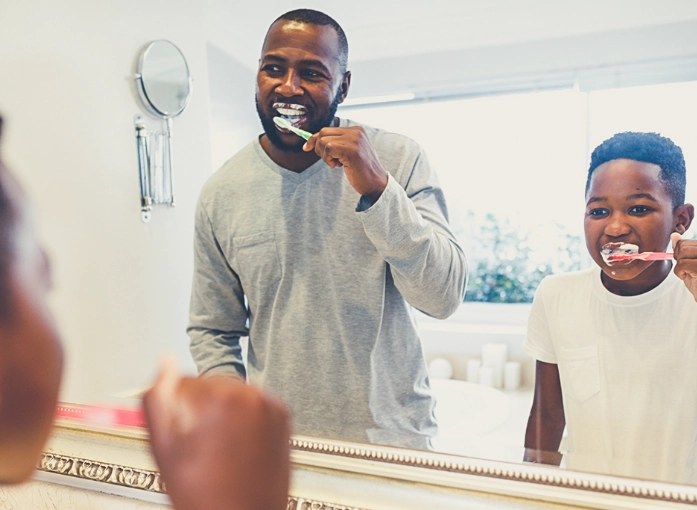
The subtle mistake everyone makes: They focus on whitening and fresh breath (the symptoms) before mastering plaque control (the cause). A white tooth can still have a cavity. A minty mouth can hide raging gingivitis. Get the fundamentals right first.
How to Brush Your Teeth Correctly (Most People Get This Wrong)
You've been doing it since you were five, so how hard can it be? Turns out, most adults brush with too much force, for too little time, and with outdated techniques. Let's break it down.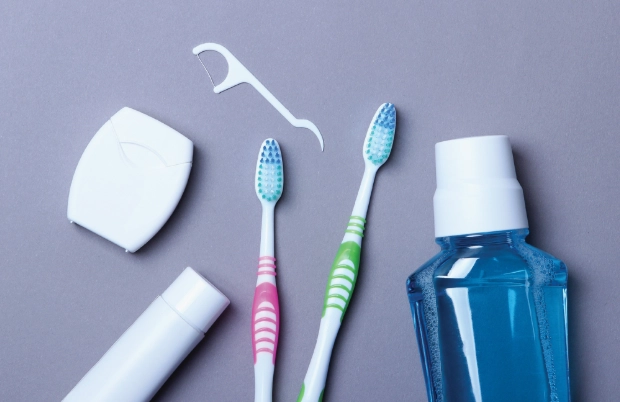
Tool Selection: Manual vs. Electric
A manual brush works perfectly if used correctly. But let's be honest, most of us don't. A good quality electric toothbrush (oscillating-rotating or sonic) does two things brilliantly: it provides consistent motion and often has a built-in timer. For anyone with dexterity issues, arthritis, or a tendency to scrub too hard, an electric brush is a game-changer. Don't get hung up on the most expensive model; a basic one with the ADA Seal of Acceptance does the job.
The 2-Minute, Twice-a-Day Technique
Here's the method I coach my patients on:
- Angle: Tilt the brush at a 45-degree angle towards your gumline. This is where plaque accumulates most.
- Motion: Use short, gentle back-and-forth or circular strokes. Don't saw back and forth aggressively across your teeth—you'll wear down enamel and recess gums. Think "massage," not "scrub."
- Coverage: Systematically clean all surfaces: outer, inner, and chewing. For the inner front teeth, hold the brush vertically.
- Don't Forget: Gently brush your tongue to remove bacteria and freshen breath.
I used to brush like I was sanding a deck until I saw the early signs of gum recession in my own mouth. Ease up. Let the bristles do the work.
Common Brushing Blunders
Brushing right after a meal (especially acidic ones like orange juice or soda) can actually soften and erode enamel. Wait 30-60 minutes. Rinsing your mouth thoroughly with water after brushing washes away the concentrated fluoride from your toothpaste. Just spit out the excess foam and leave the rest.
The Non-Negotiable Step You're Probably Skipping: Flossing
Brushing cleans about 60% of your tooth surfaces. Flossing gets the other 40%—the tight contacts between teeth where cavities often start silently. If your gums bleed when you floss, that's not a sign to stop; it's a sign of inflammation caused by plaque that's already there. Consistent, gentle flossing will make the bleeding stop within a week or two.
A Practical Flossing Method That Works
Break off about 18 inches of floss. Wind most around one middle finger, the rest around the other, leaving an inch or two to work with. Gently guide it between teeth using a sawing motion. Don't snap it down—you can cut your gums. Curve the floss into a C-shape against one tooth and slide it up and down, going slightly under the gumline. Then, curve it around the neighboring tooth and repeat. Use a clean section of floss for each tooth.
Floss picks are better than nothing, especially on the go, but they can't curve around the tooth as effectively as traditional floss. I keep a pack in my car for those days I eat lunch out and feel something stuck.
Mouthwash: Helpful Hydrant or Just a Minty Illusion?
Mouthwash is a supplement, not a substitute. It can't remove plaque that's already stuck. Its real value lies in delivering therapeutic ingredients like fluoride or antimicrobials (like cetylpyridinium chloride or essential oils) to hard-to-reach areas.
Cosmetic vs. Therapeutic: Cosmetic rinses just freshen breath temporarily. Therapeutic ones have active ingredients to fight plaque, gingivitis, or strengthen enamel. Look for the ADA Seal.
Timing matters: Using a fluoride mouthwash right after brushing can wash away the higher fluoride concentration from your toothpaste. Consider using it at a different time, like after lunch. And if you use a chlorhexidine rinse (usually prescription for severe gum issues), don't use it right before or after brushing, as it can stain teeth more easily.
What You Eat Matters More Than You Think
Nutrition for your teeth isn't a separate diet. It's about smart choices within your normal eating. The goal is to reduce the frequency and duration of acid attacks.
| Foods & Habits to Limit | Tooth-Friendly Alternatives & Habits |
|---|---|
| Sugary drinks: Soda, juice, sports drinks, sweetened coffee. Sipping them over hours is worst. | Water: Especially fluoridated tap water. It rinses teeth and hydrates gums. |
| Sticky sweets: Gummies, caramels, dried fruit that cling to grooves. | Fresh fruits & veggies: Apples, carrots, celery. They stimulate saliva, a natural cleanser. |
| Frequent snacking on carbs (chips, crackers). | Combine meals: Eat sugary treats with a main meal, when saliva flow is higher. |
| Acidic foods: Citrus, vinegar, soda (both diet and regular). | Cheese or nuts: Ending a meal with these can help neutralize acid. |
Saliva is your mouth's best friend. It neutralizes acid, washes away food, and contains minerals to repair enamel. Chewing sugar-free gum (with xylitol) after a meal can boost saliva flow if you can't brush.
Your Top Oral Health Questions, Answered
Is an electric toothbrush absolutely necessary for good oral health basics?
No, it's not necessary. A manual toothbrush used with perfect technique is effective. The problem is that perfect technique is rare. An electric brush compensates for less-than-ideal technique by providing consistent motion and pressure. For most people, it leads to better plaque removal with less effort and less risk of damaging gums. Think of it as a tool that increases your margin for error.
My gums bleed when I floss. Should I stop?
This is the most common reason people quit flossing, and it's exactly the wrong move. Bleeding is a sign of inflammation caused by the plaque and bacteria already present in that space. By flossing gently but consistently, you remove the irritant. The bleeding should significantly reduce or stop within 7-14 days. If it persists beyond two weeks of daily gentle flossing, see your dentist, as it may indicate a more advanced issue.
Can mouthwash replace brushing and flossing?
Absolutely not. Mouthwash is an adjunct, not a replacement. It's a liquid, so it cannot mechanically disrupt and remove the sticky biofilm of plaque that adheres to teeth. It's like using a air freshener in a room that needs to be vacuumed and mopped. The freshener might mask the smell for a bit, but the dirt is still there, causing problems. Use mouthwash for its specific benefits (extra fluoride, antimicrobial action) after you've done the physical cleaning.
How often do I really need to see the dentist?
The standard "every six months" is a good rule of thumb for most people with healthy mouths, but it's not one-size-fits-all. Some people with excellent home care and no ongoing issues might do fine with annual visits. Others with a history of rapid tartar buildup, active gum disease, or a high cavity risk might need to go every three or four months. Your dentist should personalize this recommendation based on your individual risk assessment, not just a calendar.
What's the single most important change I can make to my routine?
If you're not flossing, start. Just once a day, preferably at night. If you already floss, focus on your brushing technique. Are you angling the bristles at the gumline? Are you brushing for a full two minutes? Time yourself—it's longer than you think. Master these two physical actions, and you've covered 90% of the battle. Everything else—fluoride rinses, diet tweaks—is fine-tuning a solid foundation.