In This Guide
- The Main Culprit: It's Not Just the Bottle, It's What's In It (And When)
- Beyond the Bottle: Other Factors That Answer "What Causes Bottle Rot?"
- So, How Do We Stop It? Prevention Is Everything
- If You're Worried It's Already Started: Treatment Options
- Common Questions Parents Ask About Bottle Rot
- Wrapping It Up: Knowledge is Power
Let's be honest, the term "bottle rot" sounds pretty awful, doesn't it? It's one of those parenting phrases that gets whispered at playgrounds, often followed by a bit of side-eye toward the mom with the toddler clutching a juice box. I remember when a friend's little one was diagnosed with it. The guilt she felt was immense, and the confusion was even worse. "But I brush his teeth!" she said. That's when I realized most of us have no clue what really causes bottle rot. We get the vague idea it's "from the bottle," but the mechanics are a mystery.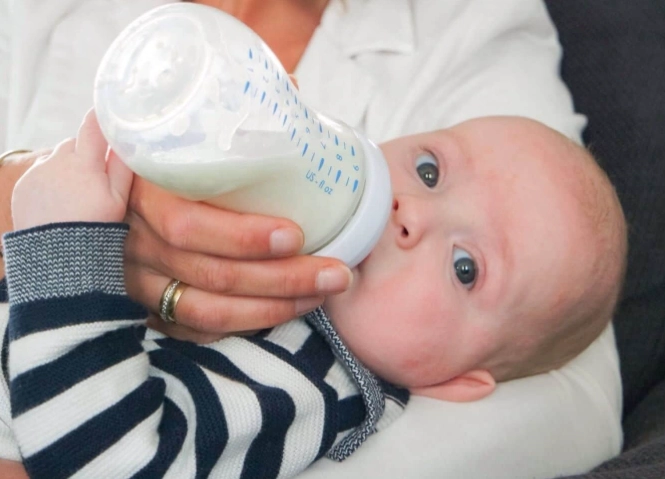
So, let's clear that up. No judgment, no scary medical jargon. Just a plain-talk breakdown of what's actually going on in your baby's mouth when tooth decay takes hold, and more importantly, what you can do about it. Because knowing the real causes is half the battle won.
The Main Culprit: It's Not Just the Bottle, It's What's In It (And When)
At its core, what causes bottle rot is the same thing that causes cavities in adults: bacteria feasting on sugar and producing acid that eats away at enamel. But with babies, the conditions are uniquely primed for disaster.
Baby teeth have thinner, softer enamel than adult teeth. They're more vulnerable from the start. Now, add the primary fuel source: fermentable carbohydrates. That's a fancy term for sugars and starches that the bacteria in plaque love. And it's not just about obvious sugar.
We're talking about:
- Liquid sugars: Formula, cow's milk, and breast milk all contain natural sugars (lactose). Fruit juice, sweetened water, soda, and any drink with added sugar are major offenders.
- Sticky foods: Even "healthy" snacks like raisins, fruit pouches, and dry cereal can cling to teeth, providing a long-lasting buffet for bacteria.
The "when" is just as critical as the "what." Frequent sipping or grazing is the real problem. Every time a child takes a sip of milk or juice, the acid attack on their teeth can last for 20 minutes or more. If they're sipping all day, or worse, falling asleep with a bottle, the acid bath is virtually continuous. Saliva, which normally helps neutralize acid and wash away food particles, slows down dramatically during sleep. So that bedtime bottle pools around the teeth, bathing them in sugar for hours with no natural defense.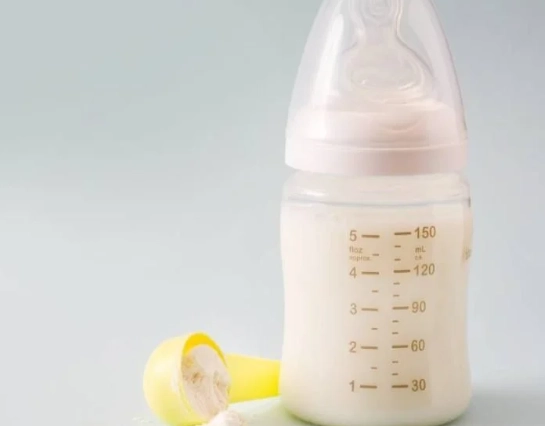
I think the sleep association is the trickiest part for parents. That bottle is a powerful soother. Breaking that habit feels like asking for sleepless nights, which is why understanding the risk is so important.
The Feeding Habits That Set the Stage for Decay
Let's get specific. Which habits are most likely to lead to bottle rot? It's not about never giving your child a bottle. It's about patterns.
| Feeding Habit | Why It's a Risk Factor for Bottle Rot | A Better Alternative |
|---|---|---|
| Putting baby to bed with a bottle (containing anything other than water) | Creates prolonged, uninterrupted acid exposure during sleep when saliva flow is minimal. This is often the top cause of severe, rapid decay. | Offer the last bottle before bedtime, then wipe gums/teeth or brush. Use other soothing methods like rocking or a pacifier. |
| Using a bottle as a pacifier throughout the day | Leads to constant sipping, which means teeth are under near-constant acid attack without a break for remineralization. | Limit bottle feeds to meal and snack times. Offer water in a sippy cup for thirst in between. |
| Prolonged on-demand breastfeeding at night after teeth have erupted | While breast milk alone is less cariogenic than formula with additives, the frequent, prolonged exposure during sleep can still contribute to decay, especially if combined with other carbs. | Try to nurse before bedtime brushing. Work on consolidating nighttime feeds as the child ages. |
| Filling bottles with juice, soda, or sweetened drinks | These are concentrated sources of sugar and are highly acidic themselves, doubling the damage. | Only offer milk or water in bottles. If offering juice (diluted), do so in a cup with a meal, and limit to 4 oz max per day. |
See, it's the combination. It's the milk *and* the all-night access. It's the juice *and* the constant carrying of the sippy cup. Isolate any one factor, and the risk drops.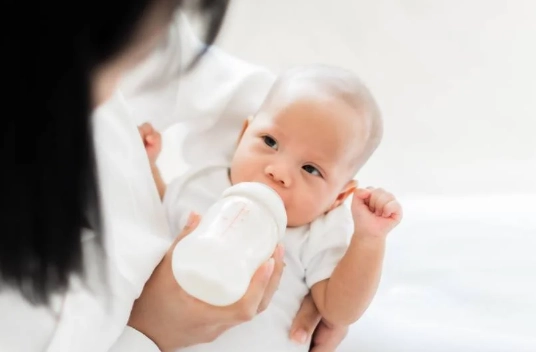
Beyond the Bottle: Other Factors That Answer "What Causes Bottle Rot?"
If it were only about feeding, prevention would be straightforward. But some kids seem to get cavities despite their parents' best efforts, while others escape unscathed with less-than-perfect habits. That's frustrating, but it points to other players in the game.
Oral Bacteria Transmission: The main cavity-causing bacteria, *Streptococcus mutans*, is often passed from a parent or caregiver to the baby. This can happen through sharing utensils, cleaning a pacifier with your mouth, or even kissing on the lips. If the parent has a history of cavities, they likely have more of this bacteria to share. It's a tough one because it feels so natural to share a spoon when tasting food.
Saliva Composition and Flow: Some kids naturally have less saliva or saliva that's less effective at buffering acid. Medical conditions, certain medications (like some for allergies), or mouth breathing can also reduce protective saliva flow.
Genetics and Enamel Defects: Sometimes, children are born with weaker enamel due to genetic conditions or enamel defects like Amelogenesis Imperfecta. These teeth are simply more susceptible from the moment they erupt. The National Institute of Dental and Craniofacial Research notes that developmental disabilities can often include oral health challenges, highlighting how systemic factors are involved.
Dietary Gaps: A diet lacking in tooth-friendly nutrients like calcium, phosphorus, and vitamin D can affect enamel strength. It's not just about avoiding the bad stuff; it's about ensuring enough of the good stuff.
The Domino Effect: How Bottle Rot Progresses
Knowing what causes bottle rot means understanding its sneaky progression. It doesn't happen overnight.
It usually starts on the upper front teeth, the ones most bathed in liquid from a bottle or breast. You might first see white, chalky spots along the gumline. This is demineralization – the early stage where enamel is losing minerals but hasn't yet collapsed into a cavity. This stage is actually reversible with fluoride and improved care.
If the process continues, those white spots turn brown, and cavities form. The decay can spread rapidly, causing pain, infection, and even affecting the developing permanent teeth underneath. In severe cases, the teeth may need to be capped or extracted. Imagine trying to learn to speak clearly without your front teeth. The consequences go far beyond cosmetics.
That's why early action is non-negotiable.
So, How Do We Stop It? Prevention Is Everything
Okay, enough about the problem. Let's talk solutions. Preventing bottle rot is a multi-layered approach. You don't have to be perfect, but you need a good system.
Top Prevention Strategies (By Age)
- Before teeth erupt: Wipe your baby's gums with a clean, damp washcloth after each feeding. This gets them used to oral care and disrupts bacterial growth.
- First tooth to age 3: Use a tiny smear of fluoride toothpaste (the size of a grain of rice) twice a day. Brush all surfaces gently. The American Dental Association strongly recommends using fluoride toothpaste as soon as the first tooth appears for this exact reason. Fluoride helps rebuild weakened enamel.
- Age 3 and up: Use a pea-sized amount of fluoride toothpaste. Supervise brushing until you're confident they can do it properly (usually around age 7-8).
Feeding Transitions are Key: Start offering a sippy cup around 6 months. Aim to wean from the bottle entirely between 12 and 18 months. This isn't just about tooth decay; it's about oral motor development. Drinking from a cup is less likely to pool liquid around the teeth.
Make Water the Default Drink. After the first year, milk should be a mealtime drink, not an all-day comfort beverage. Water is safe for teeth and hydrating. If your local water supply is not fluoridated, ask your pediatrician or dentist about fluoride supplements. The CDC maintains that community water fluoridation is a safe and effective public health measure for preventing decay.
First Dental Visit: Schedule it by the child's first birthday or within 6 months of the first tooth erupting. This isn't just a checkup; it's a chance for you to get personalized advice. The dentist can assess your child's specific risk factors.
If You're Worried It's Already Started: Treatment Options
Finding a cavity on your toddler's tooth is a sinking feeling. But please, don't panic. Modern pediatric dentistry has many options, and early intervention is crucial.
For early white spots: The dentist might apply a fluoride varnish. This high-concentration treatment can sometimes reverse the demineralization process. They'll also give you a serious plan for home care.
For small cavities: Fillings are common. For baby teeth, tooth-colored composite fillings or sometimes silver amalgam are used. The goal is to save the tooth and stop the decay.
For more extensive decay: If the decay has reached the nerve, a pediatric pulpotomy (a "baby root canal") may be needed to save the tooth, followed by a crown (often a stainless steel crown for durability).
For severely damaged teeth: Extraction may be the only option. To prevent the other teeth from shifting and to maintain space for the permanent tooth, a space maintainer might be placed.
The thought of your child needing dental work is scary. I get it. But leaving decay untreated leads to pain, infection, difficulty eating, and problems with permanent teeth. Treatment, while intimidating, is the path to health and comfort.
Common Questions Parents Ask About Bottle Rot
Can breastfed babies get bottle rot?
Yes, they can. While exclusive breastfeeding is associated with a lower risk of cavities compared to formula feeding (especially with added sugar), breast milk does contain sugar (lactose). The risk increases significantly with prolonged, on-demand nighttime breastfeeding after teeth have come in. The same principles apply: frequent, prolonged exposure without cleaning afterward is the issue. The key is not to stop breastfeeding, but to be mindful of feeding patterns and to clean teeth before sleep.
Is it okay if I only give water in the bedtime bottle?
Absolutely. In fact, that's the ideal solution if your child strongly depends on the bottle to fall asleep. Plain water does not feed the bacteria that cause decay. Switching to water can be a game-changer and is often the first step dentists recommend to break the harmful habit.
My toddler only has cavities on the back teeth, not the front. Is that still bottle rot?
It might be, or it might point more to diet. Decay on the back molars (chewing surfaces) is often related to sticky, sugary foods that get trapped in the grooves. However, if a child frequently falls asleep while nursing or drinking from a bottle while lying down, the liquid can pool in the back of the mouth as well. The term "bottle rot" is often used broadly for early childhood decay, even if the pattern isn't classic. The causes are still the same interplay of bacteria, sugar, and frequency.
Can bottle rot be reversed?
The earliest stage—the white, chalky spots of demineralization—can be halted and even reversed with aggressive use of fluoride (varnish from the dentist, proper toothpaste at home), impeccable oral hygiene, and dietary changes. Once a true cavity (a hole) has formed, the structure cannot grow back, and it requires a filling to restore it. This is why catching it early during a dental visit is so valuable.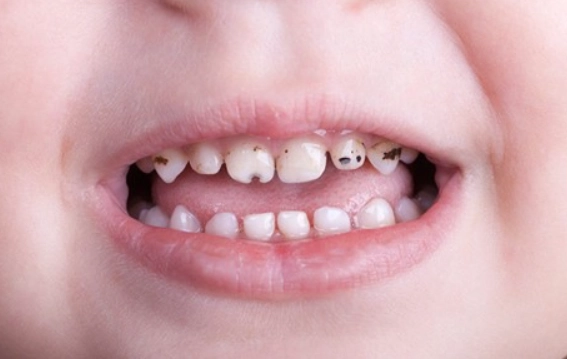
I feel like a terrible parent because my child has cavities. Is it all my fault?
This is the most important question. Please, go easy on yourself. While habits play a huge role, as we discussed, factors like genetics, enamel defects, and bacteria transmission are partly out of your control. Parenting is hard, and sleep is precious. Many, many parents have been in your shoes. Guilt is not a useful emotion here. Use the diagnosis as a wake-up call and a starting point. Work with your pediatric dentist to make a new, solid plan. You're not a bad parent; you're a parent who now has more information to do better. That's what matters.
Wrapping It Up: Knowledge is Power
So, what causes bottle rot? It's not a single mistake. It's a combination of cavity-causing bacteria, frequent exposure to sugars (even natural ones), vulnerable baby teeth, and habits that allow acid attacks to go unchecked for long periods, especially during sleep.
The goal of this guide isn't to make you paranoid. It's to replace fear with understanding. You don't need to ban bottles or wean overnight. You need to be strategic.
Focus on the big wins: get that first dental visit scheduled, use fluoride toothpaste, work toward ditching the bedtime bottle (or fill it with water), and make meals and snacks distinct events, not all-day grazes. Pay attention to those white lines near the gums.
Your child's smile is worth it.
And remember, if you're seeing signs of decay, the best time to call the dentist was yesterday. The second-best time is today. They've seen it all, and they're there to help, not to judge. Armed with a clear picture of what causes bottle rot, you're now in the best position to prevent it or tackle it head-on.