You just left the dentist's office, cavity filled, feeling accomplished. Then you take a sip of water or bite into something, and—zing!—a sharp, fleeting pain shoots through that tooth. Sound familiar? Tooth sensitivity after a filling is incredibly common. It can range from a mild nuisance to a significant discomfort, and it often leaves patients wondering if something went wrong.
The short answer is this: mild to moderate sensitivity for a few days to a couple of weeks is usually normal. Your tooth has been through a minor surgical procedure. But knowing why it happens, what's normal, and what's a red flag can save you a lot of worry. More importantly, knowing what you can actually do about it puts you back in control.
Quick Navigation
Why Is My Tooth Sensitive After a Filling?
Let's break down the mechanics. A filling isn't just a plug. To place it, your dentist had to remove decayed tooth structure, which often involves drilling close to the inner living part of your tooth, the pulp. The pulp houses nerves and blood vessels. Even with the best techniques and anesthesia, the process creates inflammation.
Think of it like getting a splinter removed from your finger. Even after it's out, the area is tender, swollen, and reactive for a few days. Your tooth reacts similarly.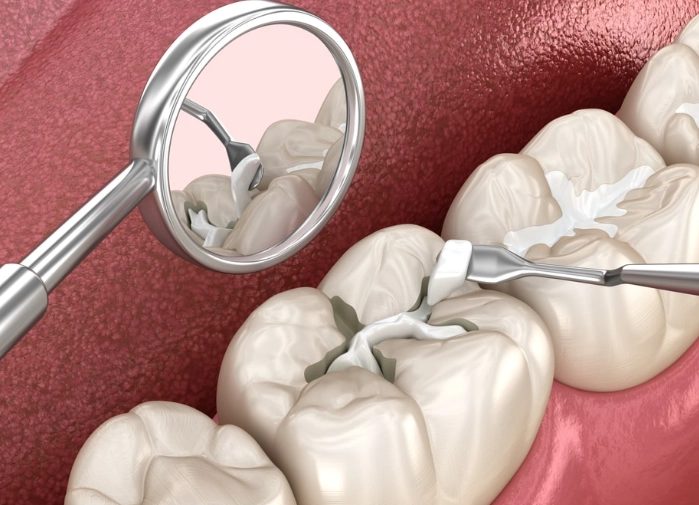
Here are the specific culprits behind that sensitive tooth after a filling:
1. The "Pulpitis" Reaction (Inflammation of the Nerve)
This is the primary driver. The drilling, the chemicals in bonding agents, and even the curing light can irritate the pulp. This inflammation causes fluid pressure changes inside the tiny channels in your dentin (the layer under the enamel), which the nerve interprets as pain. It's a sign your tooth is alive and responding to the trauma of treatment.
2. The Type and Depth of the Cavity
Not all fillings are created equal. A small, shallow filling on the biting surface is less likely to cause prolonged sensitivity than a deep one that got close to the pulp, or one on the side of the tooth near the gumline. Deeper cavities mean the dentist was working closer to the nerve, raising the odds of a more pronounced inflammatory response.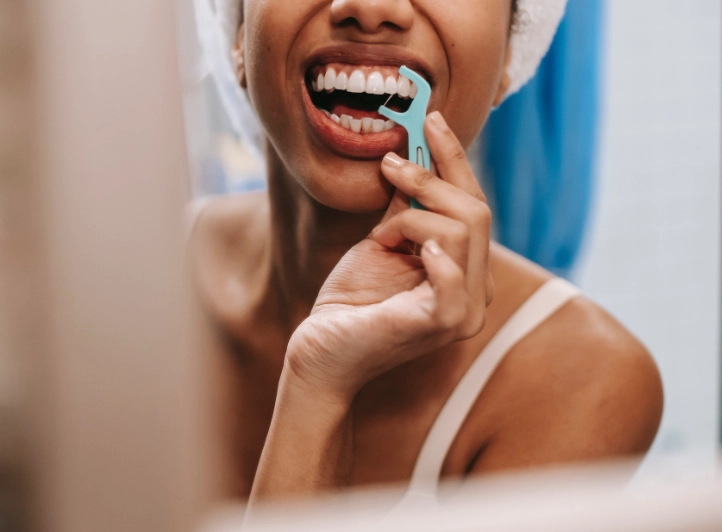
3. The Bite Might Be Off (A High Filling)
This is a sneaky one that patients often don't consider. After your numbness wears off, chew gently on that side. Does the tooth feel like it's hitting first or bearing more pressure than the others? Even a fraction of a millimeter of excess filling material can put tremendous force on the tooth, causing soreness and sensitivity to pressure. It feels like a bruise.
I've seen countless patients return thinking they needed a root canal, only to discover a quick bite adjustment solved everything. It's the first thing a dentist checks when you report post-filling pain.
4. Different Filling Materials React Differently
Composite (tooth-colored) fillings are bonded to the tooth using a process that can sometimes transmit more sensation initially. They also undergo a slight shrinkage as they cure, which can put microscopic stress on the tooth walls. Amalgam (silver) fillings, which are packed in, can conduct temperature changes more readily, leading to thermal sensitivity. Neither is "better" or "worse" for sensitivity inherently—it's more about technique and the individual tooth's condition.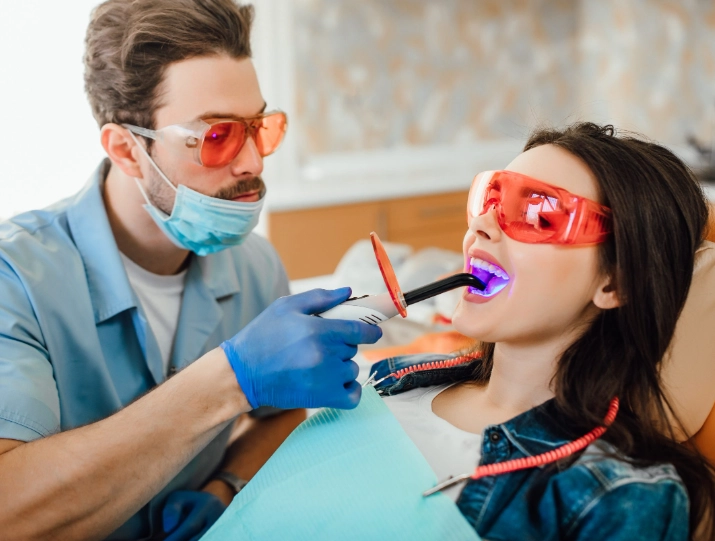
How Long Should the Sensitivity Last?
Here's the timeline most dentists expect, based on guidelines from authoritative sources like the American Dental Association's patient education materials.
| Time Frame | What's Typical | What's a Concern |
|---|---|---|
| First 24-48 Hours | Significant sensitivity to cold, air, and pressure. The tooth may feel "different" or tender to bite on. | Severe, throbbing pain that painkillers don't touch. Swelling in your face or gums. |
| 3 Days to 2 Weeks | Sensitivity gradually decreases. Cold stimuli may still cause a quick zing, but it's less intense and fades faster. | Sensitivity is not improving at all, or is getting worse. Pain starts spontaneously without a trigger. |
| 2 Weeks to 1 Month | Mild, occasional sensitivity, often only to extreme cold (like ice cream). Many people feel completely normal. | Moderate to severe sensitivity persists. You're avoiding chewing on that side entirely. |
| Beyond 1 Month | The tooth should feel like any other tooth. No lingering sensitivity. | Any sensitivity remaining. This warrants a check-up to rule out a crack, recurrent decay, or a failing pulp. |
The pulp is resilient. Mild inflammation (reversible pulpitis) typically subsides as the tooth heals. But if the insult was too great, the inflammation can become self-sustaining (irreversible pulpitis), leading to a toothache and potentially needing a root canal. The timeline above helps you gauge which path you're on.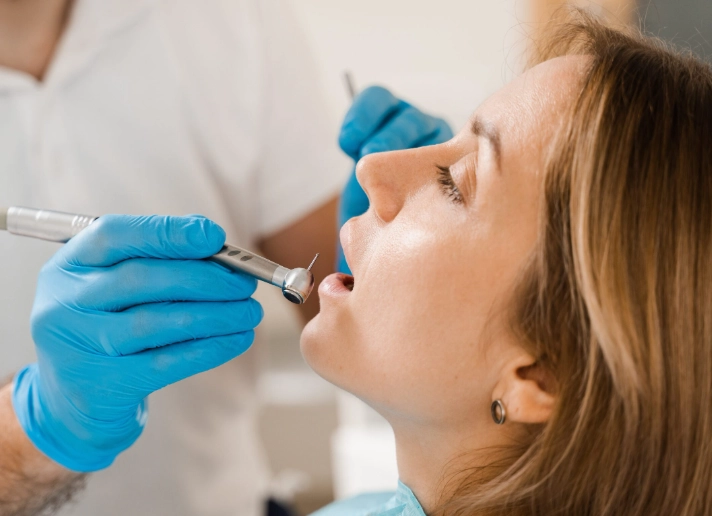
How to Manage and Reduce Sensitivity at Home
You're not just waiting it out. There are concrete actions you can take to soothe the tooth and encourage healing.
Immediate Aftercare (First 3 Days):
- Mind Your Diet: Stick to lukewarm, soft foods. Avoid the extremes: no ice-cold drinks, steaming hot coffee, or hard, crunchy foods. Think yogurt, mashed potatoes, pasta.
- Chew on the Other Side: Give the tooth a complete break from chewing forces.
- Over-the-Counter Pain Relief: Ibuprofen (Advil, Motrin) is often more effective than acetaminophen (Tylenol) for dental pain because it reduces inflammation. Follow the label instructions.
- Gentle Hygiene: Keep the area clean but be gentle. Use a soft-bristled toothbrush and don't aggressively scrub the new filling or the gumline next to it.
Ongoing Care (First Few Weeks):
- Switch to a Desensitizing Toothpaste: This isn't just marketing. Toothpastes with potassium nitrate or stannous fluoride (like Sensodyne or Colgate Sensitive) can actually block the tiny tubules in the dentin, reducing fluid movement and nerve signals. The key is consistency—use it twice a day, and don't rinse with water immediately after; just spit out the excess to let it coat the teeth longer.
- Consider a Fluoride Rinse: An over-the-counter fluoride mouthwash used once a day can help strengthen tooth structure and reduce sensitivity.
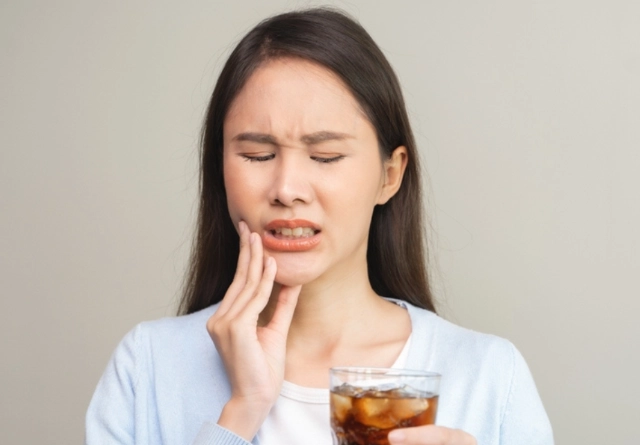
- Watch the Acid: Citrus fruits, soda, wine, and sports drinks are acidic and can open up dentin tubules, worsening sensitivity. If you have them, don't brush right after—rinse with water and wait 30 minutes for your enamel to re-harden.
When Should You Call Your Dentist?
Don't play the hero. Some signs mean the tooth needs professional evaluation, not just more time. Call your dentist if you experience:
- Pain that wakes you up at night. Spontaneous, throbbing pain is a classic sign of a pulp in distress.
- Sensitivity that is severe and not improving after 7-10 days, or is getting worse.
- Pain when you bite down that is sharp and localized to that one tooth, especially if it didn't start until a few days after the filling. This is a prime indicator of a high bite.
- Swelling in your gums near the tooth or in your face.
- A visible crack in the tooth or filling.
- Sensitivity that lasts longer than 3-4 weeks. At this point, it's unlikely to resolve on its own.
What will the dentist do? They'll likely take an X-ray to check the filling's margins and the bone health. They'll test the tooth's vitality with cold and tap on it to check the bite. Most post-filling issues are fixable: a bite adjustment takes two minutes, a replacement filling if the bond failed, or in some cases, a medicated liner under the filling to calm the nerve.
Your Questions Answered
My filling was two weeks ago, and it's still really sensitive to cold. Is this normal?
Mild, fleeting sensitivity to extreme cold at the two-week mark can still be within the normal healing range, especially for a deep filling. But if it's a strong, sharp pain that lingers, or if it happens with lukewarm stimuli, it's not typical. The tooth's pulp might be struggling to settle down. Start by double-checking your bite—sometimes the sensitivity masks a subtle high spot you've gotten used to. If that's not it, a call to your dentist is wise. They might recommend a desensitizing agent or need to evaluate the pulp's health.
Could I be allergic to the filling material? Is that why it hurts?
True allergies to modern composite resins or glass ionomers are extremely rare. What's often mistaken for an allergy is a persistent inflammatory reaction of the pulp. However, if you're experiencing not just sensitivity but also itching, a rash in your mouth, or swelling of the lips or tongue, that could indicate an allergic response and requires immediate dental attention. For 99% of people with post-filling sensitivity, it's inflammation, not allergy.
I had a deep cavity filled. My dentist said I might need a root canal later. How do I know if that's happening now?
Your dentist was being honest about the prognosis. A deep cavity means the decay was close to the nerve, and sometimes the pulp is too compromised to recover, even after the decay is removed. The warning signs that it's progressing to needing a root canal are: the pain becomes spontaneous (hurts without any trigger), changes from sharp to a dull, constant ache, is exacerbated by heat (where cold once bothered you), or you feel a throbbing that matches your heartbeat. These suggest the pulp inflammation is irreversible.
Is it okay to use whitening toothpaste on my sensitive tooth after a filling?
I'd avoid it, at least for the first month. Most whitening toothpastes are more abrasive and can contain chemicals (like peroxides) or high levels of flavorants like menthol that can aggravate a already-inflamed nerve. Your priority right now is calming the tooth, not whitening it. Stick to a dedicated desensitizing toothpaste until all sensitivity is completely gone for a few weeks.
The sensitivity comes and goes. Some days it's fine, other days it's very noticeable. What does that mean?
An intermittent pattern is common and can be frustrating. It often points to external triggers you might not be tracking. Did you have a glass of orange juice the day it flared up? Did you grind your teeth at night? Even changes in barometric pressure or sinus congestion can affect a sensitive tooth. Start a simple log for a few days: note what you eat, drink, and any stressors. You might find the culprit is dietary acid or clenching. If the pattern continues without an obvious trigger, it suggests the pulp is in a borderline state and should be evaluated.