Your Reading Roadmap
- What Exactly Is a Deep Cleaning? (And What It Isn't)
- The Main Disadvantages of Deep Cleaning Teeth You Should Consider
- Less Common But More Serious Risks (The Scary Stuff)
- When the Disadvantages Might Outweigh the Benefits: Unnecessary Procedures
- Let's Be Fair: The Flip Side (When It's Absolutely Worth It)
- Your Questions Answered: The Deep Cleaning FAQ
- Making Your Decision: A Practical Checklist
So your dentist mentioned you might need a deep cleaning. Maybe they threw around terms like "scaling and root planing" or "periodontal therapy." It sounds serious, and honestly, it can be. We often hear about the benefits – stopping gum disease, saving teeth. But what about the other side of the coin? Let's have a real conversation about the potential disadvantages of deep cleaning teeth, the stuff that doesn't always make it to the front page of the dental brochure.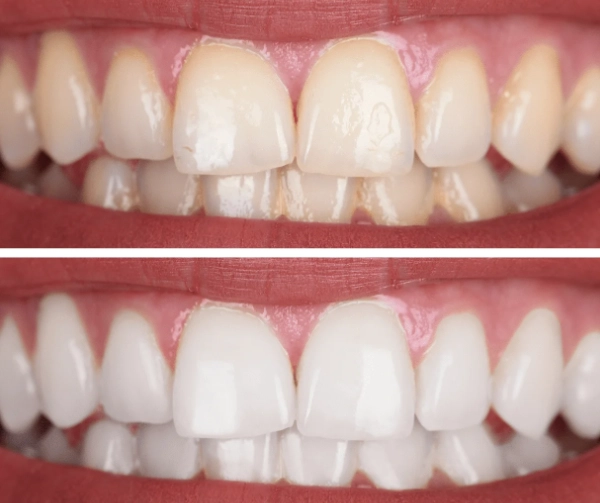
I remember a friend who went through this. She came out of the appointment looking a bit shell-shocked, talking about the noise, the discomfort, and the bill. It got me thinking. As patients, we're often quick to say yes to professional recommendations, but shouldn't we know the full picture? The real, sometimes gritty, details of what a procedure entails before we commit?
Because here's the thing. The decision to get a deep cleaning isn't always black and white. There's a spectrum of gum health, and treatment should match the problem. Sometimes, a standard cleaning and better home care might be enough. Other times, delaying a necessary deep clean can lead to bone loss and loose teeth. It's a balancing act.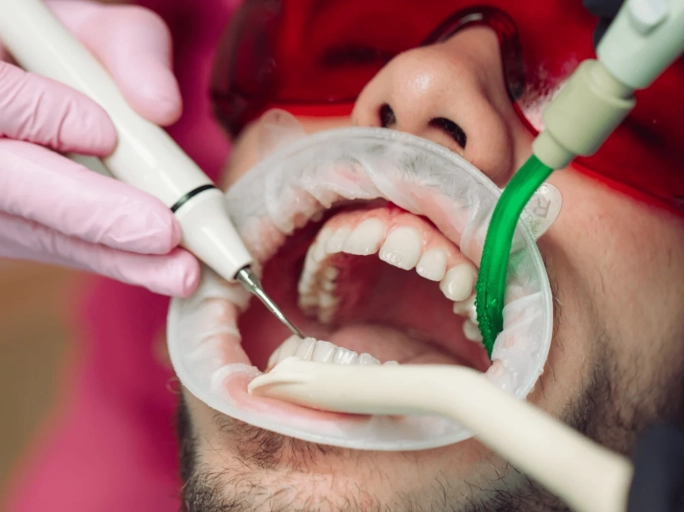
What Exactly Is a Deep Cleaning? (And What It Isn't)
Before we dive into the drawbacks, let's clarify what we're even talking about. A regular dental cleaning (prophylaxis) is what most of us get every six months. It cleans above the gumline, on the visible parts of your teeth. Simple.
A deep cleaning – the formal name is scaling and root planing (SRP) – is a different beast. It's a non-surgical procedure done when you have gum disease (periodontitis). This means inflammation has caused your gums to pull away from the teeth, forming pockets. Bacteria thrive in these pockets, damaging the bone that holds your teeth in place.
The dentist or hygienist uses special tools to go under your gumline. They scrape away hardened plaque (tartar or calculus) from the tooth roots (that's the scaling part). Then they smooth out the roots (planing) so your gums can reattach more easily. It's detailed, precise work that often requires local anesthesia because they're working on sensitive areas.
The Main Disadvantages of Deep Cleaning Teeth You Should Consider
Okay, let's get into it. If you're weighing the pros and cons, these are the real-world downsides people experience. They range from temporary nuisances to more significant considerations.
Immediate Discomfort and Pain
This is the big one everyone worries about. Even with anesthetic, it's not a walk in the park.
- The Procedure Itself: You'll likely be numbed, but you'll still feel pressure, pushing, and vibrations. The sound of scraping can be unnerving. If your gums are very inflamed, getting them fully numb can be tricky. Some areas might be more sensitive than others.
- After the Numbness Wears Off: Oh boy, this is when many people feel the disadvantages of a deep dental cleaning most acutely. Your gums are essentially wounded. They've been worked on intensively. Throbbing, soreness, and a general achy feeling are common for a day or two. Over-the-counter pain relievers usually manage it, but you need to be prepared for it.
It's not agony for most, but it's certainly more than the zero discomfort of a regular cleaning.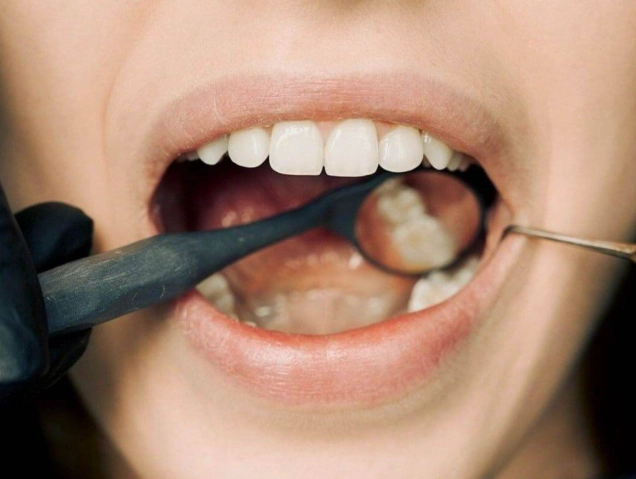
Tooth Sensitivity: The Unwelcome Guest
This is probably the most common and persistent side effect. Before the cleaning, tartar coats the roots like a rough, nasty blanket. When that's removed, the underlying dentin – which is full of microscopic tubes leading to the nerve – is exposed.
Suddenly, that sip of ice water or bite of ice cream isn't so fun anymore. You might feel a sharp, zinging sensation. This sensitivity can last for several days to a few weeks. For most, it gradually fades as the gums heal and the pores in the dentin naturally seal over. But for some, it can be a lingering annoyance.
The Financial Bite: Cost and Insurance Hassles
Let's talk money. A standard cleaning might cost $80-$150. A deep cleaning can easily cost $500 to $1500 per quadrant (your mouth is divided into four quadrants). If you need a full-mouth SRP, you're looking at a major dental expense.
| Cost Factor | Typical Range | Notes & Why It's a Disadvantage |
|---|---|---|
| Per Quadrant (1/4 of mouth) | $200 - $450 | Most common billing method. Needing 2-4 quadrants multiplies cost quickly. |
| Full Mouth SRP | $800 - $1,800+ | A significant out-of-pocket expense for many. |
| Insurance Coverage | Often 50-80% | But only after deductible. May have frequency limits (e.g., once every 3-5 years). |
| Additional Visits | $0 - $200 per visit | Post-op checkups, periodontal maintenance cleanings (every 3-4 months) add up. |
Honestly, the price tag can be a real shocker. And dental insurance? It often helps, but it's rarely straightforward. They might only cover it if you meet specific diagnostic criteria (like pocket depths over a certain millimeter). There might be waiting periods. You'll likely have to pay a percentage. Navigating insurance approval is itself a disadvantage of pursuing deep cleaning treatment.
You have to ask: Is this going to break my budget?
Time Investment: It's Not a Quick Trip
Forget the 30-minute cleaning. A proper deep cleaning is usually split into two or more appointments, each focusing on one half of your mouth. Each appointment can last 60 to 90 minutes, sometimes longer. That's a big chunk of time out of your workday or schedule.
Then there's the follow-up. You're not done after the main procedure. You'll need a re-evaluation in a few weeks to check healing. And crucially, you graduate from "regular cleanings every 6 months" to "periodontal maintenance every 3-4 months" – for life. This is a permanent change to your dental care schedule and cost.
Bleeding, Swelling, and the "Healing Phase" Hassle
Your gums will bleed during and after the procedure. It's normal, but it can look alarming. Swelling is also common. You'll need to be gentle – soft foods, careful brushing, avoiding vigorous rinsing. It's a period of mindful healing that requires a bit of lifestyle adjustment for a few days.
Less Common But More Serious Risks (The Scary Stuff)
Beyond the common side effects, there are rarer complications that fall under the serious disadvantages of deep cleaning teeth. The chance is low, but you should know they exist.
- Infection: Anytime you work in a bacteria-rich environment (like deep gum pockets), there's a risk of introducing or spreading infection. Proper antibiotic use (sometimes prescribed before or after) and excellent oral hygiene post-op mitigate this.
- Damage to Teeth or Roots: This is rare with a skilled clinician, but the tools are sharp and they're working on delicate root surfaces. Overly aggressive scaling could potentially remove some tooth structure along with the calculus.
- Nerve Damage: Extremely rare, but a risk when injecting local anesthetic, particularly in the lower jaw. This could lead to temporary or, in vanishingly rare cases, prolonged numbness.
- Allergic Reactions: To the local anesthetic, latex gloves, or other materials used.
The American Dental Association's resources on periodontitis discuss treatment protocols which are designed to minimize these risks. A qualified professional will follow these guidelines closely.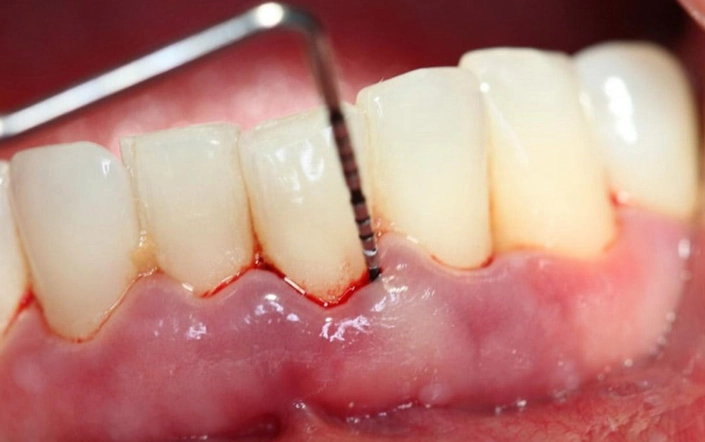
When the Disadvantages Might Outweigh the Benefits: Unnecessary Procedures
This is a critical, and often overlooked, point. One of the biggest potential disadvantages of a deep cleaning is getting one when you don't truly need it.
How does this happen? Diagnosis of gum disease isn't always perfectly black and white. It involves measuring gum pockets. Sometimes, inflammation (gingivitis) can cause deep pockets that shrink after a regular cleaning and improved home care. If a dentist measures during a period of high inflammation, they might see a 5mm pocket. But after the inflammation is controlled, that same pocket might be a healthy 3mm.
The question isn't just "Do you have deep pockets?" It's "Do you have active, destructive periodontal disease that requires this invasive treatment?"
Some critics argue that the deep cleaning procedure can be over-recommended. It's a higher-revenue procedure than a regular cleaning. Now, most dentists are ethical, but it's a dynamic in the industry worth being aware of. You have the right to understand your diagnosis.
Ask to see your pocket depth chart. Ask if you have active bone loss visible on X-rays. The American Academy of Periodontology's patient site explains the clear indicators for SRP. Getting a second opinion for a major proposed treatment like a full-mouth deep clean is completely reasonable and sometimes wise.
Let's Be Fair: The Flip Side (When It's Absolutely Worth It)
I don't want this to be just a fear list. Context is everything. For someone with true, progressing periodontitis, the disadvantages of deep cleaning teeth pale in comparison to the alternative: losing bone and teeth.
The procedure can halt the disease process, reduce pocket depths, and create a clean, healthy environment for your gums to heal. When indicated, it's the gold-standard first line of defense.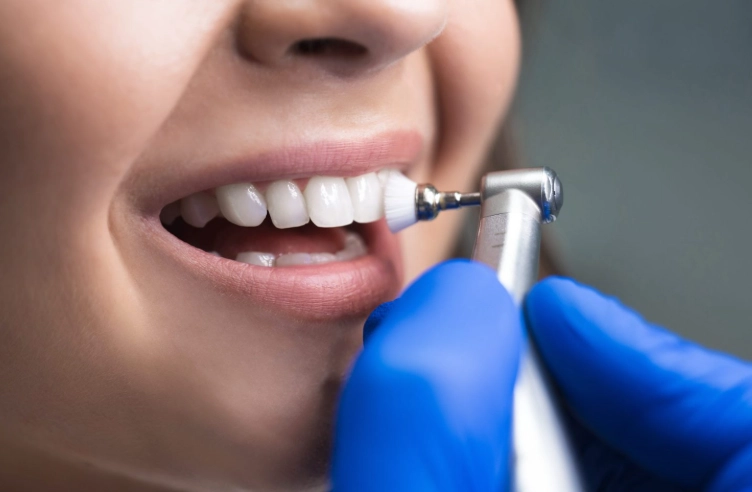
Your Questions Answered: The Deep Cleaning FAQ
Let's tackle some specific worries head-on. These are the questions that keep people up at night when they're considering this treatment.
Is the pain after a deep cleaning unbearable?
For the vast majority, no, it's not unbearable. It's very manageable with over-the-counter pain meds like ibuprofen or acetaminophen. The soreness is often compared to having a good workout for muscles you didn't know you had – but in your gums. It peaks within the first 12-24 hours and then steadily improves. The key is to take pain medication before the numbness fully wears off, as your dentist will likely advise.
How long does the sensitivity really last?
This varies wildly. Some people are barely bothered after a week. For others, it can take 4-6 weeks for sensitivity to cold and sweets to noticeably subside. Using a desensitizing toothpaste (with potassium nitrate or stannous fluoride) consistently is your best weapon here. Smear a little on the sensitive areas before bed and don't rinse it off. If sensitivity is severe or lasts more than two months, definitely go back to your dentist.
Can a deep cleaning loosen your teeth?
This is a common fear. The procedure itself doesn't loosen teeth. In fact, by removing the infection and calculus, it creates an environment for your gums to tighten up. However, temporarily, teeth might feel a bit different or even slightly mobile. This is usually because the inflammatory swelling that was actually propping the tooth up a bit has gone down. As the gums heal and reattach firmly, this sensation should resolve. Persistent looseness indicates more severe underlying bone loss that existed before the cleaning.
Are there alternatives to a traditional deep cleaning?
For mild to moderate cases, sometimes. Laser-assisted therapy (like LANAP) is an alternative that some find less painful with faster healing, but it's often more expensive and not always covered by insurance. Antibiotic gels placed in the pockets (Arestin) can be an adjunct to scaling. However, for significant tartar buildup, mechanical removal via scaling is still the cornerstone. The best "alternative" for early gum issues is a stellar home care routine (proper brushing, flossing, interdental brushes) combined with more frequent professional cleanings to prevent progression.
What happens if I just don't get it done?
This is the crucial question. If you have active periodontitis and you choose not to treat it, the disease will almost certainly progress. The bone supporting your teeth will continue to erode. Pockets will get deeper, harboring more bacteria. Eventually, teeth can become loose, painful when chewing, and may need to be extracted. The infection can also affect your systemic health. So while the disadvantages of deep cleaning are real, the disadvantages of untreated gum disease are often far worse and irreversible.
Making Your Decision: A Practical Checklist
Feeling overwhelmed? Let's simplify. Before you schedule that deep cleaning, run through this list.
- Get the Evidence: Did your dentist show you your pocket depth readings (the periodontal chart) and point out bone loss on your X-rays? If not, ask. You need to see the proof of the problem.
- Understand the Severity: Is this early periodontitis or advanced? How many quadrants are truly affected? Maybe you only need one or two areas treated, not your whole mouth.
- Get a Cost Estimate in Writing: Ask for a pre-treatment estimate from your dental office and submit it to your insurance. Know exactly what your out-of-pocket cost will be.
- Discuss Your Anxiety & Pain Management: Be upfront about your fears. Dentists have options: topical numbing gel before the shot, different anesthetic types, even sedation dentistry for extreme anxiety. Don't suffer in silence.
- Consider a Second Opinion: For a major, costly treatment, this is completely valid. Go to another general dentist or a periodontist (gum specialist) for another evaluation. Do they agree with the diagnosis and proposed treatment?
- Evaluate Your Commitment: Are you ready for the lifetime of 3-4 month maintenance cleanings? The success of a deep cleaning depends heavily on your consistent follow-up care and impeccable home hygiene. If you're not prepared for that, the benefits will be short-lived.
At the end of the day, knowledge is power. Understanding the potential disadvantages of deep cleaning teeth – the sensitivity, the cost, the time, the risks – doesn't mean you should refuse treatment if you need it. It means you go into it with your eyes wide open, prepared to manage the downsides and fully commit to the aftercare.
You can have a more productive conversation with your dentist. You can say, "I'm concerned about sensitivity afterwards. What's your plan to manage that?" or "My insurance is tricky. Can we phase the treatment to make it more affordable?"
Dental health is a partnership. Your job is to ask questions and follow through on care. Their job is to diagnose accurately, treat skillfully, and prepare you for the entire journey, bumps and all. Now you're equipped to hold up your end of the bargain.