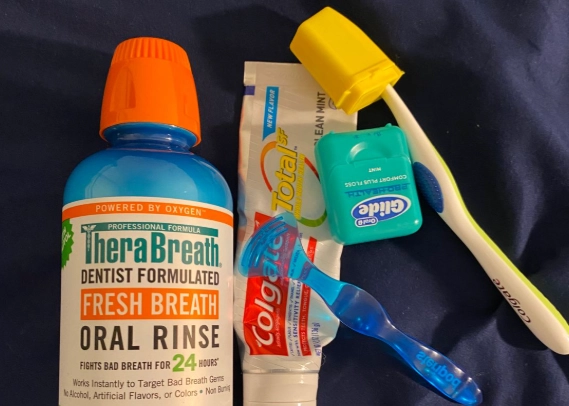
Let's cut to the chase. Natural oral care isn't about swapping your toothpaste for a fancy herbal brand and calling it a day. It's a holistic approach that ties your mouth's health to your overall well-being, using methods that have been around for centuries but often ignored in modern dentistry. I've spent over a decade experimenting with this stuff, and I've seen both the hype and the real results. If you're tired of sensitive teeth, gum issues, or just want to avoid harsh chemicals, this guide is for you. We'll dive into practical steps, common pitfalls, and how to make it work without turning your bathroom into a pharmacy.
What You'll Find in This Guide
What Exactly is Natural Oral Care?
Natural oral care means focusing on prevention and using ingredients derived from nature—think herbs, oils, and minerals—instead of synthetic chemicals. It's not anti-dentist; it's about complementing professional care with daily habits that support your body's own healing. The American Dental Association emphasizes fluoride for cavity prevention, but many people are looking for alternatives due to sensitivities or personal preferences. That's where natural methods come in. They address the root causes, like diet and microbiome balance, rather than just masking symptoms.
I remember a client who switched to natural care after years of battling gum inflammation. She thought it was just genetics, but after adjusting her routine, her dentist noticed improvement in just three months. It's not magic; it's science-backed, but often overlooked.
Building Your Natural Oral Care Routine
A solid natural oral care routine has three pillars: what you put in your mouth, what you clean with, and how you support it from within. Let's break it down.
The Truth About Natural Toothpaste: Ingredients to Look For and Avoid
Not all natural toothpastes are created equal. Some are just marketing gimmicks. Here's what matters:
- Look for: Baking soda (gently abrasive), xylitol (reduces bacteria), neem oil (antibacterial), and calcium carbonate. Brands like Dr. Bronner's or Tom's of Maine often get it right, but check the label—avoid those with sulfates or artificial sweeteners.
- Avoid: Triclosan, sodium lauryl sulfate (SLS), and microbeads. These can irritate gums or disrupt oral flora. I've tried a dozen brands, and the ones with simple ingredient lists work best for sensitive teeth.
Here's a quick comparison of popular natural toothpaste ingredients:
| Ingredient | Benefit | Potential Drawback |
|---|---|---|
| Baking Soda | Neutralizes acids, whitens | Can be too abrasive if overused |
| Xylitol | Reduces cavity-causing bacteria | May cause digestive issues in large amounts |
| Coconut Oil | Antimicrobial, great for oil pulling | Messy if not used properly |
| Activated Charcoal | Stains removal | Can erode enamel if used daily |
Oil Pulling: Ancient Wisdom for Modern Mouths
Oil pulling involves swishing oil (like coconut or sesame) in your mouth for 10-20 minutes. It sounds weird, but it works by pulling toxins and reducing plaque. Start with 5 minutes daily—I did it for a month and noticed fresher breath and less gum bleeding. Don't swallow the oil; spit it out and rinse. Some studies from the National Center for Complementary and Integrative Health suggest it can improve oral hygiene, but it's not a replacement for brushing.
How Your Diet Directly Affects Your Gums and Teeth
You can't out-brush a bad diet. Sugar feeds harmful bacteria, but it's not just about candy. Processed carbs break down into sugars too. Focus on:
- Crunchy veggies: Apples, carrots—they naturally clean teeth.
- Calcium-rich foods: Dairy or leafy greens for enamel strength.
- Vitamin C: Citrus or bell peppers to prevent gum disease.
A friend of mine cut soda and saw her cavities drop. It's that straightforward.
The Top 3 Mistakes People Make with Natural Oral Care
After years in this field, I've seen people stumble over the same issues. Here are the big ones:
- Over-relying on one product: Just using herbal toothpaste won't fix deep-seated issues. You need a combo—brushing, flossing, and diet changes. I've met folks who switched toothpaste and wondered why their gums still bled; they skipped flossing with natural silk floss.
- Ignoring pH balance: Your mouth's pH affects enamel. Acidic foods or drinks can erode it, even with natural care. Rinse with water after eating citrus, and consider alkaline foods like almonds.
- Jumping into extremes: Some ditch fluoride entirely without consulting a dentist. Fluoride has benefits for cavity prevention, according to the American Dental Association. A balanced approach is key—maybe use fluoride toothpaste occasionally if you're prone to cavities.
These mistakes come from enthusiasm, but they can set you back.
A Step-by-Step Plan to Switch to Natural Oral Care
Transitioning doesn't have to be overwhelming. Follow this plan over a month:
Week 1: Start with diet. Cut back on sugary snacks and add one crunchy vegetable daily. Drink more water to rinse your mouth naturally.
Week 2: Introduce oil pulling. Do it for 5 minutes every morning before brushing. Use coconut oil—it's palatable for beginners.
Week 3: Swap your toothpaste. Choose a natural brand with xylitol or baking soda. Brush twice a day and floss with biodegradable floss.
Week 4: Evaluate. Notice any changes in sensitivity or breath? Adjust as needed—maybe add a herbal mouthwash with tea tree oil.
I helped a family implement this, and their dental check-ups improved within six months. It's about consistency, not perfection.
Frequently Asked Questions (FAQ)
Natural oral care is a journey, not a destination. It's about tuning into your body and making small, sustainable changes. Start today—pick one tip from this guide and try it. Your mouth will thank you.