Quick Guide
- Why Consider a Soft Night Guard? The Good, The Bad, and The Chewy
- The Great Showdown: Soft vs. Hard vs. Hybrid Night Guards
- Choosing Your Soft Night Guard: A Step-by-Step Decision Map
- Life with Your Guard: Care, Realistic Expectations, and Troubleshooting
- Your Burning Questions, Answered (The FAQ Most People Actually Need)
- The Final Verdict: Is a Soft Night Guard Right for You?
Let's be honest, waking up with a sore jaw, a dull headache, or that unsettling feeling your teeth have been through a mini-earthquake overnight is a terrible way to start the day. If you're reading this, you probably know that sensation all too well. You've likely been told you grind your teeth (a condition called bruxism), and the standard advice is to get a night guard. But then you look at some of them—hard, bulky, plastic contraptions that look like they belong in a hockey player's mouth, not yours while you're trying to sleep. The thought alone can make you clench more.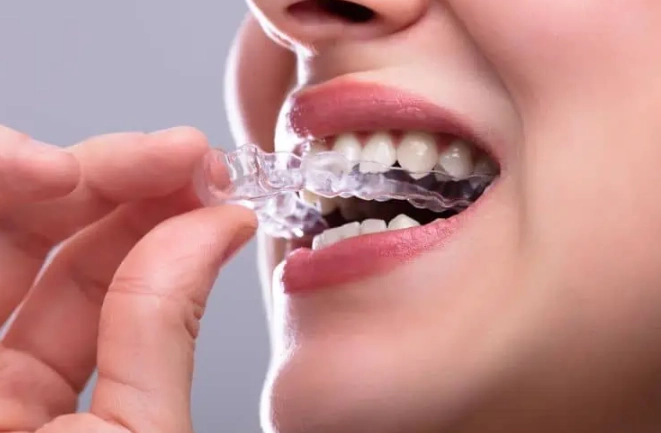
That's where the idea of a soft night guard for teeth grinding comes in. It sounds promising, right? Something comfortable that actually lets you sleep while protecting your teeth. But is it the right choice? How does it stack up against other types? I've been down this rabbit hole myself, tried a few options, and talked to dentists. This isn't just a rehash of product specs; it's a deep dive into what you actually need to know before spending a dime.
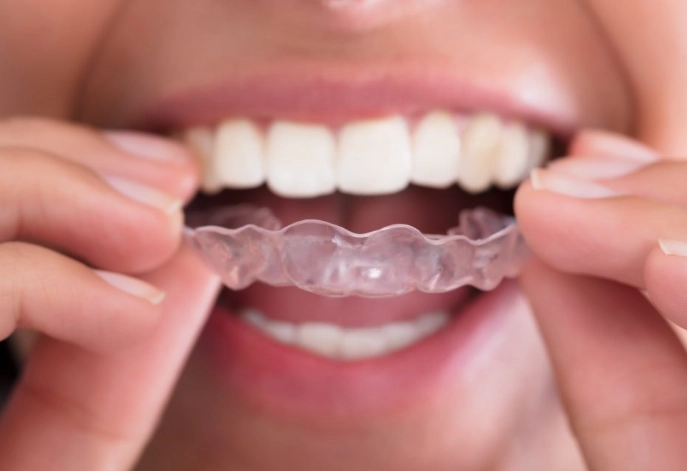
The Core Promise: A soft night guard for teeth grinding is typically made from a flexible, medical-grade silicone or thermoplastic material. It's designed to cushion your teeth, absorbing and distributing the forces of clenching and grinding, with the primary selling point being immediate comfort and easier adaptation compared to its hard counterparts.
Why Consider a Soft Night Guard? The Good, The Bad, and The Chewy
It's not a one-size-fits-all miracle solution. Understanding the pros and cons is crucial because your friend's perfect solution might be your nightmare, and vice versa.
On the plus side, the comfort factor is huge. Most people adapt to a soft night guard for teeth grinding within a night or two. There's no bulky feeling, less gag reflex trigger, and it generally feels more natural in your mouth. For light to moderate grinders, the cushioning effect is excellent at preventing tooth wear and reducing muscle strain in the jaw (the masseter muscles). It can be a game-changer for easing into the habit of wearing a guard nightly.
But here's the critical part a lot of websites gloss over: the potential downside. Some dentists I've spoken to express a specific concern. They argue that the very softness that makes it comfortable can act like a chew toy for aggressive grinders or clenchers. Instead of just cushioning, your jaw muscles might work against the resistance, potentially increasing muscle activity and making jaw soreness worse over time. It's a debated point, but it's a real consideration. I found this to be somewhat true with my first cheap, boil-and-bite soft guard—it felt like I was chewing gum all night.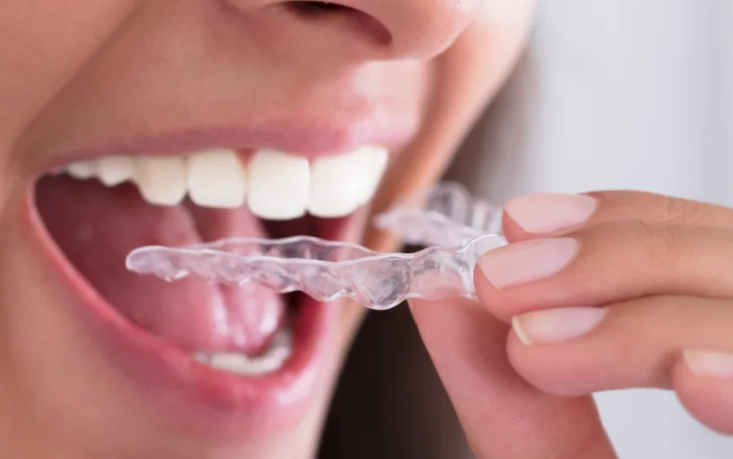
A Key Distinction: Not all "soft" guards are equal. The flimsy, over-the-counter boil-and-bite kits are a world apart from a professionally made, laboratory-fabricated soft night guard from a dentist. The material density, thickness, and precise fit matter immensely for both protection and preventing that "chew toy" effect.
The Great Showdown: Soft vs. Hard vs. Hybrid Night Guards
You can't make a good decision without knowing your options. Let's break down the main types. Think of this as your menu.
| Type | Material & Feel | Best For... | Potential Drawbacks | Cost Range (Approx.) |
|---|---|---|---|---|
| Soft Night Guard | Flexible silicone/plastic. Feels rubbery or like a thick mouthguard. | New users, those with strong gag reflexes, light-to-moderate grinders prioritizing comfort, TMJ discomfort from hard surfaces. | May not withstand extreme force long-term; can encourage chewing for some; may retain more odor/bacteria if not cleaned meticulously. | $20 (OTC) - $500 (Dental Lab) |
| Hard Acrylic Guard | Rigid, hard plastic. Feels substantial and solid. | Heavy grinders, maximum durability and tooth protection, preventing jaw muscle overactivity. | Longer adaptation period, can feel bulky, may cause initial soreness on teeth, less forgiving if not perfectly fitted. | $300 - $800+ (Dental Lab) |
| Hybrid/Dual-Lamina | A hard outer shell with a soft inner lining. Combines features of both. | Those who want durability of hard guard with the cushioning comfort of soft. Often considered the "gold standard" by many dentists. | Most expensive option, can be thicker than other types. | $500 - $1000+ (Dental Lab) |
See, it's not just about soft vs. hard. It's about your specific grinding pattern, your jaw's response, and your budget. The American Dental Association (ADA) doesn't endorse specific brands, but they provide valuable information on bruxism and its management, which reinforces that a properly fitted dental appliance is the standard of care.
My personal journey went from a terrible OTC soft guard (made my jaw ache more) to a custom hard guard from my dentist (effective but took weeks to get used to). I now see why the hybrid exists.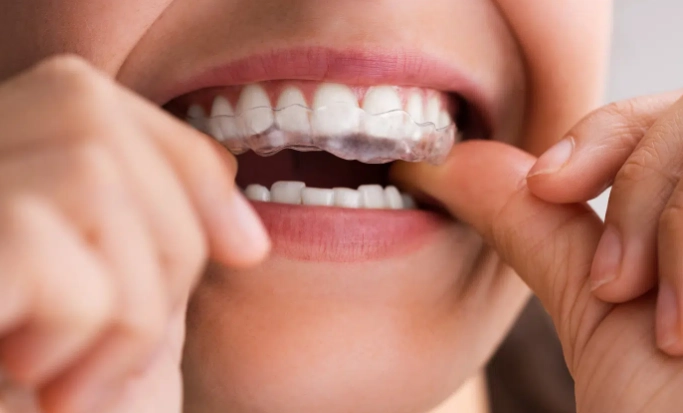
Choosing Your Soft Night Guard: A Step-by-Step Decision Map
Feeling overwhelmed? Let's simplify the process. Ask yourself these questions in order.
Step 1: Assess Your Grinding Severity
Be honest. Are your teeth slightly worn, or has your dentist shown you cracks or significant flattening? Do you wake up with jaw pain daily, or just occasionally? Light grinders might do well with a high-quality OTC or direct-to-consumer custom soft guard. If your dentist is seriously concerned about damage, start with a professional consultation. A soft night guard for teeth grinding might still be recommended, but it will be one designed for your level of force.
Step 2: Consider the Source: OTC, Online Custom, or Dental Lab?
- Over-the-Counter (OTC): The drugstore boil-and-bite kits. They're cheap and immediate. The fit is mediocre, the material is often low-density, and they wear out fast (3-6 months). I don't recommend these for anything more than occasional, very light grinding or as a temporary test. They're better than nothing, but just barely.
- Online Custom Impressions: Companies like JS Dental Lab, Remi, or Cheeky send you a putty impression kit. You make molds at home, send them back, and get a guard made from a digital model of your teeth. The fit is vastly superior to OTC, material quality is better, and the price sits in the middle ($100-$250). This is a compelling option for many. The risk? If your at-home impressions are bad, the fit will be bad.
- Dental Professional (Dentist/Dental Lab): The gold standard for fit and material control. Your dentist takes precise impressions or digital scans. The guard is fabricated in a professional lab with medical-grade materials of specified thickness. This is the most expensive route ($300-$600 for a soft custom guard), but it offers the best fit, durability, and professional oversight. Your insurance might cover part of it.
Pro Tip: If you go the online custom route, choose a company that offers a satisfaction guarantee or remake policy if your impressions are off. It takes the pressure off getting those molds perfect on the first try.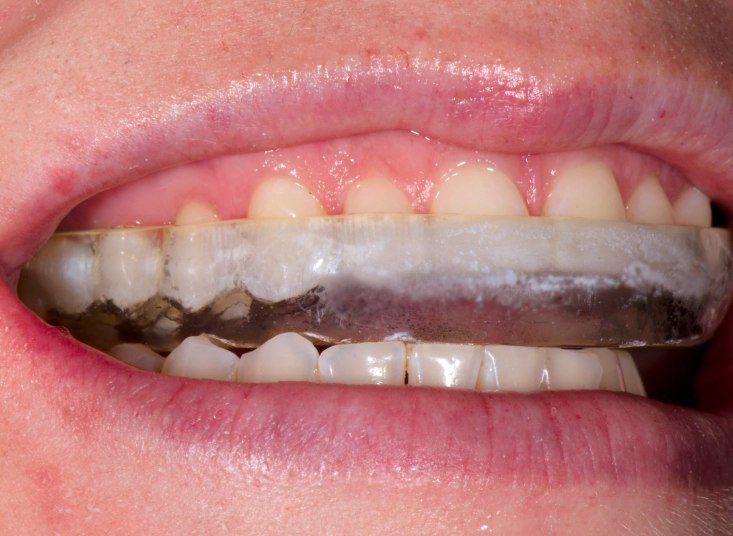
Step 3: Material and Design Details Matter
Don't just buy "a soft guard." Look for specifics. Medical-grade silicone or ethylene-vinyl acetate (EVA) are common. Thickness matters—2mm is common, but 3mm offers more cushion for heavier grinders. A full-coverage guard (covering all upper or lower teeth) is standard and offers the best protection. Some have features like air channels for breathing or textured surfaces to discourage chewing.
It's a lot to weigh, isn't it?
Life with Your Guard: Care, Realistic Expectations, and Troubleshooting
You've got it. Now what? This is where most guides stop, but the real journey begins.
Breaking it in: The first few nights might feel weird. A little increased saliva, a foreign object sensation. That's normal. Try wearing it for a few hours before bed while watching TV to acclimate. A true soft night guard for teeth grinding should not cause significant pain. Discomfort, yes. Pain, no.
The Cleaning Ritual (Non-Negotiable): This is crucial, especially for soft materials which are more porous. In the morning, rinse it with cool water. Brush it gently with a soft toothbrush and non-abrasive soap or clear, antibacterial hand soap. Toothpaste is too abrasive and will scratch it, creating hiding spots for bacteria. Soaking it once a week in a denture cleaner or a mix of vinegar and water can help disinfect. Always store it dry in its ventilated case.
What to Realistically Expect:
- Tooth Protection: This is the primary job. Your teeth should stop wearing down. You might notice less tooth sensitivity to cold over time.
- Jaw Pain & Headaches: This is trickier. For many, cushioning the bite relieves muscle strain and headaches improve. For others (the potential "chew toy" effect), jaw soreness might persist or even initially increase. Give it 2-3 weeks. If jaw pain is your main issue and it's not improving, talk to your dentist—you may need a different type of appliance.
- The Noise: Sorry, but if your grinding wakes up your partner, a soft guard will likely mute the sound but not eliminate it entirely. Hard guards are generally better at stopping the grating noise completely.
I made the mistake of using toothpaste on my first soft guard. After a month, it looked cloudy and felt gritty. A dentist friend pointed out the microscopic scratches I'd created. Learned that lesson the hard way—stick to mild soap.
Your Burning Questions, Answered (The FAQ Most People Actually Need)
The Final Verdict: Is a Soft Night Guard Right for You?
So, after all this, where do we land? A soft night guard for teeth grinding is an excellent, often underrated tool in the fight against bruxism. It's not the brute-force solution, but it's the comfort-first ambassador.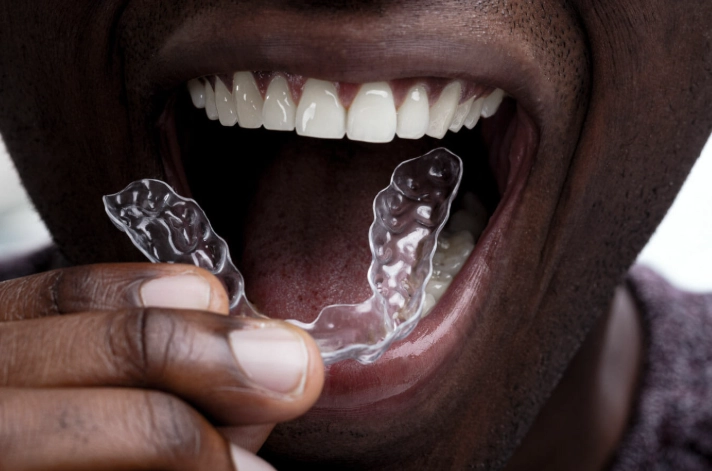
Choose a soft guard if: your grinding is light to moderate, comfort and ease of adaptation are your top priorities, you have a strong gag reflex, or you're using it as a first step to get into the habit of nightly protection. Splurging on a custom-fit version from a dentist or a reputable online lab is worth every penny over a flimsy OTC version.
Think twice and consult a dentist first if: you are an extremely heavy grinder with significant existing tooth damage, your primary complaint is severe TMJ/jaw pain (not just tooth wear), or you've tried a soft guard before and found your jaw felt more tired in the morning.
The goal isn't just to buy a product. It's to find a sustainable solution that you'll actually wear every night. For countless people, the gentle cushioning of a well-made soft night guard for teeth grinding is the key to breaking the cycle of nightly damage and waking up feeling—finally—rested.
Your teeth will thank you.