Quick Navigation
Let's be real. We've all been there. You look around your home, and a wave of "I need to clean this place from top to bottom" washes over you. The idea of a deep clean is so appealing. Imagining every baseboard shining, the grout looking new, and the inside of your oven spotless. It feels like a fresh start.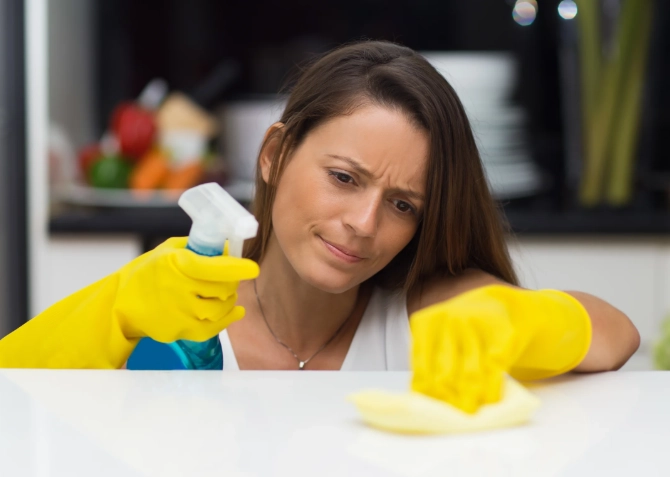
But here's the thing nobody really talks about in those satisfying before-and-after videos. The process itself? It can be a real pain. And sometimes, the aftermath isn't all sunshine and rainbows either. I learned this the hard way a few years back when I decided my apartment needed a "reset." I spent an entire weekend on my hands and knees, and by Sunday night, I had a spotless floor and a thrown-out back. Not exactly the win I was hoping for.
So, before you block out your calendar and buy ten different specialized cleaners, let's have an honest chat. What are the disadvantages of deep cleaning? I'm not saying don't do it. But you should go in with your eyes wide open, knowing the full picture—the good, the bad, and the potentially expensive.
This isn't about scaring you off. It's about being smart. Because understanding the downsides is the first step to planning a deep clean that actually works for you, without the burnout or the regrets.
The Big Three: Time, Money, and Your Energy
Let's start with the most obvious hurdles. These are the ones you can sort of predict, but we often underestimate them by a huge margin.
The Time Sink That Eats Your Weekend
A deep clean is not a "couple of hours on a Saturday morning" kind of job. If you're doing it right, you're looking at a major time commitment. We're talking about moving furniture, emptying cabinets, scrubbing areas that haven't seen a sponge in years. It fragments your free time completely.
Think about it. You have to:
- Clear the schedule (goodbye, social plans).
- Assemble all your tools and products.
- Actually do the cleaning, which always takes longer than you think.
- Deal with the disruption while it's happening (where do you even sit when the couch is pulled out?).
- Put everything back together afterwards.
It's a multi-stage project, not a task. For a full house, you could easily be looking at 8-16 hours of work, spread over a weekend or several evenings. That's a significant chunk of your life spent on cleaning.
And here's a personal gripe: the mental toll of a half-finished deep clean is worse than not starting at all. Walking into a room that's torn apart because you ran out of steam is genuinely depressing. It can make your space feel more chaotic than when you started.
The Hidden and Not-So-Hidden Costs
Ah, the budget. We often just think about the cost of a bottle of all-purpose cleaner. Deep cleaning has its own economy.
First, there's the supply cost. You might need specialized products: a heavy-duty degreaser for the kitchen hood, a mold remover for the shower sealant, a specific wood cleaner for your floors, microfiber cloths you don't already own, maybe even a new scrub brush or a steamer rental. It adds up quickly at the store.
Then, there's the professional route. Hiring someone is a fantastic way to save time and your sanity, but it's a serious financial investment. And you need to be careful. A cheap quote might mean cut corners, while a premium service is, well, premium.
| Cleaning Aspect | DIY Estimated Cost Range | Professional Estimated Cost Range | Hidden Cost Factor |
|---|---|---|---|
| Whole House Deep Clean | $50 - $150 (Supplies) | $300 - $800+ | Your personal time & energy |
| Carpet/Steam Cleaning | $30 - $80 (Rental) | $120 - $300 | Drying time (room unusable) |
| Window Cleaning (Interior/Exterior) | $20 - $50 (Tools) | $150 - $400 | Safety risk for upper floors |
| Appliance Deep Clean (Oven, Fridge) | $15 - $40 (Chemicals) | $80 - $200 | Harsh chemical exposure risk |
And let's not forget potential replacement costs. What if, during your vigorous scrubbing, you damage something? A scratched surface, a torn screen, a worn-out seal that finally gives up? Suddenly, the clean comes with a repair bill.
Physical and Mental Drain
This one hit me like a truck. Deep cleaning is physically demanding work. It involves bending, stretching, kneeling, scrubbing, lifting, and moving. If you're not used to it, you will feel it the next day. I'm talking about sore muscles, aching joints, and pure exhaustion.
Mentally, it can be overwhelming. The scale of the project can induce decision fatigue and cleaning anxiety. Where do I even start? The U.S. Environmental Protection Agency (EPA) even has resources on indoor air quality during cleaning, which adds another layer of "things to worry about." The pressure to make everything perfect can suck the joy right out of your home.
Risks and Potential for Damage: The Unintended Consequences
This is where we get into the real disadvantages of deep cleaning that can cause lasting problems. It's not just about effort; it's about potentially harming your home and your health if you're not careful.
Using the Wrong Tools or Chemicals
The urge to use the strongest cleaner possible is strong. But aggressive chemicals and abrasive tools are a recipe for damage.
- Scratches: Steel wool or abrasive pads on stainless steel appliances, glass cooktops, or polished surfaces will leave permanent marks. That "clean" shine will now always have a haze of fine scratches.
- Surface Degradation: Harsh acids (like some toilet bowl cleaners) or strong alkaline cleaners can etch natural stone (marble, granite), strip the finish off wood floors, or dull laminate surfaces. The damage is often irreversible.
- Discoloration: A cleaner not meant for a certain fabric or material can cause fading or staining. I once used a generic upholstery cleaner on a chair cushion and ended up with a faint but permanent light spot. Lesson learned.
You have to become a bit of a chemist and a materials expert for your own home. It's a lot to remember.
Over-Wetting and Moisture Issues
More water equals more clean, right? Wrong. This is a huge one, especially for DIYers.
When you're deeply cleaning floors, upholstery, or walls, it's easy to use too much moisture. Soaking wood floors can cause warping. Over-wetting carpets can lead to mold growth in the padding underneath if they don't dry thoroughly and quickly. Cleaning a wall with too much water can compromise the drywall or paint.
Mold is a silent and serious risk. It loves dark, damp places. If you deep clean a shower but don't allow it to ventilate and dry completely, you might be creating a better environment for mold than you had before. Resources from organizations like the American Academy of Allergy, Asthma & Immunology (AAAAI) highlight how crucial controlling moisture and mold is for a healthy indoor environment, ironically something a poorly executed deep clean can threaten.
Disrupting the "Good" Dirt (Your Microbiome)
This might sound strange, but there's a growing conversation about being *too* clean. Our homes have a microbiome—a community of mostly harmless microbes. Some research suggests that an overly sterile environment, achieved through constant aggressive deep cleaning with antibacterial everything, might not be beneficial for developing immune systems.
I'm not saying live in filth. But there's a middle ground between grime and germophobia. Using harsh disinfectants on every surface constantly might be overkill for daily life and could contribute to the development of antibiotic-resistant bacteria. Sometimes, a good old-fashioned soap-and-water scrub is sufficient and less disruptive.
The Psychological and Practical Aftermath
You've done it. The house is pristine. You should feel amazing, right? Not always. The disadvantages of deep cleaning can linger even after the last rag is put away.
The Unsustainable Standard
You've just set a new, incredibly high bar for cleanliness. Your home has never looked this good. The problem? Maintaining that level is nearly impossible with normal life. Kids, pets, cooking, living—it all creates mess.
So you can end up feeling frustrated and disappointed a week later when you see dust on the TV stand or a water spot on the faucet. That "perfect" state becomes a source of stress instead of pride because you know you can't keep it up without turning into a full-time cleaner. It can make your regular, perfectly acceptable level of tidiness feel inadequate.
"Cleaner's High" and the Cycle of Burnout
Some people get a real rush from a big cleaning project. The visible results are incredibly rewarding. But this can lead to a binge-and-purge cycle. You let things slide because the thought of cleaning is overwhelming, then you have a burst of energy and do a massive, exhausting deep clean, then you're so burned out you let things slide again.
This cycle is less healthy and effective than establishing consistent, manageable cleaning habits. The deep clean becomes a reaction to chaos rather than part of a maintenance plan.
Potential for Allergic Reactions and Sensitivities
Deep cleaning stirs things up. Literally. You're disturbing dust that's been settled for months or years in vents, behind furniture, on top of cabinets. This can release a huge amount of allergens—dust mites, pet dander, mold spores—into the air.
Even if you don't normally have severe allergies, this concentrated cloud can cause reactions: sneezing, itchy eyes, coughing. For people with asthma or significant allergies, it can trigger serious symptoms. It's crucial to wear a mask (a good N95 or respirator, not just a cloth one) when doing heavy dust-disturbing tasks and to ventilate the space well.
Furthermore, the strong fumes from concentrated cleaning products can cause headaches, dizziness, or respiratory irritation. Always ensure good airflow when using potent chemicals.
So, Should You Ever Deep Clean? A Smarter Approach.
After all this doom and gloom, you might be thinking, "Well, I guess I'll just never clean again." That's not the point! The goal is to be strategic and mitigate these disadvantages. Understanding what are the disadvantages of deep cleaning allows you to plan around them.
Adopt a "Zoned" or "Rotational" Deep Clean System
Instead of annihilating your entire home in one go, break it down. Assign one area or one type of task to a weekend. This is the single best way to combat the time, energy, and overwhelm problems.
- Week 1: Deep clean the master bedroom and its bathroom.
- Week 2: Focus on the living room and dusting all electronics/bookshelves.
- Week 3: Tackle the kitchen appliances and inside cabinets.
This makes the task manageable, prevents total life disruption, and spreads the physical labor out. Your whole house gets a refresh over a month or two, but you never lose a whole weekend or destroy your body.
Know When to Call a Pro
Be honest with yourself about your limits. Some tasks are worth outsourcing to avoid risk and preserve your sanity.
Consider hiring a professional for:
- High exterior window cleaning (safety first!).
- Deep carpet cleaning, especially if you have allergies or stains.
- Cleaning after a major event like a renovation or a flood.
- Any task involving specialized equipment you'd only use once.
View it as an investment in your home's upkeep and your own time. A good pro will also know the right products and methods to avoid damage—that's part of what you're paying for.
Use the Right Products Gently
Do a little research. What is your countertop made of? What's the best way to clean your type of flooring? The Consumer Product Safety Commission (CPSC) and manufacturer websites are great resources for safe use of products and tools.
Start with the gentlest method first. Often, a microfiber cloth with hot water can do more than you think. Use chemicals as a second step, not a first resort. And always, always test a cleaner in an inconspicuous spot first.
Common Questions People Ask (But Are Afraid To)
So, there you have it. The full, honest picture. Knowing what are the disadvantages of deep cleaning gives you the power to make a plan that works. You can decide where to spend your effort, where to spend your money, and where to just let it be good enough. Your home should be a source of comfort, not a never-ending report card on your cleaning skills. Go forth and clean smart, not just hard.