You sit down in the chair. The hygienist gets to work. Before you know it, she’s saying "all done" and handing you a new toothbrush. You glance at the clock. Was that really only 15 minutes?
It happens. A quick dental cleaning can leave you feeling a mix of relief (it’s over!) and nagging doubt. Did they do a thorough job? Did they miss something? Is my money well spent?
As someone who’s worked in and around dental practices for over a decade, I’ve seen this from both sides. The answer isn’t a simple yes or no. A 15-minute cleaning can be perfectly fine—a sign of great efficiency. Or, it can be a red flag for a rushed, substandard job. The difference lies in the details most patients never think to check.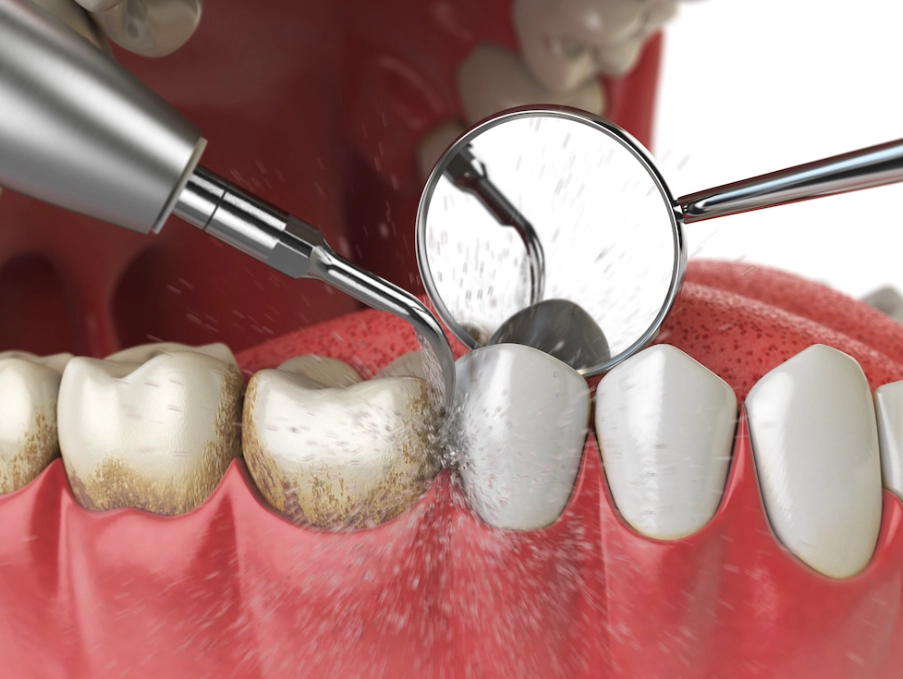
What You’ll Find in This Guide
Why a Dental Cleaning Might Only Take 15 Minutes
Let’s start with the good scenarios. Sometimes, a short appointment is exactly what you need.
Scenario 1: The ‘Maintenance’ Patient
This is you if you floss daily, brush perfectly, and see your hygienist like clockwork every six months. Your mouth is a clean slate. There’s barely any plaque to scrape off, no tartar (calculus) hiding under your gums, and your gums don’t bleed. The hygienist’s job is essentially a polish and a check-up. In these cases, 15 minutes of active cleaning time can be sufficient. The appointment might still last 30-40 minutes total when you include the exam with the dentist.
Scenario 2: The ‘Prophy-Only’ Appointment
Some offices schedule differently. They might book a short "prophy" (preventive cleaning) slot and a separate, longer exam slot with the dentist. Your 15 minutes with the hygienist is just for the cleaning part. The comprehensive exam, X-ray review, and oral cancer screening happen in a different segment. This isn’t necessarily bad, but the transition can feel abrupt.
Scenario 3: Highly Skilled Hygienist with Great Tools
Skill and technology matter. A seasoned hygienist using an advanced ultrasonic scaler (like a Cavitron) can remove tenacious tartar in seconds, a task that might take minutes with hand scalers. Efficiency is a virtue. The American Dental Association notes that proper training and modern equipment significantly improve preventive care delivery.
The Non-Consensus View: Many patients equate longer time with better care. I’ve found the opposite can be true. A frantic, unskilled hygienist can poke around for 45 minutes and accomplish little. A calm, expert with sharp instruments and a clear plan can do impeccable work in half the time. Focus on the result, not the clock.
The 15-Minute Cleaning Red Flags Checklist
Now, the worrying side. If you check several boxes below, your quick cleaning might have been too quick.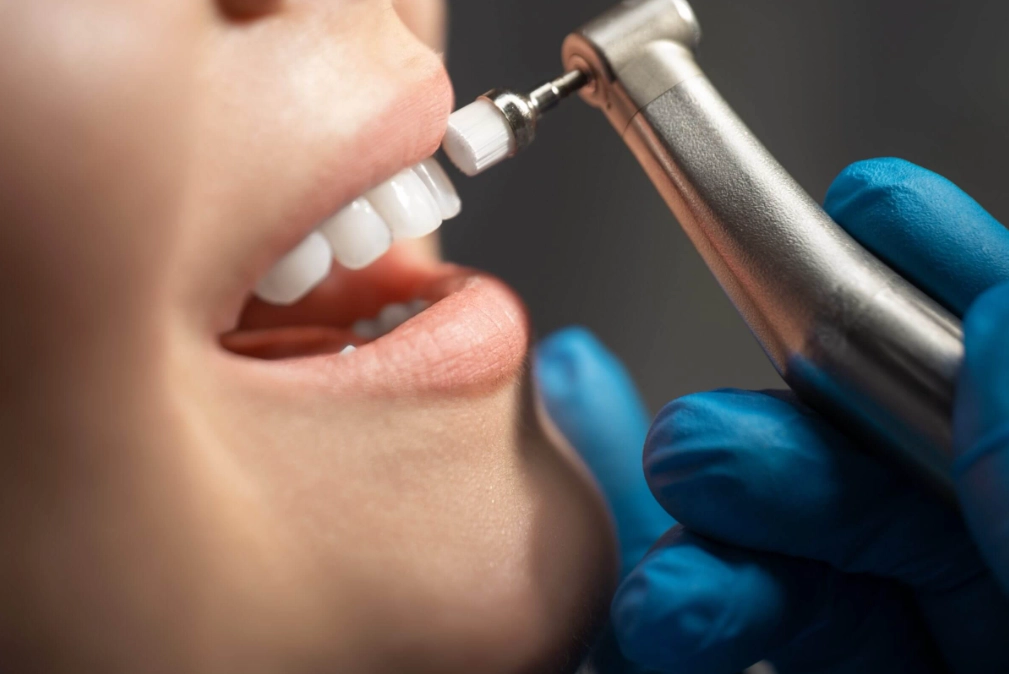
| Red Flag | What It Means | Why It's a Problem |
|---|---|---|
| No discussion of your medical/dental history. | They didn’t ask about new medications, health changes, or specific concerns. | Conditions like diabetes or medications like blood thinners directly impact your oral health and cleaning approach. Skipping this is a major safety and care oversight. |
| Gums bled during cleaning, but it wasn't addressed. | Bleeding indicates inflammation (gingivitis) or worse. | A good hygienist will point this out, explain its cause (usually plaque under the gumline), and spend extra time in those areas. Ignoring it means leaving disease-causing bacteria behind. |
| They only cleaned the visible parts of your teeth. | You didn’t feel any tools going slightly under your gumline (the sulcus). | The most critical plaque and tartar hide just below the gumline. Cleaning only the crowns is like washing only the hood of your car. |
| No flossing by the hygienist at the end. | They handed you the floss or skipped it entirely. | Professional flossing removes dislodged debris and checks for rough spots between teeth. It’s a standard final step. Omitting it is a classic corner-cutting move. |
| The polish felt cursory or was skipped. | The gritty paste was on and off in under 30 seconds. | Polishing removes surface stains and the final film of plaque. A rushed polish leaves stains and doesn’t create the smooth surface that repels new plaque. |
| You have known tartar buildup or periodontal issues. | You haven’t been in for years, or you’ve been told you have deep pockets. | Heavy tartar or gum disease requires a deeper cleaning (scaling and root planing), which takes multiple, longer appointments. A 15-minute standard cleaning is physically impossible and clinically inappropriate. |
What a Quality Cleaning Actually Includes (Step-by-Step)
To judge speed, you need to know what should happen. Here’s the breakdown of a complete, thorough prophylaxis cleaning.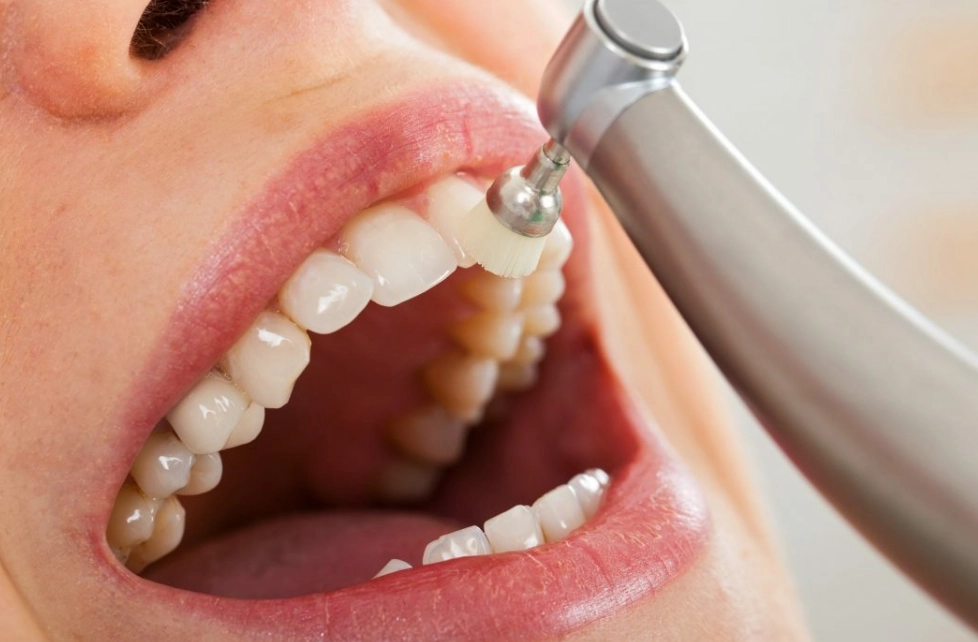
Assessment & Review (3-5 minutes): Before touching your teeth, a chat. Any new pain? Changes in health? This informs their approach.
Full-Mouth Plaque & Tartar Detection (2-3 minutes): Using a small mirror and explorer, they should systematically check around every tooth, especially near the gums, to identify problem areas.
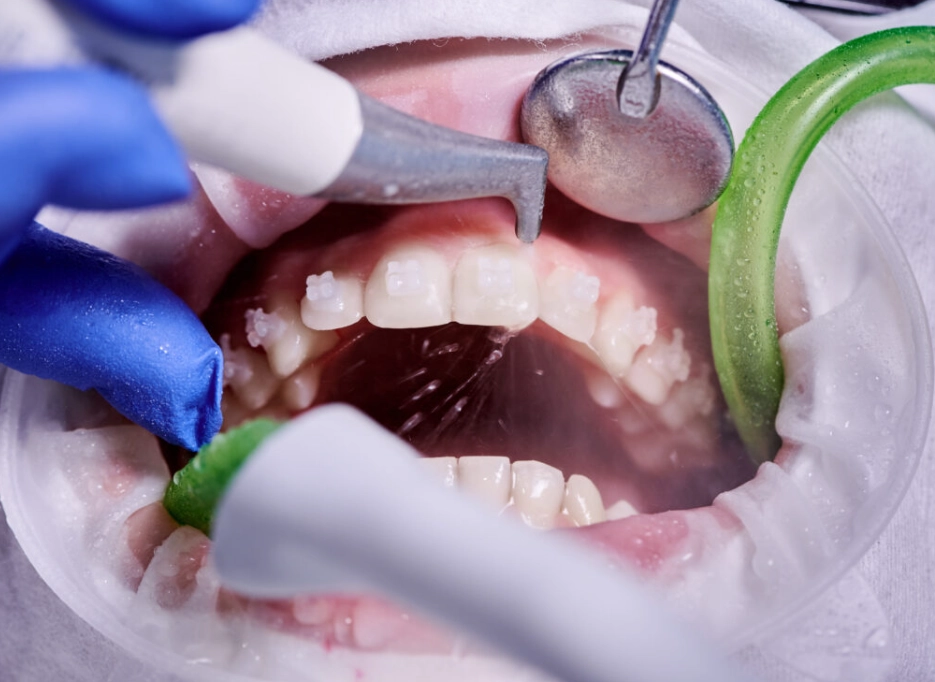
Supragingival Scaling (5-15+ minutes): Removing plaque and tartar above the gumline. Time varies wildly based on how much you have. This is where an ultrasonic scaler shines.
Subgingival Scaling (5-15+ minutes): The crucial step. Carefully cleaning just below the gumline (1-3mm) in the sulcus. This is non-negotiable for gum health. If your gums are healthy, this is quick. If inflamed, it takes longer.
Polishing (2-4 minutes): Using a prophy cup and paste on all tooth surfaces to remove stains and micro-plaque.
Professional Flossing & Final Rinse (2-3 minutes): Flossing every contact point and a thorough rinse to remove all debris.
Fluoride Treatment (if applicable, 1 minute): Application of fluoride varnish or gel.
Add that up. Even for a healthy mouth, you’re looking at 15-25 minutes of active cleaning time. The total appointment includes the dentist’s exam, which should involve checking each tooth, your soft tissues, and often reviewing X-rays.
How to Ensure You Get a Quality Cleaning, Not Just a Fast One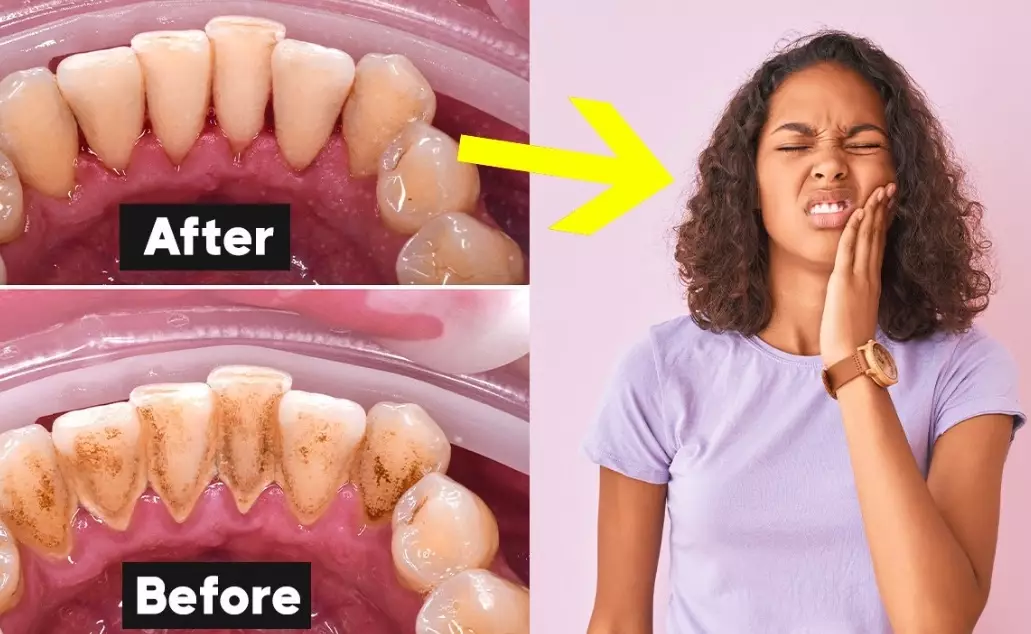
You’re not powerless. A few simple actions can steer your care in the right direction.
Book a ‘New Patient’ or ‘Comprehensive’ appointment if it’s your first visit or you haven’t been in years. This signals you need more time. Avoid booking just a “cleaning.”
Be upfront at check-in. Say something like, “It’s been a while since my last cleaning, and I want to make sure we have enough time to do a thorough job.” This sets expectations.
Ask questions during the cleaning. You’re not being rude. Try: “How do my gums look today?” or “Are you finding much buildup?” This engages the hygienist and prompts them to share findings.
Listen for the sound. The ultrasonic scaler has a distinct buzzing. You should hear it working on different areas. Long stretches of silence might mean they’re skipping steps.
Pay attention to the final feel. Run your tongue over your teeth afterward. They should feel uniformly smooth, like polished glass. Any rough or gritty spots likely mean missed tartar.
Trust your gut. If you feel rushed, ignored, or that corners were cut, you’re probably right. Consider it a one-time trial and look for another practice.
Your Questions on Fast Dental Cleanings Answered
I have a lot of tartar buildup. Can a cleaning still be done properly in 15 minutes?
Absolutely not. Heavy tartar, especially if it’s hardened (calculus), takes significant time to remove safely and completely without damaging the tooth enamel or gums. A 15-minute claim in this scenario is a guarantee of incomplete work. You likely need a deeper cleaning scheduled in quadrants, which can take 45-60 minutes per section.
How can I tell the difference between an efficient hygienist and a lazy one?
Focus on process and communication. The efficient hygienist is methodical, moving from tooth to tooth with purpose. They explain what they’re doing (“I’m finding some buildup on your lower front teeth”) and what they see (“Your gums are much healthier today”). The lazy one seems random, distracted, and silent. The efficient one’s tools feel precise; the lazy one’s feel haphazard.
 My insurance only pays for a certain amount of time. Is my hygienist rushing because of that?
This is a pervasive and unfortunate reality in some corporate dental chains. Insurance reimbursements for a “prophy” are often low and fixed, regardless of time spent. This creates pressure to see more patients per day. It’s a business model conflict. A quality-focused practice views the cleaning as essential preventive care, not a loss leader. If you suspect this, ask the office directly: “Do you tailor cleaning time to my needs or to insurance allowances?” Their answer will be telling.
What should I do if I think my last 15-minute cleaning was inadequate?
First, don’t panic. Schedule an appointment with a different, well-reviewed dental practice for a second opinion and a comprehensive exam. Explain your concern: “I had a very quick cleaning recently and want a thorough check to ensure everything is clean and healthy.” A new set of eyes (and possibly new X-rays) will reveal any remaining issues. It’s an investment in catching problems early.