That deep, throbbing ache starts. Maybe it's a sharp jab when you sip something cold, or a constant dull pressure that makes focusing impossible. A toothache isn't just a minor annoyance; it hijacks your entire day. The immediate question is always the same: how do I make this stop, and fast? You're not alone in scrambling for answers. Let's cut through the noise and talk about what actually works for toothache relief, what's a waste of time, and the critical signs that mean you need to drop everything and call a dentist.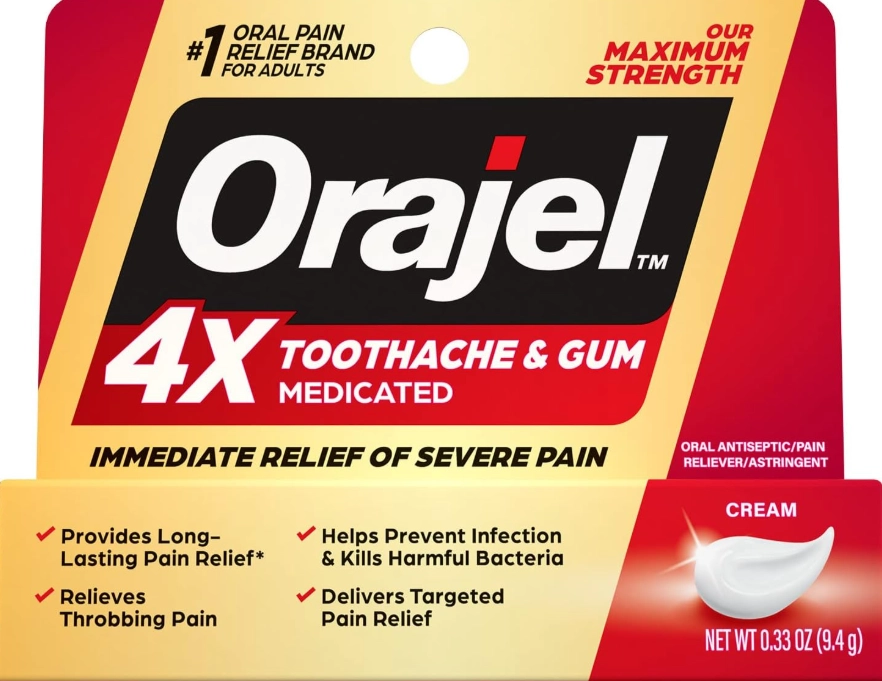
What's Inside This Toothache Survival Guide
Your First Response: Immediate Actions to Calm the Pain
Before you start mixing kitchen concoctions, do these three things. They set the stage for any other remedy to work better.
Clean the area, gently. Sometimes the pain is caused by a piece of food jammed between your teeth or in a cavity. Rinse vigorously with warm water. Use dental floss—carefully—to dislodge anything stuck. I've seen patients get instant relief from this simple step alone. Don't jab or force it, you'll just inflame the gums more.
Take an OTC pain reliever. Ibuprofen (Advil) or Naproxen (Aleve) are typically more effective for dental pain than acetaminophen (Tylenol) because they reduce inflammation. Follow the dosage on the label. Take it with food. If you can't take NSAIDs, acetaminophen is your next best bet. This isn't a cure, but it brings the pain down to a manageable level so you can think straight.
Apply a cold compress. Not heat. Heat can increase blood flow and swelling, making a throbbing pain worse. Wrap an ice pack or a bag of frozen peas in a thin towel and hold it against your cheek, over the painful area, for 15-20 minutes. The cold constricts blood vessels, numbs the area, and reduces swelling.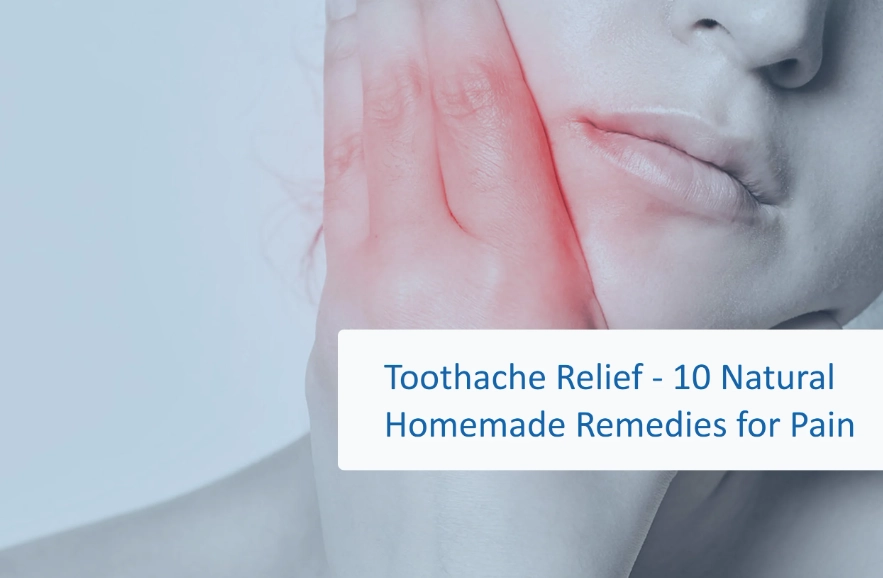
Home Remedies Deep Dive: What Works and What Doesn't
Now, let's look at the cabinet. These are temporary bridges to get you to professional care, not permanent solutions.
Salt Water Rinse: The Gold Standard
It sounds too simple, but it's incredibly effective. Dissolve half a teaspoon of salt in a cup of warm water. Swish it around your mouth for 30 seconds, focusing on the sore area, then spit. Do this several times a day.
Why it works: The salt draws out fluid from inflamed gums, reducing swelling. It's also a mild disinfectant, helping to clear away debris and bacteria. It's safe, cheap, and has zero side effects.
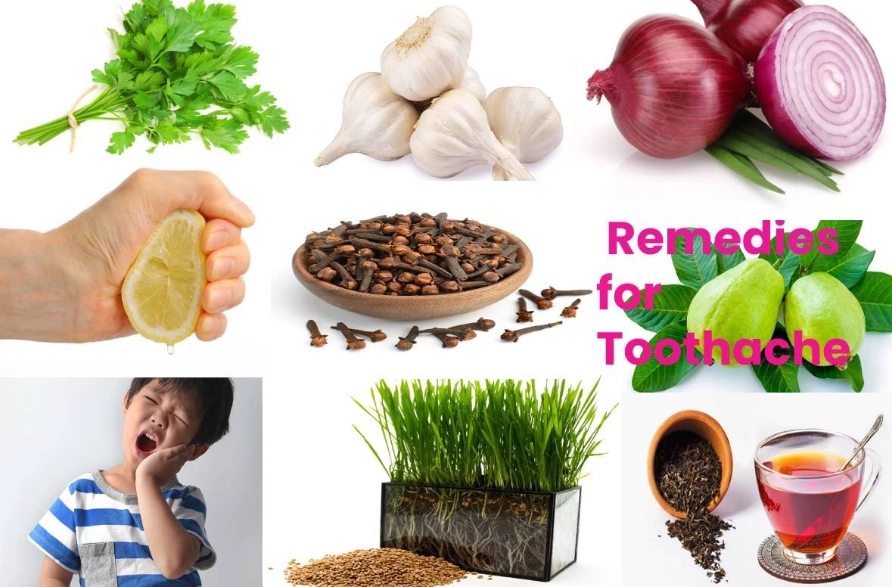
Clove Oil: Nature's Dental Anesthetic
This is the most potent natural remedy. Clove oil contains eugenol, a compound with both analgesic and antibacterial properties. The American Dental Association even lists eugenol as a dental material.
How to use it correctly (most people get this wrong): Don't pour the oil directly on your gum. It's too strong. Dab one or two drops on a cotton ball. Mix it with a drop of carrier oil like olive oil if you have sensitive skin. Place the cotton ball against the painful tooth and gum for 10-15 minutes. You'll feel a numbing sensation. You can also find over-the-counter dental gels that contain benzocaine or a small percentage of clove oil.
Hydrogen Peroxide Rinse (3% Solution Only)
This can help if the pain is accompanied by signs of infection like swollen, bleeding gums or a bad taste in your mouth.
The protocol: Mix equal parts 3% hydrogen peroxide and water. Swish for 30 seconds and spit. Do not swallow any. Rinse afterward with plain water. Use this no more than once or twice a day for a couple of days. It's not for long-term use as it can irritate tissues.
Red Flags: When Home Remedies Are Dangerous
This is the most important section. Home remedies are for mild, manageable pain or for buying time until a dental appointment. They are NOT a substitute for professional care when you have certain symptoms. Ignoring these signs can lead to serious, even life-threatening, infections.
| Symptom | What It Likely Means | Required Action |
|---|---|---|
| Severe, unrelenting pain that painkillers don't touch | Advanced pulp infection (irreversible pulpitis) or abscess. | Call a dentist immediately. This is a dental emergency. |
| Swelling in your cheek, jaw, or under your eye | The infection is spreading beyond the tooth root into facial spaces. | Seek emergency dental or medical care today. This can become systemic. |
| Fever, chills, or feeling generally unwell with the toothache | Your body is fighting a systemic infection. | This is urgent. See a dentist or go to an urgent care/ER. |
| Pain when you bite down, or a tooth that feels "high" | Possible abscess at the root tip putting pressure on the tooth. | Schedule a dental appointment within 24-48 hours. |
| Pus drainage or a foul taste in your mouth | Clear sign of an active abscess. | See a dentist promptly. The infection has a drainage point but still needs treatment. |
I once put off seeing a dentist for a swollen jaw, thinking antibiotics from an old prescription would help. It didn't. The infection spread, and I ended up needing a root canal, an incision to drain the abscess, and a stronger course of antibiotics. The cost and discomfort were ten times worse than if I'd just gone in at the first sign of swelling. Learn from my mistake.
The Long Game: Building a Strategy to Prevent Future Toothaches
Once the immediate crisis is over, think about why it happened. Most toothaches are preventable. They're the final alarm bell for a problem that's been brewing for months or years.
The Obvious (but non-negotiable) Foundation:
- Brushing & Flossing: Brush twice daily with fluoride toothpaste. Floss once a day. Not flossing is like washing only 70% of your body—the decay happens between the teeth.
- Regular Dental Check-ups: Go twice a year. A small cavity spotted early means a simple, painless filling. Ignored, it becomes a toothache requiring a root canal or extraction.
The Subtle Triggers People Miss:
- Grinding or Clenching (Bruxism): This puts massive pressure on teeth, causing cracks, wear, and pain that feels like a toothache. Do you wake up with a sore jaw or headaches? You might need a night guard.
- Sinuses: Your upper molar roots are close to your sinus floor. A sinus infection can cause a dull, aching pain in several upper teeth at once. If multiple teeth hurt and you're congested, consider this.
- Dietary Acid: Constant sipping of soda, coffee, or sports drinks bathes teeth in acid, eroding enamel and causing sensitivity that can escalate to pain. Use a straw and rinse with water afterward.
Your Top Toothache Questions, Answered
 Is it safe to use numbing gel from the store for a toothache?
The goal isn't just to survive the next toothache. It's to understand it, manage it safely, and then take the steps so you never have to feel that particular panic again. Start with the salt water rinse, listen to your body's red flags, and make that dental appointment. Your future, pain-free self will thank you.