Let's cut to the chase. The short, honest answer is: for most people, a routine dental cleaning is more uncomfortable than painful. It's a strange sensation—pressure, scraping, vibration, cold water—but outright pain is not the norm. If you're sitting there dreading your appointment because you're convinced it's going to be agony, take a breath. That fear is often worse than the actual experience.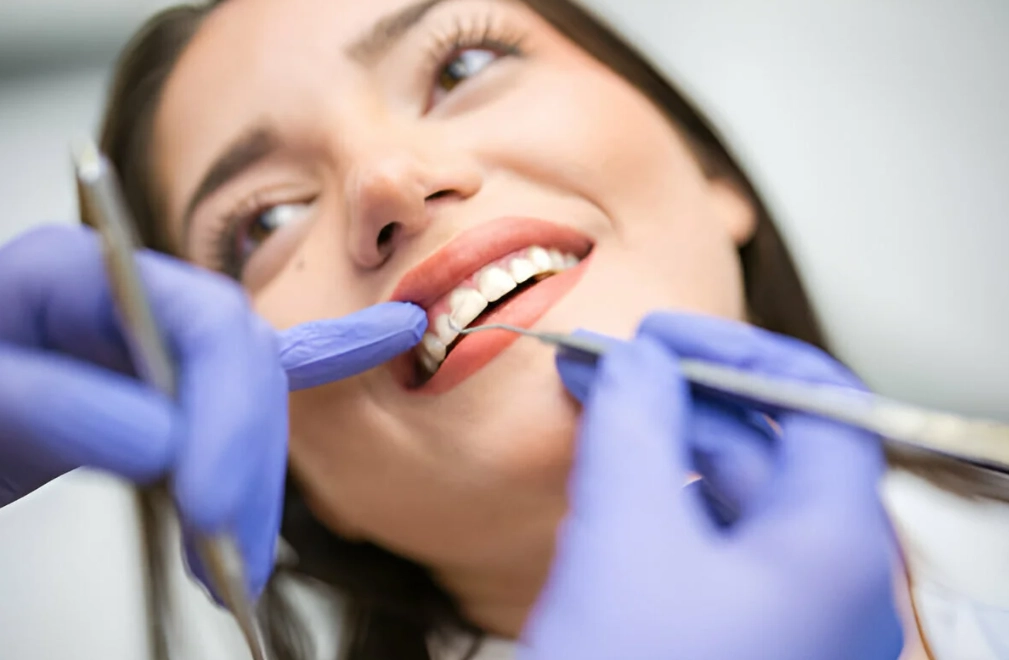
I've worked in dentistry for over a decade, and I've seen every reaction. The vast majority of patients walk out saying, "That wasn't nearly as bad as I thought." But here's the key point they never tell you: discomfort during a cleaning is highly variable and often preventable. It depends on your oral health, your hygienist's technique, your own pain threshold, and, crucially, how well you communicate.
This guide isn't just a fluffy reassurance piece. We're going to dissect exactly what might cause discomfort, why it happens, and—most importantly—how you can work with your dental team to make your next cleaning as smooth and comfortable as possible. Forget the generic advice. We're getting into the nitty-gritty details that actually make a difference.
What to Expect in This Guide
What Actually Happens During a Cleaning: A Step-by-Step Sensation Guide
Fear of the unknown is a huge factor. Knowing what each tool does demystifies the process. A standard prophylaxis (that's the fancy term for a regular cleaning) typically involves these stages: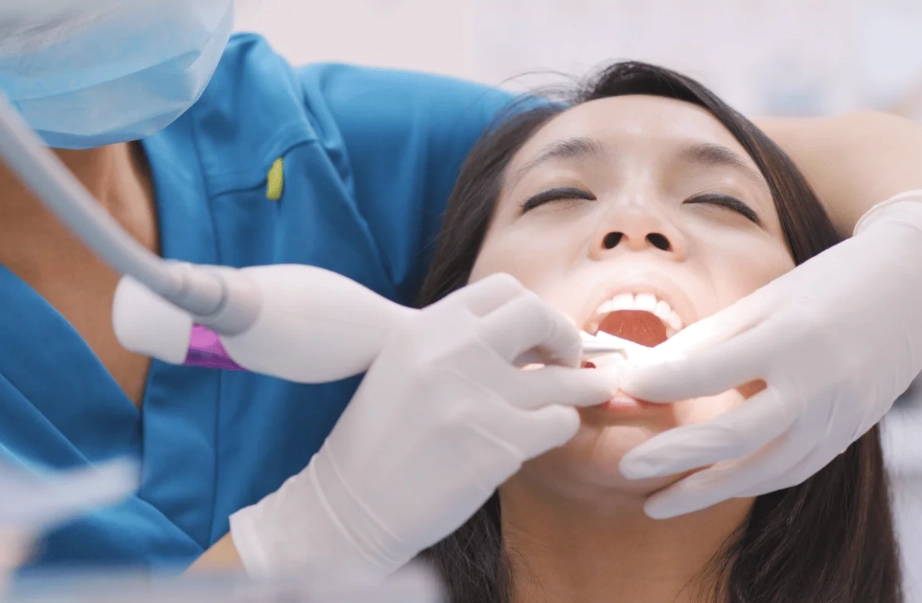
The Physical Exam: Before any tools touch your teeth, the hygienist will visually and manually check your gums, looking for pockets, inflammation, or bleeding. This might involve a gentle poke with a blunt instrument. If your gums are healthy, you'll feel almost nothing. If they're inflamed (gingivitis), this probing can be tender or cause slight bleeding. This is your first clue about your oral health status.
The Scaler – The "Scraping" Tool: This is the metal hook you're probably picturing. Its job is to remove plaque and tartar (calculus) from the tooth surface, especially near the gumline. The sensation is a combination of pressure and a scraping vibration. On smooth enamel above the gums, it's barely noticeable. The closer it gets to the gumline, the more you'll feel it. If you have heavy tartar buildup, the hygienist has to apply more pressure to break it off, which can translate to more pressure on your tooth and gum.
Pro Insight: The sound is often worse than the feeling. That high-pitched scraping or scratching noise can make you tense up, which amplifies any sensation. Try bringing headphones and listening to music or a podcast. It's a game-changer for many patients.
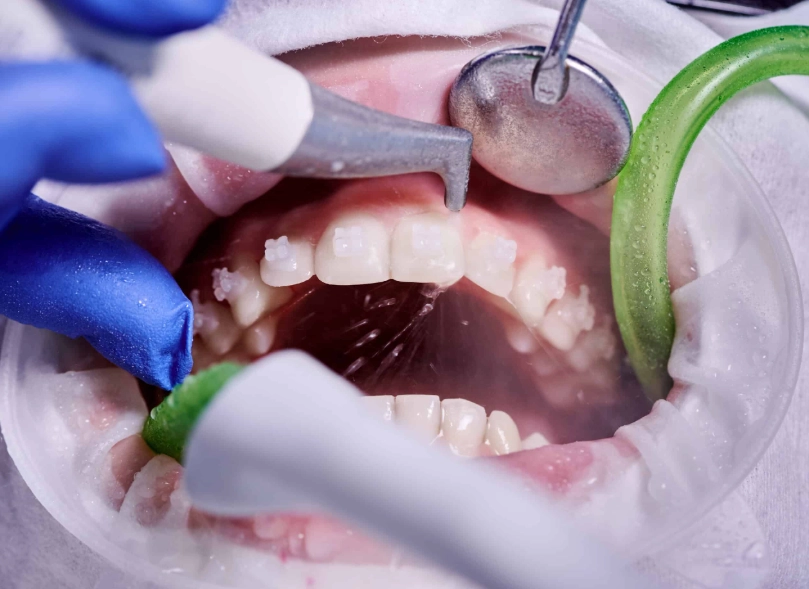
The Ultrasonic Scaler – The "Power Washer": Many offices now use this device first. It uses high-frequency vibrations and a cooling water spray to blast away larger chunks of tartar. The sensation is a buzzing vibration and a lot of cool water. It can feel weird, even ticklish, but it's rarely painful. The water can sometimes hit a sensitive spot on a tooth or the gum, causing a momentary zing.
Polishing – The "Gritty Toothpaste": After all the tartar is gone, a soft rubber cup with a slightly abrasive paste spins against your teeth to remove surface stains. This feels like a gentle buffing. The paste often has a minty or gritty flavor. No pain here, just a weird, smooth sensation.
Flossing and Fluoride: Professional flossing might feel tighter and more thorough than your home routine, especially if your teeth are close together. The fluoride treatment at the end is just a tray of gel or foam that sits on your teeth for a minute. It tastes fine and is completely passive.
The Real Reasons a Cleaning Might Be Uncomfortable (It's Not Just You)
If you do experience sharp twinges or sustained discomfort, it's usually due to one of these specific factors. Understanding them puts you back in control.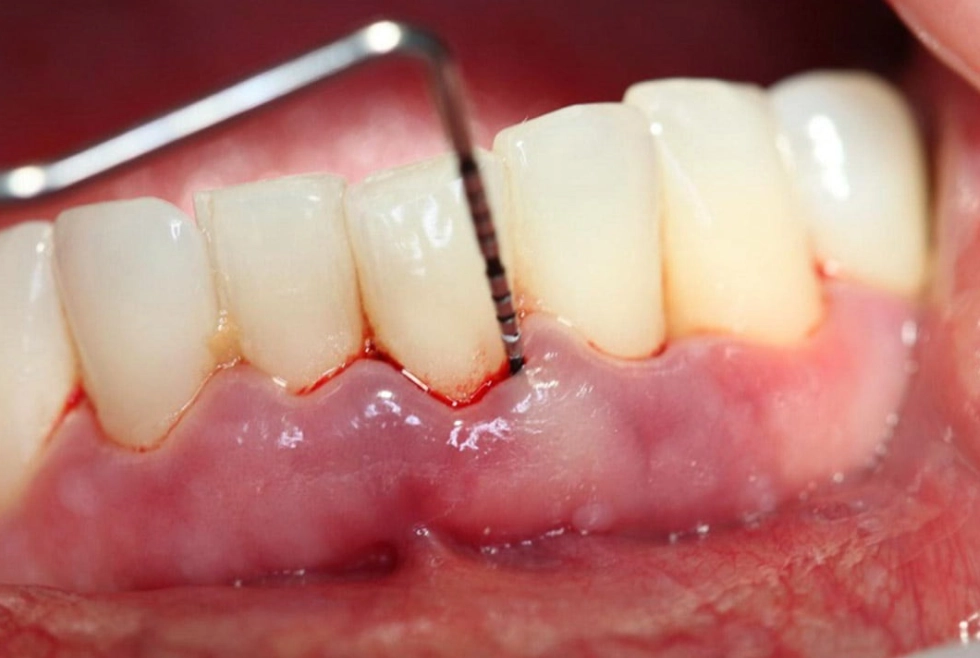
| Cause of Discomfort | What It Feels Like | Why It Happens |
|---|---|---|
| Gum Inflammation (Gingivitis) | Tenderness, bleeding when probed or scaled, a sore ache. | Inflamed gum tissue is more sensitive. The bacteria causing the inflammation have made your gums vulnerable. It's like poking a bruise. |
| Receding Gums & Exposed Roots | Sharp, cold-sensitive zings, especially near the gumline. | The root surface isn't covered by protective enamel. It has tiny tubules leading directly to the nerve. Scaling and cold water can trigger these. |
| Heavy Tartar Buildup | More pressure, longer scraping, a dull ache. | Tartar is rock-hard. Removing it requires more work. Also, tartar can act like a "splint" holding a loose tooth. Removing it can make the tooth feel temporarily more mobile and sensitive. |
| Dental Anxiety & Tension | Amplifies all sensations, makes you jumpy, can cause jaw soreness from clenching. | When you're tense, you're hypersensitive. You anticipate pain, so every normal sensation is interpreted as a threat. Your jaw muscles get tired from holding stiff. |
| Technique & Communication Gap | Unexpected jabs, prolonged pressure in one spot. | Even the best hygienist isn't a mind reader. If you don't signal discomfort, they don't know to adjust their pressure, angle, or to apply a numbing gel. |
See that last row? That's the most common, fixable issue. I've had patients white-knuckle the chair arms, tears silently rolling down their cheeks, and when I stop and ask if they're okay, they whisper, "It's fine." It's not fine. You are not inconveniencing us by asking for a break or for less pressure. You're helping us do our job better.
Your Action Plan for a More Comfortable Cleaning
This is your toolkit. Don't just hope for the best—be proactive.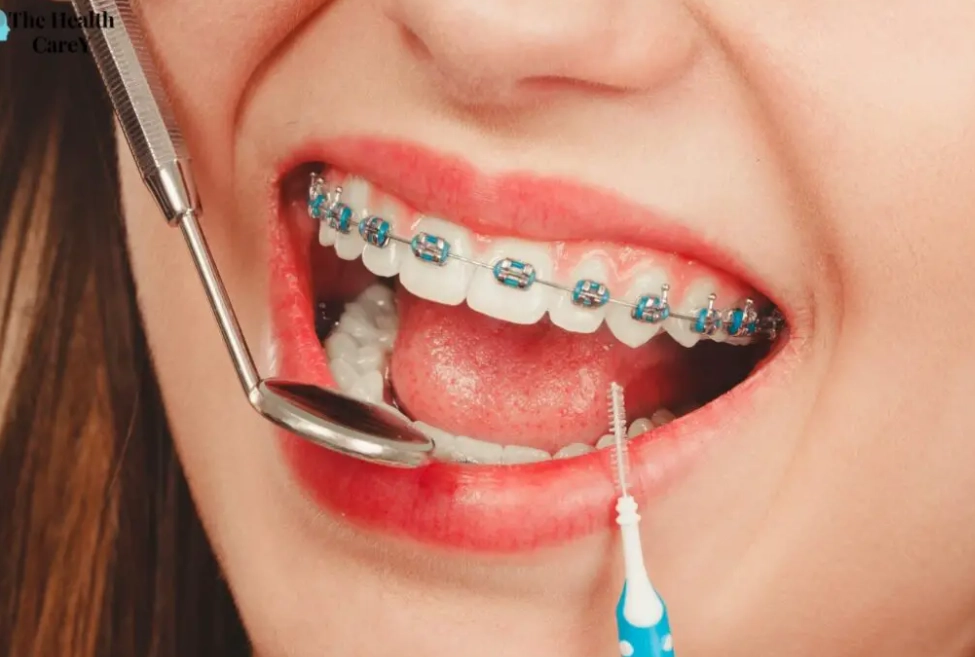
1. Communicate Like a Pro (Before and During): Book a longer appointment if you're anxious or have a history of discomfort. At the start, say: "My gums are pretty sensitive near the back lower teeth," or "I have one tooth that's really cold-sensitive. Can we use some numbing gel there?" During the cleaning, use a clear hand signal. Raising your left hand is universal for "stop, I need a break."
2. Numbing Options Are Your Friend: Topical anesthetic gel (Oraqix or similar) is a paste applied to your gums that numbs the surface tissue. It doesn't make you numb like an injection, but it takes the edge off scaling at the gumline. For deep cleanings or extreme sensitivity, local anesthetic (an injection) is completely appropriate. Don't suffer needlessly.
3. Pre-Medicate for Sensitivity: If you have generally sensitive teeth, use a desensitizing toothpaste (like Sensodyne or Colgate Sensitive) for at least two weeks before your appointment. It takes time to build up a protective effect in the tooth's tubules.
Avoid This: Taking over-the-counter pain relievers like ibuprofen before your appointment to "get ahead of the pain." This can mask important feedback your body is giving you and your hygienist. It's better to use them after if you feel soreness.
4. Manage Your Environment: Wear comfortable clothes. Bring headphones. Ask for a neck pillow or a weighted blanket if it helps you relax. These small comforts reduce overall stress, which directly lowers pain perception.
The One Big Mistake That Guarantees More Discomfort
Putting off cleanings because you're afraid they'll hurt.
It creates a vicious cycle: You delay the cleaning → Plaque hardens into more tartar → Gums become more inflamed → The required cleaning becomes more invasive → You experience more discomfort → You confirm your fear and delay the next one even longer.
Breaking this cycle is non-negotiable. More frequent, regular cleanings (every 3-6 months if recommended) keep tartar levels low and gums healthy, which makes each subsequent cleaning easier, faster, and more comfortable. The cleaning you dread most is the one you've waited too long to get.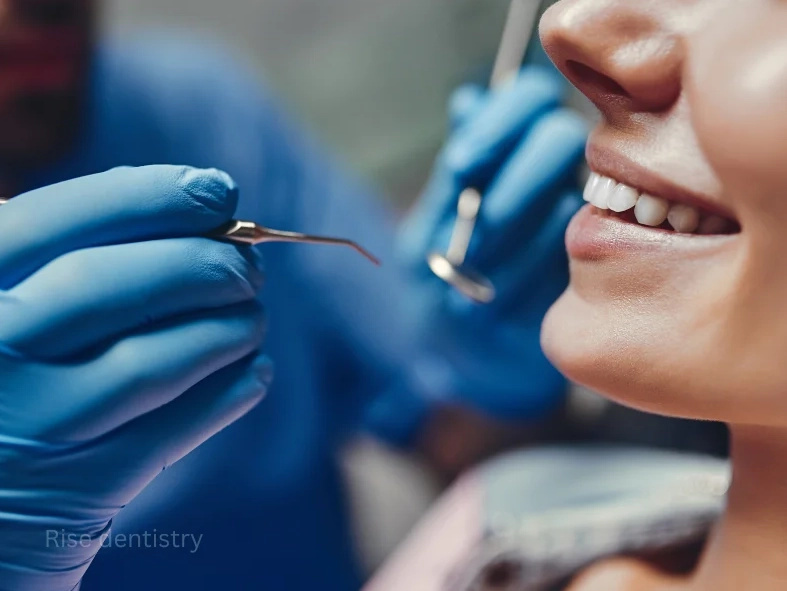
Your Specific Concerns, Answered
 My teeth are always super sensitive to cold for hours after a cleaning. Is that normal?
The bottom line is this: modern dentistry has the tools and the philosophy to make preventive care comfortable. Discomfort is a signal, not a sentence. Your role is to send that signal clearly to your dental team. Their role is to receive it and adjust. When that partnership works, the question "Does dental cleaning hurt?" transforms. It becomes a conversation that leads to a genuinely manageable, and often surprisingly easy, experience.
 Schedule that appointment. Use the strategies here. And remember, the goal isn't just to endure a cleaning—it's to leave feeling better than when you walked in.