Essential Guide
- What Actually Determines How Long Your Plastic Retainer Lasts?
- A Realistic Lifespan Comparison: Types of Plastic Retainers
- The #1 Way to Extend Your Retainer's Life: A No-BS Care Routine
- Red Flags: When to Stop Asking "How Long Do They Last?" and Start Calling Your Orthodontist
- Your Top Questions on Plastic Retainer Lifespan, Answered
- The Bottom Line on Plastic Retainer Longevity
So you just got your braces off. Congrats! That feeling is amazing. But then your orthodontist hands you this clear, plastic retainer and gives you a speech about wearing it forever. And one of the first questions that pops into your head is, realistically, how long do plastic retainers last before they turn into a flimsy, gross piece of junk?
Let’s cut through the vague advice. The official line from most orthodontists is something like "1 to 3 years" or "until they break." Helpful, right? Not really. The truth is, the lifespan of your plastic retainer is a personal story. It depends entirely on a cocktail of factors—some in your control, some not. I’ve talked to friends who’ve murdered a retainer in six months, and others who’ve somehow kept the same one looking decent for five years (though I’m skeptical about its effectiveness at that point).
The quick, unsatisfying answer? With perfect care, a high-quality, professionally-made plastic retainer might last you 2 to 5 years. But "perfect care" is a fantasy for most of us living real lives. The practical answer, the one that accounts for late-night snacks, travel, and general forgetfulness, is usually closer to 1 to 3 years before you need a replacement or a serious check-up.
Why does this matter so much? Because that retainer isn’t just a piece of plastic. It’s the insurance policy on your thousands-of-dollars orthodontic treatment. Letting it fail is like paying off your car loan and then never changing the oil. The investment goes down the drain fast. Your teeth have a scary-good memory and love to drift back to their old, crooked positions. A warped or damaged retainer isn’t just useless; it can actively push your teeth into the wrong places.
What Actually Determines How Long Your Plastic Retainer Lasts?
Think of your retainer’s lifespan like a car’s. You can get a Toyota that runs for 200,000 miles or a cheaper model that conks out early, but how you drive and maintain it is everything. Let’s break down the big factors.
The Retainer Itself: Not All Plastic is Created Equal
This is the foundation. The retainer you get from your orthodontist’s lab is almost always superior to a DIY mail-order kit (which I don’t recommend for long-term use, by the way). Professional labs use higher-grade, medical-grade polymers that are more durable and resistant to staining and warping.
- Material Thickness: Thicker plastic generally means more durability, but it can also feel bulkier. Thinner ones are more discreet but can crack easier.
- Manufacturing Precision: A retainer made from a perfect 3D scan of your teeth (like from an iTero scanner) will fit better. A poor fit creates pressure points that lead to faster wear and tear.
I made the mistake once of trying a cheap online "impression kit" for a replacement. The fit was off just enough that it felt tight in weird spots. Within months, a hairline crack appeared. Lesson learned: sometimes you get what you pay for.
Your Daily Habits: The Lifespan Killers
This is where most retainers meet their early demise. It’s the daily stuff we don’t think about.
Retainer Murderers (The Usual Suspects):
- Heat: Leaving it on a napkin near a hot plate, in a parked car on a summer day, or (heaven forbid) running it under hot water to "clean" it. Plastic warps. It’s a law of physics.
- Chewing & Snacking: Forget just gum. Sipping a latte with it in? The heat and micro-movements add up. Eating anything, even a soft snack, creates force it wasn’t designed for.
- Dryness: Leaving it out to dry on the sink. Saliva keeps it pliable. Dry plastic becomes brittle and cracks.
- The Dog/Cat/Trash Can: A classic. Enough said.
Your Body Chemistry: The Invisible Factor
Nobody talks about this enough. Your mouth is a unique chemical environment.
Some people have more acidic saliva. This can slowly degrade the plastic over time, making it cloudy and weak. Others might grind their teeth at night (bruxism). If you’re clenching down on that plastic for 8 hours, you’re putting immense stress on it. A nightguard might be needed over the retainer in severe cases.
And then there’s just the natural changes in your mouth. Gums recede slightly, wisdom teeth might exert pressure, small shifts happen. A retainer that fit perfectly at 18 might put odd pressures on your teeth at 25, stressing the plastic.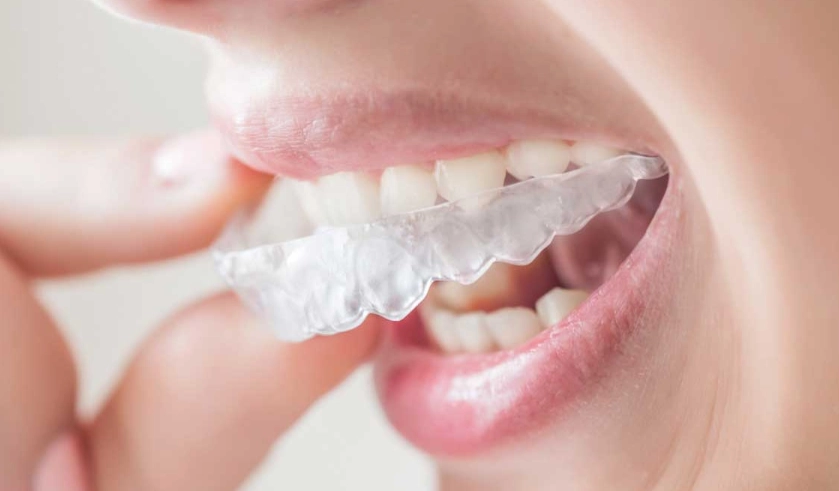
A Realistic Lifespan Comparison: Types of Plastic Retainers
Not all clear retainers are the same. Here’s a quick look at how they stack up in the durability department.
| Retainer Type | Typical Lifespan (With Good Care) | Key Durability Notes | Biggest Weakness |
|---|---|---|---|
| Essix-style (Standard Clear Plastic) | 1 - 3 years | The most common. Good balance of clarity and strength. Lifespan heavily user-dependent. | Edges can fray; prone to cracking if flexed incorrectly. |
| Vivera-style (Premium Multi-Layer) | 2 - 5+ years | Made from a stronger, more stain-resistant polymer. Often sold in sets of 3-4, so you have backups. | Cost. It’s significantly more expensive upfront. |
| Hawley (Acrylic & Wire) | 5 - 10+ years | Not purely plastic, but for comparison. The acrylic palate is extremely durable. The wire is the point of failure. | The wire can bend, and the acrylic can break if dropped on a hard surface. |
See the range? Asking how long do plastic retainers last is like asking how long a pair of shoes lasts. Running shoes worn daily for marathon training? Maybe 6 months. Leather loafers worn to the office? Years.
The Vivera-type retainers, like those from Invisalign, are often highlighted for their durability. They’re made from a patented, multi-layer material designed to resist staining and wear longer. The American Association of Orthodontists (AAO) doesn’t endorse specific brands, but they emphasize the importance of using retainers made from quality, biocompatible materials under professional supervision.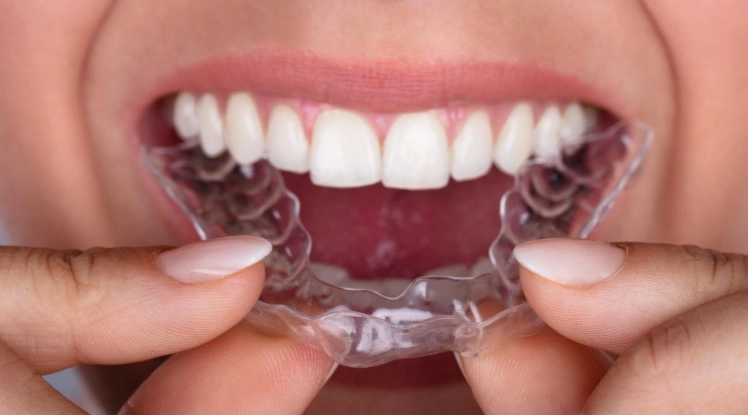
The #1 Way to Extend Your Retainer's Life: A No-BS Care Routine
Okay, so you want to hit that 3, 4, or 5-year mark. Here’s the daily drill that actually works. It takes 2 minutes.
Morning & Night Cleaning:
- Take it out. Rinse it under cool or lukewarm running water. Never hot.
- Use a soft-bristled toothbrush (dedicated to the retainer, not your toothpaste-gritty one) and gently brush it inside and out. What do you brush with? This is key:
- Best: A drop of mild, clear, unscented liquid soap.
- Also Great: A dedicated retainer/ denture cleaner tablet dissolved in cool water.
- Never: Toothpaste. The abrasives scratch the plastic, creating microscopic pits where bacteria and stains build up faster. This is a huge mistake people make.
Rinse thoroughly again.
Storage is Non-Negotiable: When it’s not in your mouth, it must be in its ventilated, hard case, with a tiny bit of water or a retainer-cleaning solution to keep it hydrated. A dry case is a brittle-retainer factory. Leaving it wrapped in a napkin is the fastest path to the trash can (literally, someone will throw it away).
Deep cleaning once a week? Sure, you can use a vinegar-water soak (1 part white vinegar to 3 parts cool water) for 15 minutes to dissolve calcium deposits, then brush and rinse. Or just use a cleaning tablet. But the daily gentle brush is what truly preserves the surface.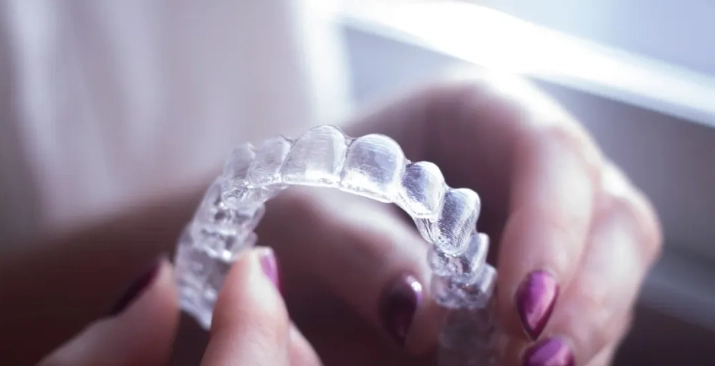
Red Flags: When to Stop Asking "How Long Do They Last?" and Start Calling Your Orthodontist
Don’t wait for it to snap in half. Watch for these subtle signs that your plastic retainer’s lifespan is over:
- Visible Cracks or Fraying: Any hairline crack, especially along the molar areas or the edges, is a death sentence. It will get worse.
- A Feeling of Tightness or Pressure: When you put it in, it shouldn’t hurt. If it starts feeling unusually tight, like it’s actively pushing on a tooth, it may have warped and is now working against you.
- Cloudiness That Won’t Clean Off: Some staining is normal. But a permanent, gritty cloudiness deep in the plastic means it’s breaking down at a chemical level.
- It Doesn’t "Snap" Into Place Easily: It should seat with a gentle, even pressure. If you have to suck it down or press hard on one spot, the fit is off.
- Your Teeth Feel Loose or Shifted When You Take It Out: This is a major warning. If you take it out in the morning and your teeth feel mobile or look different, the retainer is no longer holding them properly.
I ignored a small crack once, thinking it was fine. A week later, I woke up and a front tooth had visibly shifted. It took months and a new retainer to correct it. Not worth the risk.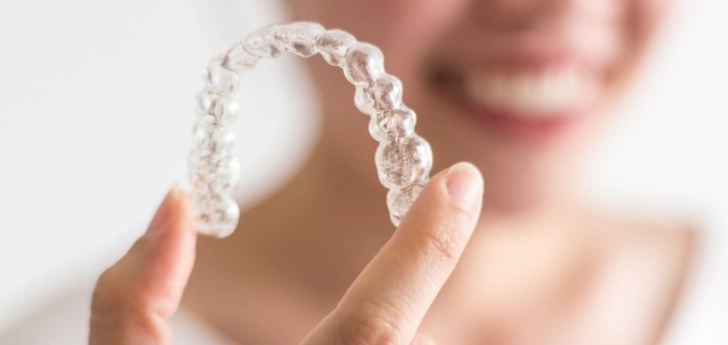
Your Top Questions on Plastic Retainer Lifespan, Answered
Can I make my retainer last forever?
No. Even with museum-level care, the material will eventually fatigue, degrade, and your mouth will change. Think of it as a long-term consumable, not a permanent device.
How often should I get a check-up for my retainer?
Most orthodontists recommend bringing it to your regular dental cleaning (every 6 months). They can check the fit and integrity. This is smart—it’s a proactive way to monitor how long your plastic retainer will last before it fails.
Is a 5-year-old retainer still effective?
It’s highly unlikely. The plastic’s structural integrity is probably compromised, and it’s almost certainly not fitting as precisely as it did on day one. Effectiveness plummets even if it looks okay.
What’s the cost of replacement vs. the cost of not replacing?
A new plastic retainer might cost $200-$600. Correcting a relapse (teeth shifting back) could mean a short round of braces or Invisalign, costing thousands. The math is painfully clear.
Do over-the-counter retainer cleaners shorten lifespan?
Not if used as directed (cool water!). But avoid any with heavy bleaching agents (like some denture cleaners) as they can dry out and weaken the plastic over time. Stick to mild, effervescent tablets made for clear aligners/retainers.
The Bottom Line on Plastic Retainer Longevity
So, after all this, how long do plastic retainers last? The honest answer is: it’s a moving target. You’re aiming for a solid 2-3 years of reliable service, and hoping for more with impeccable care.
The lifespan isn’t just a number on a box. It’s a direct reflection of how you treat this crucial little piece of your health. It’s about consistent, gentle cleaning, religious use of the case, and keeping it away from heat and force.
Listen to your retainer. Look at it closely every time you clean it. Feel how it fits. That routine awareness is more valuable than any generic timeline. When in doubt, get it checked. The goal isn’t to see how many years you can squeeze out of a degrading piece of plastic. The goal is to protect your smile for the long haul. And that means knowing when the chapter on your current retainer is over, so you can start a new one with a fresh, perfectly fitting one.
Your future self, with straight teeth, will thank you for not pushing it.