So you're thinking about straightening your teeth. Maybe you've already booked a consultation, or perhaps you're just scrolling, wondering what you'd be signing up for. The orthodontic treatment process seems like a mystery box—you know it involves appointments and some kind of hardware, but the details are fuzzy. Is it just about aesthetics? How long does it really take? What's the day-to-day life like? Let's pull back the curtain. This guide walks you through every single stage, not with textbook jargon, but with the practical, sometimes gritty details you actually want to know. I've seen patients navigate this for over a decade, and I'll point out the subtle pitfalls most blogs never mention.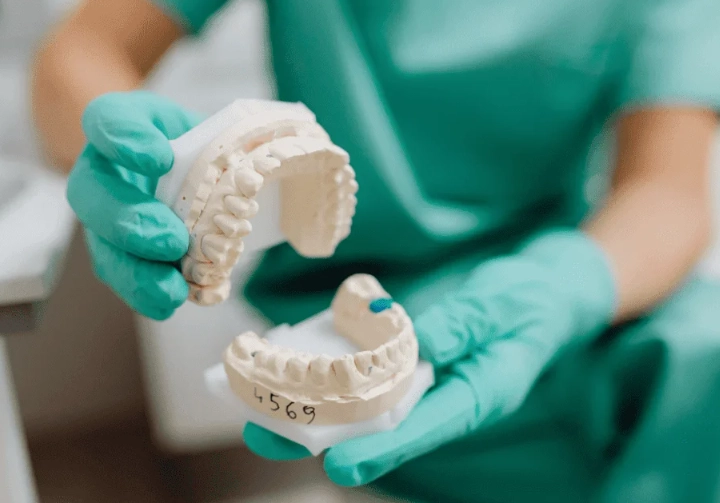
Your Roadmap to a Straighter Smile
Phase 1: The Initial Consultation & Decision
This first meeting isn't just a chat. It's a data-gathering mission for both you and the orthodontist. Come prepared with questions—write them down so you don't forget in the moment. Here's what a thorough consultation should cover: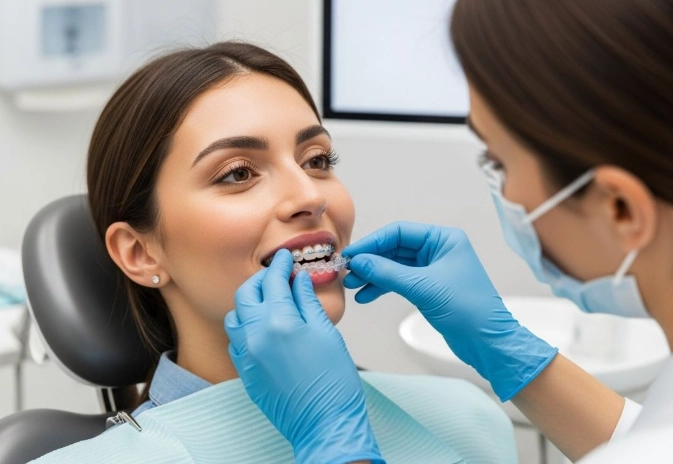
What Happens During the Consultation?
The orthodontist will examine your mouth, jaws, and facial profile. They're looking beyond crooked teeth. They assess your bite (how your top and bottom teeth meet), jaw joint health, and gum tissue. Expect them to take diagnostic records, which almost always include:
- Photographs of your face and teeth from multiple angles.
- Digital or plaster models of your teeth, often created with a quick intraoral scan these days (no more goopy impressions!).
- X-rays. A panoramic X-ray shows all teeth, roots, and jaws. A cephalometric X-ray analyzes the relationship of your jaws to your skull, which is crucial for planning.
Based on this, they'll discuss if treatment is needed, what the core issues are (crowding, overbite, underbite, etc.), and outline potential treatment approaches.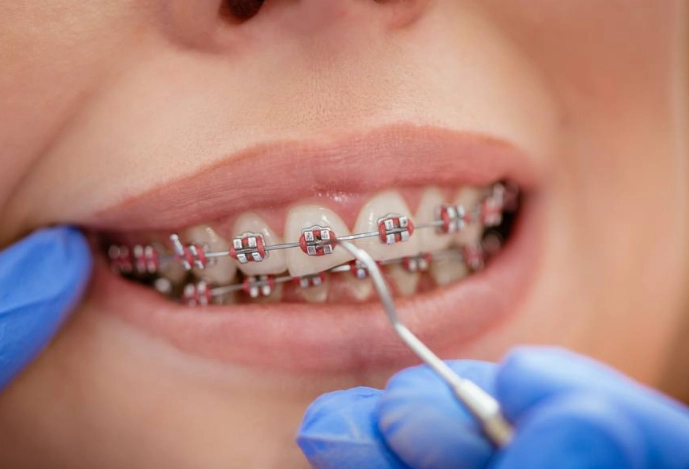
Understanding Your Treatment Options & Quote
This is where you get the specifics. The orthodontist should explain the different types of appliances suitable for you: traditional metal braces, ceramic (tooth-colored) braces, lingual braces (behind the teeth), or clear aligners like Invisalign. Don't just ask "which is best?" Ask "which is best for my specific case and lifestyle?" Some complex bites simply don't respond well to aligners alone, a fact some providers might downplay.
Take the treatment plan home. Sleep on it. Get a second opinion if anything feels unclear or rushed. This decision sets the course for the next 1-3 years of your life.
Phase 2: The Preparation Phase
You've said yes. Now, before the braces go on or the aligner scan happens, there's often prep work. This step is critical for long-term health and is a sign of a meticulous practice.
Dental Cleanings & Hygiene: Your orthodontist will insist your teeth and gums are healthy. Braces trap plaque. Starting with a professional cleaning and addressing any cavities or gum inflammation is non-negotiable. I've seen patients ignore this, only to face decalcification (permanent white scars) on their teeth after braces come off.
Interproximal Reduction (IPR): Sometimes, to create minimal space for crowding, the orthodontist may gently polish between certain teeth. It sounds scarier than it is—it's often just the thickness of a hair or two. They should explain exactly why and where it's needed.
Extractions: In cases of severe crowding, removing one or more teeth may be necessary to create space for proper alignment. This is a big decision, and a good orthodontist will show you models or simulations to explain why it's the best path.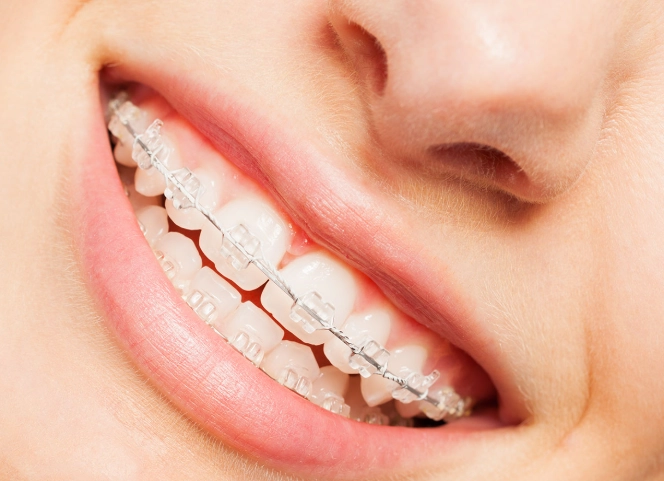
Phase 3: The Active Treatment Journey
This is the main event. The process differs slightly between braces and aligners, but the biological principle is the same: applying gentle, constant pressure to guide bone remodeling and tooth movement.
If You're Getting Braces
The bonding appointment takes 60-90 minutes. Your teeth are cleaned, conditioned, and each bracket is precisely positioned and glued on. The archwire is threaded through and held with elastic bands or clips. You don't feel much at first... but give it 4-6 hours.
If You're Using Clear Aligners
After your scan, you'll wait a few weeks for your custom aligner sets to arrive. You'll wear each set for 1-2 weeks, about 22 hours a day, switching to the next set in the series. You'll have checkups every 8-12 weeks to monitor progress.
The Adjustment Appointment Rhythm
With braces, you'll settle into a routine of adjustments every 4-8 weeks. At these visits, the orthodontist changes archwires (progressing to thicker, more active ones), changes elastic patterns to correct your bite, and checks progress. Each adjustment might bring 2-3 days of renewed soreness as new forces are applied.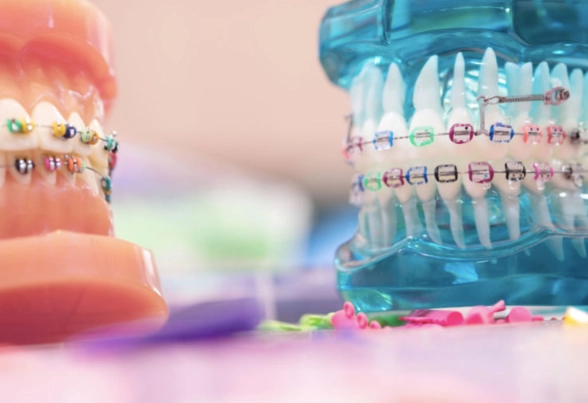
| Treatment Stage | Typical Duration | What's Happening |
|---|---|---|
| Initial Alignment | 6-8 months | Crooked teeth are straightened into a neat arch. The "ugly duckling" stage where gaps may appear. |
| Bite Correction | 6-12 months | Elastics are often used to fit the top and bottom arches together properly. |
| Finishing & Detailing | 3-6 months | Fine-tuning each tooth's position for optimal function and aesthetics. |
The total active treatment time? It's a wide range. Simple cases can be 12 months. Comprehensive adult cases often land between 18 to 30 months. Don't compare your timeline to a teenager's—adult bone is less malleable, so movement is often slower and more deliberate.
What Life is Really Like During Treatment
Let's get practical. Orthodontics isn't a passive procedure; it becomes part of your daily routine.
Dietary Changes: With braces, you'll get a "do not eat" list. It's not just popcorn and gum. It's really anything hard, crunchy, or chewy: nuts, hard candy, crusty bread, whole apples, beef jerky. Biting into a sandwich with front brackets is an art form. Cut things into pieces. With aligners, you simply take them out to eat and drink anything besides water.
Oral Hygiene is Everything: This is the biggest daily shift. Brushing after every meal becomes mandatory. You'll need special tools: a soft-bristled brush, an interdental brush to clean under wires, and a water flosser is a game-changer. Poor hygiene leads to swollen gums, bad breath, and those permanent white scars I mentioned.
Managing Discomfort: Soreness after adjustments is normal. Over-the-counter pain relievers, soft foods (yogurt, mashed potatoes, smoothies), and orthodontic wax to cover any irritating brackets are your best friends. The inside of your lips and cheeks will toughen up in a few weeks.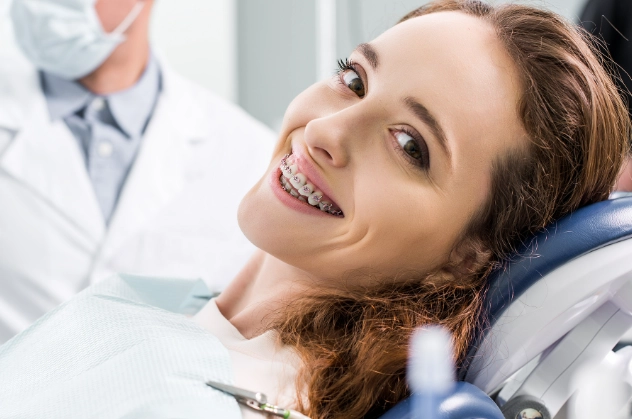
Phase 4: The Forever Phase - Retention
Debond day! The braces come off. It feels weird and amazing. Your teeth are polished, and final impressions/scans are taken for your retainers.
Here's the critical, non-negotiable truth most patients underestimate: Retention is for life. Teeth have memory and want to shift back. The first year post-treatment is the most critical—you'll likely wear your retainers full-time (just like braces), then transition to nightly wear indefinitely.
There are two main types:
- Fixed Retainer: A thin wire bonded behind your front 6 teeth. It's great for preventing relapse of crowding but requires careful flossing.
- Removable Retainer: A clear plastic tray (like a thin aligner) or a Hawley retainer (acrylic and wire). You have to remember to wear it.
I tell my patients: The active treatment fixes the problem. The retention phase maintains the solution. Budget for replacing retainers every few years as they wear out.