Quick Navigation
- What Exactly Are Tonsil Stones (And Why Do I Get Them)?
- Spotting the Signs: Do You Really Have Tonsil Stones?
- The Complete Guide on How to Remove Tonsil Stones
- Comparing Your Removal Options: A Quick-Reference Table
- The Real Secret: How to Prevent Tonsil Stones From Coming Back
- Answers to Your Burning Questions (FAQ)
- Wrapping It Up: Your Action Plan
Let's be honest, finding a weird, smelly, chalky lump in the back of your throat is… unsettling. It feels like your body is betraying you with some kind of internal gravel factory. If you're reading this, you've probably poked around with a finger, made funny faces in the mirror, and thought, "What on earth is this, and how do I get it out?"
You've found tonsil stones, or as your doctor might call them, tonsilloliths. They're not dangerous in the grand scheme of things, but boy, can they be annoying. The bad breath (halitosis), that constant feeling of something stuck, the vague soreness—it's enough to drive anyone to the internet searching for a solution.
I've been there. I spent way too much time trying to figure out how to remove tonsil stones without gagging or causing more problems. Through trial, error, and a lot of research, I've sorted the useful methods from the downright scary ones. This guide isn't just a rehash of medical jargon. It's a practical, step-by-step walkthrough of what works, what doesn't, and how to stop them from coming back. We'll cover everything from gentle first steps to the more direct approaches, always with a huge emphasis on safety.
What Exactly Are Tonsil Stones (And Why Do I Get Them)?
To know how to fight them, it helps to know what they are. Your tonsils aren't smooth balls. They're full of nooks and crannies called "crypts." Think of them like tiny caves. These crypts are great for trapping bacteria and viruses (part of their immune system job), but they can also trap other debris: dead cells, mucus, and food particles.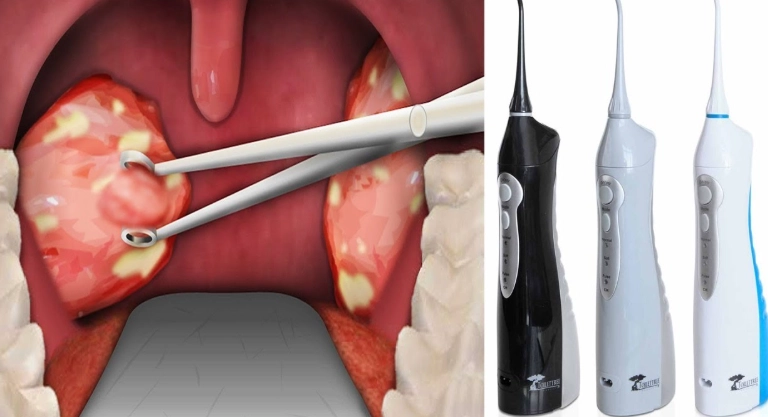
When this gunk gets trapped, bacteria start to feast on it. As the bacteria break it down, they release sulfur compounds (that's the rotten egg smell) and the whole mixture calcifies, hardening into those white or yellowish stones. It's a gross but natural process.
Some people are just more prone to them. If you have deep or large tonsil crypts, you're basically born with a better stone-making factory. Chronic sinus issues with post-nasal drip, dry mouth, or poor oral hygiene can also keep the debris pipeline full.
It's a myth that only people with poor hygiene get them. You could brush and floss perfectly and still get them because of your tonsil anatomy.
Spotting the Signs: Do You Really Have Tonsil Stones?
Sometimes you can see them—little white specks peeking out from the tonsil tissue. Other times, they're hidden. The symptoms are often what give them away:
- Bad breath that won't quit: This is the big one. The sulfur-producing bacteria are a primary cause of persistent halitosis that mouthwash just masks for 10 minutes.
- A feeling of something lodged in your throat: A constant, annoying tickle or fullness in the back of your mouth.
- Difficulty swallowing: Usually mild, but if a stone is large, it can feel obstructive.
- Metallic taste.
- Occasional mild sore throat or ear pain: Referred pain from the tonsil area.
- Coughing fits, sometimes triggered by dislodging a stone.
If you're experiencing severe pain, extreme difficulty swallowing, fever, or visibly swollen tonsils (especially on one side), these are NOT signs of simple tonsil stones. Stop reading and see a doctor to rule out tonsillitis or other infections.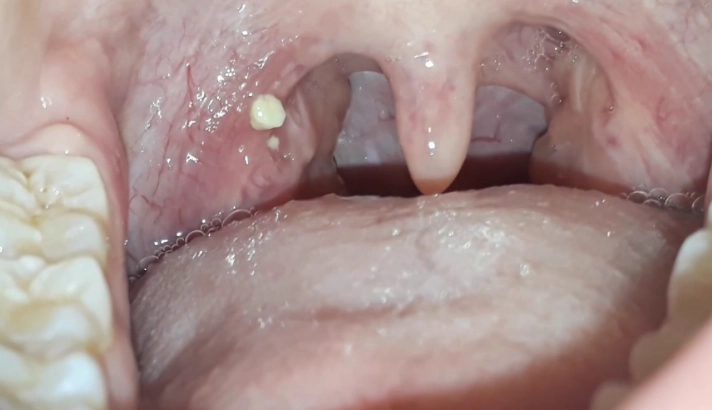
The Complete Guide on How to Remove Tonsil Stones
Alright, let's get to the main event. I've organized these methods from the least invasive (and safest) to the more hands-on. Always start at the top of the list.
Level 1: The Gentle, Non-Invasive Approaches
These are your first line of defense. They're great for small, surface-level stones and for overall prevention. The goal here is to encourage the stones to dislodge on their own.
Warm Salt Water Gargle: This is the old reliable. It's not just folk medicine; salt water can help reduce inflammation, loosen debris, and create a less hospitable environment for bacteria. Dissolve half a teaspoon of non-iodized salt in a cup of warm water. Gargle vigorously for 15-30 seconds, focusing on getting the liquid to the back of your throat. Do this 2-3 times a day, especially after eating.
Non-Alcoholic Mouthwash Gargle: I specify non-alcoholic because alcohol dries out your mouth, which can make things worse in the long run. Look for a mouthwash with antibacterial ingredients like cetylpyridinium chloride. Gargle as directed. Some people find oxygenating mouthwashes helpful, as the bacteria that cause stones are often anaerobic (they hate oxygen).
The Cough Method: Sometimes, a few strong, deliberate coughs can pop a shallow stone right out. It's worth a try before you bring in any tools.
Level 2: The "I Can See It, I Need It Out" Manual Methods
When gargling isn't enough and you can see the culprit, you might move to gentle manual removal. Extreme caution is the rule here.
Tools of the Trade (The Safe Ones):
- Cotton Swab (Q-tip): The most common and generally safest tool. Use a clean one. Gently press on the tissue behind or around the stone, not directly on it. Often, applying gentle pressure to the surrounding crypt will push the stone out. Have a tissue ready to catch it.
- Water Flosser (on LOW pressure): This is a game-changer for many. Do NOT use the high-pressure jet meant for gumlines. Use the lowest setting and aim the tip near the stone, not directly into the crypt. Let the pulsating water do the work of flushing it out. It feels weird but is very effective and less likely to cause trauma than poking.
- Oral Syringe (Curved Tip): Similar concept to the water flosser but with more control. Fill it with warm water or salt water and gently irrigate the area.
Level 3: When Home Methods Aren't Enough
If you have large, deeply embedded, or frequently recurring stones that are significantly impacting your quality of life, it's time to talk to a professional. This is a crucial part of understanding how to remove tonsil stones in severe cases.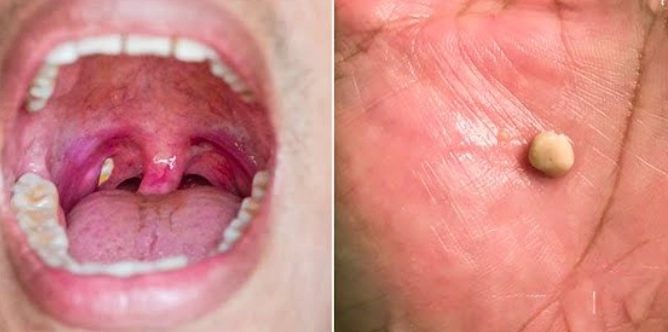
Your Doctor or Dentist: They can remove larger stones in-office using specialized tools. They might use a curette (a small scoop) or precise irrigation.
Laser Treatment (Cryptolysis): This is a procedure where a laser is used to smooth out the deep crypts where stones form. It seals the "caves" so debris can't get trapped. It's less invasive than a full tonsillectomy.
Coblation Cryptolysis: Similar to laser, but uses radiofrequency energy to reshape the tonsil surface.
Tonsillectomy: The nuclear option—surgical removal of the tonsils. This is typically only considered for extreme, debilitating cases where other treatments have failed. The recovery is no joke (a solid week or two of significant pain), so it's a last resort. The American Academy of Otolaryngology-Head and Neck Surgery provides detailed patient information on when a tonsillectomy might be medically advised.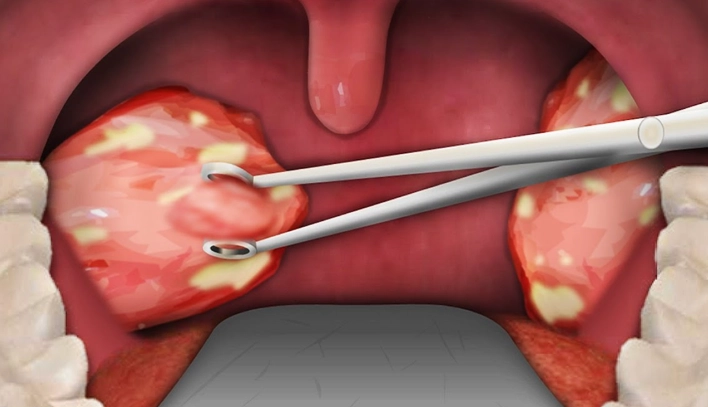
Comparing Your Removal Options: A Quick-Reference Table
| Method | Best For | Tools Needed | Risk Level | My Personal Take |
|---|---|---|---|---|
| Salt Water Gargle | Small stones, daily prevention, soreness | Salt, warm water | Very Low | The absolute first thing you should try and make a habit. Zero downside. |
| Water Flosser (Low Pressure) | Stones visible in crypts, frequent sufferers | Water flosser with a tip | Low (when used correctly) | Highly effective if you can get over the initial weirdness. A great investment. |
| Cotton Swab | Single, visible, protruding stones | Clean cotton swab, good light, mirror | Medium | Works well but easy to trigger gagging. Be patient and gentle. |
| In-Office Removal | Large, deep, or painful stones | Professional help | Low (when done by a pro) | If you're nervous or unsuccessful at home, this is the smart move. |
| Laser/Coblation | Chronic, recurring problems | Medical procedure | Medium (medical procedure risks) | A modern solution that targets the root cause (the crypts) without full removal. |
The Real Secret: How to Prevent Tonsil Stones From Coming Back
Learning how to remove tonsil stones is only half the battle. The real win is stopping new ones from forming. Prevention is less dramatic but far more effective in the long run.
- Upgrade Your Oral Hygiene: This goes beyond just brushing. Floss daily to reduce overall oral bacteria. Brush your tongue gently but thoroughly—it's a major bacteria harbor. Consider a tongue scraper.
- Stay Hydrated: Drinking plenty of water throughout the day keeps your mouth moist, helps flush away debris, and makes it harder for material to stick and harden in your crypts.
- Make Gargling a Ritual: Incorporate a salt water or non-alcoholic mouthwash gargle into your nightly routine, especially if you're prone to post-nasal drip.
- Diet Watch: Some people find that reducing dairy (which can increase mucus production) or sugary foods (which feed bacteria) helps. It's not a guaranteed fix for everyone, but it's worth paying attention to.
- Address Allergies and Sinus Issues: If you have chronic post-nasal drip, you're constantly dripping debris onto your tonsils. Managing allergies with the help of a doctor can cut off the supply. Resources from the American Academy of Allergy, Asthma & Immunology can be a good starting point for understanding these links.
Answers to Your Burning Questions (FAQ)
Let's tackle some of the specific, sometimes awkward, questions people have. These are the things you might be too embarrassed to ask out loud.
Are tonsil stones a sign of an STD?
Almost never. While some STDs can cause throat symptoms, the classic white, smelly tonsil stone is almost always just a buildup of normal oral debris and bacteria. If you have other symptoms like sores, rash, or fever, see a doctor. But the stone itself isn't an STD indicator.
Why do they smell so horrible?
It's the bacteria, specifically the volatile sulfur compounds they produce as they break down the trapped organic matter. It's the same family of compounds that make rotten eggs and some bad breath smell. It's potent stuff.
Can I swallow a tonsil stone? Is it harmful?
You probably have without even knowing it. If a small one dislodges while you're sleeping or eating, you'll just swallow it. It's not toxic. Your stomach acid will destroy the bacteria. The main issue is the smell and feeling while it's in your throat, not any danger from swallowing it.
If I remove them, will the holes close up?
The crypt (the hole) is a natural part of your tonsil's anatomy. Removing the stone doesn't make the crypt disappear. In fact, aggressive removal can sometimes stretch it. The goal of good tonsil stones removal is to empty it gently without damaging the tissue. Procedures like laser therapy aim to actually reduce the size of these crypts.
Will they go away on their own?
Small ones sometimes can be dislodged by normal eating, drinking, and swallowing. But many, especially those that cause symptoms, tend to stick around (literally) until they are physically removed or flushed out. They can even grow larger over time as more material accumulates.
Wrapping It Up: Your Action Plan
Here's the takeaway, plain and simple:
Start gentle. Make salt water gargling your new best habit. If you see a stone and want to try removal, use a clean cotton swab or—better yet—a water flosser on the lowest setting. Be patient and never force it.
Focus on prevention through better oral hygiene and hydration. It's less exciting than removal, but it's the key to long-term peace.
Know when to call in the pros. No shame in it. If it's painful, recurrent, or just stressing you out, a quick visit to your dentist or doctor can solve the problem safely.
Figuring out how to remove tonsil stones is really about finding a safe, manageable system that works for your body. They're a nuisance, but they're a manageable one. You don't have to live with the discomfort or the worry about bad breath.
It took me a while to find a rhythm that worked—gargle at night, use the water flosser carefully once a week if I feel something, and drink more water than I think I need. It's not perfect, and I still get the occasional small one, but it's a world of difference from when I first started.
Your tonsils are part of you. With a little knowledge and a lot of gentleness, you can keep them—and their uninvited rocky lodgers—under control.