You wake up. Your jaw feels tight, maybe even a little sore. There's a dull headache brewing behind your eyes. You shrug it off, blaming a bad pillow or a stressful week. But here's a thought you might be missing: you could be grinding your teeth all night long. Sleep bruxism – that's the medical term for it – is an incredibly common sleep-related movement disorder. The tricky part? You're asleep when it happens. You can't feel it. So how do you know if you're doing it? The signs are there, but you have to know what to look for. This isn't just about noisy nights; it's about silent damage to your teeth, your jaw joints, and your overall sleep quality.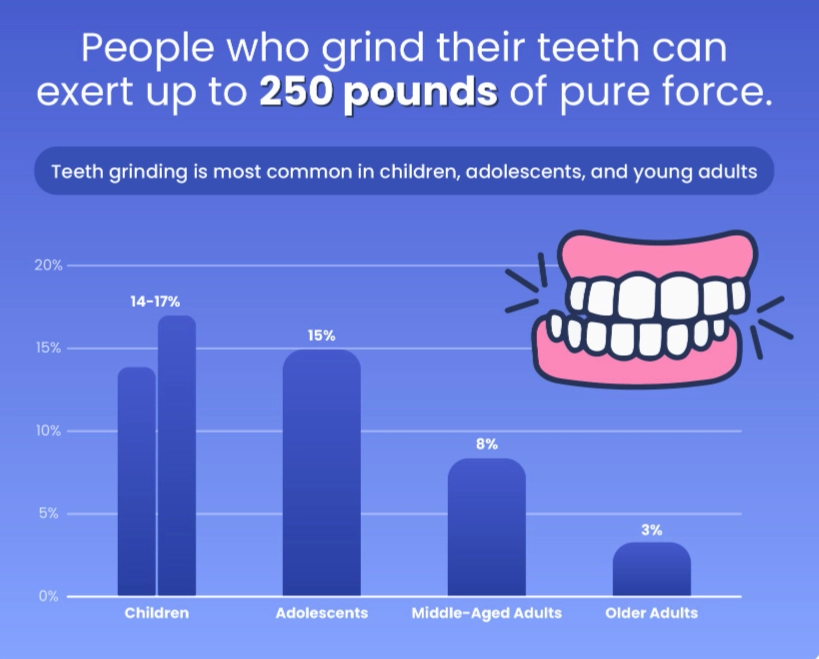
What You'll Find in This Guide
What Exactly Is Sleep Bruxism?
Let's clear something up first. Bruxism isn't just chewing in your sleep. It's the repetitive clenching, gnashing, or grinding of teeth. The sleep version is classified alongside things like sleepwalking – a parasomnia. Your brain's motor activity kicks in during specific sleep stages, usually lighter non-REM sleep. The American Academy of Sleep Medicine notes it's surprisingly prevalent, affecting up to 15% of adults. Most people have no idea until the physical consequences become impossible to ignore.
The Top Signs You're Grinding Your Teeth at Night
The clues come from three places: what you feel, what others hear, and what your dentist sees.
Signs You Might Feel Yourself
These are the morning-after gifts from a night of grinding.
- Jaw Muscle Soreness or Fatigue: This isn't normal morning stiffness. It feels like you've been chewing gum for hours. The masseter muscles (the big ones on the sides of your jaw) are tender to the touch.
- Morning Headaches: Specifically, tension-type headaches that start at the temples or wrap around the sides of your head. They often fade as the day goes on.
- Locked or Clicking Jaw: Your jaw might not open as smoothly or widely. You might hear clicks or pops when you chew (a sign the temporomandibular joint, or TMJ, is under stress).
- Tooth Sensitivity: Unexplained sensitivity to hot, cold, or sweet things. As you wear down the enamel, the softer, more sensitive dentin underneath gets exposed.
- Earache or Tinnitus: This one fools people. The jaw joint is right next to your ear. Strain in the muscles and joint can feel like an earache or contribute to ringing in the ears.
Signs Your Partner Hears (The Bedroom Detective)
This is often the first red flag. If your sleep partner complains about a grinding, scraping, or tapping sound coming from your side of the bed at night, take it seriously. They're your most reliable witness. The sound can be loud enough to wake them up. It's not snoring; it's a distinct, grating noise.
Signs Your Dentist Sees (The Forensic Evidence)
This is where the hidden damage shows up. At your check-up, your dentist isn't just looking for cavities.
- Flattened, Worn, or Chipped Teeth: The biting surfaces of your molars and canines look flat, not rounded. You might see small chips or cracks, especially on the edges of front teeth.
- Increased Tooth Mobility: The constant, excessive force can loosen teeth slightly over time.
- Hyper-Toned Jaw Muscles: When your dentist feels your jaw muscles, they might comment on how developed or tight they are.
- Damage to Your Tongue or Cheeks: You might have scalloped edges on your tongue or cheek lining from pressing against your teeth all night.
- Failing Dental Work: Crowns, fillings, and veneers that keep cracking or popping off for no apparent reason? Bruxism is a prime suspect.

A Common Oversight: People often focus solely on their teeth. But the real story is in the muscles and joints. That morning headache and jaw ache are more immediate and telling signs of active bruxism than slowly wearing enamel. Listen to your body, not just your mirror.
Why Ignoring These Signs is a Costly Mistake
Think of bruxism as a slow-motion car crash for your mouth. The damage accumulates.
| What Gets Damaged | Potential Long-Term Consequence | Estimated Cost to Fix* |
|---|---|---|
| Tooth Enamel | Severe wear, leading to sensitivity, changed bite, need for crowns or veneers. | $1,000 - $2,500 per crown |
| TMJ (Jaw Joint) | Chronic pain, arthritis in the joint, limited mouth opening (TMJ Disorder). | Varies; therapy can be $500-$5,000+ |
| Muscles | Myofascial pain, chronic headaches, facial pain. | Physical therapy sessions: $75-$150 each |
| Sleep Quality | Fragmented sleep, leading to daytime fatigue. You may not fully wake up, but the grinding episodes disrupt your sleep architecture. | Priceless (impacts overall health) |
*Costs are U.S. estimates and vary widely by location and provider.
I once had a patient, a lawyer in his 40s, who came in because his front teeth looked "shorter." He had no pain. Examination showed he had ground away nearly 4mm of tooth structure. The cost to rebuild his smile with ceramic restorations was over $15,000. A night guard years earlier would have cost a fraction of that.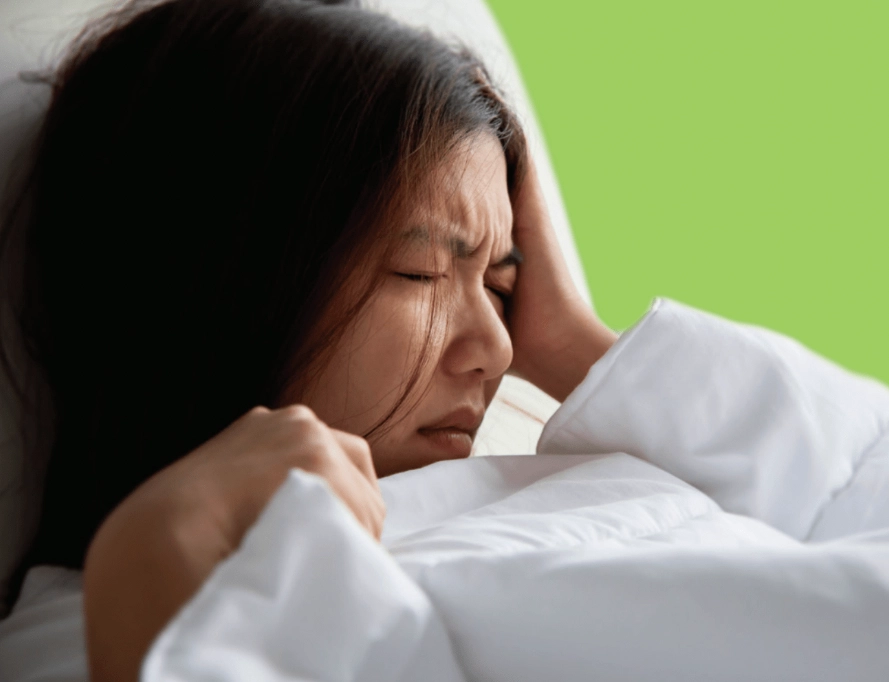
What's Triggering the Grind? Common Causes
It's rarely one thing. It's usually a perfect storm.
- Stress and Anxiety: The number one trigger. Your body's physical response to stress doesn't switch off when you sleep.
- Sleep Disorders: There's a strong link with obstructive sleep apnea. The brain may trigger jaw movements to try and open the airway. If you snore loudly or gasp for air at night, get checked.
- Medications: Certain SSRIs (a common class of antidepressants like sertraline or fluoxetine) are known to increase bruxism as a side effect.
- Lifestyle Factors: Heavy alcohol consumption, recreational drug use (especially stimulants), and high caffeine intake can all make it worse.
- Genetics and Personality: If a parent did it, you're more likely to. Type-A personalities or those with high levels of aggression/competitiveness also show higher rates.
How to Get a Proper Diagnosis
Don't just buy a night guard online and hope for the best. Start here:
- Talk to Your Dentist: This is step one. Describe your symptoms (jaw pain, headaches) and any partner reports. They will do a clinical exam of your teeth, muscles, and TMJ.
- Consider a Sleep Study (Polysomnography): This is the gold standard, but not always necessary. Your dentist or doctor might recommend one if they suspect a link to sleep apnea or if your case is severe. It measures muscle activity in your jaw during sleep.
- Rule Out Other Issues: Your dentist will want to ensure the wear isn't from acid erosion (e.g., from GERD or diet) or an abnormal bite.
Your Action Plan: Treatment and Management Strategies
Treatment focuses on three things: protecting your teeth, reducing the grinding force, and managing triggers.
1. The Gold Standard: Occlusal Guards (Night Guards)
This is not optional if you have signs of damage. A custom-made guard from your dentist is crucial. The cheap boil-and-bite ones from the pharmacy? They can actually make clenching worse by giving your jaw something bulky to bite against. A custom guard is thin, fits perfectly, and is designed to protect your teeth and joints by distributing force evenly. Expect to pay $300-$1000, but it's insurance for your smile.
2. Behavioral and Lifestyle Therapies
- Stress Management: This is treatment, not just good advice. Yoga, meditation, regular exercise, or even therapy (like CBT) can lower grinding frequency.
- Sleep Hygiene: A consistent sleep schedule, a cool dark room, and no screens before bed improve overall sleep quality and can reduce parasomnias.
- Jaw Muscle Relaxation: Simple exercises. Try gently stretching your jaw open and massaging the muscles. Avoid chewing gum, as it trains your muscles to clench.
3. Medical and Dental Interventions
- Treat Underlying Sleep Apnea: If you have it, using a CPAP machine can dramatically reduce or even eliminate bruxism.
- Medication Review: Talk to your doctor if you suspect your medication is a cause. Never stop medication without consulting them.
- Botox Injections: This is an off-label but increasingly common treatment for severe cases. Small amounts of Botox injected into the masseter muscles weaken them just enough to reduce grinding force, but not enough to affect chewing. Effects last 3-4 months. It's more expensive ($500-$1000 per treatment) and not typically covered by insurance.
- Corrective Dental Work: In cases of severe wear, teeth may need to be rebuilt with crowns or overlays to restore proper bite and function.
The goal isn't always to stop the grinding completely—that's sometimes not possible. The goal is to manage it, protect your structures, and improve your sleep and comfort.
Questions I Get All the Time
The Bottom Line
If you're waking up with a sore jaw, unexplained headaches, or your partner is complaining about noise, don't write it off. Those are the classic signs of sleep bruxism. The condition is manageable, but the damage it causes is real and expensive to fix. Start by booking a consultation with your dentist. Be your own advocate. Mention the symptoms, ask for an evaluation of your teeth and jaw muscles. Getting a proper diagnosis and a custom night guard is the single most effective step you can take. From there, look at your sleep habits and stress levels. Your future self—and your teeth—will thank you for it.