Your dentist just said you need a "deep cleaning." Your mind races. Is it just a more expensive version of my regular cleaning? Does it mean I've neglected my teeth? And what actually happens during one? Let's clear the air. A dental deep cleaning, officially called scaling and root planing (SRP), isn't a routine polish-up. It's a specific, non-surgical procedure used to treat active gum disease (gingivitis or periodontitis). Think of it as a reset button for your gums.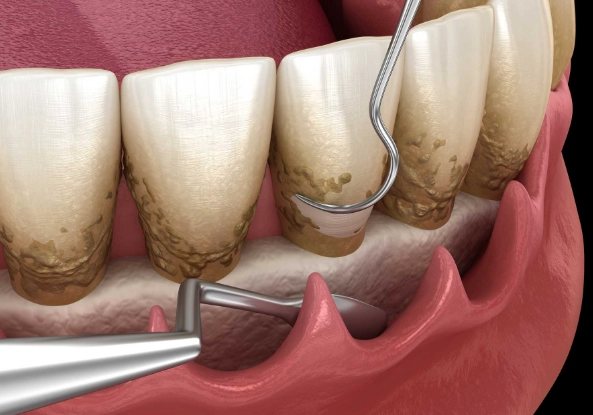
I've seen patients' reactions range from relief to anxiety when they hear the term. The confusion is real because the dental world isn't always great at explaining the "why" behind the "what." This guide will walk you through everything, step by step, so you can walk into your next appointment knowing exactly what's going on.
What You'll Learn in This Guide
- What is a Dental Deep Cleaning (Scaling & Root Planing)?
- Why Would I Need a Deep Cleaning? The Red Flags You Can't Ignore
- What Exactly Happens During a Deep Cleaning? A Step-by-Step Walkthrough
- How to Care for Your Teeth After a Deep Cleaning
- The Cost and Insurance Maze of Deep Cleaning
- Is Deep Cleaning Worth It? Weighing the Pros and Cons
What is a Dental Deep Cleaning (Scaling & Root Planing)?
Let's break down the jargon. A regular dental cleaning (prophylaxis) cleans the visible crowns of your teeth, above the gumline. It's preventive maintenance.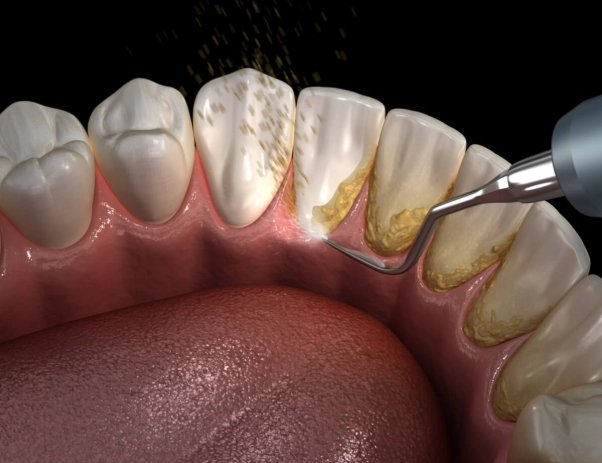
A deep cleaning is therapeutic. It targets the area below the gumline where the tooth root sits in its socket. When plaque hardens into tartar (calculus) on the root surface, it becomes a bacterial fortress that your brush and floss can't touch. This triggers inflammation, causing gums to pull away and form "pockets."
- Scaling: This is the removal of all the plaque, tartar, and bacterial toxins from the tooth surfaces, both above and below the gumline. Special instruments are used to carefully scrape it away.
- Root Planing: This is the crucial second step. After scaling, the root surfaces are smoothed out. This isn't just for comfort. A smooth root makes it much harder for new plaque and bacteria to re-attach, giving your gums a clean slate to heal and reattach to the tooth.
It's a meticulous process. My hygienist friend Sarah describes it as "detailed gardening for your roots—removing the stubborn weeds so the healthy soil (your gums) can recover."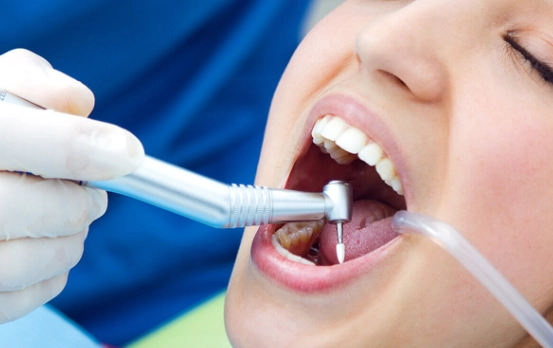
Why Would I Need a Deep Cleaning? The Red Flags You Can't Ignore
You don't get prescribed a deep cleaning for no reason. It's a response to measurable signs of active gum disease. During your exam, your dentist or hygienist uses a tiny ruler called a periodontal probe to measure the pockets around each tooth.
Healthy gums have pockets of 1-3 millimeters. When they consistently measure 4mm or more, and there's bleeding on probing, it indicates inflammation and infection that a regular cleaning can't address.
Symptoms You Might Notice (or Ignore)
You might not feel pain until it's advanced. Look for these quieter signs:
- Gums that bleed easily when you brush or floss (this is NOT normal).
- Persistent bad breath or a bad taste in your mouth.
- Gums that look red, swollen, or puffy instead of pink and firm.
- Teeth that look longer because gums are receding.
- A feeling that your teeth are slightly loose, or a change in how your bite feels.
One subtle mistake I see? People think bleeding gums mean they should brush softer or avoid flossing that area. It's the opposite. The bleeding is from inflammation caused by bacteria you're not removing effectively. You need to clean the area better (with proper technique) and see a professional to remove what you can't.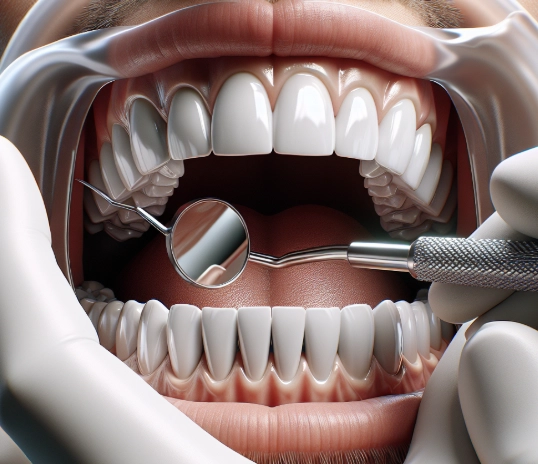
What Exactly Happens During a Deep Cleaning? A Step-by-Step Walkthrough
Knowing what to expect takes the fear out of it. It's usually done in two appointments, treating half your mouth (one upper and one lower quadrant) per visit.
Step 1: Numbing Up. This is the biggest difference from a regular cleaning. A local anesthetic is used to numb the area being treated. You'll feel a pinch from the needle, then pressure, but no sharp pain. Some offices offer topical gels first to minimize the pinch. If you're anxious, talk to your dentist about sedation options.
Step 2: The Scaling. Using a combination of ultrasonic scalers (which vibrate and spray water) and hand instruments, the hygienist or dentist will meticulously clean every surface of your teeth, going deep into the pockets. You'll hear buzzing and feel vibration and pressure. It's a strange sensation, but not painful when you're numb.
Step 3: The Root Planing. This is the fine-detail work with specialized curettes to smooth the root surfaces. The goal is glassy-smooth.
Step 4: Assessment & Instructions. They'll check their work, may apply an antimicrobial gel into the deep pockets, and give you very specific aftercare instructions. The whole process for one quadrant takes about 60-90 minutes.
A common misconception is that it's a brutal, scraping ordeal. In skilled hands, it's controlled and precise. The discomfort afterward is often less than people fear.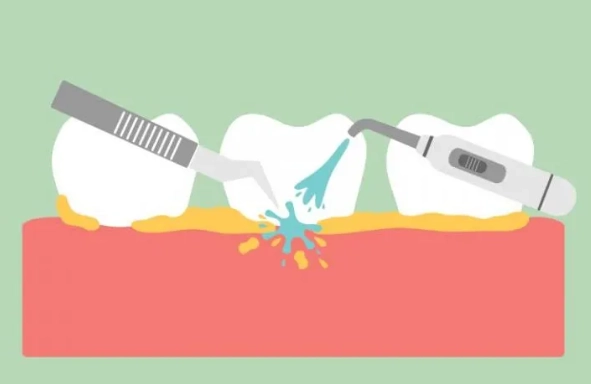
How to Care for Your Teeth After a Deep Cleaning
This is where the real work begins. The procedure clears the path, but your daily habits rebuild the health. If you go back to your old ways, the disease will return, guaranteed.
The First 48 Hours: Your gums will be tender. Stick to soft foods (yogurt, mashed potatoes, smoothies). Avoid anything extremely hot, cold, or crunchy. Rinse gently with warm salt water a few times a day to soothe tissues. You can usually brush gently that night, but be careful around the treated areas.
The New Normal for Home Care:
- Brushing: Use a soft-bristled brush, angled 45 degrees toward the gumline. Consider an electric toothbrush with a pressure sensor.
- Flossing: Non-negotiable. Do it daily. If flossing is difficult, try floss picks, a water flosser, or interdental brushes. The key is cleaning between teeth and just under the gum margin.
- Antimicrobial Rinse: Your dentist may prescribe a chlorhexidine mouthwash for a short period to control bacteria.
Your maintenance schedule changes too. You'll likely need "periodontal maintenance" cleanings every 3-4 months instead of every 6. These are more than a regular cleaning—they involve checking pocket depths and cleaning any areas that are prone to re-accumulation.
The Cost and Insurance Maze of Deep Cleaning
Let's talk money, because it's a real concern. A deep cleaning costs significantly more than a regular cleaning due to the time, skill, and anesthesia involved.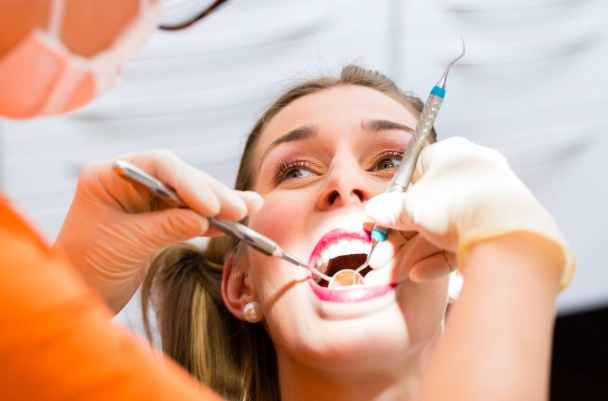
| Item | Typical Cost Range (Per Quadrant) | Notes |
|---|---|---|
| Scaling & Root Planing (One Quadrant) | $150 - $300 | Since most mouths have 4 quadrants, total cost often ranges from $600 to $1,200. |
| Periodontal Maintenance Visit | $100 - $200 | The follow-up cleanings you'll need every 3-4 months. |
| Regular Prophylaxis Cleaning | $75 - $150 | For comparison. |
Insurance: Most dental insurance plans cover a portion of scaling and root planing if it's deemed medically necessary (which those pocket measurements prove). Coverage often falls in the 50-80% range. Crucially, they may require you to switch to periodontal maintenance codes afterward and may not cover a "regular cleaning" for the same tooth for a set period (often 12 months). Always get a pre-treatment estimate.
A contentious point: some believe dentists over-recommend deep cleanings for profit. While this can happen, the objective metric of pocket depths over 4mm with bleeding is a solid clinical indicator. If you're unsure, getting a second opinion is always a valid option.
Is Deep Cleaning Worth It? Weighing the Pros and Cons
Let's be blunt about the trade-offs.
The Pros (The Why You Should):
- Halts Disease Progression: It's the primary way to stop gingivitis from becoming periodontitis, which can destroy the bone supporting your teeth.
- Prevents Tooth Loss: This is the big one. Losing bone leads to loose teeth and eventual loss. Deep cleaning helps preserve your natural teeth.
- Improves Overall Health: There's a well-established link between gum disease and systemic issues like heart disease, diabetes complications, and stroke. Treating gum inflammation is good for your whole body. The American Heart Association has published on this connection.
- Eliminates Bad Breath: The bacteria causing gum disease are often the same ones causing chronic halitosis.
The Cons (The Realities):
- Cost & Time: It's expensive and requires multiple, longer appointments.
- Discomfort: There is some recovery time and sensitivity.
- Lifetime Commitment: It's not a cure. It requires a permanent upgrade in your home care and maintenance schedule.
From my perspective, the cons are mostly short-term inconveniences. The pros are about preserving your long-term health and avoiding far more complex and expensive problems like tooth replacements or gum surgery later on. If you have the signs, it's almost always worth it.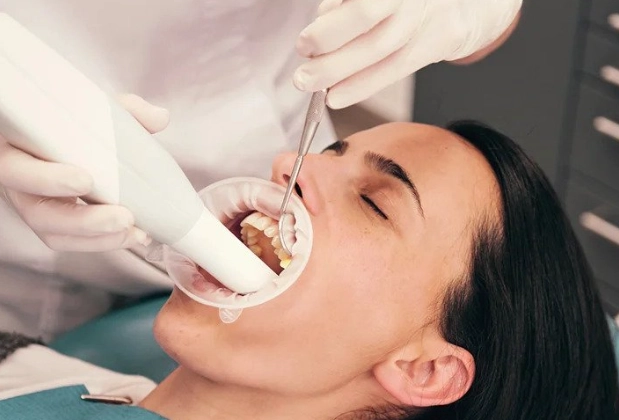
Your Deep Cleaning Questions, Answered
Is deep cleaning painful? What can I expect?
Most patients experience minimal discomfort during the procedure due to local anesthesia. You'll feel pressure and vibrations, but not sharp pain. Afterward, it's common to have some sensitivity to hot and cold, and mild gum soreness for a day or two, similar to the feeling after a vigorous flossing session. Over-the-counter pain relievers and sticking to softer foods can help manage this.
How long does a dental deep cleaning take?
Unlike a standard 45-minute cleaning, a deep cleaning is typically split into two or more appointments. Each session lasts about 60 to 90 minutes and focuses on one quadrant of your mouth. This staged approach is more comfortable for you and allows the hygienist or dentist to be thorough without rushing. Spreading it out also lets your gums start healing in one area before moving to the next.
Can I avoid a deep cleaning if I improve my brushing?
Once tartar has hardened below the gumline, no amount of brushing or flossing at home can remove it. It's like trying to scrub off concrete with a toothbrush. A deep cleaning is the only way to professionally eliminate this calculus. Improving your home care is absolutely crucial *after* the procedure to prevent the problem from returning, but it cannot reverse the existing damage.
How often do I need a deep cleaning?
A true deep cleaning for active gum disease is typically a one-time therapeutic procedure. The goal is to reset your oral health. Afterward, you won't need another 'deep cleaning' if you maintain excellent home care and attend more frequent maintenance cleanings, often called periodontal maintenance, every 3-4 months. If the disease recurs due to poor maintenance, another deep cleaning might be necessary, but it's not a routine cycle.
So, what is a dental deep cleaning? It's a targeted, therapeutic procedure to stop gum disease in its tracks. It's more involved than a regular cleaning, but it's also a powerful tool to save your teeth and protect your overall health. If your dentist recommends it, don't panic. Ask questions, understand your pocket measurements, and see it as an investment. With the right care afterward, it can set you on a path to a much healthier mouth for years to come.