Your Quick Guide
- What Exactly Are Dental Tori? (It's Not as Scary as It Sounds)
- The Million-Dollar Question: Do Dental Tori Require Treatment?
- When Treatment Becomes Necessary: The 5 Main Reasons
- Your Treatment Options: From Watching to Surgery
- What to Expect from Tori Removal Surgery: The Nitty-Gritty
- Answers to Your Burning Questions (FAQ)
- Making Your Decision: A Practical Checklist
- Final Thoughts: Listen to Your Mouth (and Your Dentist)
You're brushing your teeth, running your tongue along the roof of your mouth or the inside of your lower jaw, and you feel it. A hard, bony lump. It's smooth, it doesn't hurt, but it's definitely there. Your mind races – is this cancer? A weird infection? A tooth problem? After a quick (and admittedly anxious) Google search, you stumble upon the term "dental tori." And the biggest question screams in your head: do dental tori require treatment?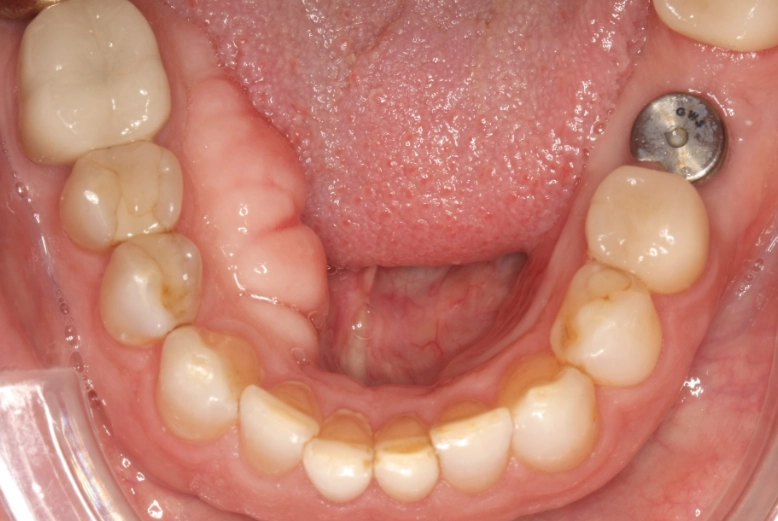
Let me put you at ease right away. In the vast, vast majority of cases, the answer is a resounding no. Finding out you have a torus (singular) or tori (plural) is often more of a dental curiosity than a dental emergency. I remember when my dentist first pointed out my mandibular tori during a routine cleaning. I was alarmed! He just chuckled and said, "Oh, that's just your jaw being extra. Nothing to worry about." It was a relief, but it also sparked my curiosity. What are these things, really?
This guide is here to walk you through everything. We'll ditch the medical jargon and talk plainly about what dental tori are, why they show up, and most importantly, in what specific situations the question "do dental tori require treatment?" shifts from a firm "no" to a "maybe, and here's why."
What Exactly Are Dental Tori? (It's Not as Scary as It Sounds)
Imagine your body deciding to build a little extra fortress of bone in your mouth for no particular reason. That's essentially a dental torus. They are benign, non-cancerous bony growths that develop slowly over many years, often decades. Think of them like bony calluses, but on your jawbone or the roof of your mouth instead of your hands.
They're made of the same dense, cortical bone that makes up the outer layer of your jaw. They are not tumors in the dangerous sense; they don't metastasize or invade other tissues. They just... sit there. Growing at a glacial pace.
There are two main types, named after their locations:
You might have one, the other, both, or neither. It's a genetic lottery, to some extent.
Why Do I Have These? Common Causes & Theories
Here's the frustrating part for many people: science doesn't have one single, definitive answer. It's likely a combination of factors. Dentists and researchers have a few strong theories:
- Genetics: This is the big one. Tori often run in families. If your parents or siblings have them, your chances go up significantly. It's like inheriting your dad's eye color or your mom's propensity for these bony growths.
- Bruxism (Teeth Grinding/Clenching): This theory makes a lot of intuitive sense. If you grind or clench your teeth, especially at night, you're putting immense, chronic pressure on your jawbones. Some researchers believe the body responds by reinforcing the bone in areas of high stress, leading to tori formation. My dentist is convinced my mild clenching habit is the architect of my mandibular tori.
- Environmental Stress: Similar to bruxism, this could include a diet that requires heavy chewing or even a misaligned bite that creates abnormal forces on the jaw.
- Age & Gender: They're more common in adults and are often first noticed in your 20s or 30s, though they've been growing slowly since adolescence. Some studies show torus palatinus is more frequent in women, while mandibular tori show less gender bias.
See? It's not something you did wrong. You didn't eat the wrong food or brush improperly. It's just one of those quirky things human bodies do.
The Million-Dollar Question: Do Dental Tori Require Treatment?
Alright, let's get to the heart of it. For most people living with tori, the answer is no, they do not require any treatment at all. They are considered a normal anatomical variation, not a disease. If your tori are:
- Painless
- Not growing rapidly
- Not interfering with speaking or eating
- Not getting in the way of dental work
Then the standard medical advice is to leave them alone. No surgery, no medication, just periodic observation by your dentist during your regular check-ups. They'll likely just note its size and shape in your chart and move on.
Seriously, the watch-and-wait approach is the most common path.
However—and this is a big however—there are specific situations where the question "do dental tori require treatment?" gets a "yes" or at least a "strongly consider it." Let's break down those scenarios, because this is where people get confused and anxious.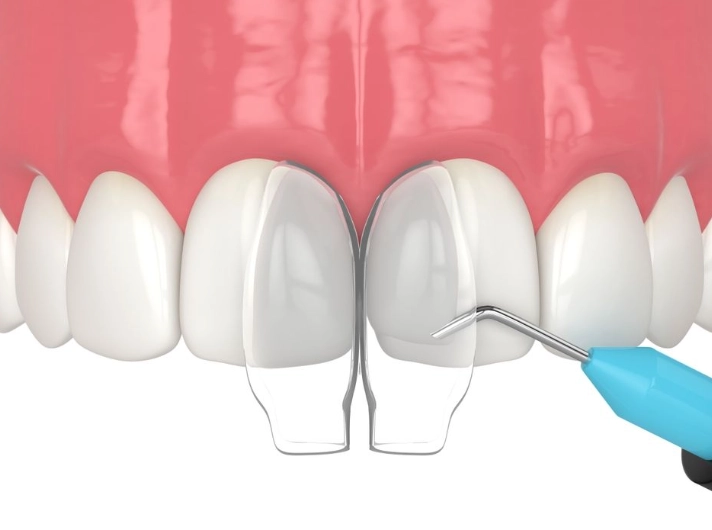
When Treatment Becomes Necessary: The 5 Main Reasons
Treatment shifts from optional to recommended or necessary when tori stop being passive bystanders and start causing real problems. Here are the key triggers.
1. Obstruction for Dentures or Other Dental Appliances
This is arguably the #1 reason for tori removal. If you need full or partial dentures, a large torus can be a massive headache (or rather, a gum-ache).
Think about it: a denture needs a smooth, even surface to rest on for stability and comfort. A bony lump in the middle of that surface is like trying to lay a flat sheet over a baseball. It creates rocking, sore spots, and ulcers. The denture won't fit properly, leading to constant discomfort and potentially making it unusable.
In these cases, an oral surgeon will often recommend a tori reduction or removal surgery before the denture is made. It creates the necessary space and contour for a successful, comfortable prosthetic. The same logic applies to some other oral appliances.
2. Frequent Ulceration and Soft Tissue Trauma
Some tori, especially if they are very prominent or have sharp ridges, can be covered by a very thin layer of gum tissue. This tissue is easily injured.
If you accidentally bite your cheek or the roof of your mouth near the torus, or if you eat something crunchy like a tortilla chip that scrapes against it, it can lead to a painful ulcer (canker sore) right on top of the torus. These ulcers can be notoriously slow to heal because the thin tissue is stretched over hard bone with poor blood supply underneath.
If you find yourself getting recurring, painful ulcers in the exact same spot over your torus, removal might be suggested to eliminate the source of the trauma.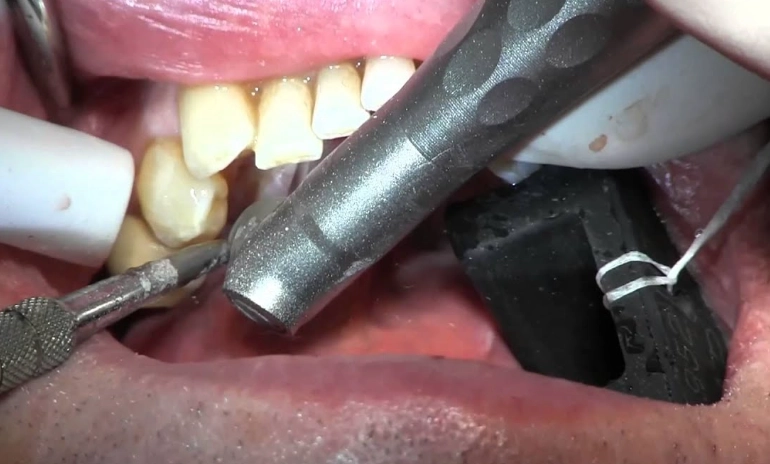
3. Interference with Speech or Eating
This is less common, but it happens. A very large torus palatinus can physically alter the space in the roof of your mouth, affecting tongue placement and air flow, which might lead to a slight lisp or other speech changes.
Similarly, large mandibular tori on the tongue side of the lower teeth can get in the way of your tongue's movement during eating or speaking. Food might get trapped around them. If the functional impact is significant enough, treatment could be considered.
4. Difficulty Maintaining Oral Hygiene
Large tori can create nooks and crannies that are hard to clean. Plaque and food debris can accumulate around their base, near the gums. This can increase the risk of gum inflammation (gingivitis) and tooth decay in adjacent teeth. If you simply cannot keep the area clean despite your best efforts with brushes, floss, and water flossers, a dentist might discuss removal to protect your long-term oral health.
5. Rapid Growth or Unusual Changes
Your Treatment Options: From Watching to Surgery
Okay, so let's say you've identified with one of the scenarios above. You and your dentist have agreed that yes, in your specific case, dental tori do require treatment of some kind. What are your options? It's not a one-size-fits-all.
| Treatment Option | What It Involves | Best For... | Pros & Cons |
|---|---|---|---|
| Active Monitoring | No intervention. Your dentist checks the size and shape during regular cleanings (e.g., every 6 months). | The vast majority of asymptomatic tori. | Pros: No cost, no pain, no risk. Cons: Doesn't address any existing problems. |
| Prosthetic Accommodation | A very skilled dentist or prosthodontist designs a dental appliance (like a denture) to carefully fit around the torus. | Small to moderate tori that are just slightly in the way. | Pros: Avoids surgery. Cons: Denture may be less stable; not possible for large tori. |
| Tori Reduction / Removal Surgery (Torectomy) | A minor oral surgery where an oral surgeon removes the excess bone, often with drills and chisels, and sutures the gum closed. | Tori causing significant functional problems, ulceration, or blocking essential dental work. | Pros: Permanent solution. Cons: Surgical risks (infection, nerve injury), cost, recovery time. |
The decision between these paths is a conversation between you, your general dentist, and likely an oral surgeon. Don't be afraid to ask questions. A lot of them.
What to Expect from Tori Removal Surgery: The Nitty-Gritty
If surgery is on the table, it's normal to be nervous. Let's demystify the process. It's typically an outpatient procedure, meaning you go home the same day.
- Consultation & Imaging: First, you'll see an oral and maxillofacial surgeon. They'll examine your tori and almost certainly take a 3D cone-beam CT scan or detailed X-rays. This shows the exact size, shape, and relationship of the tori to vital structures like nerves (especially the inferior alveolar nerve for lower jaw tori) and sinus cavities.
- The Procedure: It's usually done under local anesthesia (you're numb but awake) often combined with IV sedation (you're super relaxed or asleep). The surgeon makes a careful incision in the gum, folds it back, and uses specialized dental drills and bone chisels to carefully reduce or completely remove the bony growth. They smooth the area down, rinse it thoroughly, and suture the gum tissue back in place. The whole thing might take 1-2 hours depending on complexity.
- Recovery & Aftercare: This is the part that requires patience. You'll have swelling, discomfort, and likely a diet of liquids and very soft foods (think yogurt, mashed potatoes, smoothies) for 1-2 weeks. Your surgeon will prescribe pain medication and possibly antibiotics. Stitches may dissolve or be removed after 7-10 days. Full healing of the bone underneath takes several months, but the initial soft tissue heals in a couple of weeks.
Honestly, the recovery sounds worse than it often is for most people. It's uncomfortable and inconvenient, but not typically horrific. The prospect of solving a chronic problem (like denture pain) usually outweighs the temporary post-op hassle.
Answers to Your Burning Questions (FAQ)
Let's tackle some of the specific, often anxiety-driven questions people have. You've probably wondered about these.
Making Your Decision: A Practical Checklist
Feeling overwhelmed? Let's simplify. Ask yourself these questions:
- Is it causing me persistent pain or frequent mouth ulcers?
- Is it directly interfering with eating, speaking clearly, or cleaning my teeth?
- Is it blocking necessary dental work, like dentures, that I need for my health and quality of life?
- Has it changed recently in size, shape, color, or sensation?
If you answered "yes" to any of the first three, schedule a consult with your dentist to discuss options. If you answered "yes" to the last one, schedule an appointment sooner rather than later.
If you answered "no" to all of them? Congratulations. You have a harmless quirk. Mention it to your dentist at your next visit, then try to forget about it. Really.
Your mouth has enough real problems to worry about without stressing over innocent bony bumps.
Final Thoughts: Listen to Your Mouth (and Your Dentist)
So, after all this, where do we land on the core question, "Do dental tori require treatment?"
The default answer is no. They are usually harmless landmarks in your mouth, not landmines. The need for treatment is dictated entirely by symptoms and practical obstacles, not by the mere presence of the tori itself.
The most important thing is to partner with a dentist you trust. Get regular checkups. If your tori are silent partners, let them be. If they start causing trouble, you now have the knowledge to have an informed, confident conversation with your dental professional about the pros, cons, and alternatives.
For authoritative, general information on oral conditions, you can always refer to resources from established institutions like the American Dental Association or the Mayo Clinic. For specific surgical procedures, the American Association of Oral and Maxillofacial Surgeons is a great resource for understanding the standards of care.
At the end of the day, your mouth is unique. What's a minor bump for one person is a major obstacle for another. Pay attention to what your body is telling you, get professional guidance, and you'll make the right choice for your smile.