You wake up with a dull ache in your temples. Your jaw feels tight, like you've been chewing gum all night. Maybe you just ignore it, blaming stress or a bad pillow. But here's the thing I see in my practice all the time: the real damage from teeth grinding, or bruxism, isn't always the headache. It's what's happening silently to your teeth, bit by bit, night after night. Most people have no idea they're doing it until a dentist points out the telltale signs of wear—and by then, the repair bill can be steep.
This isn't just about being a little stressed. Unchecked teeth grinding damage can flatten your teeth, cause micro-fractures, lead to excruciating sensitivity, and even result in a tooth needing a root canal. The good news? It's almost entirely preventable. Let's break down what's really happening and how to stop it for good.
What's Inside?
The Hidden Signs of Teeth Grinding Damage (You Might Miss)
Most patients think pain is the first sign. It's not. Your teeth are tougher than you think, so the damage starts subtly. Here’s what I look for during a check-up that patients often overlook:
- Flattened or Shorter Teeth: Look at your front teeth. Are the edges perfectly straight and even, or slightly see-through? That's wear. Your back teeth should have distinct bumps (cusps). If they look sanded down, that's bruxism.
- Micro-Cracks (Craze Lines): Tiny hairline fractures in the enamel. They catch the light and look like faint white lines. Harmless at first, but under constant pressure, they can deepen.
- Unexplained Tooth Sensitivity: Sudden zings with cold drinks? As you wear down the protective enamel, the sensitive dentin layer underneath gets exposed.
- Ridges on Your Tongue or Cheeks: Run your tongue along the inside of your cheek. Feel a raised, white line? That's from your teeth pressing constantly against the soft tissue.
- Your Teeth Fit "Too Perfectly": This is a weird one. When you slide your teeth side-to-side, they might glide smoothly with no bumps. That sounds good, but it means your natural grooves have been worn away by grinding.

Why Does This Happen? It's Not Just Stress
Sure, stress and anxiety are major triggers. But if it were just that, everyone would grind their teeth. The picture is more complex. Research from entities like the American Academy of Sleep Medicine points to a mix of factors.
Sleep-Related Triggers: Sleep apnea is a huge, under-diagnosed link. When your airway obstructs, your body sometimes grinds or clenches as a reflex to try and reopen it. If you snore loudly or wake up gasping, talk to a doctor about a sleep study.
Anatomy and Habit: A misaligned bite (where your teeth don't fit together ideally) can cause your jaw to seek a "comfortable" position by grinding. Daytime habits matter too. Do you clench when you're focused on work? Hold your phone between your shoulder and ear? Chew on pens? These train your jaw muscles to stay engaged.
The Caffeine and Alcohol Loop: That evening coffee or nightcap might be setting you up. Caffeine stimulates muscles, alcohol disrupts sleep architecture—both can increase bruxism episodes.
How to Stop Grinding Your Teeth: A Realistic Action Plan
Throwing a night guard at the problem is like putting a bandage on a leaky pipe. You need to address the source of the pressure. Here's a tiered approach.
Step 1: Immediate Protection (The Non-Negotiable)
You must protect your teeth from further damage tonight. This is where an occlusal guard, or night guard, comes in. It creates a protective barrier between your upper and lower teeth, absorbing the destructive forces. We'll dive into the types next.
Step 2: Daytime Awareness and Habit Reversal
This is the free, powerful tool everyone skips. Set phone reminders every hour: "Lips together, teeth apart, tongue on roof." When you notice clenching, place the tip of your tongue between your teeth. This forces the jaw muscles to relax. Massage your jaw muscles (the masseters) in a circular motion for 60 seconds, twice a day.
Step 3: Address Underlying Triggers
Evaluate your sleep: Consider a sleep study if you have other symptoms like snoring or daytime fatigue.
Manage stress actively: Not just "try to relax." Schedule 10 minutes of deep breathing before bed. Try progressive muscle relaxation, focusing on unclenching your jaw, face, and shoulders.
Review your diet: Cut off caffeine after 2 PM. Notice if alcohol consumption correlates with worse jaw pain in the morning.
The Night Guard Guide: Custom vs. Store-Bought
This is where most people get it wrong. They buy a cheap, bulky boil-and-bite guard from the pharmacy and wonder why it's uncomfortable or doesn't help. Let's compare.
| Type | How It's Made | Approx. Cost | Pros | Cons & Expert Caveat |
|---|---|---|---|---|
| Custom Dental Guard | Your dentist takes an impression or digital scan of your teeth. A lab fabricates a thin, hard acrylic or dual-laminate guard. | $300 - $800+ | Perfect fit, thin and comfortable, allows proper jaw positioning, durable (lasts 3-5+ years). | Higher upfront cost. The real value? It's engineered to distribute force evenly, not just block it. |
| Pharmacy Boil & Bite | You soften it in hot water and bite down to shape it. | $20 - $60 | Cheap, immediately available. | Often too thick, can worsen clenching. The fit is imprecise, which can irritate gums or misalign your bite over time. I've seen these cause more problems than they solve for heavy grinders. |
| Online Custom Impression Kit | You use putty to take your own impressions at home, mail them in. | $100 - $200 | Middle-ground price, better fit than store-bought. | Your technique matters. A poor impression leads to a poor fit. No professional assessment of your bite dynamics. |
Beyond the Guard: Building a Long-Term Fix
The guard is a shield. To truly win the war, you need to retrain your muscles and nervous system.
Physical Therapy for Your Jaw: A physical therapist specializing in TMJ disorders can teach you targeted stretches and exercises to release the overworked masseter and temporalis muscles. They might use techniques like ultrasound or manual therapy. This isn't woo-woo stuff; it's rehab for a muscle that's in constant spasm.
Botox Injections: This is a controversial one, but for severe, refractory cases, it can be a game-changer. Small amounts of Botox injected into the masseter muscles temporarily weaken them, reducing their ability to clench with destructive force. The effect lasts 3-4 months. It doesn't cure the urge to clench, but it breaks the cycle of pain and damage, giving other therapies (like habit reversal) a chance to work. It must be done by an experienced dentist or doctor.
Cognitive Behavioral Therapy (CBT): If stress and anxiety are your core drivers, CBT can be more effective than a guard alone. It helps you identify the thoughts and situations that trigger clenching and develop healthier coping strategies.
Your Teeth Grinding Questions, Answered
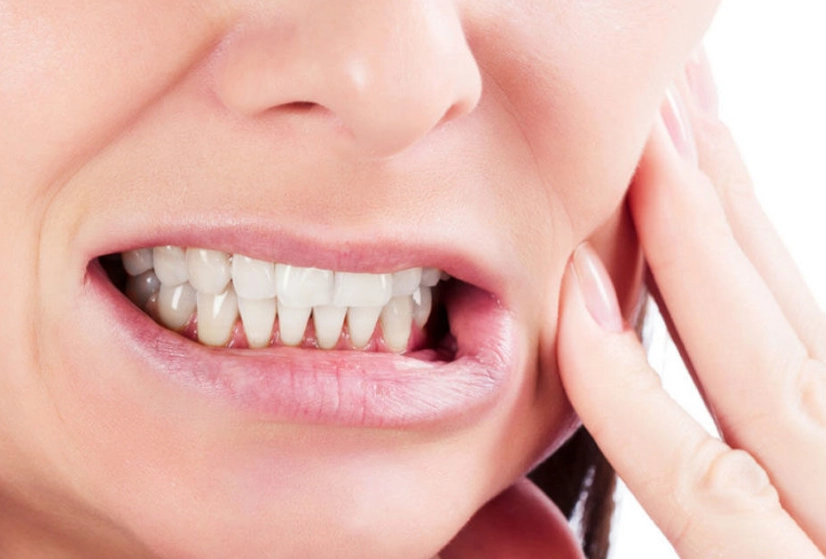 The damage from grinding your teeth creeps up on you. One day you're fine, the next you're looking at a quote for several thousand dollars in dental work. It's frustrating because it feels involuntary. But by combining immediate protection (get a proper guard), daily awareness, and a honest look at potential triggers like sleep apnea, you can absolutely stop the damage and save your smile. Start by asking your dentist at your next cleaning: "Can you check for any signs of wear from grinding?" That simple question is the first step.