You wake up. Your jaw feels tight, maybe even a little sore. A dull headache is already brewing behind your eyes. You shrug it off as stress or a bad night's sleep. But here's what most people don't realize: these morning aches are often the first, faint alarm bells of bruxism—the medical term for teeth grinding and clenching. The effects of teeth grinding extend far beyond the occasional uncomfortable morning. They silently chip away at your dental health, reshape your face, disrupt your sleep, and can even trigger chronic pain conditions. I've worked with patients who thought they just had "sensitive teeth" or "regular headaches," only to discover the root cause was years of nighttime grinding they were completely unaware of.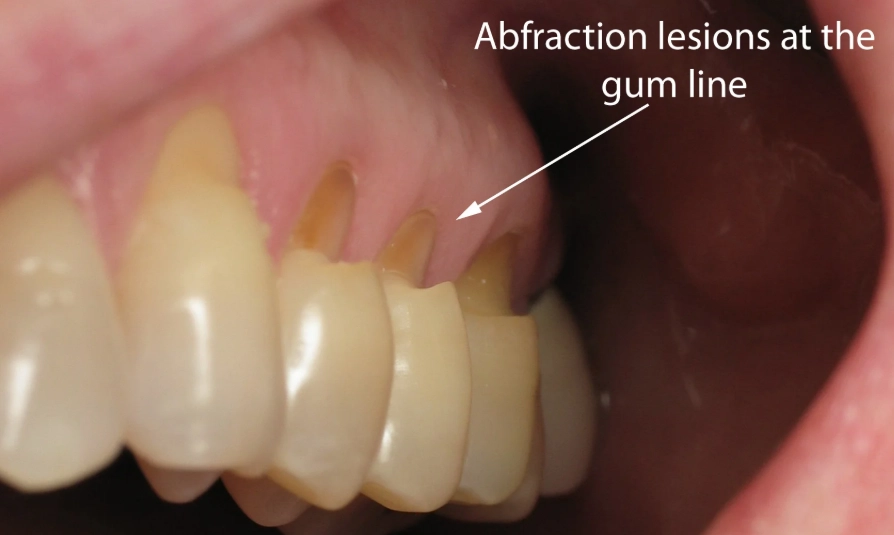
What You'll Discover in This Guide
What Are the Immediate Effects of Teeth Grinding?
Let's talk about what you feel first. Bruxism isn't a gentle rubbing; it's a powerful, often subconscious, jaw muscle contraction. The force can be up to six times greater than normal chewing. This isn't just hard on your teeth—it's a major workout for your entire jaw and head musculature.
The symptoms tend to fall into two buckets: the common ones everyone talks about, and the sneaky ones that get misdiagnosed.
| Common Symptoms (The Usual Suspects) | Less Obvious Symptoms (The Sneaky Ones) |
|---|---|
| Morning jaw soreness or stiffness: Like you've been chewing gum all night. | Earache or tinnitus (ringing): The TMJ is right next to your ears. Inflammation there feels like an ear problem. |
| Dull, constant headache: Starting at the temples, often a tension headache. | Tooth sensitivity: Not from cavities, but from micro-fractures and worn enamel exposing dentin. |
| Flattened, fractured, or chipped teeth: Your dentist might spot this before you do. | Cheek biting: Your jaw is moving so much you bite the inside of your cheek. |
| Increased tooth pain or looseness | A clicking or popping jaw (TMJ sounds) |
I had a patient, let's call him Mark, a software developer under deadline. He came in for "chronic sinus headaches." After a full workup, his ENT found nothing. When I asked about his jaw, he said it was "always tight." A quick exam revealed significant wear on his molars and palpable tenderness in his masseter muscles (the big chewing muscles on the side of your face). His sinus headaches were, in fact, tension-type headaches referred from his jaw. It's a connection too many people—and even some doctors—miss.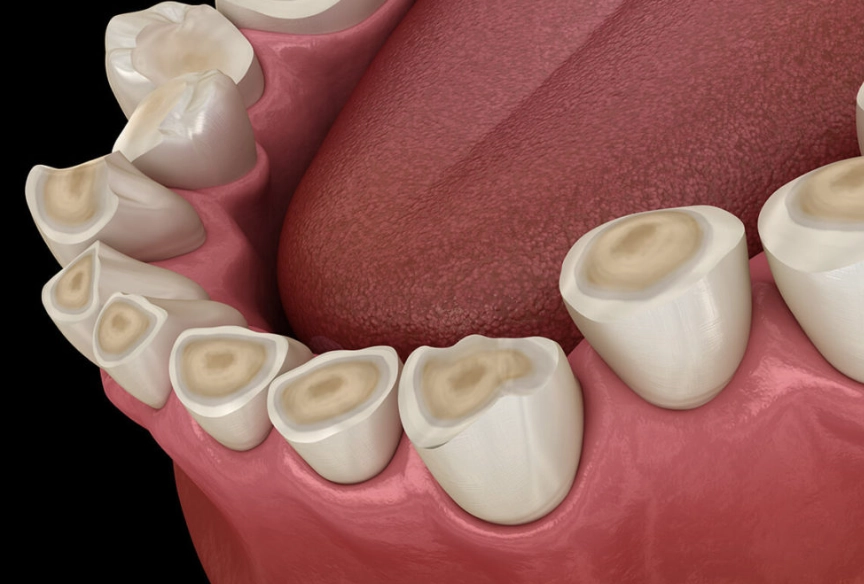
The Long-Term Consequences You Can't Ignore
This is where the effects of teeth grinding move from annoying to expensive and structurally damaging. If the immediate symptoms are the smoke, the long-term effects are the fire.
First, let's talk teeth. Enamel is the hardest substance in your body, but it's not designed for constant, grinding force against its opposing tooth.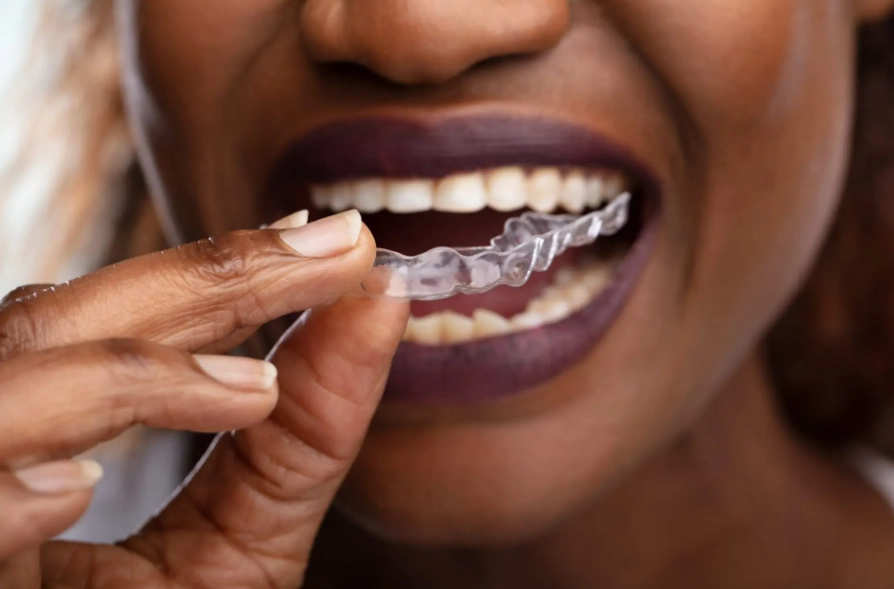
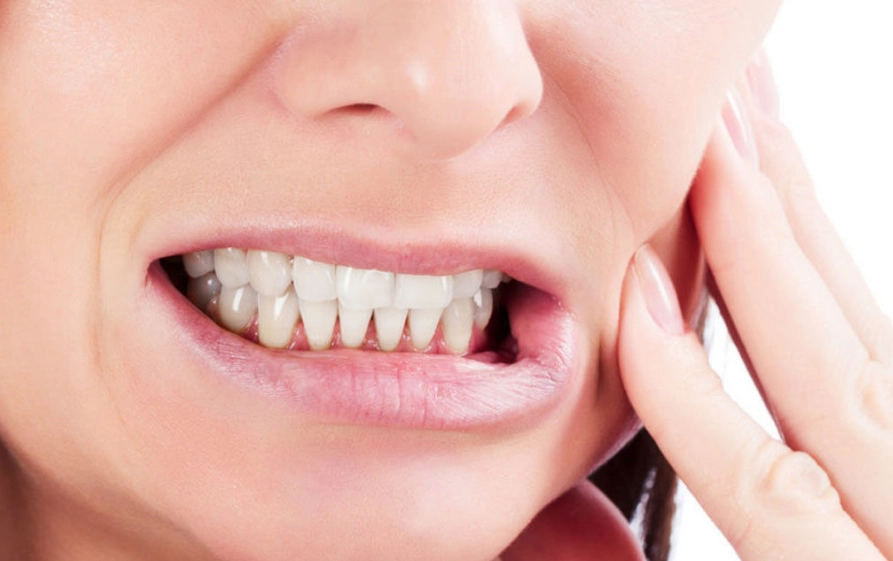
- Severe Attrition: Teeth literally get shorter. Over years, you can lose a significant portion of your tooth structure. This changes your bite, can make you look older (less tooth support for your lips), and often requires extensive dental work like crowns or veneers to rebuild.
- Cracks and Fractures: These start microscopically. You won't see them. But over time, they can propagate into a vertical crack that goes deep into the root. I've seen teeth split in half during normal chewing because a grinding-induced crack weakened them. A root canal and crown might save it, or you might lose the tooth entirely.
- Failed Dental Work: Grinding is the number one enemy of crowns, fillings, and veneers. That expensive dental work is far more likely to chip, crack, or come loose under the relentless pressure.
But what if the damage goes deeper?
Beyond the Jaw: Systemic and Sleep Issues
Here's the part that often gets left out of the conversation. Your jaw is connected to... everything. Chronic bruxism, especially sleep bruxism, is rarely an isolated problem.
TMJ Disorders (TMD): This is the big one. The temporomandibular joint is a complex hinge and sliding joint. Constant grinding inflames the joint capsule, strains the ligaments, and can even displace the little disc that cushions the joint. This leads to chronic pain, limited mouth opening (lockjaw), and that unsettling popping sound. The American Dental Association notes that while bruxism is a risk factor, not everyone who grinds develops TMD, but the odds are significantly higher.
Sleep Disruption: This is a vicious cycle. You might grind because you have sleep apnea or another sleep disorder—your body's way of trying to open your airway. But the grinding itself causes micro-arousals, pulling you out of deep, restorative sleep. You wake up exhausted, even after 8 hours in bed. The Sleep Medicine literature consistently links sleep bruxism with fragmented sleep architecture.
Muscular Changes: Your masseter muscles can hypertrophy—they get bigger and bulkier from the constant workout. This can actually change the shape of your face, creating a more square, heavy-jawed appearance.
Chronic Pain Syndromes: The tension from your jaw can refer pain up into your head (chronic headaches, migraines), down into your neck, and even into your shoulders. Treating the neck pain alone is often futile if the jaw is the primary driver.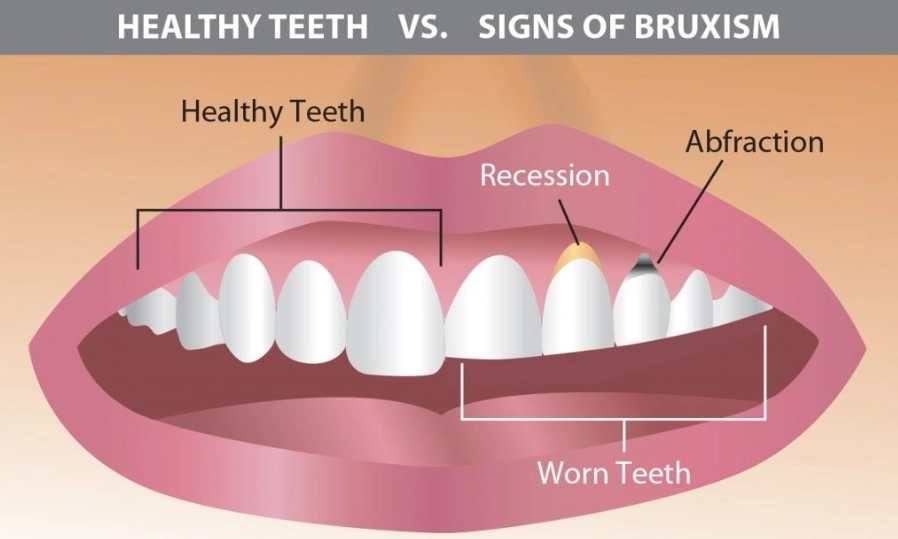
How Can I Stop Grinding My Teeth and Prevent Damage?
Okay, enough with the scary stuff. What can you actually do? The goal is two-fold: protect your teeth from further damage and address the root cause of the grinding.
Step 1: Get a Professional Diagnosis. Don't self-diagnose. See a dentist. They will look for the tell-tale signs: wear patterns, cheek ridging, tongue scalloping, and jaw muscle tenderness. They might ask you about your sleep or stress levels. This is non-negotiable.
Step 2: The Gold Standard Protection - A Custom Night Guard. Not a cheap, boil-and-bite from the pharmacy. Those are often bulky, can worsen clenching, and aren't precision-fit. A custom-made occlusal guard from your dentist is thin, durable, and designed to fit your bite perfectly. Its primary job is to create a protective barrier between your teeth, absorbing the destructive forces. Think of it as a helmet for your teeth. It won't stop you from clenching, but it will stop the damage. This is your first and most critical line of defense.
Step 3: Investigate the Underlying Cause. This is where treatment gets personal. Grinding is a symptom, not a disease.
- Stress & Anxiety: The most common trigger. Cognitive behavioral therapy (CBT), mindfulness, and regular exercise can be more effective than you think.
- Sleep Disorders: A sleep study might be recommended. Treating sleep apnea often reduces or eliminates grinding.
- Medication Side Effects: Some SSRIs (a class of antidepressants) are known to exacerbate bruxism. Talk to your doctor—never stop medication on your own.
- Lifestyle Factors: Caffeine, alcohol, and recreational drugs can all increase grinding activity.
Step 4: Physical Therapy and Habit Awareness. During the day, practice keeping your teeth slightly apart, lips together, and tongue resting on the roof of your mouth. This is the natural resting posture. Physical therapy focused on the jaw and neck can work wonders to release tense muscles and retrain patterns. Some dentists also use Botox injections into the masseter muscles to temporarily reduce their clenching force—it's a medical treatment, not cosmetic, for severe cases.
The biggest mistake I see? People get a night guard and think they're done. The guard is essential for protection, but combining it with efforts to manage the cause is how you actually get your life back, pain-free.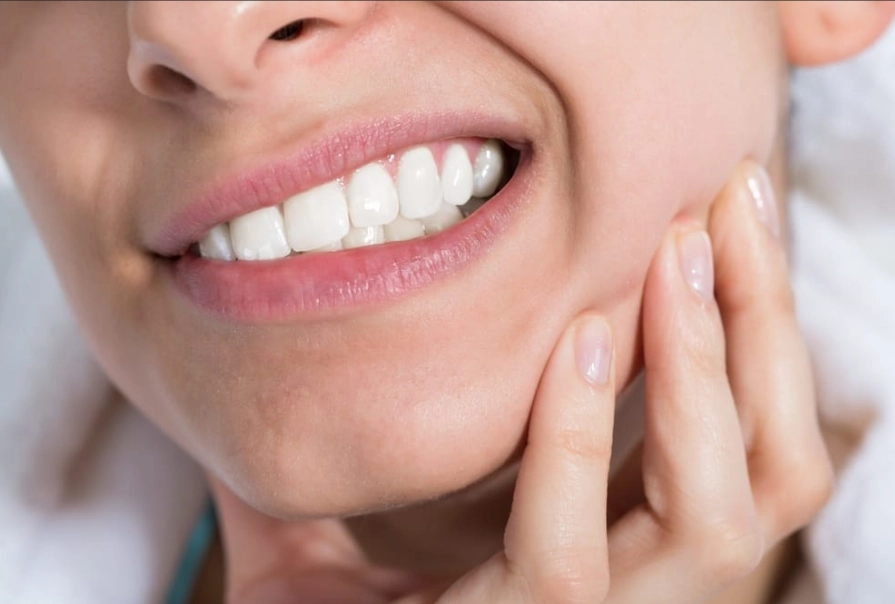
 How quickly can teeth grinding damage my teeth?