That sudden, sharp zing when you sip ice water or bite into something sweet isn't just annoying—it's your teeth telling you something's wrong. Tooth sensitivity, or dentin hypersensitivity if we're being technical, is incredibly common. But common doesn't mean you have to live with it. Finding the right sensitive teeth treatment isn't about grabbing any "for sensitivity" toothpaste off the shelf. It's about understanding the "why" behind the pain first.
Think of it like this: the pain is an alarm. You can muffle the alarm (temporary relief), or you can figure out why it's going off and fix the problem (long-term treatment). Most people do the first and wonder why the pain keeps coming back. Let's change that.
Here’s the quick truth you can act on right now: if the sensitivity is new and mild, start with a stannous fluoride or potassium nitrate toothpaste. Use it consistently for at least two weeks—brushing gently with a soft-bristled brush. If the pain is severe, comes from a single tooth, or doesn't improve, that's your signal to see a dentist. There might be a cavity or a cracked filling playing the villain.
What’s Inside This Guide?
What’s Actually Causing That Zing? (It’s Not Just "Weak Enamel")
Underneath the hard, white enamel of your tooth is a layer called dentin. Dentin is full of microscopic tunnels called dentinal tubules that lead straight to the nerve center of your tooth (the pulp). When enamel wears down or gums recede, exposing this dentin, hot, cold, acidic, or sweet stimuli can travel down those tubules and trigger a pain signal.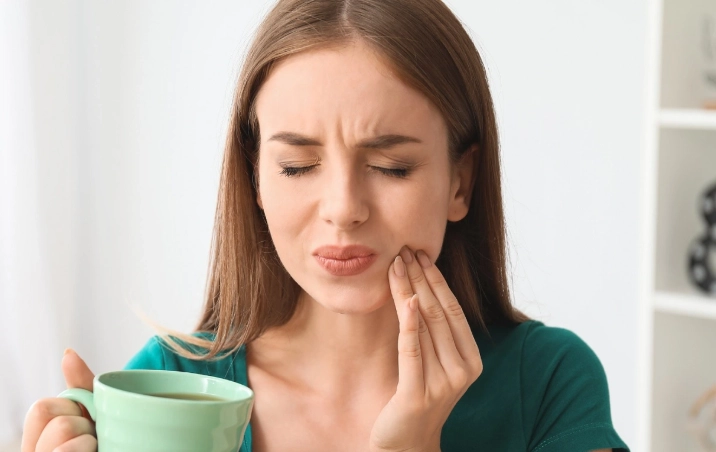
So the core issue is exposed dentin tubules. But how do they get exposed? The list is longer than most people think.
- Overzealous Brushing: This is a huge one. Scrubbing your teeth sideways with a hard-bristled brush is like using sandpaper on them. It wears down enamel and can cause gum recession. I see this all the time in patients who are proud of their "thorough" brushing.
- Gum Recession: Often from brushing too hard or gum disease. Receding gums expose the tooth root surface, which is covered in a softer layer called cementum, not enamel.
- Acidic Foods and Drinks: Soda (diet or regular), sports drinks, citrus fruits, wine, even some salad dressings. Acid softens enamel, making it easier to wear away.
- Teeth Grinding (Bruxism): Clenching and grinding, often at night, can wear down enamel and even crack teeth.
- Recent Dental Work: It’s normal to have some temporary sensitivity after a filling, crown, or professional cleaning. It should fade within a few weeks.
- Tooth Whitening Products: The bleaching agents can temporarily increase sensitivity. This is why many whitening kits now include desensitizing gel.
- Cracks, Cavities, or Worn Fillings: These create direct pathways to the nerve.
A subtle mistake I often see: People switch to a sensitive toothpaste but don't change their brushing technique. They're applying a healing balm while still scrubbing with a wire brush. The treatment gets undermined by the habit. Focus on gentle, circular motions at the gumline.
Sensitive Teeth Treatment You Can Start Tonight
Home care is your first and most consistent line of defense. The goal here is to either block those dentinal tubules or calm the nerve response.
The Right Toothpaste is Non-Negotiable
Not all sensitive toothpastes work the same way. Look for these key active ingredients:
- Potassium Nitrate: This is the classic. It works by calming the nerve inside the tooth, making it less likely to send a pain signal. It's effective but can take 2-4 weeks of twice-daily use to reach full effect.
- Stannous Fluoride: My personal favorite for many patients. It's a triple threat: it helps block the tubules, has anti-bacterial properties (great for gum health), and provides fluoride for enamel strength. Brands like Crest Gum & Sensitivity use this.
- Arginine and Calcium Carbonate: A newer technology (found in Sensodyne Rapid Relief, for example). The arginine binds with calcium to form a plug that physically seals the tubules. Some studies show relief can start within one week.
How to use it properly: Don't rinse with water after brushing. Just spit out the excess foam. Leaving a thin film of the paste on your teeth gives the active ingredients more time to work. You can even dab a little extra on the sensitive spots before bed.
Beyond the Tube: Other Home Strategies
Toothpaste is the star, but the supporting cast matters.
- Soft-Bristled Brush: I mean it. Get one labeled "soft." Replace it every 3 months, or sooner if the bristles splay out.
- Fluoride Mouthwash: Use an alcohol-free one. Alcohol can be drying and worsen sensitivity for some. Swishing with a fluoride rinse adds an extra layer of protection.
- Mind Your Diet: Don't brush your teeth immediately after having orange juice or soda. The acid has softened your enamel. Wait at least 30 minutes. Drink acidic beverages with a straw to bypass your teeth when you can.
- The Oil Pulling Question: Some people swear by swishing with coconut oil for sensitivity. The theory is it reduces bacteria and inflammation. While it's unlikely to harm you, the American Dental Association states there's insufficient scientific evidence to support oil pulling for oral health benefits. Don't rely on it as a primary treatment.
When to See a Dentist: Professional Treatment Options
If home care isn't cutting it after a month, or if the pain is sudden and severe, it's dentist time. Persistent sensitivity can be a symptom of a bigger issue like a hidden cavity or abscess. Here’s what a professional can offer.
| Treatment | What It Is | Best For | How Long It Lasts |
|---|---|---|---|
| Prescription-Strength Fluoride Gel/Varnish | A high-concentration fluoride applied directly to teeth in-office. | Generalized sensitivity, especially after whitening. | Several months; often requires periodic reapplication. |
| Dental Bonding or Sealants | A tooth-colored resin applied to cover exposed root surfaces. | Localized sensitivity from gum recession on one or a few teeth. | Several years with good care. |
| Gum Graft Surgery | A small piece of tissue is taken from the palate and attached to the receded area. | Severe gum recession exposing large root areas. | Long-term or permanent solution. |
| Root Canal Therapy | Removes the inflamed nerve tissue from inside the tooth. | Severe, constant sensitivity where other treatments failed; indicates a dying or infected nerve. | Permanent for that tooth. |
Let's talk about bonding for a second. It's a fantastic, underutilized option for that one tooth where the gum has dipped down. The procedure is quick, often doesn't require anesthesia, and the relief is immediate. The cost can vary widely ($300-$600 per tooth), but it's a durable fix.
A root canal is the last resort. If a dentist suggests it for sensitivity, it usually means the pulp (nerve) is irreversibly inflamed, likely from a deep cavity or crack. The sensitivity might have progressed to a constant, throbbing ache.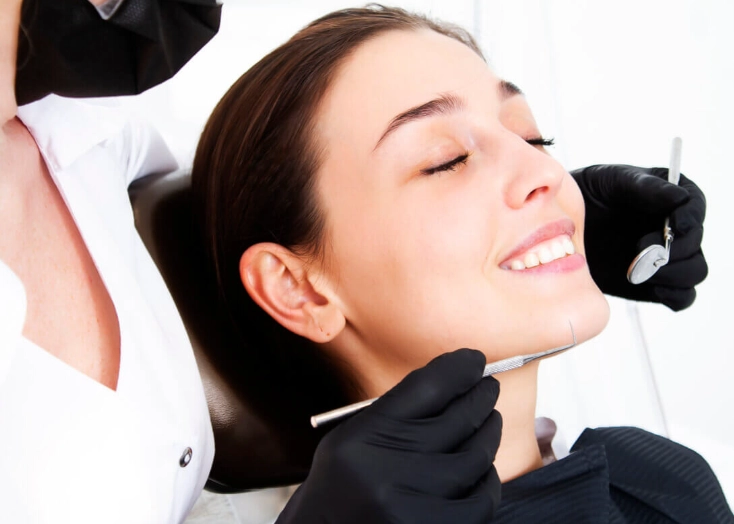
Stop the Cycle: Daily Habits That Prevent Sensitivity
Treatment fixes the present problem. Prevention stops the next one. This is where you take control.
- Brushing Technique Audit: Hold your brush like a pencil, not a hammer. Use small, gentle circles, focusing on where the tooth meets the gum. Let the bristles do the work, not your arm.
- Acid Management: Love soda or lemon water? Fine. But don't sip it all day long. Have it with a meal and then be done. Your teeth need "recovery time" between acid attacks.
- Address Grinding: If you wake up with a sore jaw or your partner hears grinding, talk to your dentist about a night guard. It's a custom-fit mouthpiece that prevents tooth-on-tooth damage. The over-the-counter boil-and-bite kinds are okay in a pinch but can be bulky.
- Regular Dental Visits: This isn't just a plug for the profession. A hygienist can spot early gum recession you can't see and clean away tartar that contributes to it. Your dentist can catch small problems before they become big, sensitive ones.
Your Sensitive Teeth Questions, Answered
I've been using sensitive toothpaste for a week and still feel pain. Is it not working?
Give it a full 4 weeks. These toothpastes often need consistent, twice-daily use to build up their effect. Potassium nitrate formulas, in particular, work on the nerve and need time. If there's zero improvement after a month, the cause might be something the toothpaste can't fix, like a crack or cavity, and you need a dental exam.
Can whitening my teeth make sensitivity worse permanently?
It usually doesn't cause permanent damage, but it can cause significant temporary sensitivity. The good news is you can manage it. Use a sensitivity toothpaste for two weeks *before* you start whitening to "prep" your teeth. Stick with it during and after the process. If you're using an in-office or take-home kit from your dentist, they should provide a desensitizing gel. Over-the-counter strips can be more unpredictable in their peroxide concentration, so proceed with caution if you're prone to sensitivity.
Is sensitive teeth treatment covered by dental insurance?
It depends entirely on the cause and the treatment. Basic diagnostic exams and fluoride treatments are often covered under preventive care. If the treatment is for a diagnosed medical issue like a cavity (a filling) or severe gum disease (a graft), insurance will typically cover a portion. Treatments deemed purely for comfort, like bonding for mild recession without disease, might be considered cosmetic and have less or no coverage. Always get a pre-treatment estimate from your dentist's office.
What's the one thing people always get wrong about treating sensitive teeth at home?
They treat the symptom but ignore the habit. They'll buy the expensive toothpaste but still use a brush with bristles as hard as nails, scrubbing back and forth. Or they'll use the paste but then swish aggressively with an alcohol-based mouthwash right after. The most effective home regimen is consistent and gentle: soft brush, gentle technique, desensitizing paste, alcohol-free fluoride rinse, and patience.