Quick Guide
- Why Does Your Tooth Hurt in the First Place?
- The Top Contenders: What Naturally Kills Tooth Pain at Home
- What About Pain from Sensitivity or Gum Recession?
- Lifestyle and Positioning Tricks That Actually Help
- The Big Question: When Do You ABSOLUTELY Need a Dentist?
- Common Questions People Ask (That Other Articles Miss)
- Putting It All Together: A Step-by-Step Action Plan
Let's talk about tooth pain. It's one of those things that hits you out of nowhere, right? You're just going about your day, maybe enjoying a meal, and then – bam. A sharp, throbbing, or constant ache takes over your entire world. The first thought for many of us isn't always to run to the dentist (though sometimes we should). It's to search the kitchen or bathroom cabinet for something, anything, that can make the pain stop. You're probably here because you're asking yourself that exact question: what naturally kills tooth pain?
I've been there. Waking up at 3 AM with a pounding jaw, desperately wishing for a magic switch to turn it off. The good news is, there are legitimate, time-tested natural remedies that can genuinely help. They don't replace a dentist for serious problems, but they can be lifesavers for temporary relief, middle-of-the-night emergencies, or while you're waiting for an appointment.
This isn't about weird, unproven internet hacks. We're going to look at remedies with some scientific backing or centuries of traditional use, explain why they might work, and crucially, talk about how to use them safely. More importantly, we'll figure out when these home tricks are just a band-aid and when that pain is a flashing red light telling you to get professional help, fast.
Why Does Your Tooth Hurt in the First Place?
Before we jump into what naturally kills tooth pain, it helps to know what you're fighting. That throbbing isn't just random punishment; it's a message. The inside of your tooth (the pulp) is packed with nerves and blood vessels. When something irritates or damages those nerves – hello, pain signal.
Common culprits include:
- Cavities & Tooth Decay: Bacteria eat through the enamel, getting closer to the nerve.
- Abscess: A nasty infection at the tooth's root or between gum and tooth. This is serious.
- Gum Disease: Inflamed, receding gums can expose sensitive root surfaces.
- Cracked or Damaged Tooth: A crack lets stimuli right in.
- Lost Filling or Crown: Suddenly leaves the vulnerable part of the tooth exposed.
- Sinuses: Yeah, sometimes a sinus infection can make your upper teeth ache.
Knowing the cause guides the remedy. Inflammation? Something anti-inflammatory might help. Nerves screaming? Something numbing. Infection? That needs a dentist with antibiotics, full stop.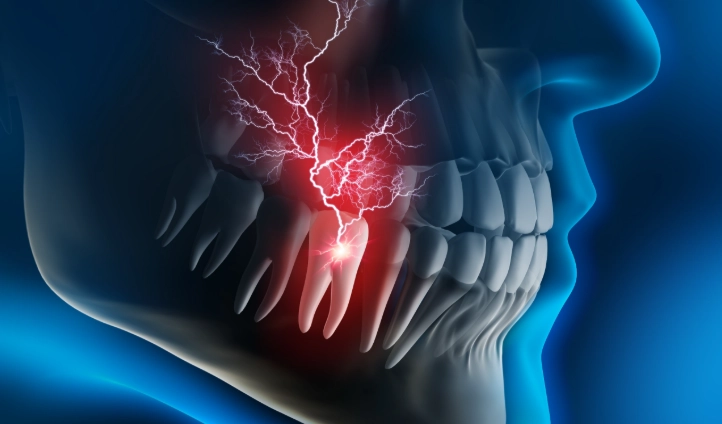
Heads up: If you have severe pain, swelling in your face or jaw, fever, or trouble breathing/swallowing, these are dental emergencies. Stop reading and call a dentist or go to an emergency room. Natural remedies won't fix a spreading infection.
The Top Contenders: What Naturally Kills Tooth Pain at Home
Alright, let's get to the practical stuff. Here’s a breakdown of the most effective and accessible options for when you need to know what naturally kills tooth pain. I've even ranked them based on effectiveness, speed, and accessibility.
| Remedy | How It Works | Best For | How to Use & Precautions |
|---|---|---|---|
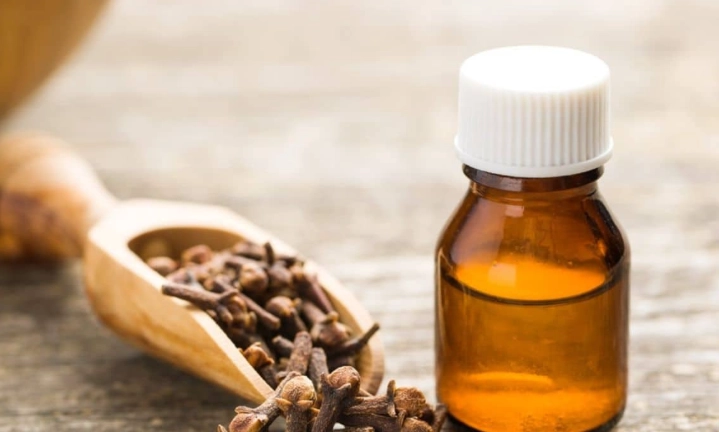
| Clove Oil (Eugenol) | The champion. Eugenol is a natural anesthetic and antiseptic. It literally numbs the nerve and fights bacteria. | Sudden, sharp nerve pain; cavity pain. | Dilute 1-2 drops in a carrier oil (like olive oil). Apply with a cotton ball to the area for 10-15 minutes. Never use undiluted—it can burn. Don't swallow. |
| Salt Water Rinse | The old faithful. Reduces inflammation, cleans the area, loosens debris, and can soothe minor gum infections. | General soreness, gum pain, after a tooth extraction, mouth sores. | Dissolve 1/2 tsp salt in a cup of warm water. Swish vigorously for 30 seconds, focusing on the painful area. Repeat 2-3 times a day. |
| Cold Compress / Ice Pack | Constricts blood vessels, reducing inflammation and swelling. Numbs the area temporarily. | Pain with visible swelling, jaw pain, post-injury pain. | Wrap an ice pack in a thin cloth. Apply to the outside of your cheek for 15 minutes on, 15 minutes off. |
| Peppermint Tea Bags | Peppermint has mild numbing (menthol) and anti-inflammatory properties. | Mild, general ache; soothing sore gums. | Steep a bag in hot water, let it cool until warm (not hot!), and hold it against the painful tooth/gum. |
| Garlic | Contains allicin, which has antibacterial properties. May help if an early infection is part of the problem. | Dull, throbbing pain possibly linked to early infection. | Crush a clove to release the allicin, mix with a pinch of salt, apply paste to the area. Rinse after 10 mins. The taste is... strong. |
| Hydrogen Peroxide Rinse (3%) | Kills bacteria, reduces plaque, and can soothe bleeding/inflamed gums. It's an antiseptic. | Pain from gum inflammation, minor infections, bad taste. | Dilute 50/50 with water. Swish for 30 seconds and spit. Do NOT swallow. Use sparingly, not long-term. |
That table gives you a quick cheat sheet. Now, let's dive deeper into a few of these heavy hitters.
Clove Oil: The Natural Numbing Powerhouse
If you only try one thing from this list, make it clove oil. Its reputation isn't just folklore. The National Institutes of Health has resources on eugenol (the active component) being used in dentistry for its analgesic properties. It's so effective that you'll find eugenol in some commercial dental cements and pastes.
Here’s my take on using it: it works, and it works fast. The numbing sensation is real. But the taste is very potent and medicinal. And you must dilute it. I made the mistake of dabbing a tiny bit straight on a gum once – not a pleasant burning sensation. Mix that drop with a little olive or coconut oil first.
It’s a prime example of what naturally kills tooth pain by targeting the source – the agitated nerve – directly.
I keep a small bottle of diluted clove oil (in a carrier oil) in my medicine cabinet specifically for dental emergencies. It's bought me a night's sleep before a dentist appointment more than once.
 The Humble Salt Water Rinse: Why It's Always Recommended
Don't underestimate this. It's simple, safe, and shockingly effective for a wide range of mouth issues. The science is straightforward: a hypertonic saline solution (fancy term for salt water) creates an environment where bacteria struggle. It draws out fluid from inflamed tissues, reducing swelling. It also mechanically cleans food particles from a cavity, which can be the source of the pain.
Every dentist, including the American Dental Association (ADA), recommends salt water rinses after dental procedures because they promote healing. It’s the first line of defense and a perfect answer for mild discomfort or as a supplement to other remedies.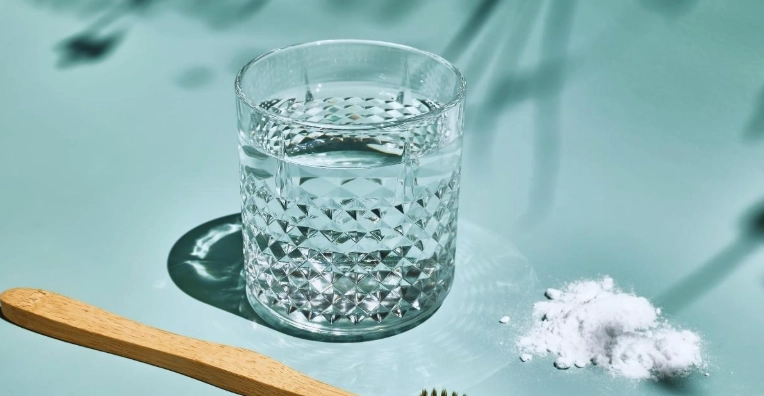
Cold Therapy: Not Just for Sprains
Applying cold is a fundamental principle for managing pain and inflammation anywhere in the body, and your jaw is no exception. If your cheek is puffy or the pain is throbbing in sync with your heartbeat, that's inflammation. A cold compress won't fix the tooth's problem, but it can significantly reduce the pain signal and the swelling, making you much more comfortable.
Just remember the cloth barrier – never put ice directly on your skin.
What About Pain from Sensitivity or Gum Recession?
Sometimes the pain is a sharp zing from cold air, sweet food, or brushing. This is often dentin hypersensitivity – the inner layer of your tooth is exposed. The natural remedies here are slightly different, focused on blocking the tiny tubes in the dentin.
- Sensitive Toothpaste: Not a “home” remedy per se, but a natural-feeling solution. Look for ones with potassium nitrate or stannous fluoride. Use it consistently, even rubbing a dab directly on the sensitive area before bed.
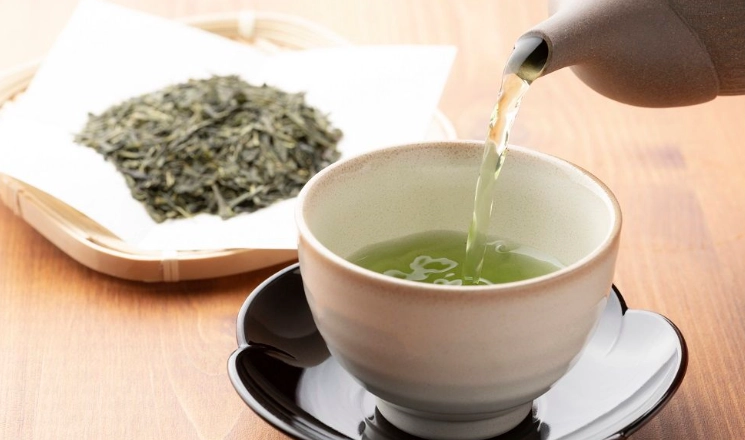
- Green Tea: Some folks find holding lukewarm, unsweetened green tea against sensitive areas helps. It has anti-inflammatory compounds. Worth a try if you have it on hand.
- Avoid Acidic Foods/Drinks: This is a preventative step. Soda, citrus, wine – they wear down enamel. Rinse with water after having them.
Lifestyle and Positioning Tricks That Actually Help
Sometimes relief isn't about what you put in your mouth, but what you do around it.
Elevate Your Head: When you lie flat, blood pressure increases in your head and jaw, which can intensify throbbing pain. Pile up an extra pillow or two. It makes a noticeable difference.
Avoid Extreme Temperatures: If your tooth is sensitive, sipping lukewarm water or broth is better than ice-cold or scalding-hot drinks. Just go neutral.
Soft Foods, Gentle Chewing: Give the area a break. Chew on the opposite side. Stick to soups, yogurt, mashed potatoes. Avoid hard, crunchy, sticky, or very sweet foods that can aggravate a cavity or sensitive spot.
Think of natural toothache remedies as first-aid, not a cure. They manage the symptom (pain) while you address the cause (the dental problem).
The Big Question: When Do You ABSOLUTELY Need a Dentist?
This is the most important part. I'm a big fan of home remedies, but I'm a bigger fan of not letting a small problem become a big, expensive, or dangerous one.
Use these natural methods if you have mild to moderate pain and you already have a dental appointment scheduled. Or if you get a twinge on a weekend and need to manage until Monday.
But stop immediately and seek professional care if you have any of these red flags:
- Pain that is severe, unbearable, or lasts more than 1-2 days.
- Fever, which signals infection.
- Swelling in your cheek, jaw, or under your eye.
- Pus around the tooth or a foul taste in your mouth.
- Trouble breathing or swallowing.
- An injury that knocked a tooth loose or out.
An abscess or deep infection won't get better on its own. It can spread to your jaw, neck, or even your bloodstream (sepsis). No amount of clove oil will fix that. You need a dentist to drain the infection and likely prescribe antibiotics. The Mayo Clinic outlines these dangers clearly – it's not something to gamble with.
Common Questions People Ask (That Other Articles Miss)

Putting It All Together: A Step-by-Step Action Plan
So it's Saturday night, your tooth starts aching, and you're wondering what naturally kills tooth pain right now. Here's a logical flow:
- Assess: Is there severe swelling, fever, or trouble breathing? If YES, seek emergency care. If NO, continue.
- Clean: Gently brush and floss around the painful tooth. Sometimes pain is just a piece of food stuck in a cavity. Rinse with warm salt water.
- Choose Your Remedy: Based on the type of pain (sharp nerve pain? try diluted clove oil. Throbbing with swelling? use a cold compress).
- Comfort Measures: Elevate your head with pillows. Stick to soft, bland foods and lukewarm drinks.
- Plan: Use the relief to get rest, and call your dentist first thing in the morning to schedule an appointment. Tell them about your symptoms.
The goal isn't to become your own dentist. It's to be an informed first responder for your own health.
Look, tooth pain is miserable. It consumes your focus. Knowing a few effective, safe strategies to answer the question of what naturally kills tooth pain gives you back a sense of control. You can manage the crisis at home intelligently.
But please, let this be the reminder you might need: these remedies are a bridge, not the destination. The real solution to killing tooth pain for good almost always involves a dental professional who can diagnose and treat the underlying cause. Use nature's pharmacy wisely to get you to that appointment, not to avoid it indefinitely.
Here's to a healthier, pain-free smile.