Let's talk about underbites. You know, when your lower jaw juts out further than your upper jaw. It's not just about how it looks in photos (though that's a big part for many). I've seen patients who spent years avoiding smiling, others who had constant jaw pain they thought was normal, and even a few who developed speech issues they didn't connect to their jaw alignment. The decision to fix an underbite is personal, but it's often rooted in wanting to solve real, tangible problems—not just aesthetic ones.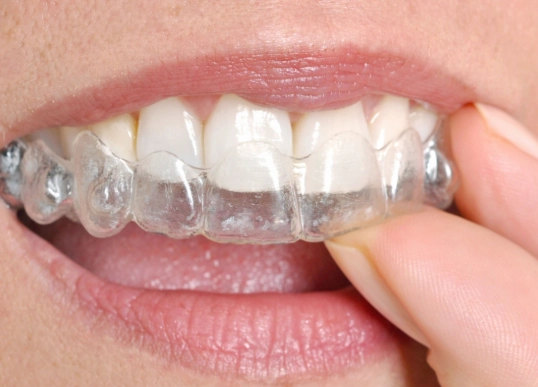
The process can feel overwhelming. Braces? Surgery? How long? How much? I get it. Having worked in orthodontics for over a decade, I've guided hundreds through this. The most common mistake I see? People jumping straight to asking about Invisalign without understanding the underlying skeletal issue. That's like putting a new coat of paint on a house with a cracked foundation.
What's Inside?
What Exactly Is an Underbite (And What Causes It)?
Medically termed "Class III malocclusion" or "prognathism," an underbite is a misalignment where the lower teeth overlap the upper teeth when your mouth is closed. It's not just teeth being crooked; it's often the jawbones themselves that are out of sync.
The causes usually fall into two buckets:
- Genetics: This is the big one. If your parents or grandparents had a prominent jaw, you might have inherited the bone structure. It's like being tall or having curly hair—written into your DNA.
- Habits & Behaviors: Prolonged thumb-sucking, tongue thrusting (pushing your tongue against your teeth when you swallow), or using a pacifier beyond early childhood can push the teeth and jaw forward over time.
- In rare cases, a tumor or injury can cause asymmetry, but that's less common.
Many people think it's just how they're built and live with it. But understanding the cause is the first step to finding the right fix.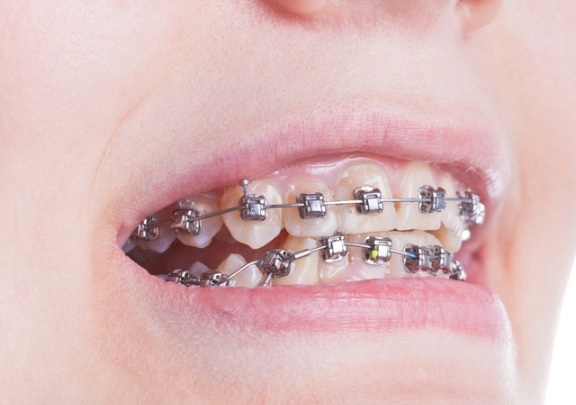
Why You Should Consider Fixing Your Underbite
Look, ignoring an underbite is a bit like ignoring a slow tire leak. It seems manageable until you're stranded. The consequences go way beyond selfies.
The Hidden Wear and Tear: An underbite puts abnormal stress on your jaw joints (the TMJs). This can lead to chronic pain, headaches, and that annoying clicking or popping sound when you chew. Your teeth also wear down unevenly and much faster. I've seen 30-year-olds with the tooth enamel of someone twice their age because of an uncorrected bite.
Then there's function. Chewing efficiently can be harder. Some foods become a chore. Speech can be affected—certain sounds like "f" and "s" might be harder to pronounce clearly. And yes, the aesthetic impact is real. It can affect facial profile and symmetry, which, let's be honest, impacts confidence in social and professional settings.
Fixing it isn't vanity. It's about preserving your oral machinery for the long haul.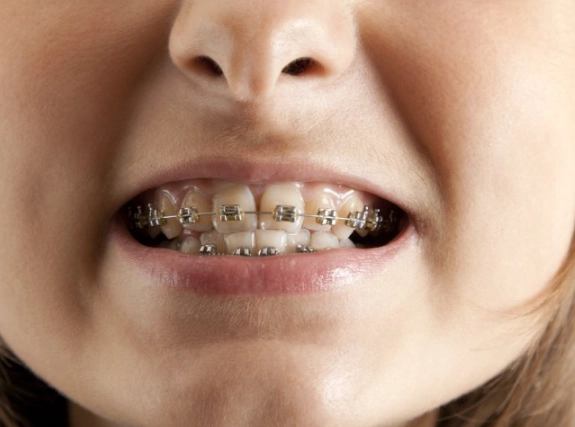
How Is an Underbite Diagnosed?
You can't just look in a mirror and know the severity. A proper diagnosis needs an orthodontist or oral surgeon. They don't just glance at your teeth; they conduct a full architectural survey of your mouth.
Here’s what to expect at that first consultation:
- Clinical Exam: They'll look at your face, profile, and how your teeth meet. They'll feel your jaw joints as you open and close.
- X-Rays: This is non-negotiable. A panoramic X-ray shows all your teeth and jaws. A cephalometric X-ray is the gold standard—it's a side-view skull X-ray that lets them measure angles and distances between your jaws with millimeter precision.
- Impressions or Scans: Old-school putty molds or new digital intraoral scanners create a 3D model of your bite. This is crucial for planning.
They'll classify your underbite severity (mild, moderate, severe) based on how many millimeters the lower jaw is forward and whether it's a dental issue (just teeth) or a skeletal issue (the jawbones themselves). This classification dictates everything that comes next.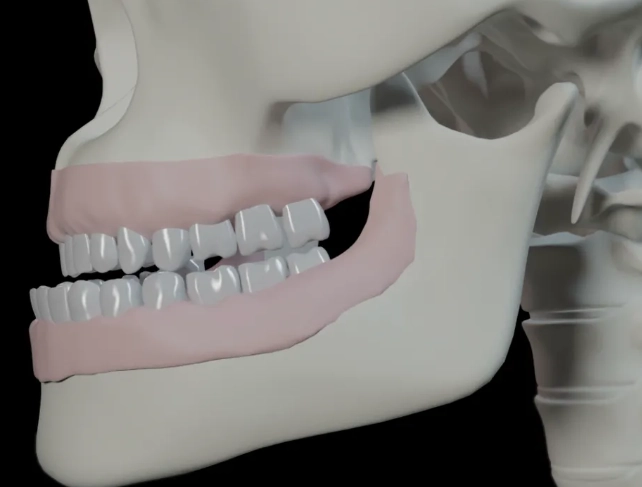
Your Underbite Treatment Options Explained
This is where people get lost. The treatment path depends entirely on your age and the severity of the skeletal discrepancy.
For Growing Children and Teens
If the jaw is still growing, we can guide it. This is the ideal time for intervention.
- Upper Jaw Expander: A device cemented to the upper molars that is widened with a key. It gently widens the upper jaw to better fit over the lower. It feels strange for a week, then it's just there.
- Reverse-Pull Face Mask (Headgear): Sounds medieval, but it's effective for moderate cases. It's a harness that wraps around the head and attaches to bands on the upper teeth, pulling the upper jaw forward. Compliance is key—usually 12-14 hours a day.
- Functional Appliances: Devices like the Twin Block or Bionator that reposition the lower jaw backward and encourage the upper jaw to grow forward. They're removable but need to be worn consistently.
The goal here is to harness growth to avoid surgery later.
For Adults: The Two Main Paths
Once growth stops (late teens for girls, early 20s for guys), the bones are set. Now you have two roads.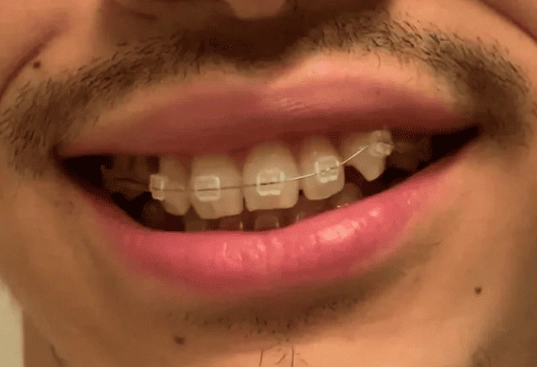
Camouflage Orthodontics: This uses braces or clear aligners (like Invisalign) to tilt the teeth into a better bite without moving the jawbones. It's only for mild skeletal underbites. The catch? It can make your profile look slightly flatter because the teeth are being angled back. It fixes the bite but not the underlying jaw position.
For moderate to severe skeletal underbites, the most predictable and stable solution is orthognathic surgery (jaw surgery) combined with braces.
Here’s a breakdown of the adult treatment landscape:
| Treatment | Best For | How It Works | Typical Timeline |
|---|---|---|---|
| Braces (Camouflage) | Mild underbites, dental not skeletal | Moves teeth only, using brackets and wires. | 18-24 months |
| Invisalign (Camouflage) | Very mild underbites, high patient discipline | Series of clear, removable aligners. | 18-24 months |
| Braces + Jaw Surgery | Moderate to severe skeletal underbites | Braces first to align teeth, then surgery to reposition jaws, then more braces to fine-tune. | 2-3 years total |
The surgery itself involves an oral surgeon making precise cuts in the jawbone(s), repositioning them, and securing them with tiny plates and screws. It's a major procedure, but the advancements are incredible—less swelling, faster recovery, and incredibly precise results.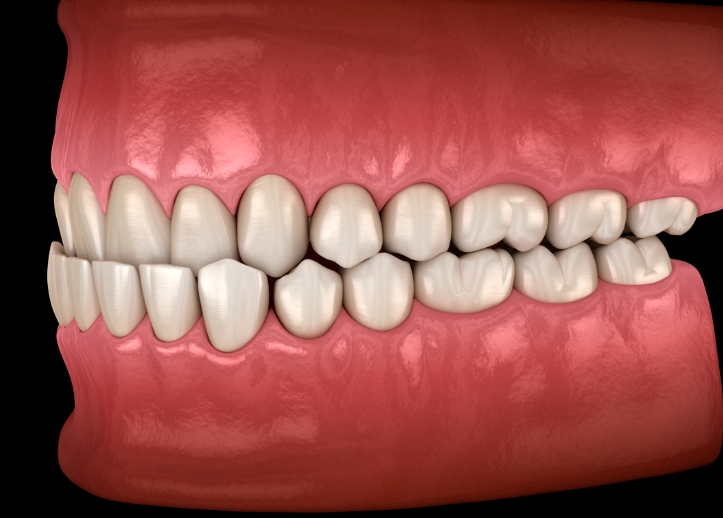
The Real Deal on Cost, Insurance, and Recovery
Let's talk numbers, because this is a major factor.
Costs: Camouflage orthodontics (braces or Invisalign) typically runs between $3,000 and $8,000. Orthognathic surgery is a different ballgame. The surgery fee alone can range from $20,000 to $40,000 or more, depending on complexity and surgeon. Then you add the cost of braces ($5,000-$7,000) and anesthesia/hospital fees.
Insurance: Here's a key point. If your treatment is deemed medically necessary (due to sleep apnea, chewing dysfunction, TMJ pain), medical insurance often covers a significant portion of the surgery. Dental insurance might chip in for the braces. You need pre-authorization. Don't assume it's all cosmetic—documented functional problems are your ticket to coverage.
Recovery After Surgery: The first week is the toughest. Liquid diet, significant swelling, some discomfort managed with medication. Most people take 2-3 weeks off work. You'll be on a soft diet (blended foods, mashed potatoes) for about 6 weeks. The swelling subsides noticeably after 2 weeks, but residual subtle swelling can linger for months. The braces stay on for another 6-12 months to finalize your bite.
It's a marathon, not a sprint. But every patient I've worked with who went through it said the long-term payoff was worth the short-term challenge.
How to Find the Right Specialist
Don't just Google "orthodontist near me." You need a team.
- Look for an orthodontist experienced in surgical cases. They should work regularly with oral surgeons.
- Your surgeon should be a board-certified oral and maxillofacial surgeon. Check their credentials on the American Association of Oral and Maxillofacial Surgeons website.
- Get two opinions. Seriously. One might recommend surgery, another might push for camouflage. Listen to their reasoning. Ask to see before/after photos of cases similar to yours.
- Ask the surgeon: "What percentage of your practice is orthognathic surgery?" You want someone who does this frequently.
This relationship lasts years. You need to trust them.
Your Underbite Questions, Answered
I'm 35. Is it too late for me to fix my underbite with surgery?
Not at all. Age is less of a factor than overall health. I've assisted with successful surgeries on patients in their 50s and 60s. The bones heal well at any age if you're healthy. The bigger consideration is lifestyle—managing time off work and family commitments during recovery. The benefits for sleep apnea and joint pain can be life-changing for adults.
Can Invisalign truly fix a real underbite, or am I being sold a dream?
This is a critical distinction. Invisalign can correct dental underbites (where the teeth are tilted wrong) in mild cases. It cannot move jawbones. For a true skeletal underbite, any orthodontist promising a fix with Invisalign alone is likely planning a camouflage that may compromise your facial profile or long-term stability. Always ask for a cephalometric X-ray analysis. If the bone discrepancy is over 4-5mm, be very skeptical of an aligner-only plan.
What's the one thing people regret most after underbite surgery?
Not the pain or the liquid diet. It's usually not taking enough "before" photos and records. You change so gradually during braces that you forget your starting point. Take detailed photos—front, side, smiling, relaxed. Make a video of yourself talking. A year post-op, when you look back, you'll be stunned at the difference, and it helps on any tough day during the process.
How do I know if my child's underbite needs early intervention?
Don't wait until all their adult teeth are in. The American Association of Orthodontists recommends an evaluation by age 7. If you see a pronounced underbite, get a consult. Early intervention with an expander or face mask between ages 8-12 can often harness growth to correct the problem non-surgically. Waiting until teenage years often closes that window, making surgery the only option later.
Will fixing my underbite change my face drastically?
It will change your profile to a more balanced, harmonious one. The lower jaw is set back, the chin becomes less prominent, and the lips often meet more naturally. It doesn't give you a completely different face, but it corrects the disproportionality. Most people look like a more refined version of themselves. Friends might say you look "rested" or "great" without pinpointing why.