Jump to Sections
- Understanding How Fast Teeth Whitening Products Work
- Types of Fast Teeth Whitening Products: A Side-by-Side Look
- Key Factors to Consider Before You Buy Any Fast Whitening Product
- How to Use Fast Teeth Whitening Products Safely and Effectively
- Realistic Expectations: What "Fast" Really Means
- FAQs: Your Top Questions Answered
- Final Thoughts: Cutting Through the Hype
Let's be real. You see those ads for fast teeth whitening products everywhere—promising a dramatically brighter smile in days, sometimes even hours. It's tempting. You scroll through the before-and-after photos, read the glowing reviews, and think, "Maybe this one will work." I've been there. I've tried more kits, strips, and pens than I care to admit. Some were fantastic. Others? A total waste of money and left my teeth feeling like they'd been sandpapered.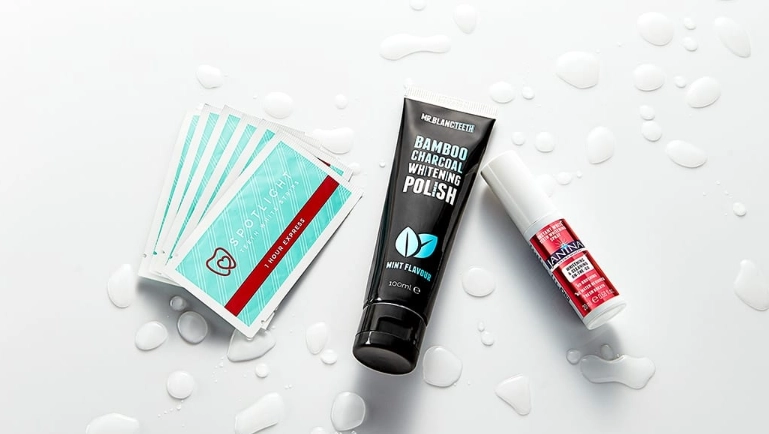
So, what's the truth behind the marketing? Can you actually get safe, noticeable results quickly at home? The answer is yes, but with a giant asterisk. Not all fast teeth whitening products are created equal, and what works for your friend might be a disaster for you.
This guide is here to cut through the noise. We're not just listing products. We're digging into how they work, what to look for (and what to run from), and how to manage your expectations. Because getting a whiter smile shouldn't be a gamble with your dental health.
Understanding How Fast Teeth Whitening Products Work (The Science Bit, Simplified)
Most effective fast teeth whitening products rely on one of two main active ingredients: hydrogen peroxide or carbamide peroxide. Think of them as the workhorses. They penetrate the enamel (the hard outer layer of your tooth) and break apart the stain molecules trapped inside. This oxidation process is what lightens the color.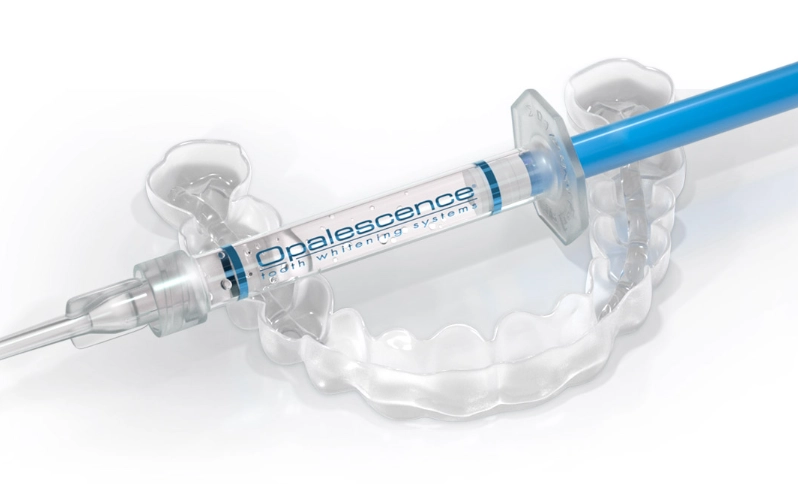
Hydrogen peroxide is the faster-acting agent. It starts working immediately and is common in products promising quick results—like 30-minute treatments or whitening pens for touch-ups. Carbamide peroxide is slower to break down, often providing a more gradual release. It's a common choice for overnight trays or kits meant for sensitive teeth.
The concentration of these peroxides is a huge deal. Over-the-counter products in the US are limited by the Food and Drug Administration (FDA) to certain levels for safety. Professional treatments from a dentist use higher concentrations, which is why they work faster and more dramatically. But higher concentration at home also means a higher risk of gum irritation and tooth sensitivity if you're not careful.
It's not just about the bleach. Many products now include additional ingredients aimed at reducing sensitivity, like potassium nitrate or fluoride. Some use blue LED lights, which companies claim accelerate the process. The American Dental Association (ADA) states that while these lights might not harm you, there's limited evidence they significantly boost the whitening effect of the peroxide gel itself. The real hero is still the peroxide.
Types of Fast Teeth Whitening Products: A Side-by-Side Look
The market is flooded with options. Here’s a breakdown of the most common categories, their pros, cons, and who they might be best for.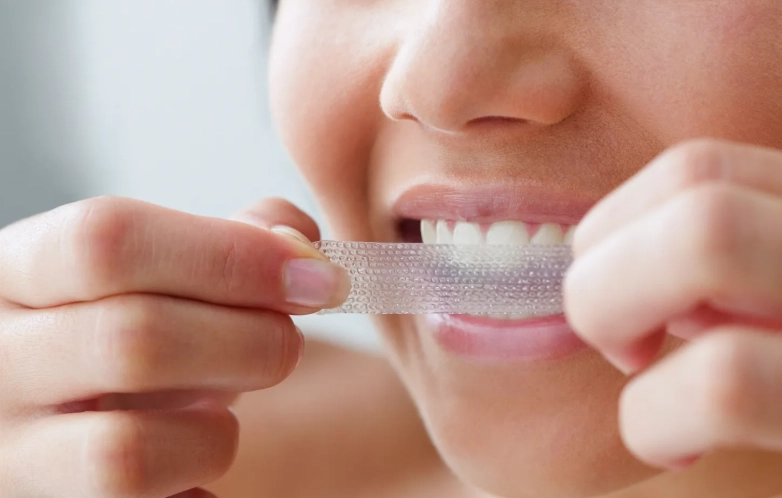
| Product Type | How It Works & Speed Claim | Biggest Pros | Biggest Cons & My Experience | Best For... |
|---|---|---|---|---|
| Whitening Strips | Thin, flexible strips coated with peroxide gel. Adhere to teeth. Typical use: 30 mins to 1 hour daily for 1-2 weeks. Some "advanced" versions promise results in 3 days. | Extremely convenient. No mess. Dosage is pre-measured. Widely available and often affordable. Many have the ADA Seal of Acceptance, which is a huge plus for safety/efficacy. | Can be tricky to fit perfectly on crooked teeth, leading to uneven results or gum irritation. The feeling of them on your teeth is weird at first. I've had some that slid around, which was annoying. | Beginners, people with fairly straight teeth looking for a predictable, step-by-step routine. |
| Whitening Gels with Trays | You apply a gel (syringe or pen) into a provided tray or mouthguard, then wear it. Times vary: from 10-minute "express" sessions to overnight wear. | Gel can cover teeth more evenly than strips. Often higher peroxide concentrations than strips. Customizable amount of gel. | One-size-fits-all trays are notorious for ill-fitting. Gel can ooze out onto gums, causing irritation. More messy than strips. The generic trays are often bulky and uncomfortable. | Those who want more control over gel application and don't mind a bit more hassle. |
| Whitening Pens | A pen-like applicator you twist to dispense a gel, then paint directly onto teeth. Marketed for "on-the-go" use or touch-ups. Claims of results in one use. | Super portable and discrete. Great for targeting specific teeth (like just your front six). Minimal mess. Ideal for travel or post-coffee touch-ups. | Easily washed away by saliva, so you can't eat or drink for a while after. The layer of gel is very thin, so results are usually subtle and build slowly. It's easy to over-apply and get gel on your gums. | Maintenance between other treatments, targeting specific stains, or people with very sensitive teeth who need a gentler, shorter application. |
| LED Whitening Kits | Combines a peroxide gel (applied via trays or strips) with a blue LED light you shine on your teeth. Claims to accelerate whitening dramatically, sometimes in one 10-20 minute session. | The process feels "high-tech" and professional. Can produce fast initial results. The light keeps your mouth open, limiting saliva wash-away. | Often the most expensive OTC option. The science on the light's added benefit is debated. The units can be clunky. I found one kit where the light's battery died after a few uses. | Those who want the at-home "clinic-like" experience and are willing to pay a premium for potentially faster initial results. |
| Whitening Toothpaste & Rinses | Used daily like regular oral care. Contains mild abrasives and/or low-dose peroxides or other agents like blue covarine (which coats teeth with a blue tint to counteract yellow). | Easiest to integrate into routine. Helps remove surface stains. Good for maintenance. | NOT a fast whitening product in the true sense. Effects are very gradual and primarily on surface stains only. Can be abrasive if overused. | Daily maintenance, preventing new stains, and complementing other whitening treatments. |
See what I mean? Each type has its own personality. A whitening pen is never going to give you the same level of result as a two-week course of high-quality strips, and vice versa. Managing expectations is half the battle.
Key Factors to Consider Before You Buy Any Fast Whitening Product
Don't just grab the first box you see with a shiny "WHITENS IN 1 HOUR!" sticker. Pause and think about these things.
1. Your Starting Point and Stain Type
Are your teeth mildly yellowed from coffee and red wine (extrinsic stains)? Or do they have a grayish or deep yellow tint that might be intrinsic (from within the tooth, like from aging or tetracycline antibiotics)? Fast teeth whitening products are generally best at tackling extrinsic stains. Intrinsic discoloration is tougher and may require professional help.
Honestly, take a good look in the mirror. If your stains are very dark or localized (like from a single tooth injury), an over-the-counter kit might not cut it, and you could end up frustrated.
2. Sensitivity: The Elephant in the Room
This is the biggest complaint about fast methods. If you already have sensitive teeth, you need to be extra cautious.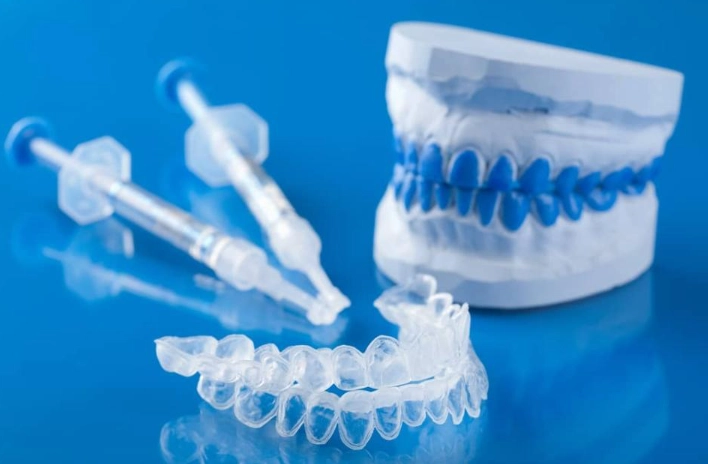
- "For Sensitive Teeth" on the label.
- Ingredients like potassium nitrate or fluoride in the gel.
- Shorter application times (e.g., 5-10 minutes vs. 30+).
- The ADA Seal of Acceptance—it means the product has been tested for safety and efficacy, including its potential to cause irritation.
My personal rule? Start slower than the instructions say. If it says 30 minutes, try 15 the first time. See how your teeth feel the next day. You can always add time later, but you can't take away a nerve-jangling session of sensitivity.
3. Ingredients and Concentration
Check the active ingredients list. Is it hydrogen peroxide or carbamide peroxide? What's the percentage? While higher percentages (within the legal OTC limit) might work faster, they're not automatically better. A 10% carbamide peroxide gel used properly can be just as effective and gentler than a rushed 6% hydrogen peroxide treatment.
Avoid products with vague ingredient lists or those that rely solely on abrasive action (like some charcoal powders). Abrasives scratch enamel, which can make teeth appear duller and more stain-prone over time. The ADA's resources on tooth whitening are a great place to understand the science better.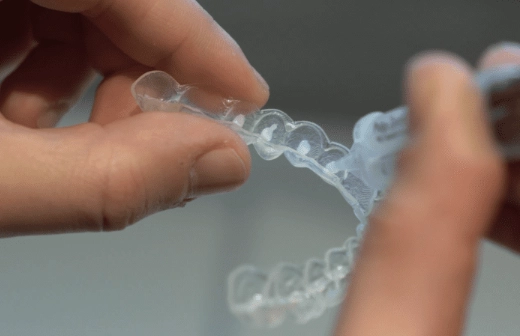
4. Fit and Application
This is crucial for gels and strips. A poor fit means the gel touches your gums, causing irritation (a white, sometimes painful burning sensation), and misses parts of your teeth, leading to uneven whitening. If you have dental work like crowns, veneers, or bonding on your front teeth, know this: whitening gel does NOT work on these materials. You could end up with a two-toned smile where your natural teeth whiten but your dental work stays the same color.
It's a deal-breaker for many.
How to Use Fast Teeth Whitening Products Safely and Effectively
Okay, you've picked a product. Now, don't ruin it by using it wrong. Here's how to get the best results while minimizing risks.
Prep Your Teeth: Brush and floss before applying any whitening product. This removes plaque and film, allowing the gel to contact the enamel directly. But wait about 30 minutes after brushing—brushing can slightly roughen the enamel, and applying peroxide immediately after might increase sensitivity.
Follow the Time, Not Your Impatience: More is not better. Do not wear strips or trays for hours because you think it will whiten faster. You're dramatically increasing your risk of chemical burns on your gums and severe tooth sensitivity. Set a timer.
Protect Your Gums: If using a gel tray, use a cotton swab or your finger to wipe away any excess gel that squeezes out onto your gums immediately. For strips, try to mold them as close to the tooth line as possible without covering the gum.
Dealing with Sensitivity: If sensitivity occurs, it's usually temporary. Take a day or two off from whitening. Use a toothpaste for sensitive teeth consistently. Some people find relief by applying the product every other day instead of daily. If sensitivity is severe or doesn't go away, stop and consult your dentist.
The "White Diet": For at least an hour after whitening, avoid dark-colored foods and drinks (coffee, tea, red wine, cola, berries, soy sauce). Your enamel pores are slightly more open and susceptible to new stains. Water is your best friend.
Realistic Expectations: What "Fast" Really Means
This is where marketing meets reality. "Fast" is relative. For most people using a good-quality OTC product:
- Noticeable difference: You might see a slight brightening after 1-3 uses.
- Significant results: This usually takes the full course—anywhere from 5 to 14 days of consistent use.
- Peak results: Often appear a day or two AFTER you finish the treatment cycle, as the oxidation process completes.
- Maintenance: Results are not permanent. You'll likely need a touch-up every 3-6 months, depending on your diet and habits.
No ethical product will turn brown teeth movie-star white in one 10-minute session. If a claim sounds too good to be true, it almost certainly is. The best fast teeth whitening products provide a noticeable improvement in a reasonable timeframe, not a magical transformation.
FAQs: Your Top Questions Answered
Final Thoughts: Cutting Through the Hype
The world of fast teeth whitening products is full of promises. Some are valid, many are exaggerated. The truth is, you can achieve a brighter, more confident smile at home relatively quickly if you choose wisely and manage your expectations.
Start slow, listen to your body (or rather, your teeth), and you'll find the right balance between speed, results, and comfort. Good luck on your journey to a brighter smile!