Quick Navigation
- Why Salt Water Actually Works on a Tooth Infection
- How to Make and Use Salt Water for a Tooth Infection: The Right Way
- What Salt Water Can and Cannot Do: Setting Realistic Expectations
- When You MUST See a Dentist (No More Excuses)
- Salt Water Rinse vs. Other Common Home Remedies
- Your Top Questions on Salt Water and Toothaches, Answered
- The Bottom Line: A Useful Tool, Not a Magic Wand
Let's be honest, a throbbing toothache is one of the worst kinds of pain. It's distracting, relentless, and often hits at the worst possible time. Maybe you can't get to a dentist until tomorrow, or you're looking for something to take the edge off. In moments like these, the old advice of using salt water for toothache infection relief pops up everywhere. But does it actually work? Or is it just a useless folk remedy?
I've been there. Wincing in pain, searching the kitchen cabinet for anything that might help. I remember my grandmother swearing by a warm salt water rinse. I tried it with a hefty dose of skepticism, but you know what? It did bring some relief. It wasn't a magic cure, but it calmed things down enough for me to think straight.
This guide isn't just about repeating that old advice. We're going to dig deep into why a simple salt water rinse can be effective, how to do it properly (most people get it wrong), its very real limits, and the critical signs that mean you need a dentist, not a home remedy. Think of this as your no-nonsense manual for navigating a toothache with one of the most accessible tools available.
Why Salt Water Actually Works on a Tooth Infection
It sounds too simple to be true, right? Just salt and water. But there's some solid science behind this age-old practice. It's not killing the deep infection, but it's doing several important things that make you feel better and can aid healing.
First, it's all about osmosis. A salt water solution is hypertonic. In plain English, it draws fluid out. When you have an infection or an abscess, the surrounding tissues are inflamed and swollen with excess fluid. Swishing with warm salt water helps pull that fluid out, reducing the swelling and the pressure on the nerve. Less pressure means less pain. It's one of the main reasons a salt water rinse for toothache provides such quick, albeit temporary, relief.
Second, it creates a less hospitable environment for bacteria. Bacteria thrive in a certain pH and environment. A saline solution can disrupt that. It also helps mechanically flush away food debris and plaque from around the sore area, which are basically a buffet for bacteria. By cleaning the area and making it a bit more hostile, you're helping your body's natural defenses.
Key Takeaway: Salt water doesn't "kill" the infection bacteria directly like an antibiotic would. Its power lies in reducing painful swelling (osmosis) and creating a cleaner, less bacteria-friendly environment in your mouth. It's a support act, not the main headliner for treating an infection.
Finally, the warmth matters. Warm water is soothing. It can increase blood circulation to the area, which promotes healing, and helps relax tense jaw muscles that often clench up in response to pain. The combination of the physical cleaning action, the osmotic effect, and the soothing warmth is what makes this remedy so popular.
How to Make and Use Salt Water for a Tooth Infection: The Right Way
This is where most guides drop the ball. They just say "mix salt and water." But the details make all the difference between a mildly helpful rinse and one that's genuinely effective.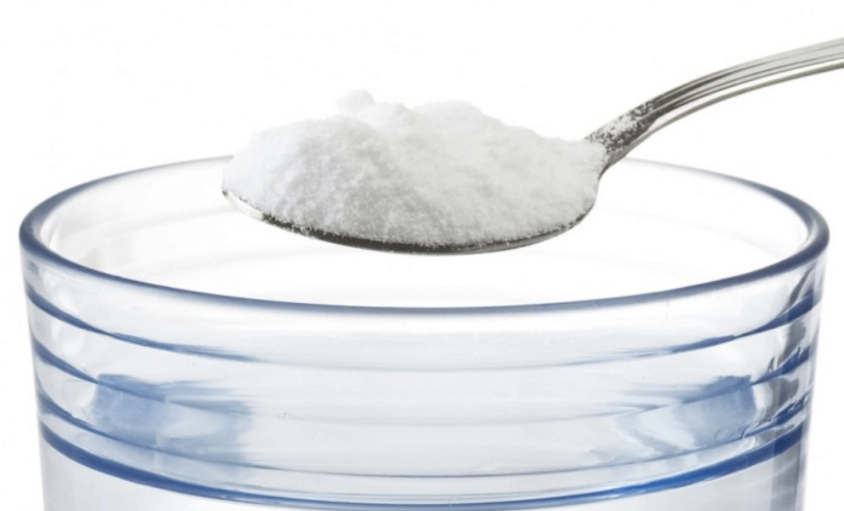
The Perfect Salt Water Recipe
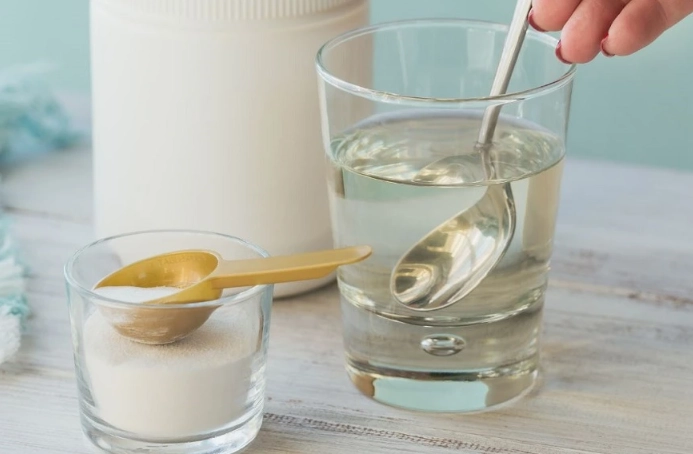
You don't need fancy sea salt or Himalayan pink salt. Plain old table salt or non-iodized sea salt works perfectly. Here’s the gold-standard recipe:
- 1 Cup (8 ounces) of Warm Water: Not hot. Think baby-bottle warm. If it's too hot, it can scald sensitive tissue. If it's cold, it won't have the same soothing effect and can sometimes trigger more pain in an exposed nerve.
- 1/2 Teaspoon of Salt: This is the sweet spot. Too little and the osmotic effect is weak. Too much (I made this mistake once) and it's painfully harsh on your gums and can even cause irritation.
Stir vigorously until the salt is completely dissolved. Undissolved salt crystals can be abrasive. This simple mixture is your frontline toothache home remedy salt water solution.
A quick personal tip: I use water that's been boiled and cooled slightly, just to ensure it's clean, especially if I'm dealing with what feels like an infection. It feels more sanitary.
The Step-by-Step Swish Technique
Don't just gargle and spit. To target the toothache infection, you need a method.
- Take a comfortable mouthful of the warm salt water.
- Lean your head so the solution pools around the painful tooth. This might mean tilting your head to that side.
- Swish gently but thoroughly for 30 seconds. I time it. A quick 5-second swish won't do much. Focus the flow around the affected area.
- Spit it out completely. Do not swallow the salt water, especially if you suspect an infection. You don't want to ingest those bacteria.
- Repeat until the cup is empty. This usually means 4-5 good swishes.
How often? You can do this every 2-3 hours as needed for pain, or after meals to keep the area clean. It's safe, cheap, and non-invasive.
What Salt Water Can and Cannot Do: Setting Realistic Expectations
This is the most critical part of the discussion. Overhyping a home remedy is dangerous. Let's be brutally honest about the capabilities of salt water for toothache relief.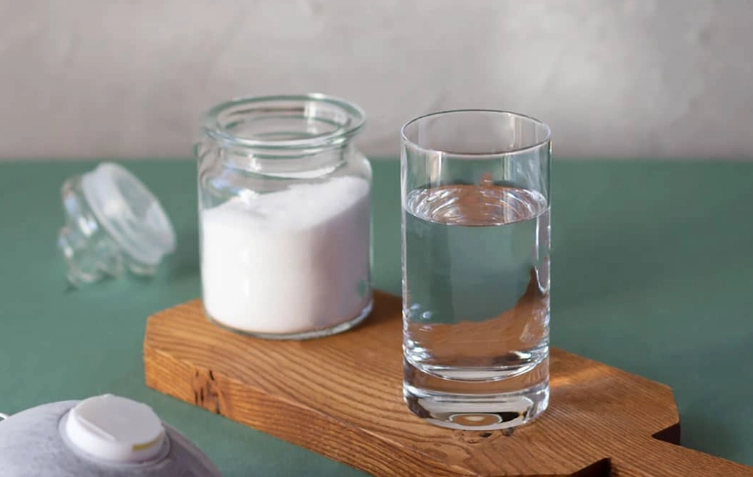
CRUCIAL WARNING: A salt water rinse is a symptomatic treatment and an adjunct to professional care. It is NOT a cure for a dental infection. An infection inside a tooth (an abscess) requires professional dental intervention, often including antibiotics and a procedure like a root canal or extraction.
Here’s a quick comparison to set the record straight:
| What Salt Water Rinse CAN Do | What Salt Water Rinse CANNOT Do |
|---|---|
| Provide temporary pain relief by reducing swelling | Penetrate inside the tooth to kill the root canal infection |
| Help clean debris from around gums and tooth | Replace antibiotics prescribed for a systemic infection |
| Soothe irritated gum tissue (gingivitis) | Heal a cavity or repair tooth decay |
| Promote healing after a dental procedure (e.g., extraction) | Stop an infection from spreading to your jaw or bloodstream |
| Be a safe, immediate first-aid measure | Eliminate the need to see a dentist for a true infection |
I see a lot of articles vaguely promising "relief" without drawing this clear line. That's a disservice. Using salt water for toothache infection is like taking an aspirin for a broken arm. It might dull the pain for a bit, but the bone still needs to be set by a doctor.
When You MUST See a Dentist (No More Excuses)
If you're relying on salt water rinses, you need to know the red flags. These signs mean the situation is beyond home care. Ignoring them can lead to serious, even life-threatening complications.
Stop the rinses and call a dentist immediately if you have any of these symptoms alongside your toothache:
- Fever: This is your body fighting a spreading infection.
- Swelling in your face, cheek, or jaw: Especially if it's growing or making it hard to breathe or swallow. This is a dental emergency.
- Difficulty breathing or swallowing: This indicates severe swelling that could block airways.
- Pus draining from around the tooth or a foul taste: Clear sign of an abscess.
- Pain that is severe, throbbing, and doesn't respond to over-the-counter painkillers.
- Swollen lymph nodes under your jaw or in your neck.
Seriously.
A tooth infection can spread to your jawbone (osteomyelitis), your sinuses, or even into your bloodstream (sepsis), which is a medical catastrophe. The Centers for Disease Control and Prevention (CDC) emphasizes the importance of treating oral infections to prevent systemic health issues. A salt water rinse is a holding pattern, not a solution, for these symptoms.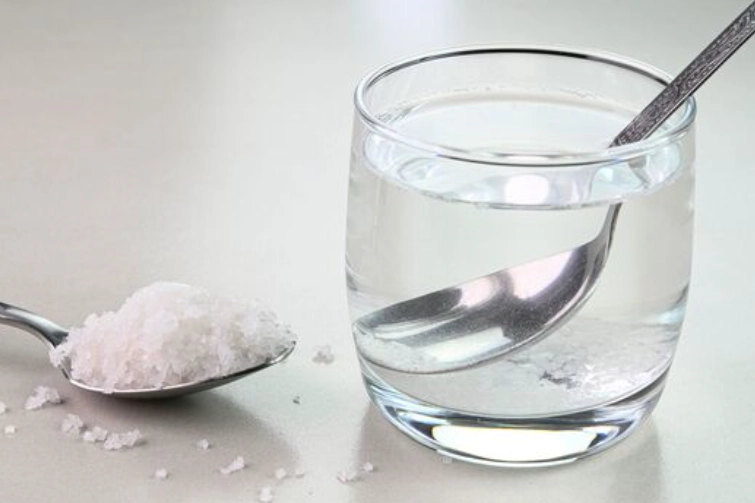
Salt Water Rinse vs. Other Common Home Remedies
You might be wondering how salt water stacks up against other things in your pantry. Let's compare.
Hydrogen Peroxide: A diluted hydrogen peroxide rinse (equal parts 3% HP and water) is also recommended by some dentists for its antibacterial and bubbling action. However, it can be more irritating to gums, shouldn't be swallowed, and isn't recommended for frequent long-term use. For a simple, gentle, and soothing rinse, salt water often wins. For a more potent antibacterial flush under dental guidance, peroxide has a place.
Over-the-Counter Mouthwashes (like those with alcohol): These can burn like crazy on an open sore or exposed nerve. Many antibacterial mouthwashes are better for general gingivitis than for targeted pain relief from an infected tooth. The alcohol can actually dry out and irritate the tissue more. The American Dental Association (ADA) notes that while therapeutic mouthwashes can help reduce plaque and gingivitis, a simple saline rinse is often recommended post-surgery for its gentle cleansing. You can read more about the ADA's perspective on mouthrinses here.
Clove Oil: Contains eugenol, a natural anesthetic and antiseptic. It can provide stronger numbing relief than salt water. But it must be used with extreme caution—applied only with a cotton swab directly on the tooth/gum, and never swallowed in quantity as it can be toxic. Salt water is undeniably safer and easier.
My two cents? Start with salt water. It's the baseline. If you need more and have clove oil on hand, you can try it carefully after. But for pure safety and ease, salt water for toothache infection care is hard to beat.
Your Top Questions on Salt Water and Toothaches, Answered

The Bottom Line: A Useful Tool, Not a Magic Wand
So, where does this leave us with using salt water for toothache infection problems?
It's a fantastic, evidence-supported first-aid measure. It's the first thing you should try when that familiar throb starts. It's cheap, safe, and effective at what it does: reducing swelling, cleaning the area, and providing temporary comfort. I always have salt in my cabinet for this exact reason.
But you have to pair it with wisdom. Listen to your body. If the pain is minor gum irritation from food, a salt water rinse might be all you need. If it's a deep, serious ache with any of the warning signs we talked about—fever, swelling, etc.—then that rinse is just a stopgap on your way to the phone to call the dentist.
The goal is to use this knowledge to take smart, immediate action for relief while making the necessary plan for a real solution. Your toothache might just need a little help from salt water, or it might be sending you an SOS that requires a professional. Now you know how to tell the difference.